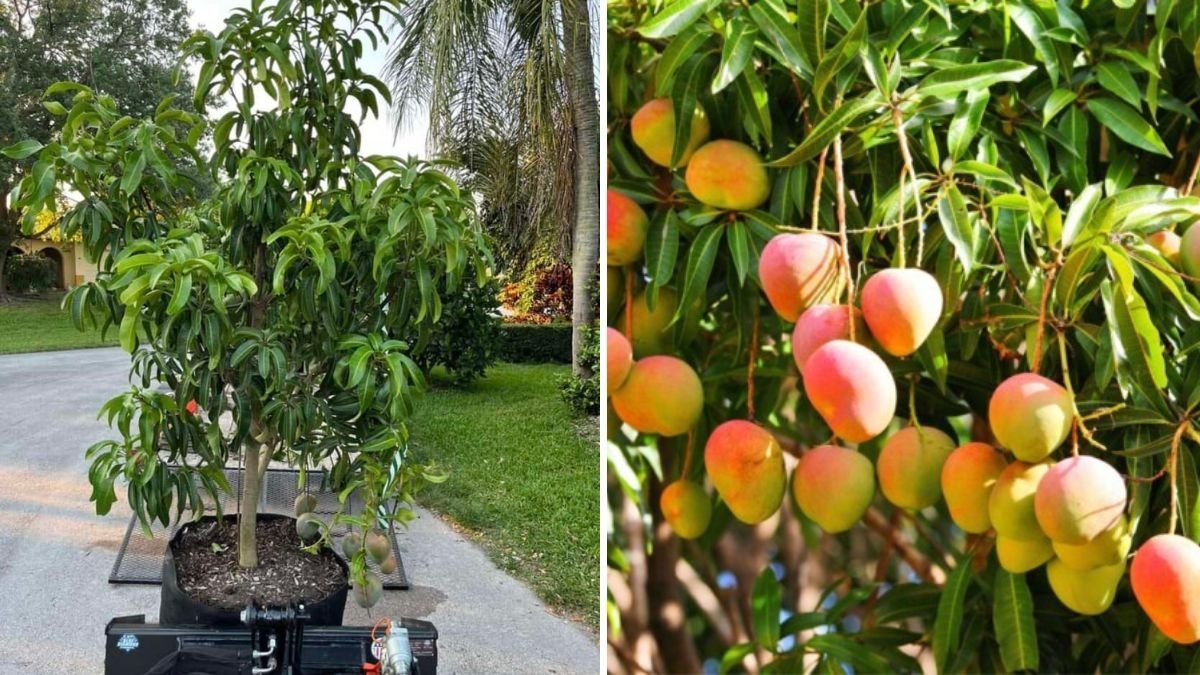
There’s something magical about the sight of a mango tree bursting into bloom — clusters of tiny, fragrant flowers promising a season of sweet, golden fruit ahead. Among the many mango varieties cherished by home gardeners, the Kent mango stands out for its exceptional flavor, smooth texture, and generous harvests.
Inspired by the video “Kent Mango Blooming!”, this post dives deep into what makes this tropical fruit tree so special and how you can nurture it from flowering to fruiting. Whether you’re an experienced mango grower or new to tropical gardening, this guide will help you understand the Kent mango’s blooming process, seasonal care needs, and how to ensure a successful harvest.
1. Meet the Kent Mango: A Sweet Taste of the Tropics
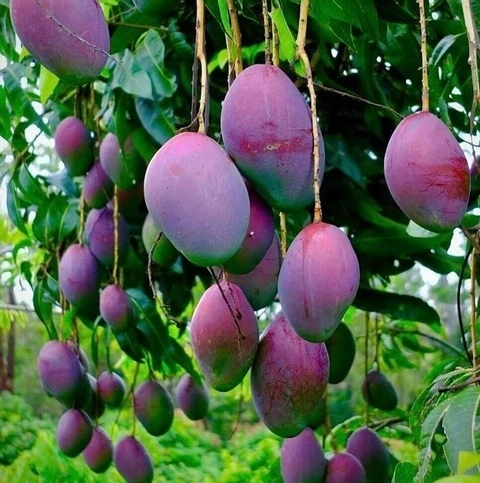
The Kent mango is one of the most popular mango varieties in the world — originally developed in Florida in the 1940s. It’s known for its rich, sweet flavor, minimal fiber, and succulent, buttery texture.
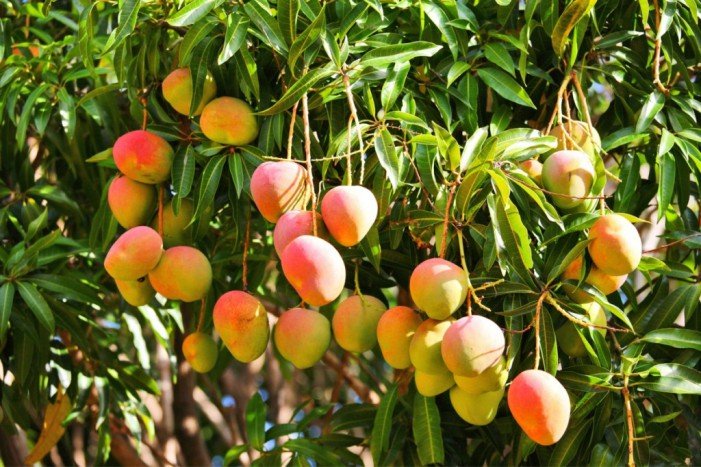
Kent mangoes are typically large, oval-shaped, and have a smooth greenish-yellow skin with a slight red blush when ripe. The flesh inside is golden and silky, making it a favorite for fresh eating, smoothies, and desserts.
But what truly makes the Kent mango special is its late-season bloom and fruiting, extending the mango harvest period when other varieties have finished producing.
2. The Magic of Mango Blooming
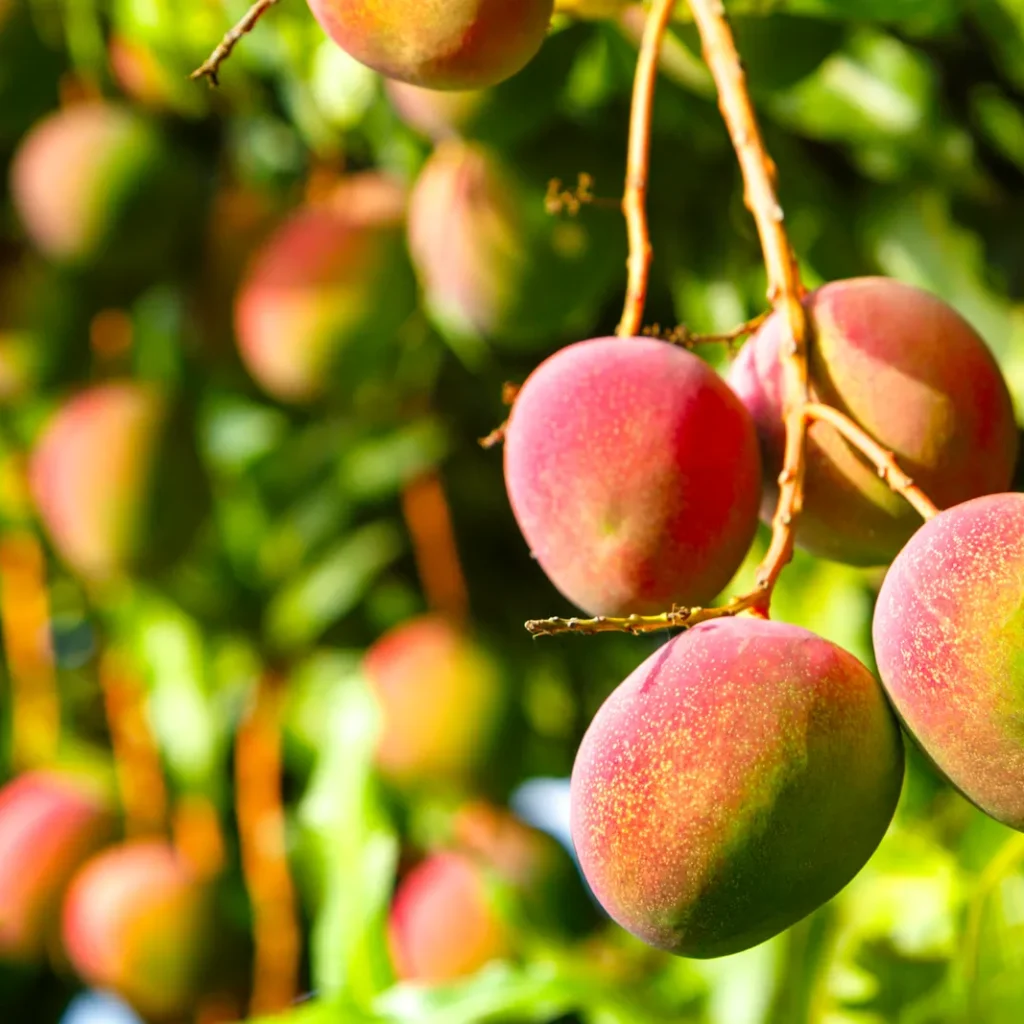
The blooming of a Kent mango tree marks the start of an exciting cycle in the tropical fruit garden. The appearance of flower clusters — or panicles — signals that your tree is ready to produce another round of delicious fruit.
Each panicle can carry hundreds of tiny, star-shaped flowers, ranging from cream to pale yellow. These blooms release a subtle, sweet fragrance that attracts bees, flies, and other pollinators.
While not all flowers will turn into fruit, healthy trees typically produce enough blooms to ensure a good harvest. Watching your Kent mango tree bloom is like witnessing nature’s promise of abundance — it’s the first step in a beautiful journey from flower to fruit.
3. When Do Kent Mango Trees Bloom?
Kent mango trees are late bloomers, generally flowering between January and March in tropical regions like South Florida, and sometimes a little later in subtropical or indoor conditions.
The timing depends on several factors:
- Climate: Warm temperatures and dry conditions stimulate flowering.
- Age of the tree: Mature trees (3–5 years old) bloom more consistently.
- Watering pattern: A short dry spell before flowering encourages bloom production.
- Pruning timing: Trees pruned in early fall may produce fewer flowers if they haven’t recovered by blooming season.
Once the buds appear, they usually take 3–4 weeks to develop into full blooms. Under the right conditions, you’ll soon see your mango tree covered in hundreds of delicate blossoms swaying in the sunlight.
4. The Role of Pollination
Pollination is crucial to ensuring your mango flowers turn into fruit. Kent mangoes, like most varieties, rely on insects such as bees and flies for cross-pollination.
If you’re growing mangoes indoors or in areas with fewer natural pollinators, consider these tips:
- Plant bee-attracting flowers nearby (like marigolds or basil).
- Avoid pesticide use during blooming — it can harm pollinators.
- You can even try hand-pollination using a small brush to transfer pollen between flowers.
Healthy pollination results in small green fruits developing at the base of the flower clusters — a promising sign that your mango season is on its way!
5. Caring for a Blooming Kent Mango Tree
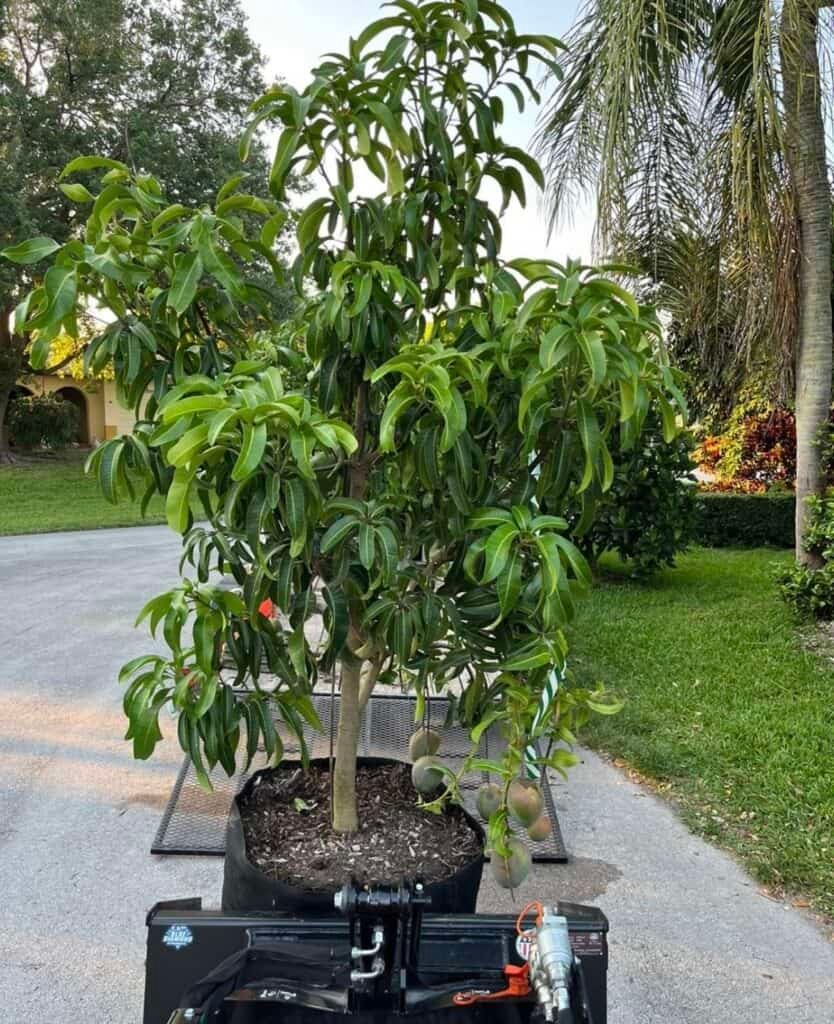
During the flowering phase, your mango tree needs specific care to ensure strong bloom development and successful fruit set.
a) Watering
Reduce watering slightly during early bloom to encourage the tree to focus on flower and fruit formation. Once fruits start forming, resume a moderate watering schedule — about once a week, or when the soil feels dry an inch below the surface.
b) Fertilization
Avoid heavy fertilizing during bloom. Instead, apply a low-nitrogen, high-potassium fertilizer to strengthen the flowers and improve fruit quality. Overfeeding nitrogen can trigger vegetative growth (leaves) instead of flowers and fruits.
c) Pest Management
Mango flowers can attract pests like thrips, aphids, and mealybugs. Monitor your tree regularly and treat infestations with neem oil or insecticidal soap.
d) Wind Protection
Flower clusters are delicate and easily damaged by strong winds. If possible, provide a windbreak or temporary support to protect your blooming mango tree.
6. From Flower to Fruit: The Next Stage
After successful pollination, the small green fruits begin to appear. These baby mangoes will gradually grow larger over the next several months.
For Kent mangoes, the fruit development period usually lasts 4–5 months. During this time, it’s important to keep the tree healthy and well-fed.
Here’s how to support your tree post-bloom:
- Water regularly to maintain soil moisture.
- Fertilize lightly every 6–8 weeks with a balanced organic fertilizer.
- Thin the fruits if clusters are too dense; this helps remaining mangoes grow larger and prevents branch breakage.
7. Recognizing Healthy Blooms and Fruit Set
Not every bloom will produce fruit — and that’s perfectly normal. On average, only about 1–3% of mango flowers develop into mature fruit.
Healthy flowers should be:
- Pale yellow to cream in color.
- Free from black spots or mold.
- Firm and fresh-looking (not wilted).
If you notice browning or fungal issues, prune away the affected panicles and apply a fungicide like copper spray to protect the rest of the tree.
When the flowers fall, tiny green mangoes will start to form in their place — an exciting sign that harvest season is on the horizon.
8. The Beauty of Kent Mango Flowers
Beyond their role in fruit production, Kent mango flowers have their own beauty. When in full bloom, a mature mango tree looks like a massive bouquet, shimmering with hundreds of delicate blossoms.
The blooms attract a symphony of buzzing pollinators, creating a mini ecosystem in your garden. This not only benefits your mango tree but also supports other nearby plants that rely on pollinators.
For tropical gardeners, mango blooming season is a sensory experience — filled with fragrance, movement, and the anticipation of fruit to come.
9. Preparing for Fruit Harvest
Once the flowering season passes and the fruit sets in, your job shifts from protecting flowers to nurturing young mangoes.
Kent mangoes generally ripen between June and August, depending on local climate conditions. During this phase:
- Maintain regular watering but avoid waterlogging.
- Apply potassium-rich fertilizer every month to boost fruit sweetness.
- Watch for pests like fruit flies or scale insects — use traps or neem oil as needed.
When ripe, Kent mangoes turn greenish-yellow with a soft blush, and their flesh becomes fragrant and slightly tender to touch.
10. Common Blooming Issues and How to Fix Them
Even healthy mango trees sometimes face challenges during blooming. Here are common issues and remedies:
- No blooms: This could be due to excessive nitrogen fertilizer or overwatering. Reduce both and allow a brief dry period before flowering season.
- Flower drop: Usually caused by temperature fluctuations or nutrient imbalance. Apply potassium and maintain steady watering.
- Pest damage: Regular neem oil sprays can deter thrips and aphids.
- Fungal diseases: Use copper fungicides if you notice black spots or mildew on flowers.
A consistent care routine can help your Kent mango tree bounce back quickly and produce strong blooms year after year.
11. Pruning After Blooming
Once flowering and fruiting are complete, light pruning helps rejuvenate your mango tree. Remove dead branches and lightly trim the canopy to improve airflow and sunlight penetration.

Avoid heavy pruning right before the next blooming cycle — this can delay or reduce flower production.
12. The Reward of a Blooming Kent Mango Tree
Watching your Kent mango tree bloom and eventually produce luscious, golden fruits is one of the most fulfilling experiences for any gardener. The cycle from bud to blossom to fruit embodies the beauty of tropical gardening — patience, care, and the joy of nature’s rewards.
Each spring, when your tree bursts into bloom, it reminds you of the rhythm of life and growth. Those tiny flowers are not just blossoms — they’re the promise of summer sweetness hanging in the warm air.
Final Thoughts
The Kent mango blooming season is a celebration of tropical abundance. With its graceful flowers, sweet aroma, and promise of a flavorful harvest, this tree brings beauty and bounty to any garden.
By understanding the blooming cycle, providing proper care, and supporting pollination, you can ensure your Kent mango tree thrives year after year — filling your home with fragrance, shade, and delicious fruit.
So, when your Kent mango starts blooming, take a moment to appreciate the wonder of it all — you’re not just growing fruit; you’re nurturing a living work of art that gives back generously with every season.

Leave A Comment