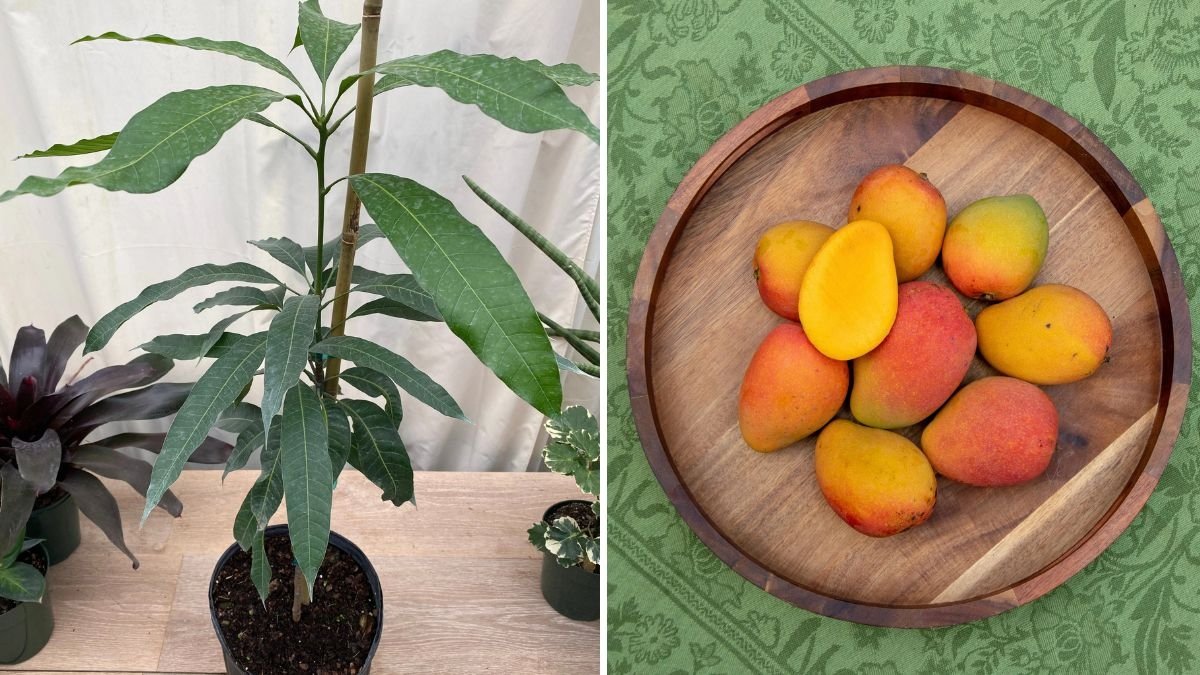
When people think of mangoes in Florida, one name stands out above all others — the Haden mango. This iconic fruit is more than just a sweet tropical treat; it’s the foundation of Florida’s mango industry and the ancestor of many modern varieties loved around the world today.
Inspired by the video “Truly Tropical Mango Varieties – ‘Haden’,” this post dives deep into the fascinating story, growing habits, and unique qualities of the Haden mango. We’ll explore why it remains one of the most celebrated cultivars in Florida and how you can grow this vibrant variety in your own tropical or subtropical garden.
1. The Story Behind the Haden Mango: Florida’s First Famous Variety
The Haden mango has an incredible history that dates back to the early 1900s. It all began in Coconut Grove, Florida, when Captain John J. Haden and his wife, Florence Haden, planted a seed from a Mulgoba mango tree in 1902.
A few years later, the resulting tree produced a crop of beautiful, red-blushed, golden fruit that took local growers by surprise. The fruit was aromatic, sweet, and far more visually appealing than any mango then grown in the U.S.
Word spread quickly — and by 1910, the Haden mango became the cornerstone of Florida’s mango industry. It’s often called the “mother of Florida mangoes,” because many popular modern cultivars — including Tommy Atkins, Kent, Keitt, and Glenn — are descendants of Haden.
2. Appearance and Flavor Profile: The Classic Mango Look and Taste
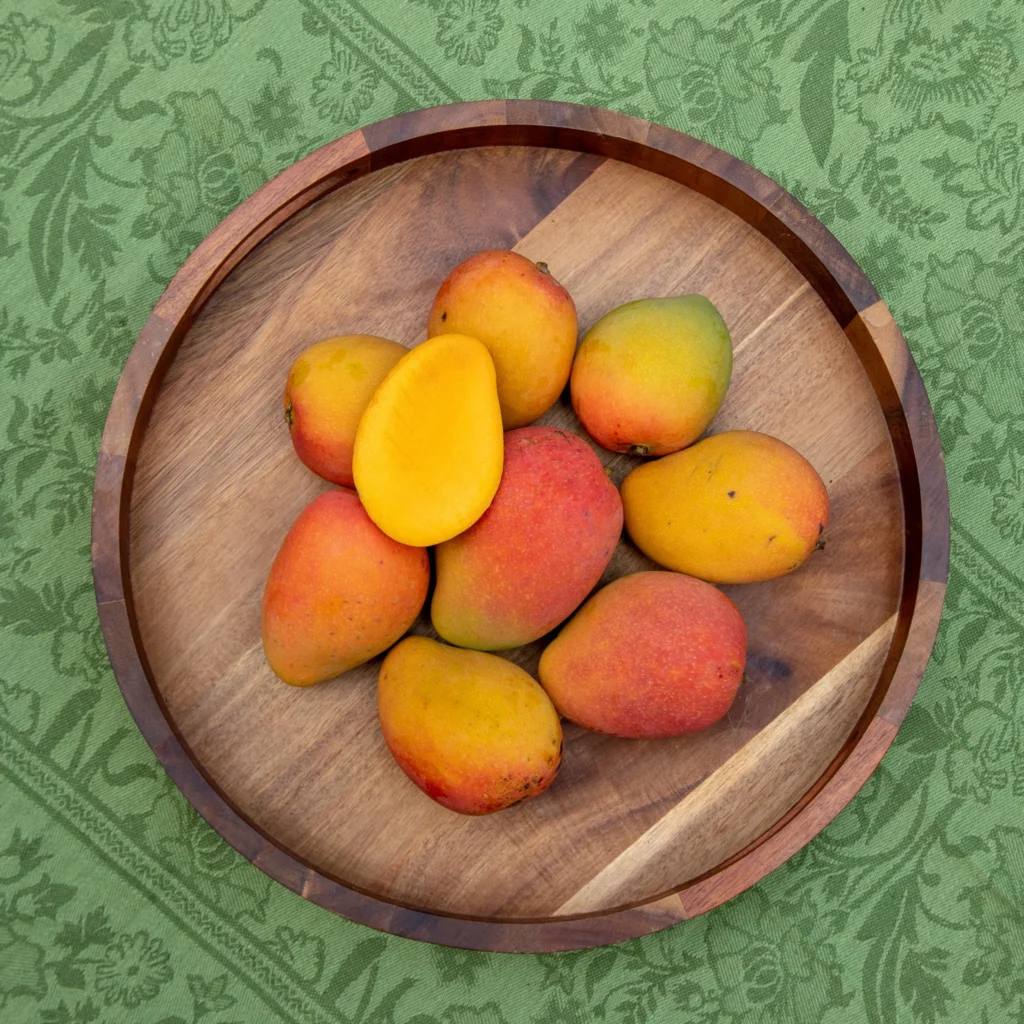
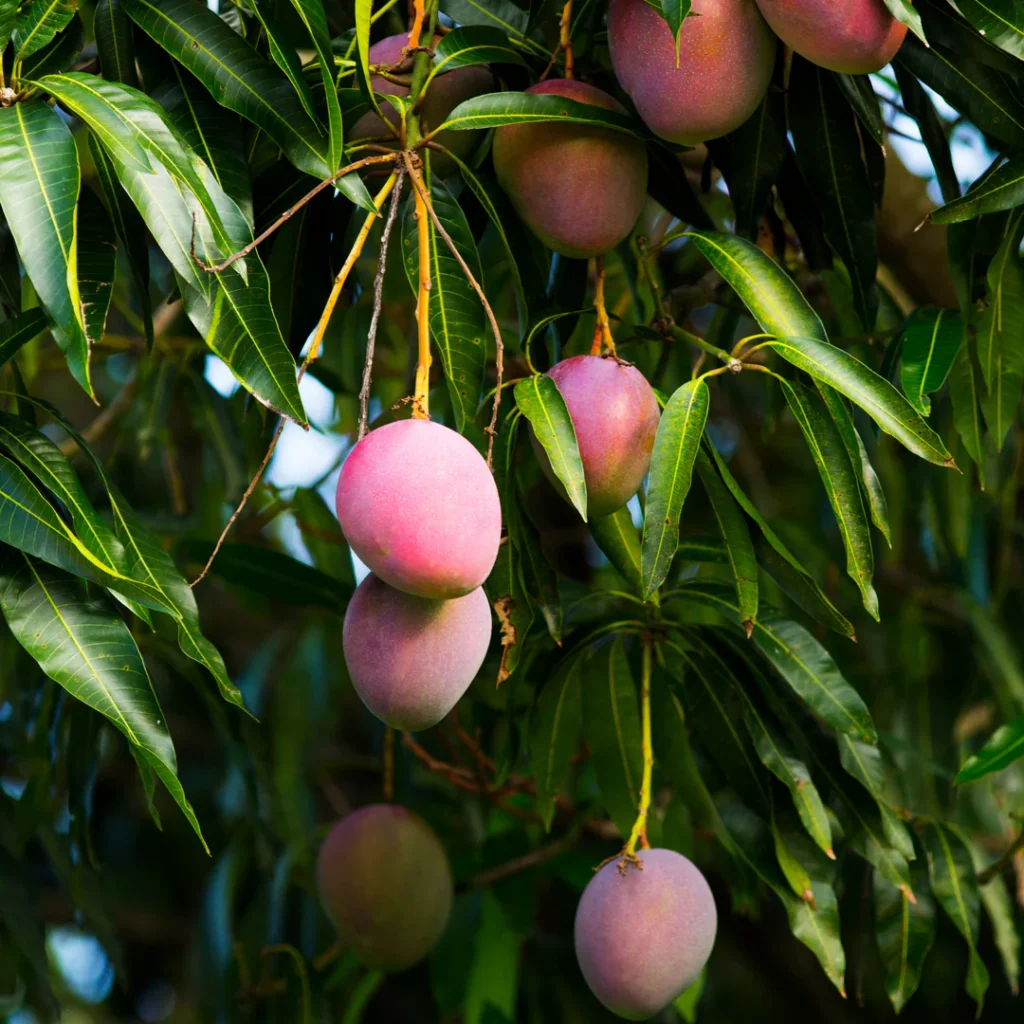
The Haden mango is a medium-to-large fruit, usually weighing between 500 to 700 grams (1–1.5 pounds). Its skin is striking — a golden yellow base with a deep crimson-red blush and specks of green or yellow. This vivid coloration made it one of the first mangoes that caught both farmers’ and consumers’ eyes.
When cut open, the flesh is rich orange, juicy, and fiberless near the seed, though it can have some slight stringiness compared to newer hybrids.
The flavor is the true star:
- Sweet with a mild tang, offering a classic mango taste.
- Highly aromatic, with tropical floral notes and a smooth finish.
- Low acidity, making it enjoyable fresh, in smoothies, or as dessert fruit.
Many mango enthusiasts describe the Haden as having the perfect balance of sweetness and tropical complexity, a benchmark for traditional mango flavor.
3. Growing Conditions: What the Haden Mango Tree Needs to Thrive
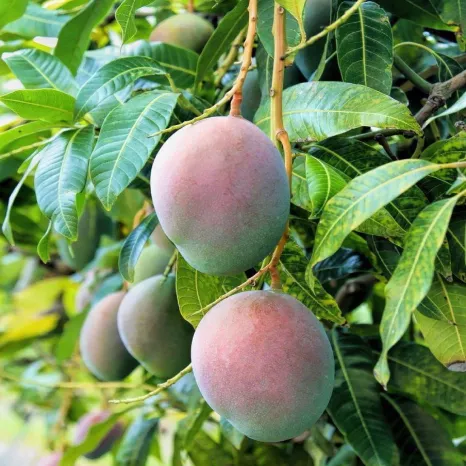
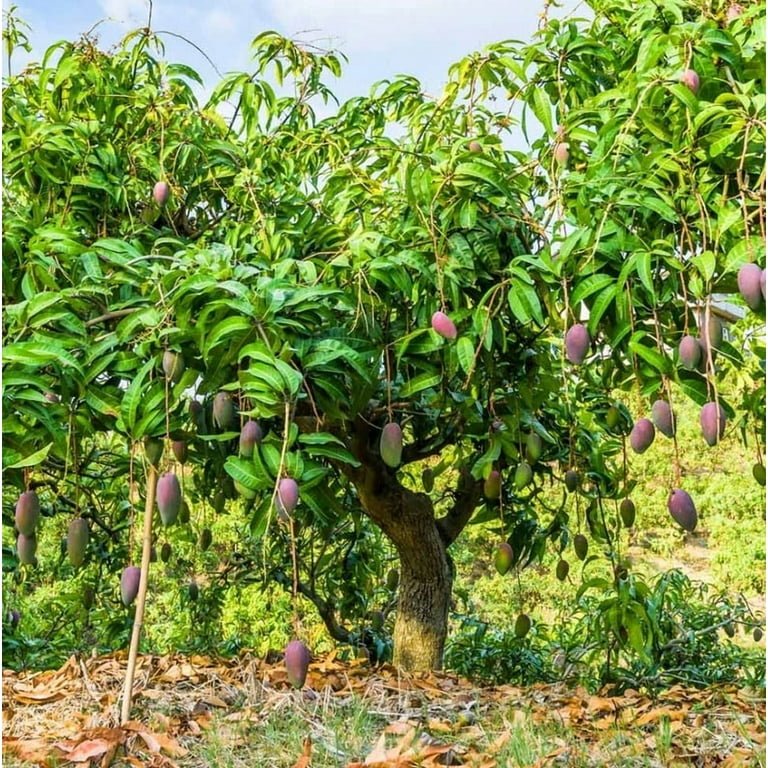
The Haden mango tree grows vigorously and can become quite large if not pruned. Mature trees can reach 30–40 feet tall with a broad, rounded canopy and dense foliage — ideal for providing shade and producing abundant fruit.
Climate Requirements
- Temperature: Thrives best in tropical and subtropical climates. It prefers warm, frost-free conditions and does not tolerate freezing temperatures.
- Sunlight: Requires full sun exposure for maximum fruiting and color development.
- Rainfall: Prefers a dry period before flowering but consistent moisture during fruit formation.
Soil
Haden mango trees grow best in well-draining sandy or loamy soil with a slightly acidic to neutral pH (6.0–7.5). Avoid waterlogged areas, as mango roots are sensitive to standing water.
4. Flowering and Fruiting Season
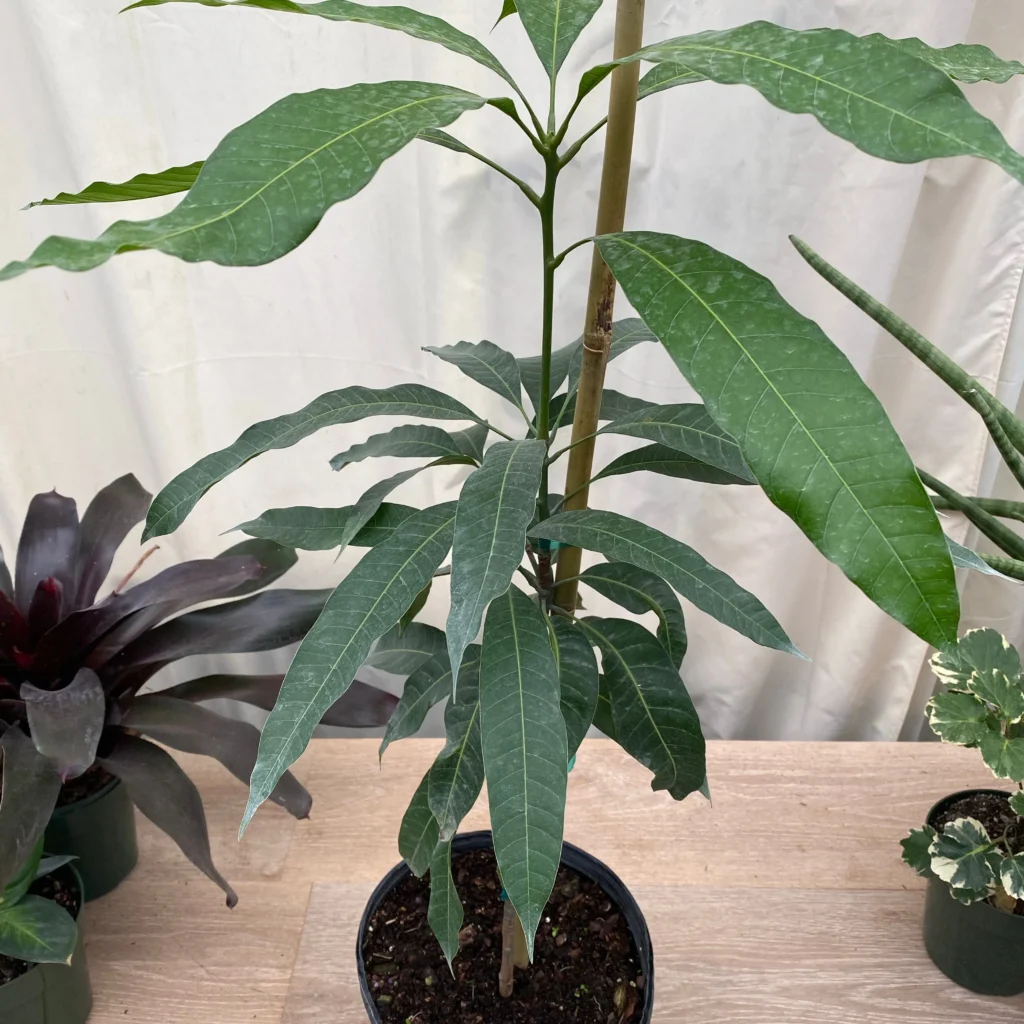
In Florida, Haden mango trees typically flower from January to March, with fruits ripening between May and July.
The tree produces large clusters of small yellowish flowers, which attract bees and other pollinators. Once pollinated, the fruits develop over the next 3–4 months.
By early summer, the tree’s branches hang heavy with colorful fruit — often ripening unevenly, which means you can enjoy a harvest spread over several weeks.
5. Caring for a Haden Mango Tree: Tips for Healthy Growth
a) Watering
While young trees need regular watering, mature Haden mango trees are drought-tolerant. Water deeply once every 7–10 days during the growing season. Reduce watering in winter to encourage flowering.
b) Fertilization
Feed your mango tree with a balanced fertilizer (10-10-10) when young. As it matures, switch to a low-nitrogen, high-potassium fertilizer (5-10-10) to support fruit development.
Apply fertilizer three times a year:
- Early spring (pre-flowering)
- Mid-summer (fruiting period)
- Late fall (before dormancy)
c) Pruning
Haden mango trees tend to grow large, so annual pruning is essential to maintain shape and accessibility. Prune immediately after harvest to:
- Remove dead or crossing branches.
- Maintain an open canopy for better airflow.
- Keep the tree under 12–15 feet tall for easier harvesting.
6. Common Challenges with Haden Mango Trees
While beautiful and productive, Haden mango trees are not without issues. Over time, growers discovered a few challenges with this classic variety.
a) Disease Susceptibility
Haden mangoes can be prone to anthracnose and powdery mildew, especially in humid environments. These fungal diseases affect flowers, leaves, and fruits, causing black spots or fruit drop.
Prevention tips:
- Ensure good air circulation by pruning regularly.
- Apply copper-based fungicides during the flowering season.
- Avoid overhead watering that leaves foliage wet overnight.
b) Alternate Bearing
Haden mango trees are known for alternating heavy and light crops every other year. This natural cycle can be mitigated by maintaining consistent feeding, pruning, and pest management routines.
c) Fruit Fiber and Ripening
While many people love the traditional flavor of Haden mangoes, some modern consumers find them slightly fibrous compared to newer varieties like Kent or Nam Doc Mai. Additionally, Haden fruit ripens quickly and doesn’t store as long, so they’re best consumed fresh.
7. How to Grow Haden Mangoes in Containers
If you live outside tropical regions — such as in California, Texas, or even the Mediterranean — you can still enjoy growing a Haden mango in a pot.
Here’s how:
- Use a 20–25 gallon container with excellent drainage.
- Choose a dwarf rootstock or grafted sapling for manageable size.
- Keep the tree in full sunlight (6–8 hours daily).
- Move indoors or to a greenhouse if temperatures drop below 10°C (50°F).
- Fertilize monthly during the growing season and reduce watering during winter dormancy.
Container-grown mango trees typically produce fewer fruits, but the quality remains superb.
8. Harvesting and Ripening the Haden Mango
Harvesting mangoes at the right time ensures the best flavor. For Haden mangoes:
- Fruits are ready when their skin turns bright yellow with red blush, and the shoulders fill out.
- The fruit should give slightly under gentle pressure and emit a sweet, fruity aroma near the stem.
After picking, allow them to ripen at room temperature for 3–5 days. Once ripe, store them in the refrigerator to prolong freshness for another week.
9. Taste Test: Why Gardeners Still Love the Haden Mango
Despite newer cultivars with improved disease resistance and longer shelf life, the Haden mango continues to win hearts. It represents the authentic tropical flavor that started it all.
Many Florida gardeners grow Haden mango trees not just for their fruit, but also for sentimental and historical reasons. The trees are beautiful, productive, and embody the state’s tropical heritage.
When fully ripe, the fruit’s sweet, aromatic, and slightly tangy flavor makes it perfect for:
- Fresh eating
- Mango salsa or chutney
- Smoothies and tropical desserts
- Homemade jams and sauces
10. Comparing Haden with Other Mango Varieties
| Feature | Haden | Kent | Keitt | Tommy Atkins |
|---|---|---|---|---|
| Season | Early–mid (May–July) | Mid–late (June–August) | Late (August–October) | Mid (June–August) |
| Flavor | Sweet & tangy, aromatic | Sweet, low acid | Mildly sweet | Mild, fibrous |
| Texture | Slightly fibrous | Smooth, juicy | Firm, low fiber | Firm, fibrous |
| Color | Red-blushed yellow | Green-yellow | Green with blush | Red-orange |
| Shelf Life | Short | Long | Very long | Long |
This comparison shows why the Haden mango remains a flavor benchmark even as new hybrids dominate commercial markets.
11. Propagating Haden Mango Trees
While it’s possible to grow mango trees from seed, note that Haden mangoes are monoembryonic, meaning their seeds won’t produce true-to-type offspring.
To grow a true Haden mango:
- Purchase a grafted plant from a reputable nursery.
- Use a polyembryonic rootstock like Turpentine for strength and disease resistance.
- If experimenting with seeds, expect variation — sometimes you might get lucky and produce a unique, delicious hybrid!
12. Why Haden Mangoes Matter Today
The Haden mango is not just a fruit — it’s a piece of agricultural history. It transformed mango cultivation in the Western Hemisphere, bringing tropical flavor and color to the U.S. market and inspiring decades of breeding innovation.

In an age where commercial mangoes are bred for transport durability, the Haden remains a symbol of authentic, tree-ripened flavor. Gardeners and tropical fruit enthusiasts continue to grow it for its nostalgic charm, rich taste, and beauty.
Final Thoughts
The Haden mango is the perfect blend of heritage and flavor. It paved the way for Florida’s mango industry and continues to hold its place as one of the most cherished tropical fruits.
If you live in a warm climate — or can provide greenhouse protection — growing a Haden mango tree offers not just delicious fruit but also a living link to Florida’s tropical history.
From its radiant skin to its sweet, aromatic flesh, every bite of a Haden mango tells the story of passion, discovery, and the beauty of tropical gardening.

Leave A Comment