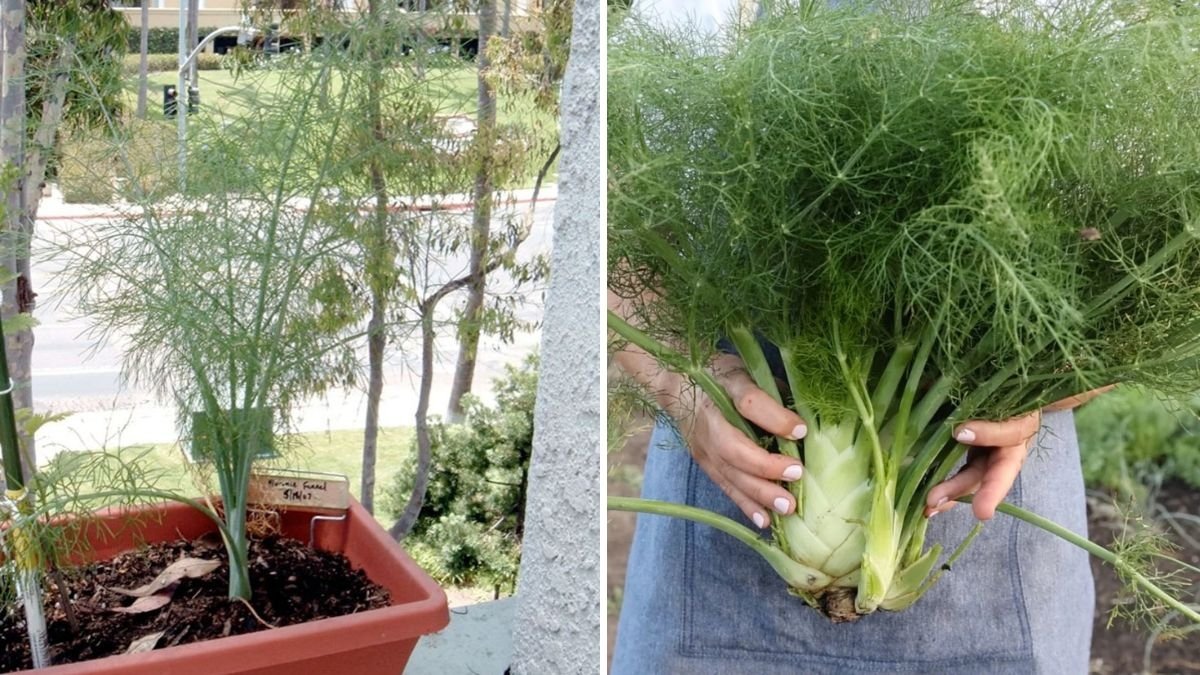
Fennel (Foeniculum vulgare var. azoricum), also known as Florence fennel or bulbing fennel, is one of those garden treasures that delights both the gardener and the cook. With its aromatic leaves, crisp white bulbs, and sweet anise-like flavor, fennel adds elegance to any kitchen garden—and the good news is, you don’t need a large garden to grow it successfully.
Growing fennel from seed in containers is easier than many people think. Whether you’re an urban gardener with limited space or someone who simply loves the convenience of container gardening, fennel can thrive beautifully in pots when given the right conditions. In this detailed guide, we’ll walk you through everything you need to know—from seed sowing to harvest—so you can enjoy your own homegrown Florence fennel right on your patio or balcony.
Understanding Fennel: A Versatile and Flavorful Herb
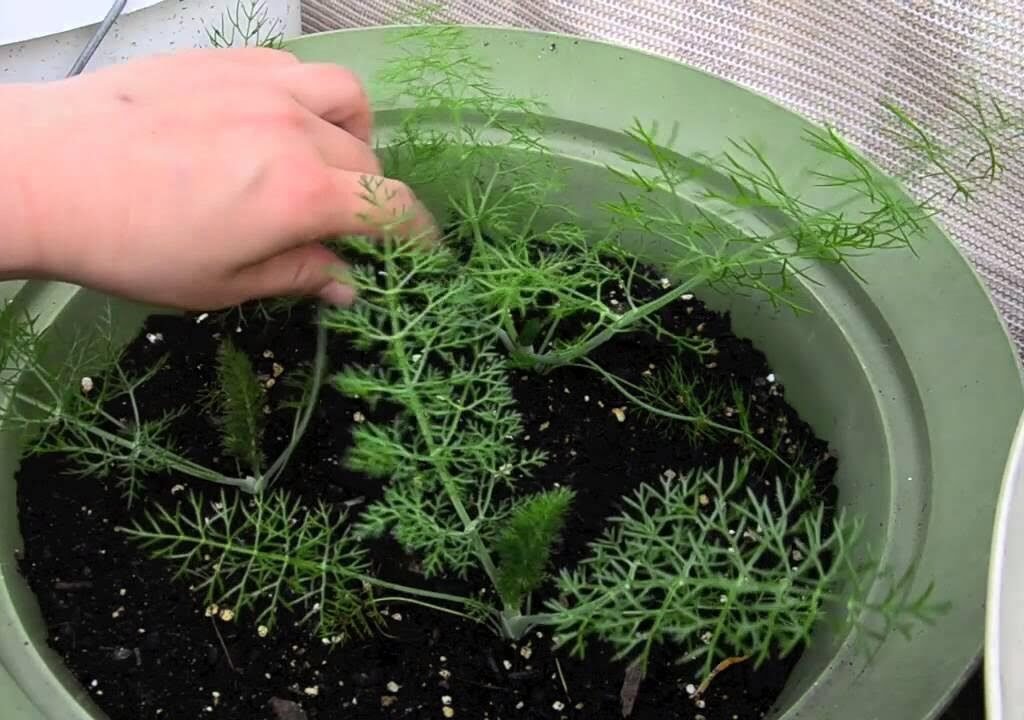
Fennel is a Mediterranean native known for its aromatic flavor that’s reminiscent of licorice or anise. It’s both a herb and a vegetable, depending on the part of the plant you use.
- Herb fennel (common fennel) is grown primarily for its feathery leaves and seeds, often used for flavoring dishes, teas, and spice blends.
- Bulbing fennel (Florence fennel) forms a crisp, layered bulb at the base that can be eaten raw or cooked.
When growing fennel in containers, Florence fennel is the best variety to choose if you want those delicious white bulbs used in salads, roasted dishes, and soups.
Benefits of Growing Fennel in Containers
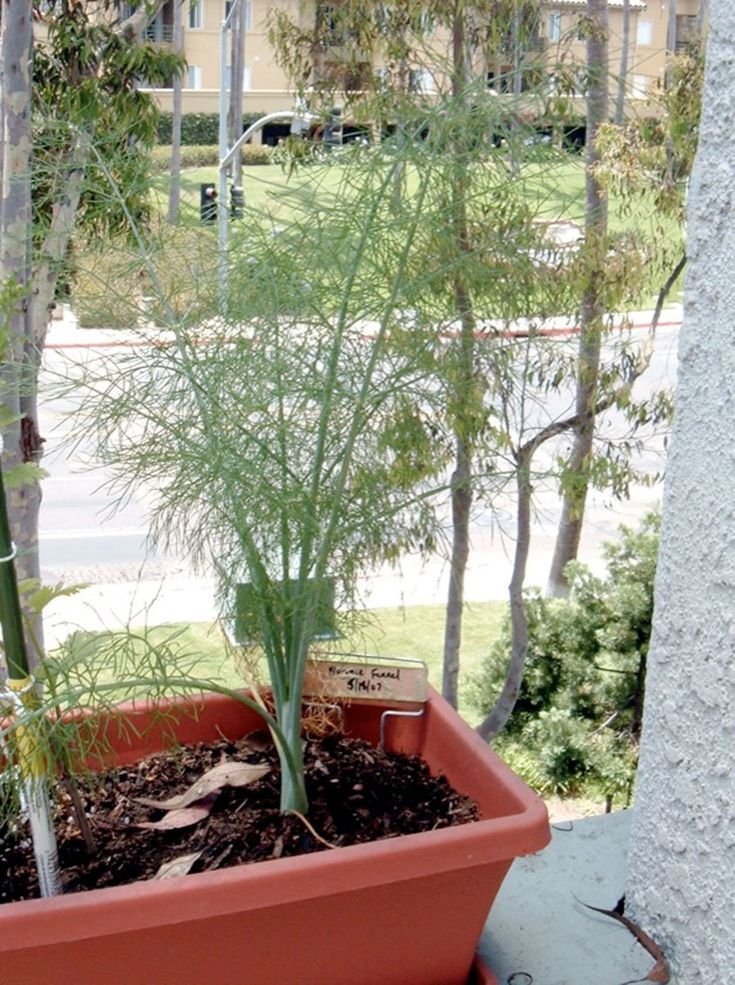
Container gardening offers flexibility and control, and fennel adapts perfectly to it. Here’s why it’s a great choice for pot cultivation:
- Space Efficiency: You can grow fennel on a balcony, patio, or even a sunny windowsill.
- Pest Control: Containers reduce pest problems, especially from slugs and root nematodes.
- Better Soil Management: You can easily create the perfect soil mix for fennel’s needs.
- Easy Maintenance: Watering, weeding, and harvesting are much more manageable.
- Mobility: If the sun becomes too intense, you can move your containers for optimal light exposure.
Best Varieties of Bulbing Fennel for Containers
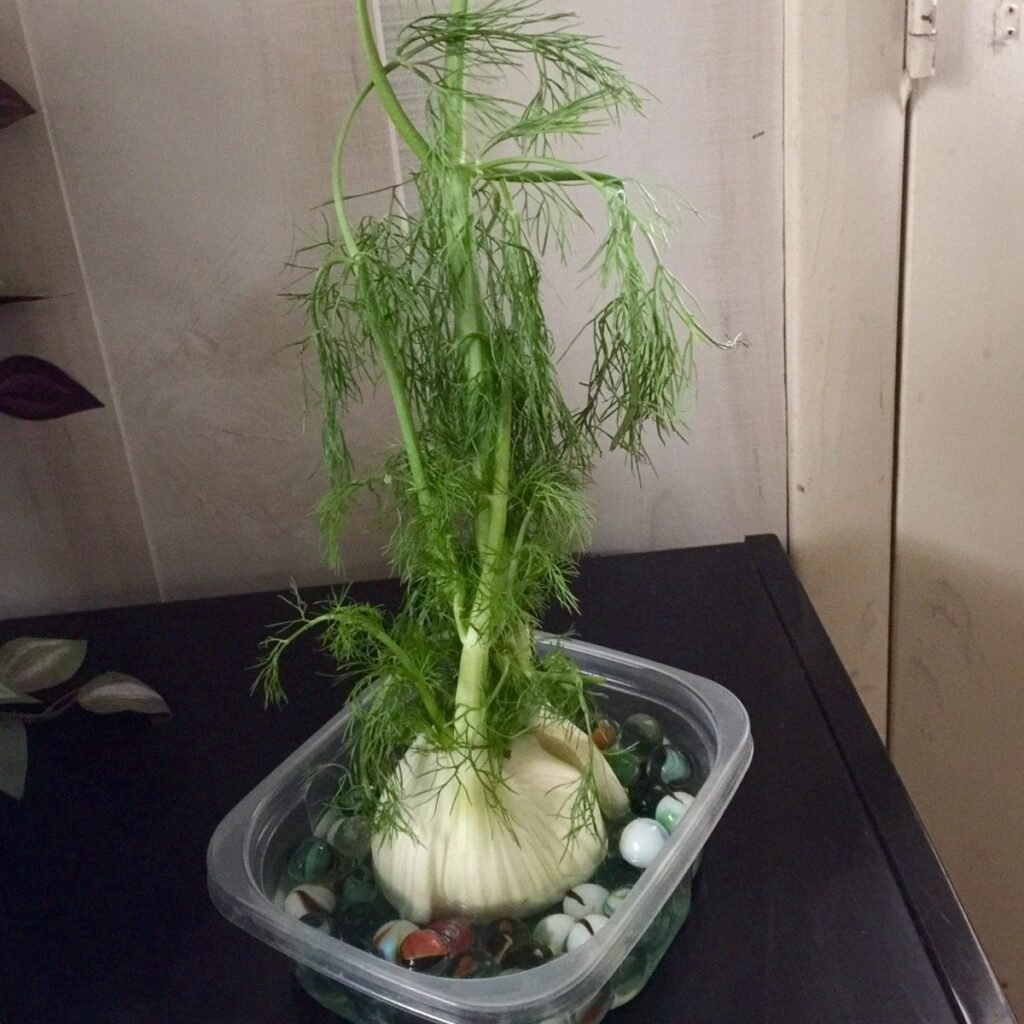
When growing fennel from seed, choosing the right variety is crucial. Look for compact, fast-growing varieties that perform well in limited space:
- ‘Perfection’ – Reliable, sweet flavor, forms nice round bulbs.
- ‘Zefa Fino’ – Early-maturing and heat-tolerant, perfect for containers.
- ‘Romanesco’ – Produces large bulbs with mild flavor, great for cooler climates.
- ‘Orion’ – Resistant to bolting and excellent for spring or summer sowing.
Choosing the Right Container
Fennel develops long taproots and needs enough room for both the bulb and roots to expand. Therefore, container size matters.
- Minimum depth: 12–14 inches (30–35 cm)
- Minimum width: 10–12 inches (25–30 cm) per plant
- Material: Use terracotta, fabric grow bags, or deep plastic containers with drainage holes.
Avoid shallow pots, as fennel’s roots need depth to support bulb formation.
Ideal Soil Mix for Fennel
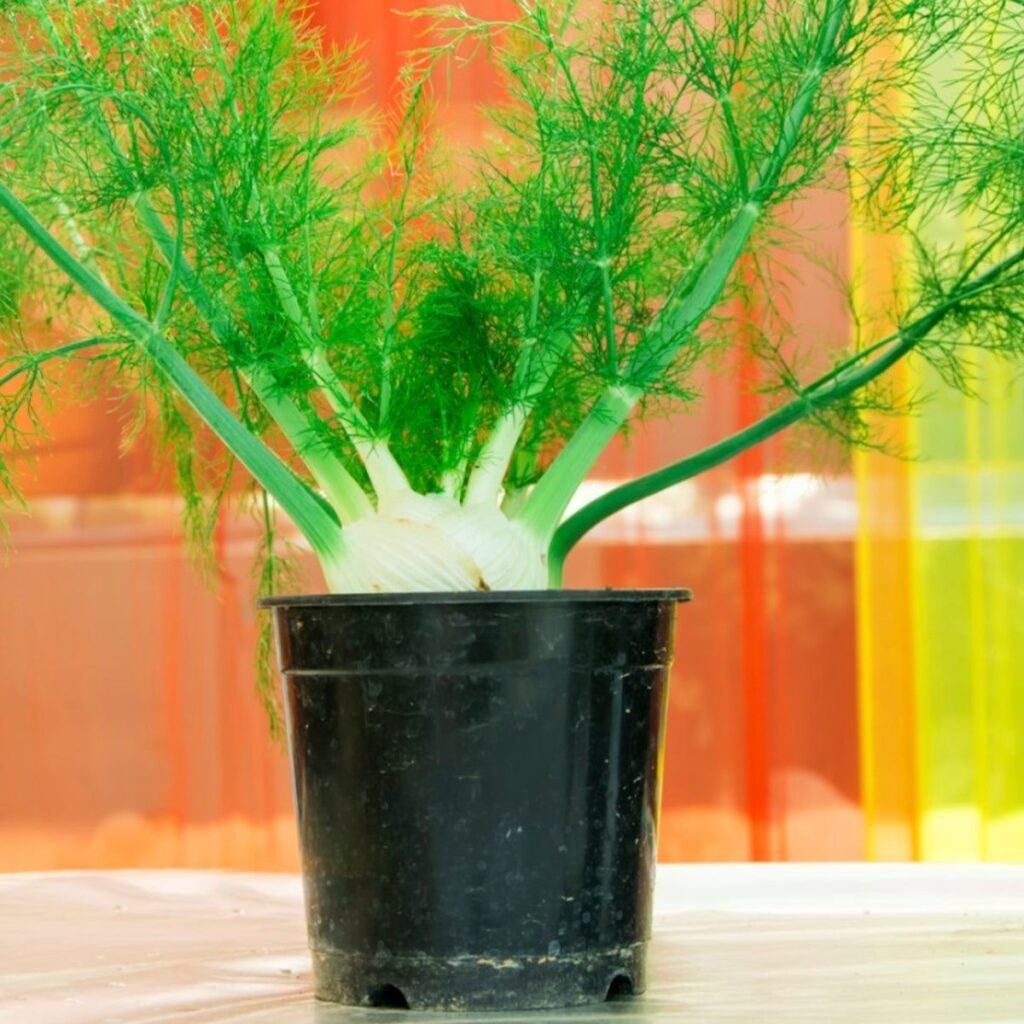
Florence fennel prefers rich, well-draining soil that holds moisture without becoming soggy. For containers, prepare a mix that ensures aeration and fertility:
Recommended potting mix:
- 1 part high-quality garden soil
- 1 part compost or well-rotted manure
- 1 part perlite or coarse sand (for drainage)
You can also add a handful of bone meal or an organic vegetable fertilizer at planting time to encourage strong bulb growth.
How to Sow Fennel Seeds in Containers
Fennel doesn’t transplant well due to its sensitive taproot, so it’s best to sow directly into the final container. Follow these steps for success:
- Timing:
- For spring planting, sow seeds 2–3 weeks after the last frost when temperatures are above 15°C (60°F).
- For fall harvest, sow seeds in late summer to early autumn.
- Sowing Process:
- Fill the container with the prepared potting mix.
- Sow seeds ¼ inch (6 mm) deep, spacing them about 6 inches (15 cm) apart.
- Lightly cover with soil and gently water.
- Germination:
- Keep the soil moist but not waterlogged.
- Seeds typically germinate in 7–10 days in warm conditions.
Once seedlings emerge, thin them to allow the strongest plants room to grow.
Sunlight and Temperature Needs
Fennel loves sunlight and warmth. To ensure strong bulb and leaf development:
- Sunlight: At least 6–8 hours of full sun daily.
- Temperature: Ideal range is 15–25°C (60–77°F).
If you live in a hot region, protect your plants from harsh midday sun by moving containers to a slightly shaded area during peak hours.
Watering and Feeding Your Fennel Plants
Watering:
Consistent moisture is the key to plump, tender bulbs. Water whenever the top inch of soil feels dry. Avoid waterlogging, which can cause root rot.
Mulching:
Add a 1–2 inch layer of straw or compost mulch around the base to retain soil moisture and regulate temperature.
Feeding:
- After 3–4 weeks of growth, feed with a diluted liquid organic fertilizer every 2–3 weeks.
- Choose a balanced fertilizer (10-10-10) or one slightly higher in potassium to encourage bulb development.
Encouraging Bulb Formation
As fennel grows, you’ll notice leaf stalks thickening near the base—this is the start of bulb formation. To encourage fuller, sweeter bulbs:
- Keep soil consistently moist.
- Avoid root disturbance—never transplant fennel once established.
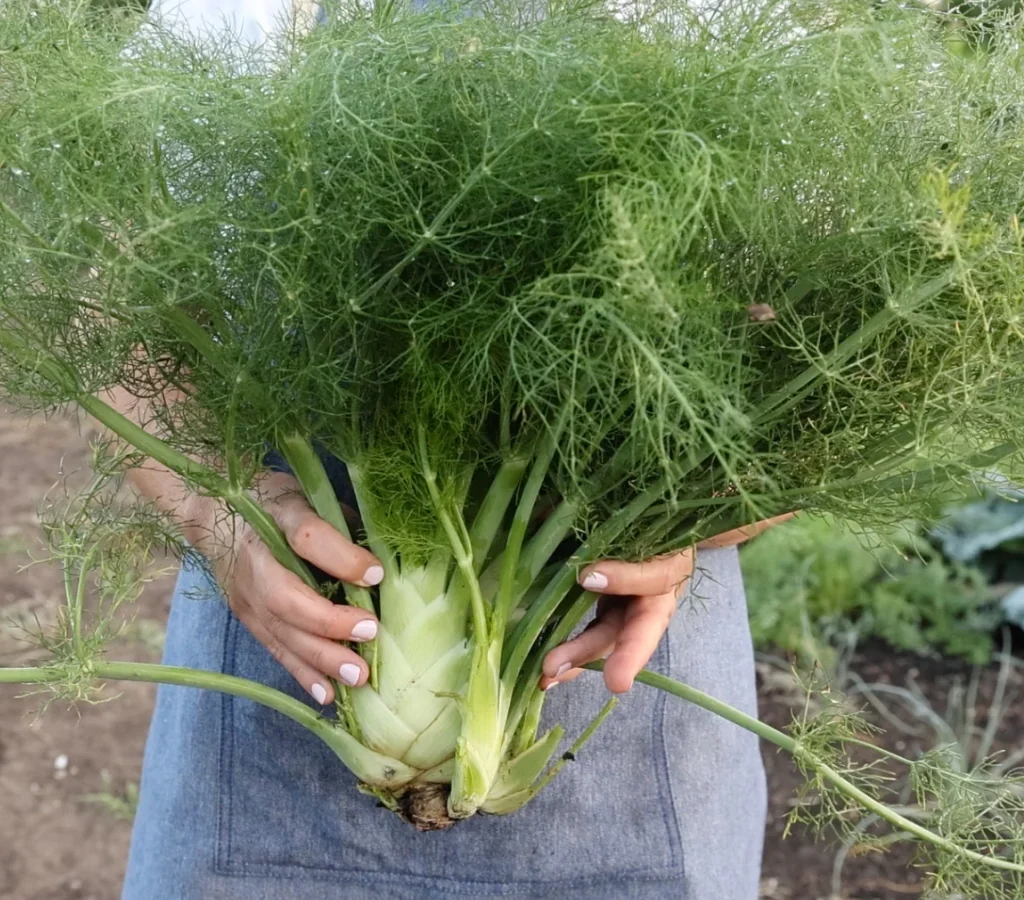
- Earth up (optional): When bulbs begin to form, gently mound soil or compost around them. This “blanching” technique keeps bulbs white and tender.
Preventing Bolting (Premature Flowering)
Bolting is when fennel starts to flower before forming a full bulb—a common issue caused by heat stress or irregular watering. To prevent this:
- Keep the soil evenly moist.
- Avoid exposing plants to extreme temperature fluctuations.
- Choose bolt-resistant varieties like ‘Zefa Fino’ or ‘Orion’.
- Do not overcrowd plants—adequate airflow reduces stress.
If your fennel does bolt, don’t worry! The leaves and flowers are still edible, and you can collect seeds for seasoning or next year’s planting.
Companion Plants for Container-Grown Fennel
Fennel has strong aromatic oils that can affect nearby plants, so choose companions wisely. In containers, it’s best grown alone or with herbs that tolerate its presence.
Best companions:
- Dill
- Sage
- Thyme
- Mint (in separate containers)
Avoid planting fennel near beans, tomatoes, or most leafy greens, as it can inhibit their growth.
Common Problems and Solutions
- Bolting Too Early
- Caused by heat or dry soil. Keep consistent watering and grow in moderate weather.
- Aphids or Caterpillars
- Use neem oil spray or introduce beneficial insects like ladybugs.
- Root Rot
- Ensure proper drainage and avoid overwatering.
- Small or Flat Bulbs
- This usually happens due to overcrowding or insufficient sunlight. Thin seedlings and provide full sun exposure.
Harvesting Florence Fennel
You can start harvesting bulbs around 90–110 days after sowing, depending on the variety. Here’s how:
- Harvest bulbs when they reach 2.5–4 inches (6–10 cm) in diameter.
- Use a sharp knife to cut the bulb just above the soil line.
- Leave the roots intact—new shoots may grow for a second, smaller harvest.
For the most tender bulbs, harvest before the plant starts flowering.
Bonus tip: Don’t discard the fronds (feathery leaves)! They make an excellent garnish for fish, salads, or soups, adding a subtle anise aroma.
Saving Fennel Seeds
If you let a few plants bolt and flower, you can collect your own seeds for next season. Once the flower heads dry and turn brown, cut them and shake gently over a bowl to collect the seeds. Dry them thoroughly and store them in airtight containers.
Fennel seeds are also culinary treasures—use them in teas, curries, and baking for a sweet, aromatic touch.
Using Homegrown Fennel in the Kitchen
Florence fennel is a culinary powerhouse. Its bulb, fronds, and seeds can all be used in different dishes:

- Bulb: Slice raw into salads for crunch and sweetness, or roast it to bring out caramelized, nutty flavors.
- Fronds: Chop and sprinkle over seafood, pasta, or soups for freshness.
- Seeds: Toast and use as seasoning in meat dishes or bread.
Popular dishes include roasted fennel with olive oil and parmesan, creamy fennel soup, and braised fennel with lemon and herbs.
Final Thoughts
Growing fennel from seed in containers is a rewarding way to bring both flavor and beauty to your garden space. With the right care, this Mediterranean delight will reward you with plump, aromatic bulbs and lush green fronds for months.
Whether you’re cooking up a hearty stew, preparing fresh salads, or adding a gourmet touch to your kitchen, homegrown Florence fennel brings a unique, aromatic sweetness you just can’t get from the store.
So, grab your seeds, prepare your containers, and start your fennel-growing journey today—your taste buds (and your garden) will thank you!

Leave A Comment