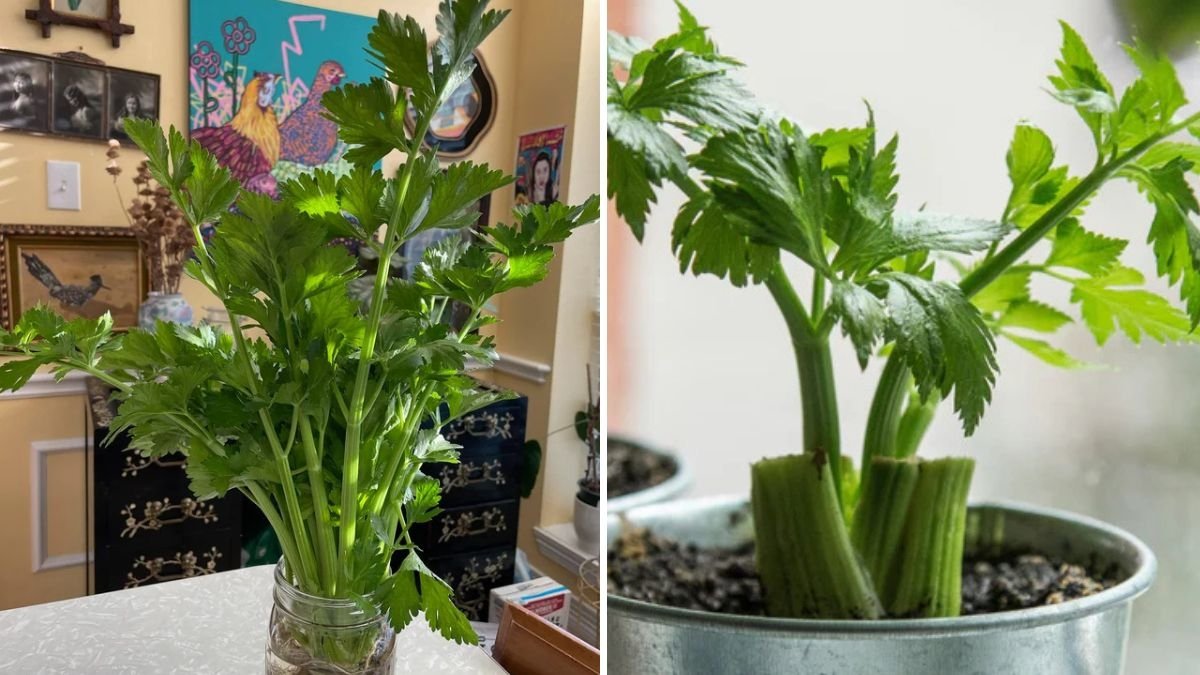
Celeriac, also known as celery root, is one of those underrated root vegetables that deserves more attention in home gardens. Though it might look gnarly on the outside, inside lies a delicious, aromatic root with a delicate celery-like flavor and smooth texture that’s perfect for soups, stews, and roasted dishes. What’s more, it’s quite simple to grow in containers or grow bags — making it a fantastic choice for small-space gardeners.
If you’re ready to cultivate this unique vegetable from seed to harvest, this detailed guide will walk you through how to grow celeriac successfully, even if you’re new to gardening.
Understanding Celeriac (Celery Root)
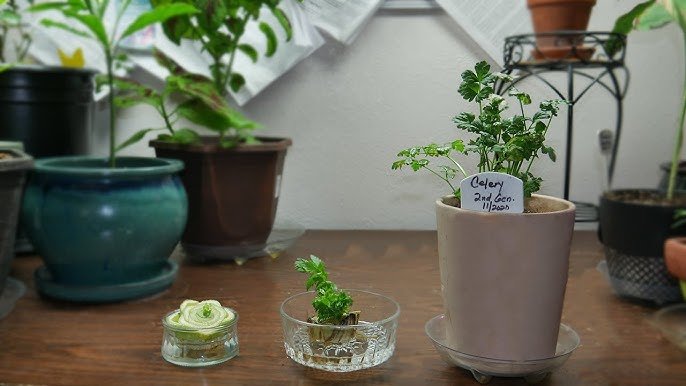
Celeriac (Apium graveolens var. rapaceum) is a cool-season crop closely related to celery. Instead of growing tall, fibrous stalks, celeriac develops a swollen, knobby root that sits partly above the soil surface. It has a mild, nutty, and slightly sweet flavor — like a cross between celery and parsley — and can be enjoyed raw or cooked.
Celeriac has a long growing season — about 120 to 150 days from seed to harvest — so starting early and giving it consistent care are key.
Why Grow Celeriac in Containers or Grow Bags?
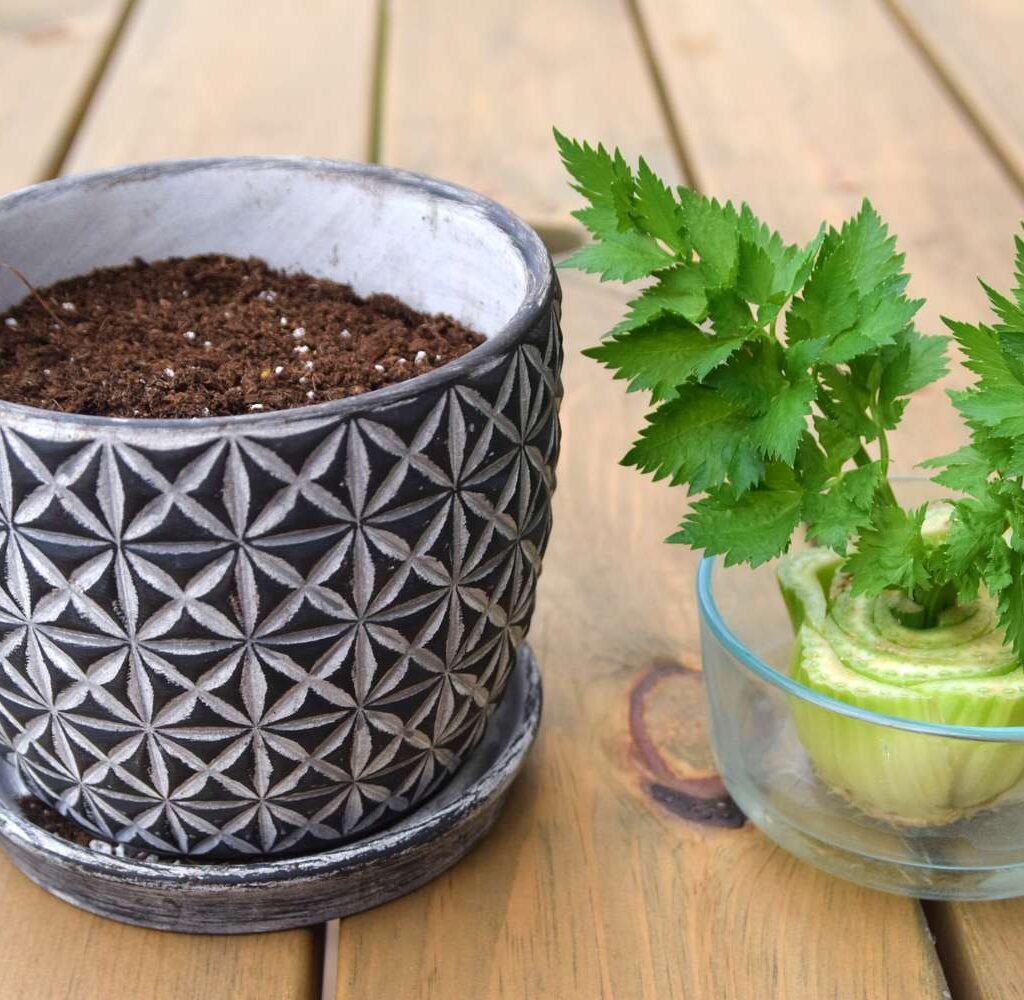
Growing celeriac in containers or grow bags offers several benefits:
- Better control over soil quality and moisture
- Fewer pest and disease problems compared to in-ground planting
- Space efficiency, making it ideal for balconies, patios, or small gardens
- Ease of harvest, since roots are accessible and less compacted
With the right setup, you can grow large, healthy roots in containers that rival any garden-grown crop.
Step 1: Choosing the Right Variety
Some excellent celeriac varieties for container gardening include:
- ‘Monarch’ – Known for smooth, round roots and mild flavor.
- ‘Brilliant’ – Produces uniform, white-fleshed bulbs with great texture.
- ‘Giant Prague’ – An heirloom favorite with large roots and a rich flavor.
- ‘President’ – Reliable performer with strong disease resistance.
Choose a variety suited to your local climate and available growing season length.
Step 2: Starting Celeriac from Seed
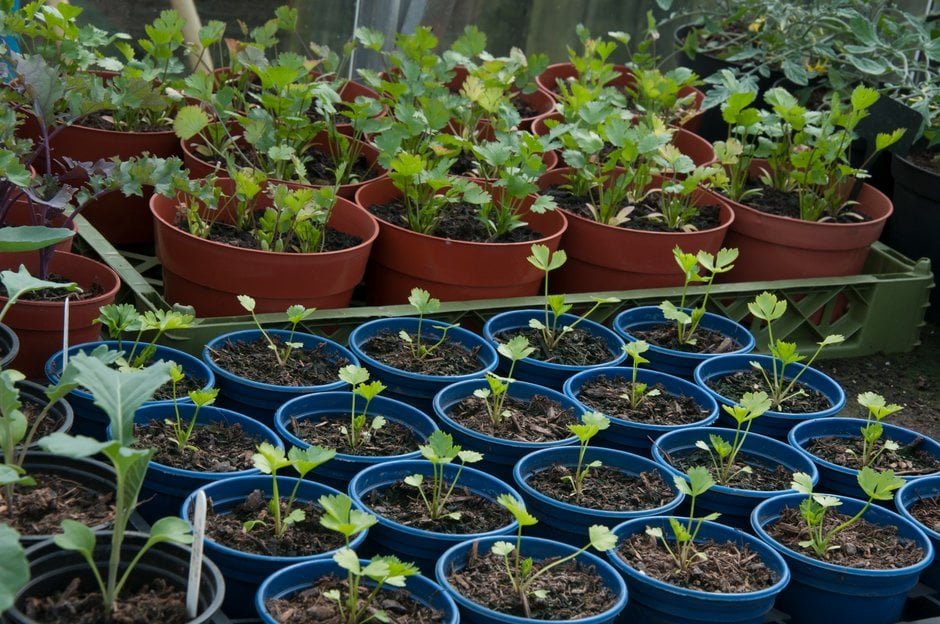
Celeriac seeds are tiny and slow to germinate, so patience is key.
When to start seeds:
Start seeds 10–12 weeks before your last expected frost date. Celeriac prefers cool growing conditions, so aim to transplant it outdoors once daytime temperatures reach around 50–60°F (10–15°C).
How to sow seeds:
- Fill seed trays or small pots with a fine, moist seed-starting mix.
- Gently press the seeds onto the surface — they need light to germinate, so don’t bury them deeply.
- Mist with water and cover with a clear lid or plastic wrap to maintain humidity.
- Keep the trays in a warm spot (70°F/21°C) until germination.
Seeds typically take 2–3 weeks to sprout. Once seedlings appear, move them to a bright location or under grow lights for 12–14 hours a day.
Step 3: Transplanting Seedlings
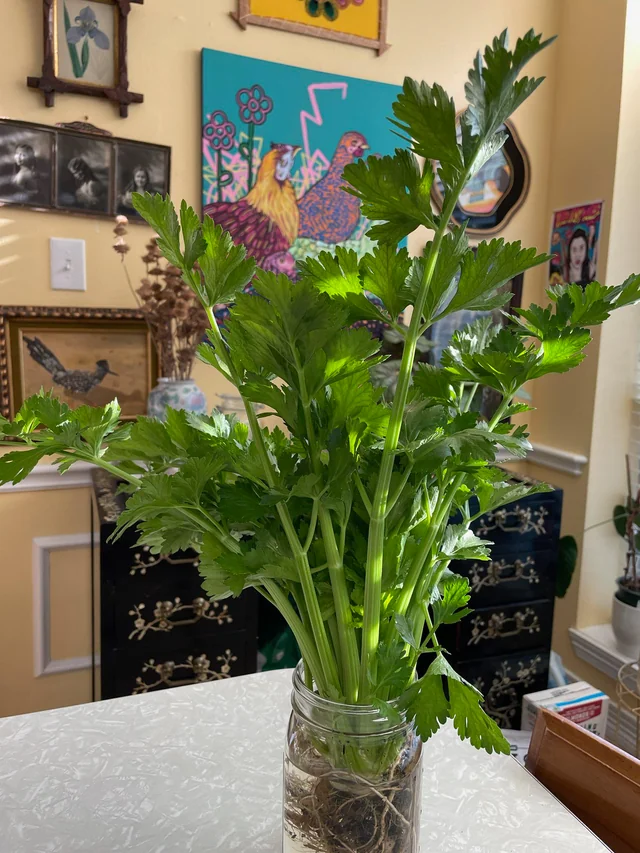
When your celeriac seedlings are 4–6 inches tall and have several true leaves, they’re ready to move into containers or grow bags.
Container requirements:
- Size: At least 12–14 inches deep and 12–16 inches wide per plant.
- Soil: Use a rich, well-draining mix — combine garden soil, compost, and coco peat or perlite for aeration.
- pH: Celeriac prefers slightly acidic to neutral soil (6.0–7.0).
Before transplanting, harden off seedlings by placing them outdoors for a few hours each day over a week to help them adjust to outdoor conditions.
Gently transplant seedlings, setting them slightly deeper than they were in their pots. Firm the soil around the base and water well.
Step 4: Watering and Feeding
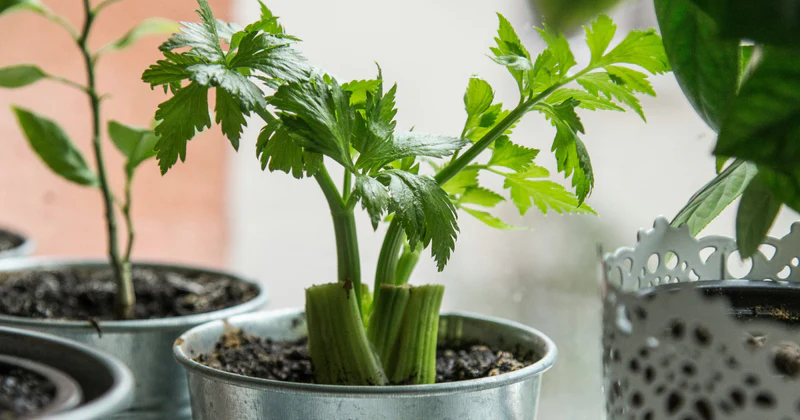
Celeriac loves consistent moisture, especially while roots are developing. Uneven watering can result in woody or cracked roots.
Watering tips:
- Keep the soil evenly moist but not waterlogged.
- During hot weather, you may need to water daily.
- Mulch around the plants to help retain moisture and keep the roots cool.
Fertilization:
Celeriac is a heavy feeder.
- Mix compost or well-rotted manure into the soil before planting.
- Apply a balanced liquid fertilizer (10-10-10) every 2–3 weeks.
- Once roots start swelling, switch to a low-nitrogen fertilizer to encourage bulb growth instead of leaf growth.
Step 5: Sunlight and Temperature
Celeriac thrives in full sun to partial shade — aim for 6–8 hours of direct sunlight daily.
Ideal growing temperatures are between 50°F and 70°F (10–21°C). Prolonged hot weather can stress the plant, so in warmer climates, provide light shade during midday and keep the soil cool with mulch.
Step 6: Pruning and Maintenance
To help roots develop properly:
- Remove outer leaves that turn yellow or lie on the soil surface.
- Periodically trim side roots or surface shoots that compete for nutrients.
- As the root begins to swell, gently brush away excess soil around the base so that the top of the bulb sits above the surface. This prevents rot and improves shape.
Keep an eye out for slugs, snails, and aphids. Hand-pick pests or use organic deterrents like neem oil or diatomaceous earth.
Step 7: Companion Planting
Celeriac grows well alongside plants that repel pests and improve soil health. Ideal companions include:

- Leeks – Help deter carrot flies.
- Cabbage family crops – Benefit from similar soil and water conditions.
- Onions and garlic – Repel aphids and beetles.
Avoid planting near carrots or celery, as they attract similar pests and diseases.
Step 8: Harvesting Celeriac
Celeriac takes about 120–150 days from sowing to reach full maturity.
You can begin harvesting when the bulbs are 3–4 inches wide, though larger roots (up to 6 inches) have more developed flavor. Use a small hand fork to gently lift the bulb from the soil, being careful not to damage the root.
Harvest before the first hard frost. In cool regions, you can mulch heavily and leave celeriac in the ground for a few weeks into early winter.
Step 9: Storing and Using Celeriac
Celeriac stores beautifully for winter use if handled properly.
- Trim the leaves to about 1 inch above the bulb.
- Brush off soil (don’t wash until ready to use).
- Store in a cool, humid environment (32–40°F / 0–4°C), like a root cellar or refrigerator.
It can last up to 3–4 months when stored correctly.
Culinary uses:

- Mash it like potatoes.
- Slice it thinly for salads or slaws.
- Roast it for a nutty, caramelized flavor.
- Puree it into soups or stews for a creamy texture.
Step 10: Saving Seeds (Optional)
If you’d like to grow celeriac again next season, save seeds from mature plants. Celeriac is biennial, so it flowers in the second year. Leave one or two plants in the ground over winter (or transplant to a sheltered area) and collect the small seeds once the flower heads dry.
Store them in a cool, dry place, and they’ll remain viable for up to 3 years.
Final Thoughts
Growing celeriac from seed to harvest might take patience, but the reward is absolutely worth it. With its rich, earthy flavor and versatility in the kitchen, this vegetable adds both taste and variety to your garden harvest. When grown in containers or grow bags, you can enjoy fresh celery root even in limited spaces — all while keeping full control over your growing conditions.
So, start your seeds early, keep the soil moist, and give your plants plenty of sun. By the time autumn arrives, you’ll have a batch of beautiful, aromatic celeriac roots ready to transform your soups, salads, and stews.

Leave A Comment