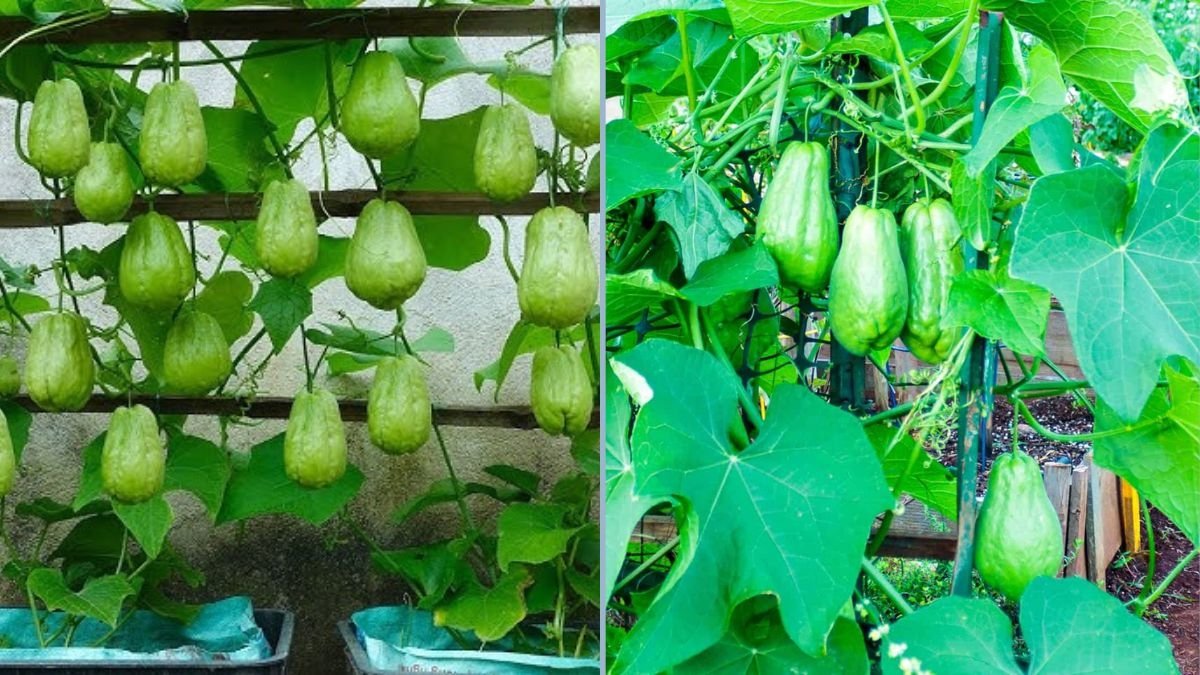
Chayote squash, also known as vegetable pear or mirliton, is a versatile, heat-loving vine native to Mexico and Central America. Its crisp, mild-flavored fruit can be eaten raw, cooked, or pickled, making it a popular choice for home gardeners. While chayote typically thrives in warm climates, it is entirely possible to grow it successfully in colder climates with the right techniques. This guide will walk you through everything you need to know—from planting to harvesting—to grow healthy chayote squash in cooler regions.
What is Chayote Squash?
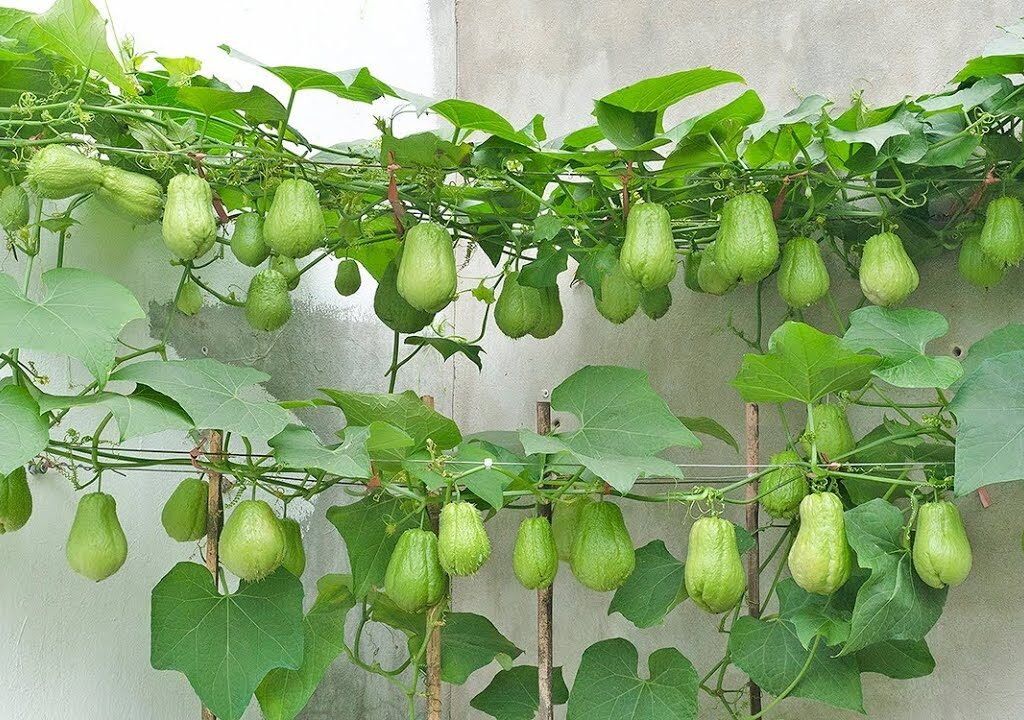
Chayote squash (Sechium edule) is a fast-growing perennial vine that produces light green, pear-shaped fruits. Each fruit contains a single large seed, which is actually the edible part of the plant when sprouted. The plant’s tender leaves, shoots, and roots are also edible in some cuisines, making it a highly versatile vegetable.
Chayote is packed with nutrients, including vitamin C, folate, potassium, and fiber, making it an excellent addition to a healthy diet. Its crisp texture and mild flavor make it ideal for stir-fries, soups, salads, and even baked dishes.
Why Grow Chayote in Colder Climates?
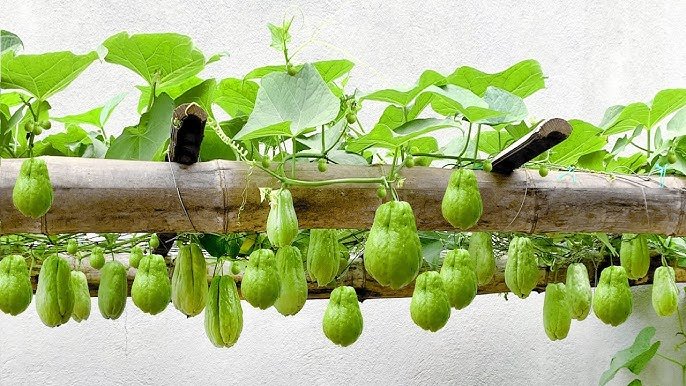
Growing chayote in colder climates presents unique challenges, but the rewards are worth it:
- Extended growing season: With proper techniques, you can mimic warm conditions for the plant.
- Homegrown freshness: Enjoy organic, pesticide-free chayote.
- Versatility: The plant produces edible fruit, shoots, and leaves.
- Nutritional benefits: Rich in vitamins, minerals, and fiber.
With some planning, it’s possible to grow this tropical squash even where frost is common.
Choosing the Right Chayote Variety
There are several varieties of chayote, but most home gardeners opt for the green-skinned variety, which is the most common and easiest to grow. Some varieties are better suited for cooler climates due to slightly shorter growing seasons or more vigorous vines.

When buying seeds or fruits to grow:
- Choose plump, healthy chayote fruits with no soft spots or signs of decay.
- Select fruits that are firm and free from blemishes to ensure strong germination.
Materials Needed for Growing Chayote
Before planting, gather the following:
- Chayote fruits – Choose healthy fruits for planting.
- Large containers or raised beds – At least 12–18 inches deep.
- Rich, well-draining soil – Loamy soil with organic compost is ideal.
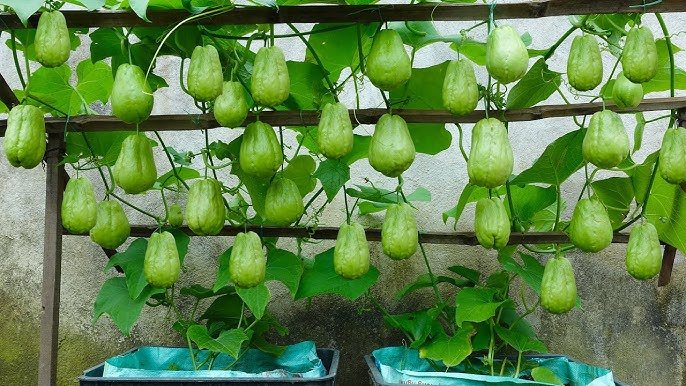
- Trellis or support structure – Vines can grow 10–12 feet long.
- Fertilizer – Organic compost or balanced fertilizers to promote fruiting.
- Water source – Consistent moisture is critical.
Optional: Row covers or greenhouse for frost protection.
Step 1: Preparing Chayote for Planting
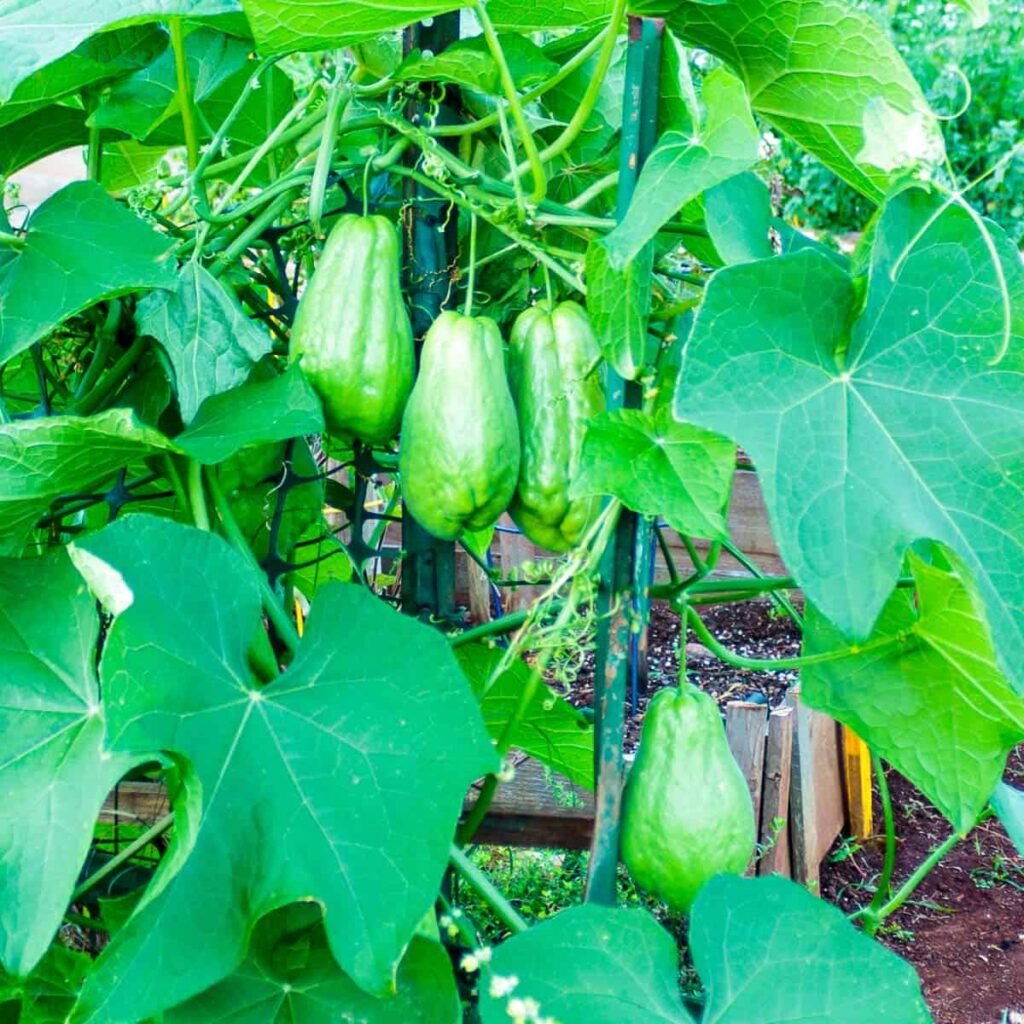
Chayote grows from the fruit itself, which contains a single large seed:
- Select a mature fruit that is firm and free of soft spots.
- Soak the fruit in warm water for 24 hours to encourage sprouting.
- Plant the fruit sideways with the pointed end slightly above the soil surface.
- Planting depth: Cover the bottom half of the fruit with soil and leave the top half exposed.
Tip: In colder climates, start the fruit indoors in pots or containers 4–6 weeks before the last frost date.
Step 2: Choosing the Right Location
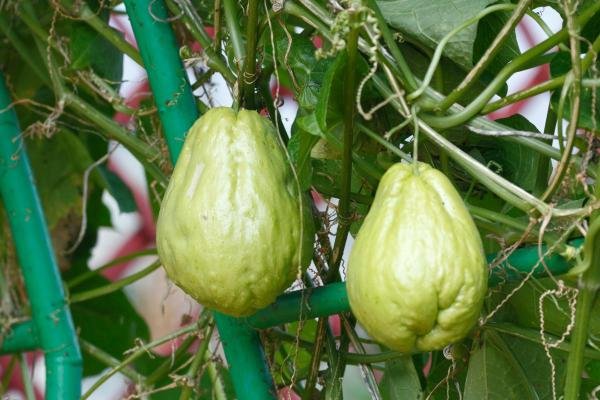
Chayote squash requires:

- Full sunlight: At least 6–8 hours daily for optimal growth.
- Protection from frost: Use a greenhouse, cold frame, or row covers to keep young plants warm.
- Support for climbing: Vines need a strong trellis, fence, or vertical structure to grow upward.
For colder climates, starting indoors or in a greenhouse ensures plants receive enough warmth before transplanting outdoors.
Step 3: Soil Preparation
Chayote thrives in loamy, well-draining soil enriched with organic matter.
- pH: Aim for 6.0–6.8 for optimal nutrient uptake.
- Compost: Mix compost into the soil to improve fertility and retain moisture.
- Drainage: Ensure soil drains well to prevent root rot.
Raised beds or containers work well in colder climates, as they warm up faster than in-ground soil.
Step 4: Planting Chayote
- Spacing: Place plants 3–5 feet apart to allow room for vines.
- Depth: Plant half of the fruit in soil and leave the top exposed.
- Orientation: Plant sideways or with the sprout pointing upward.
- Watering: Keep soil consistently moist but not soggy.
Transplanting from indoor pots to outdoor beds is ideal after all frost danger has passed.
Step 5: Supporting Your Chayote Vines
Chayote is a vigorous climber:
- Trellis: Use a sturdy trellis or fence to support vines up to 10–12 feet long.
- Training: Gently tie young shoots to the trellis to guide growth.
- Pruning: Trim excess growth to encourage airflow and prevent overcrowding.
Vertical growth maximizes yield and reduces disease risk.

Step 6: Watering and Fertilizing
Chayote requires consistent moisture:
- Watering: Water deeply 2–3 times per week, more often during dry spells.
- Mulching: Apply mulch around the base to retain soil moisture and regulate temperature.
- Fertilizing: Feed every 4–6 weeks with compost or a balanced fertilizer to support healthy foliage and fruit development.
Avoid overwatering, which can lead to root rot, especially in cooler climates.
Step 7: Pest and Disease Management
Common pests include:
- Aphids: Spray with neem oil or insecticidal soap.
- Whiteflies: Use yellow sticky traps or natural predators.
- Caterpillars: Handpick or use organic pesticides.
Common diseases:
- Powdery mildew: Ensure proper spacing and airflow.
- Root rot: Avoid waterlogged soil and provide well-draining beds.
Maintaining a clean growing environment and monitoring plants regularly reduces problems.
Step 8: Harvesting Chayote
Chayote squash is ready to harvest in 4–6 months, depending on growing conditions:

- Fruit size: Pick fruits when they reach 4–6 inches long and are firm.
- Method: Twist or cut fruits from the vine carefully to avoid damaging the plant.
- Continuous harvest: Regularly harvesting encourages more fruit production.
Tip: In colder climates, harvest before the first frost. Young fruits are tender and ideal for cooking.
Growing Chayote in Colder Climates
To succeed in colder regions:
- Start indoors: Plant chayote in pots 4–6 weeks before the last frost.
- Use greenhouses or cold frames: Protect plants from frost and extend the growing season.
- Container gardening: Large pots warm faster than in-ground soil and allow easy relocation.
- Choose microclimates: Plant near south-facing walls or protected areas for extra warmth.
These methods help tropical chayote thrive even in regions with shorter growing seasons.
Cooking and Enjoying Chayote
Chayote is versatile and can be prepared in many ways:
- Stir-fried: Sauté with garlic, chili, or soy sauce.
- Boiled or steamed: Great as a side dish or in soups.
- Raw: Slice thinly for salads or slaws.
- Pickled: Add vinegar and spices for a tangy treat.
Young leaves and shoots are also edible and can be used similarly to spinach.
Final Tips for Success
- Provide trellis support early to encourage vertical growth.
- Maintain consistent moisture without overwatering.
- Start indoors or use a greenhouse to protect against frost.
- Prune regularly to maximize airflow and fruit production.
- Monitor for pests and diseases regularly to prevent infestations.
With the right care, even gardeners in colder climates can enjoy a bountiful harvest of fresh, nutritious chayote squash.

Final Thoughts
Growing chayote squash in colder climates is entirely feasible with careful planning and attention. By starting seeds indoors, using trellises, providing consistent moisture, and protecting plants from frost, you can enjoy this tropical, nutrient-rich vegetable even far from its native warm regions. Whether you use it in stir-fries, soups, or salads, homegrown chayote brings freshness, flavor, and nutrition straight to your table.
Start growing chayote squash today and discover the joys of cultivating this tropical treasure in cooler regions!
Word count: 1,215

Leave A Comment