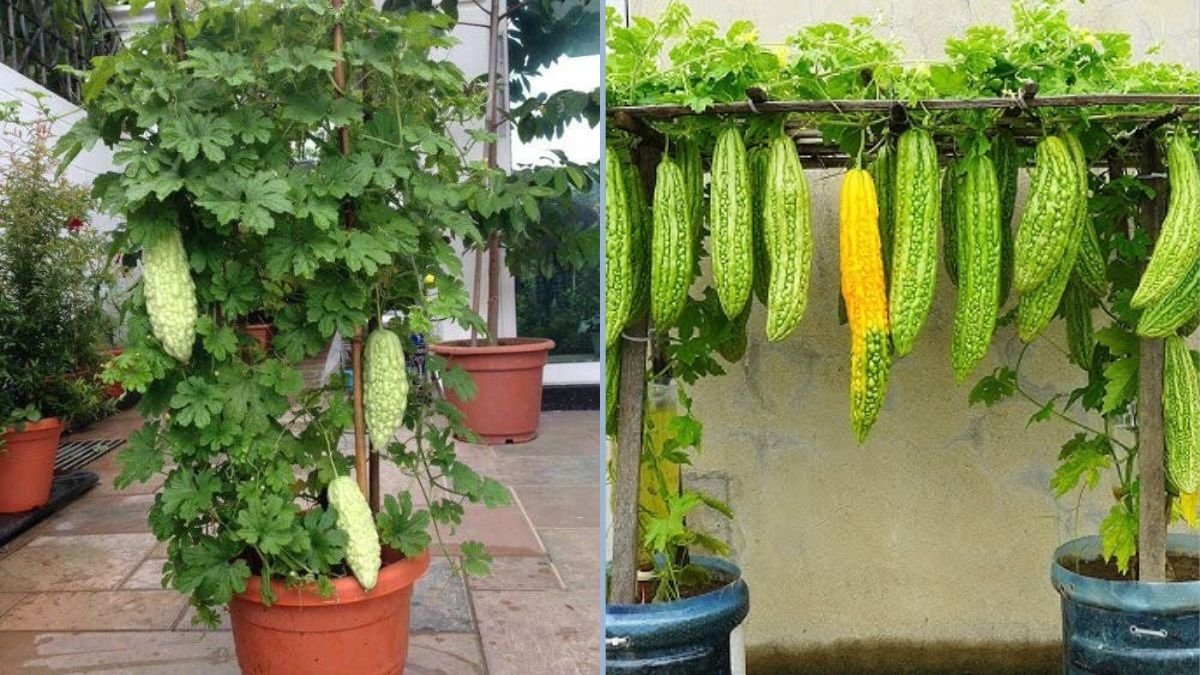
Bitter melon, also known as bitter gourd or Momordica charantia, is a tropical vine prized for its medicinal properties and unique, slightly bitter taste. Rich in vitamins C and A, iron, potassium, and antioxidants, bitter melon is often used in stir-fries, soups, and traditional medicine. Growing this nutrient-packed vegetable at home is not only rewarding but can also be eco-friendly, as you can use kitchen waste to enrich your soil and boost fruit production. In this guide, we’ll explore everything you need to know to grow bitter melon from seeds and maximize your harvest.
What is Bitter Melon?
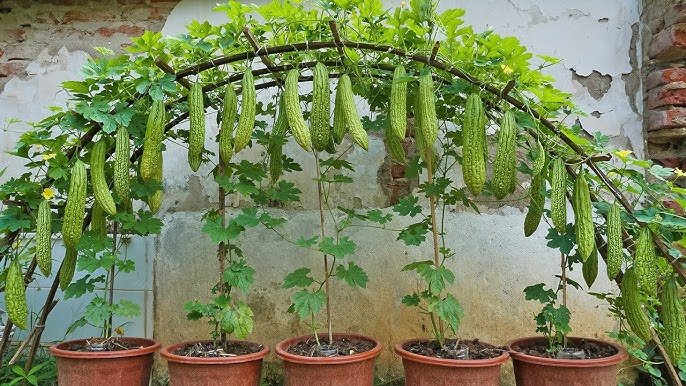
Bitter melon is a fast-growing, climbing vine that produces elongated, warty fruits. While its taste may be bitter, the health benefits are remarkable:
- Helps regulate blood sugar levels.
- Supports liver and digestive health.
- Packed with vitamins and minerals.
The plant grows vigorously, producing multiple fruits throughout the growing season, making it ideal for home gardeners seeking continuous harvests.
Why Grow Bitter Melon at Home?
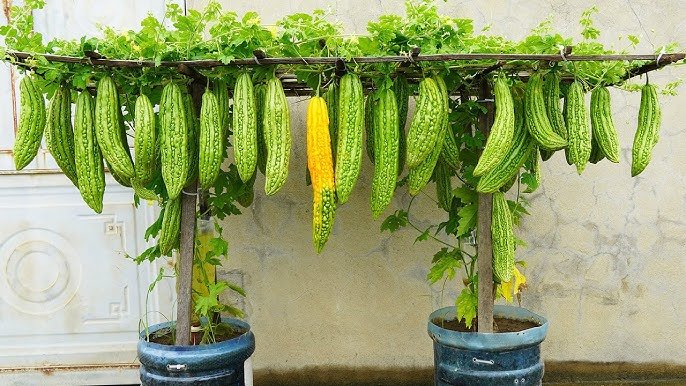
Growing bitter melon at home offers several advantages:
- Fresh and organic produce – Avoid pesticides and enjoy chemical-free fruits.
- Continuous harvest – With proper care, a single vine can produce multiple fruits throughout the season.
- Cost-effective – You can grow the plant using kitchen waste and compost, reducing expenses.
- Medicinal benefits – Incorporating bitter melon into your diet promotes overall wellness.
- Sustainable gardening – Utilizing kitchen scraps reduces waste and enriches your garden soil.
Choosing the Right Seeds
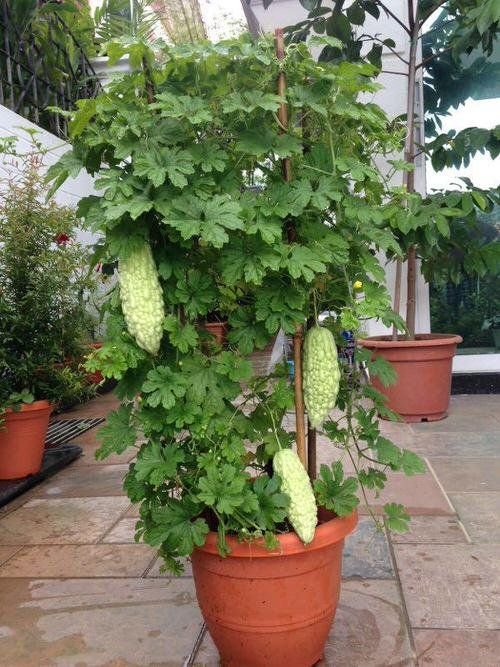
Bitter melon can be grown from seeds found at nurseries or saved from previous fruits. When selecting seeds:
- Choose mature, plump seeds from fully ripened fruits.
- Avoid seeds from underdeveloped or damaged fruits to ensure strong germination.
- Soak seeds overnight in warm water to improve germination rates.
For beginners, purchasing seeds from reputable suppliers ensures healthy, productive plants.
Materials Needed
Before starting, gather these essentials:
- Bitter melon seeds – Fresh or stored properly.
- Containers or seed trays – For germination and early growth.
- Compost and kitchen waste – Vegetable peels, fruit scraps, and coffee grounds enrich the soil.
- Trellis or vertical support – Vines grow long and need support.
- Fertilizer – Organic options like compost, cow dung, or liquid manure.
- Water source – Consistent moisture is key for growth.
Optional: Grow bags or raised beds for better drainage and soil control.
Step 1: Preparing Seeds for Germination
Bitter melon seeds have a hard outer coat, so pre-treatment is essential:
- Soak seeds in warm water for 24 hours to soften the seed coat.
- Optional: Rub seeds lightly with sandpaper to improve water absorption.
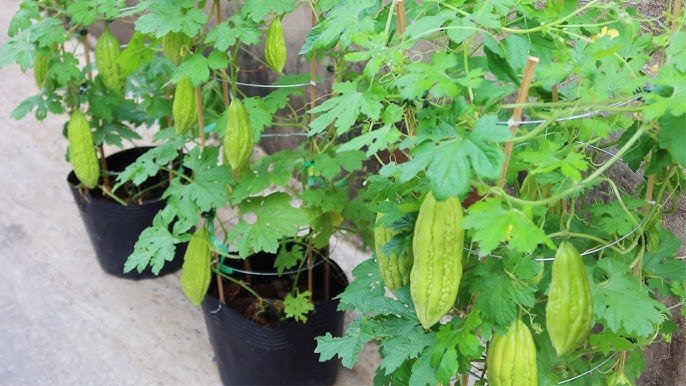
- Plant seeds in moist soil about ½ inch deep.
Seeds usually germinate within 7–14 days, depending on temperature and moisture.
Step 2: Preparing the Growing Area
Bitter melon thrives in warm, sunny conditions:
- Sunlight: 6–8 hours of direct sunlight daily.
- Soil: Well-draining, loamy soil enriched with compost or kitchen waste.
- Support: Install a trellis, fence, or vertical structure to support climbing vines.
- Spacing: Plant seeds 12–18 inches apart to allow room for growth.
Using kitchen waste like vegetable peels, fruit scraps, or coffee grounds not only reduces waste but also provides nutrients for healthy, fruitful vines.
Step 3: Planting Bitter Melon
- Containers: Use pots, grow bags, or raised beds for easy management.
- Planting depth: Sow seeds ½ inch deep and cover lightly with soil.
- Watering: Keep the soil consistently moist, but avoid waterlogging.
- Orientation: If using cuttings, plant the base in soil with at least 2–3 nodes buried.
For colder climates, start seeds indoors and transplant seedlings after the last frost.
Step 4: Supporting the Vines
Bitter melon is a vigorous climber and requires support:
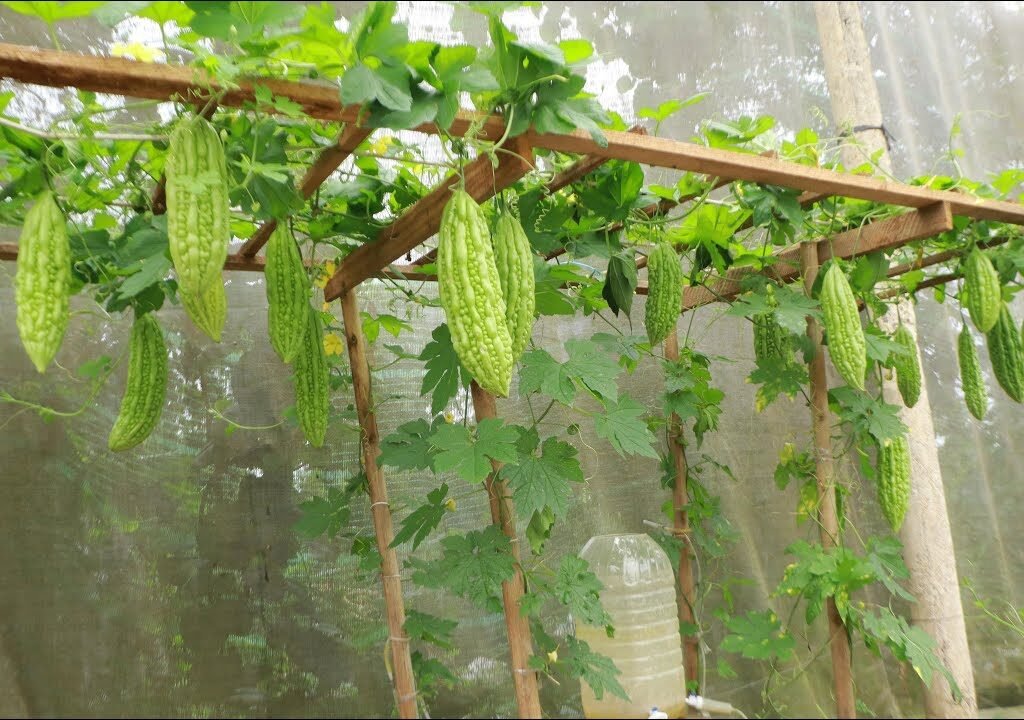
- Trellis or vertical structure: Vines can grow 10–15 feet long.
- Guiding shoots: Gently tie young shoots to the trellis to prevent tangling.
- Pruning: Remove excess lateral shoots to promote better airflow and sunlight penetration.
Vertical growth reduces pest problems and maximizes fruit production in small spaces.

Step 5: Watering and Fertilizing
Bitter melon thrives on consistent moisture and rich nutrients:
- Watering: Water deeply 2–3 times per week or whenever the top inch of soil dries.
- Mulching: Use organic mulch to retain moisture, suppress weeds, and enrich soil.
- Fertilizing: Apply compost or kitchen waste every 2–3 weeks. Liquid manure or diluted organic fertilizers also work well.
Tip: Avoid excess nitrogen, which encourages leaf growth but reduces fruiting.
Step 6: Pest and Disease Management
Common pests include:
- Aphids: Spray neem oil or use insecticidal soap.
- Fruit flies: Cover young fruits with netting.
- Caterpillars: Handpick or use organic sprays.
Common diseases:
- Powdery mildew: Ensure proper spacing and airflow.
- Downy mildew: Avoid overhead watering and maintain healthy soil.
Regular inspection and early action prevent significant damage.

Step 7: Harvesting Bitter Melon
Bitter melon is fast-growing, and fruits are ready to harvest in 2–3 months:
- Fruit size: Pick fruits when they are 4–6 inches long for tender texture.
- Method: Cut fruits carefully from the vine to avoid damaging stems.
- Continuous harvest: Regular harvesting encourages new fruit production.
Tip: Harvest in the morning for the freshest taste. Avoid leaving fruits on the vine too long, as they become overly bitter and tough.
Using Kitchen Waste to Boost Growth
Kitchen waste can significantly enhance the growth and fruiting of bitter melon:
- Vegetable scraps: Carrot tops, spinach leaves, and potato peels can be composted and mixed into the soil.
- Fruit scraps: Banana peels and apple cores provide potassium and phosphorus for flowering and fruiting.
- Coffee grounds: Add nitrogen and improve soil texture.
- Eggshells: Provide calcium for stronger stems and fruit development.
Composting kitchen waste not only reduces household trash but also enriches the soil organically, leading to higher yields.
Tips for a Bountiful Bitter Melon Harvest
- Prune regularly: Trim lateral shoots to focus energy on fruit production.
- Provide vertical support: Keeps fruits clean and prevents rot.
- Use organic fertilizers: Promote healthy growth without chemicals.
- Harvest frequently: Encourage continuous flowering and fruiting.
- Monitor for pests: Early detection ensures a healthy, productive vine.
Cooking and Enjoying Bitter Melon
Bitter melon is a versatile vegetable:

- Stir-fried: With garlic, chili, and soy sauce.
- Stuffed: Hollow out the fruit and fill with spiced meat or vegetables.
- Soups: Add slices to broths for flavor and nutrition.
- Pickled: Combine with vinegar and spices for tangy snacks.
Young fruits are tender and less bitter, making them ideal for most recipes.
Final Thoughts
Growing bitter melon from seeds is an eco-friendly, rewarding, and highly nutritious gardening project. By using kitchen waste as compost, you not only enrich the soil but also promote sustainable gardening practices. With proper care—consistent watering, vertical support, pruning, and pest management—you can enjoy a continuous harvest of healthy, delicious bitter melons throughout the growing season.
Start growing bitter melon in your garden today and turn your kitchen waste into a fruitful, vibrant, and nutritious vegetable garden!

Leave A Comment