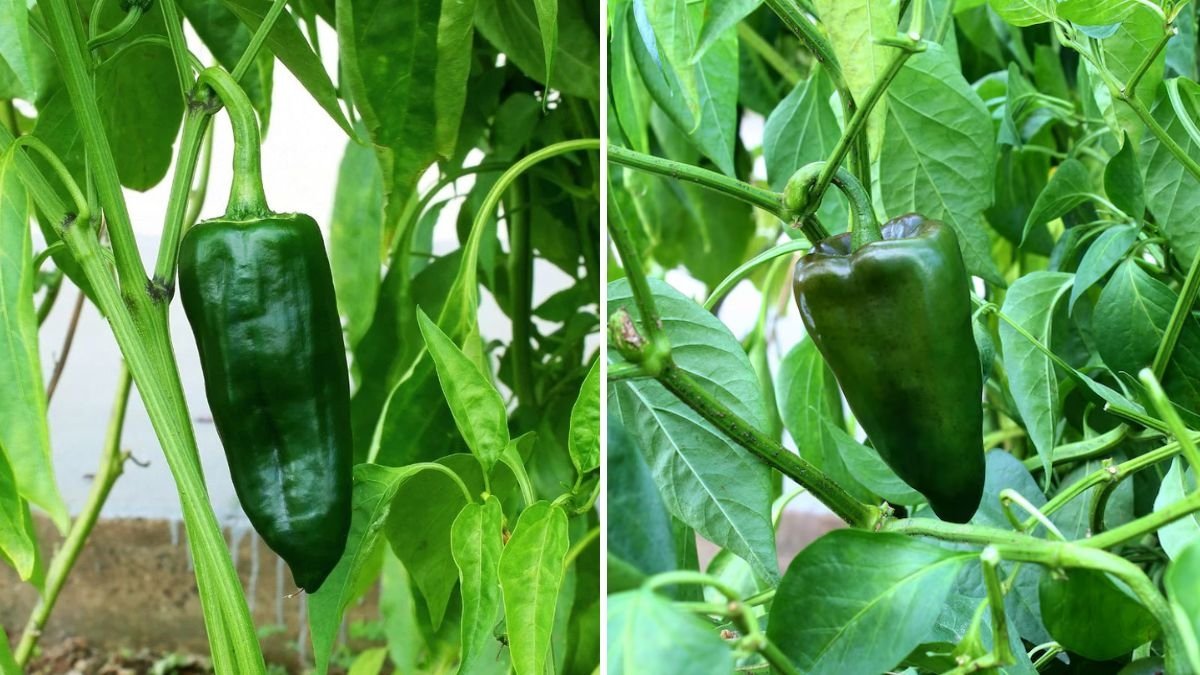
If you’re looking for a pepper that strikes the perfect balance between mild heat and rich, smoky flavor, Poblano peppers are the ideal choice. Native to Mexico, these heart-shaped peppers are the stars behind dishes like chiles rellenos and mole poblano. Growing them at home is not only rewarding but also easier than you might think — as long as you give them the warmth, sunshine, and care they crave.
In this detailed guide, you’ll learn how to grow Poblano peppers from seed to harvest, including soil preparation, watering, fertilizing, pest control, and harvesting tips for the best yield and flavor.
What Are Poblano Peppers?
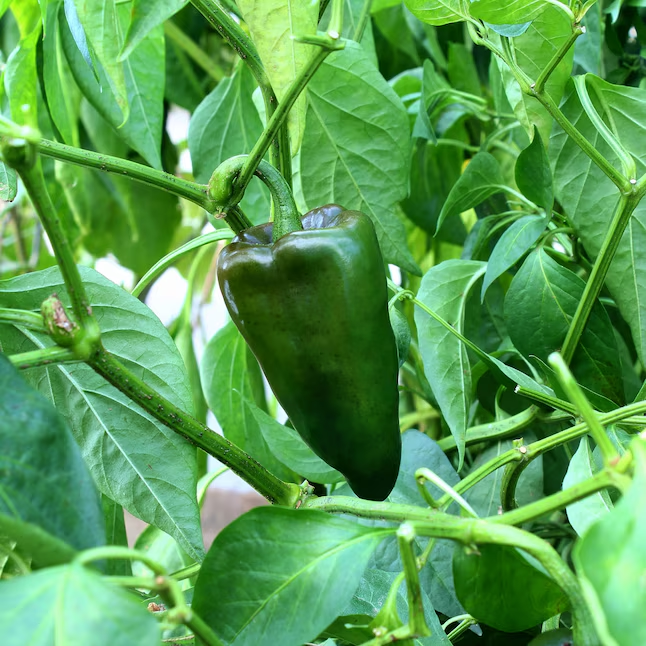
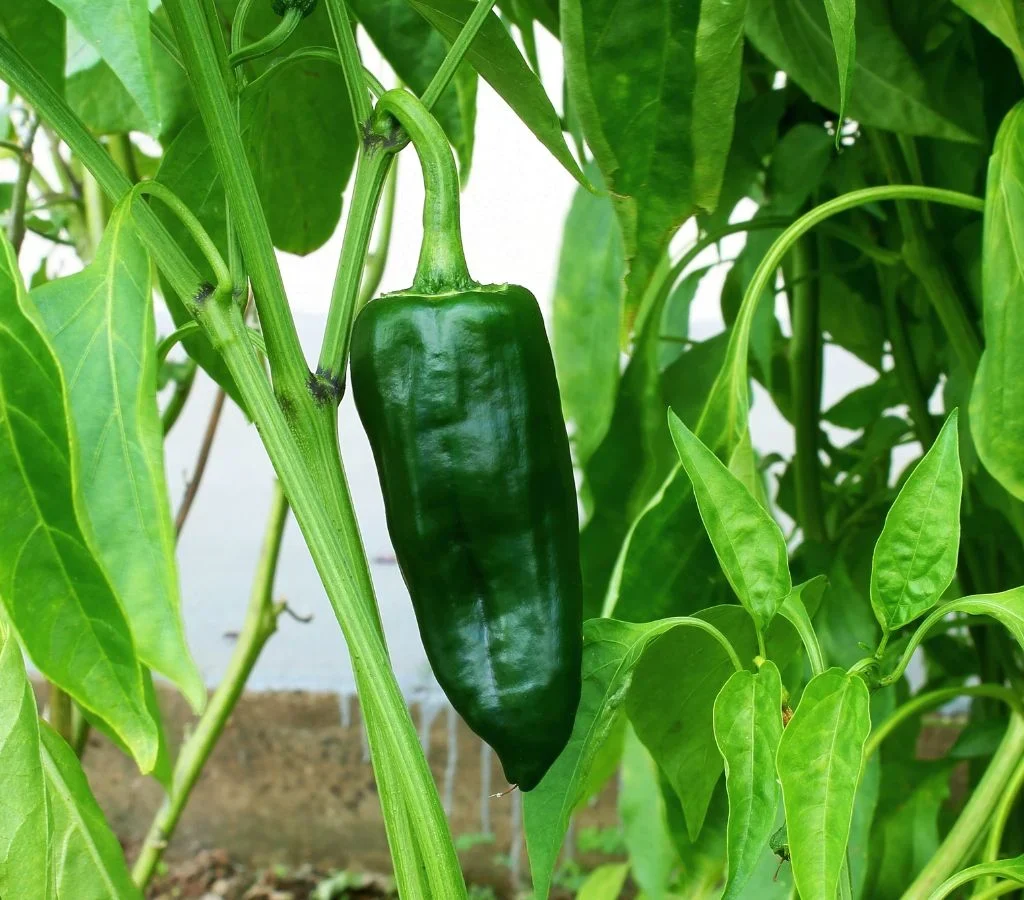
Poblano peppers (Capsicum annuum) are mild chili peppers, typically 4–6 inches long, with thick, glossy green skin that turns dark red or brown when fully ripe. On the Scoville Heat Scale, they range between 1,000–2,000 SHU, which is milder than jalapeños but spicier than bell peppers.
When dried, Poblanos become Ancho chiles, which are used in sauces and stews for their smoky-sweet flavor. Whether fresh or dried, growing Poblanos in your garden ensures a steady supply of versatile peppers perfect for roasting, stuffing, and adding depth to savory dishes.
Ideal Growing Conditions for Poblanos
Before you start planting, it’s crucial to understand the ideal growing environment for Poblanos.
1. Temperature:
Poblano peppers love warmth and do best in temperatures between 70°F and 85°F (21°C–29°C) during the day and above 60°F (16°C) at night. Avoid planting them too early in cool soil, as they are highly sensitive to frost.
2. Sunlight:
These peppers need at least 6–8 hours of direct sunlight daily. The more sun they receive, the more vigorous their growth and the higher their yield.
3. Soil Requirements:
Use well-draining, loamy soil enriched with compost or aged manure. The soil pH should be slightly acidic to neutral (6.0–7.0). Poor drainage can lead to root rot and reduced plant vigor.
4. Spacing:
Provide adequate spacing to encourage air circulation and prevent diseases. Plant each Poblano 18–24 inches apart, with 2–3 feet between rows.
Starting Poblano Peppers from Seeds
Since Poblanos have a long growing season (about 70–90 days to mature), it’s best to start them indoors before transplanting outdoors.
Step 1: Starting Indoors
- Begin seeds 8–10 weeks before your last expected frost date.
- Use seed-starting trays or small pots filled with a light, fertile seed-starting mix.
- Plant each seed about ¼ inch deep, lightly cover it with soil, and mist with water.
Step 2: Germination
Poblano seeds germinate best in warm conditions (around 80°F / 27°C). Use a seed heat mat if needed.
Germination usually takes 10–14 days, so be patient.
Step 3: Transplanting
Once seedlings are about 6 inches tall and have 2–3 sets of true leaves, harden them off for a week by gradually exposing them to outdoor conditions.
Transplant them outdoors after all danger of frost has passed, preferably when nighttime temperatures stay above 55°F (13°C).
Caring for Poblano Pepper Plants
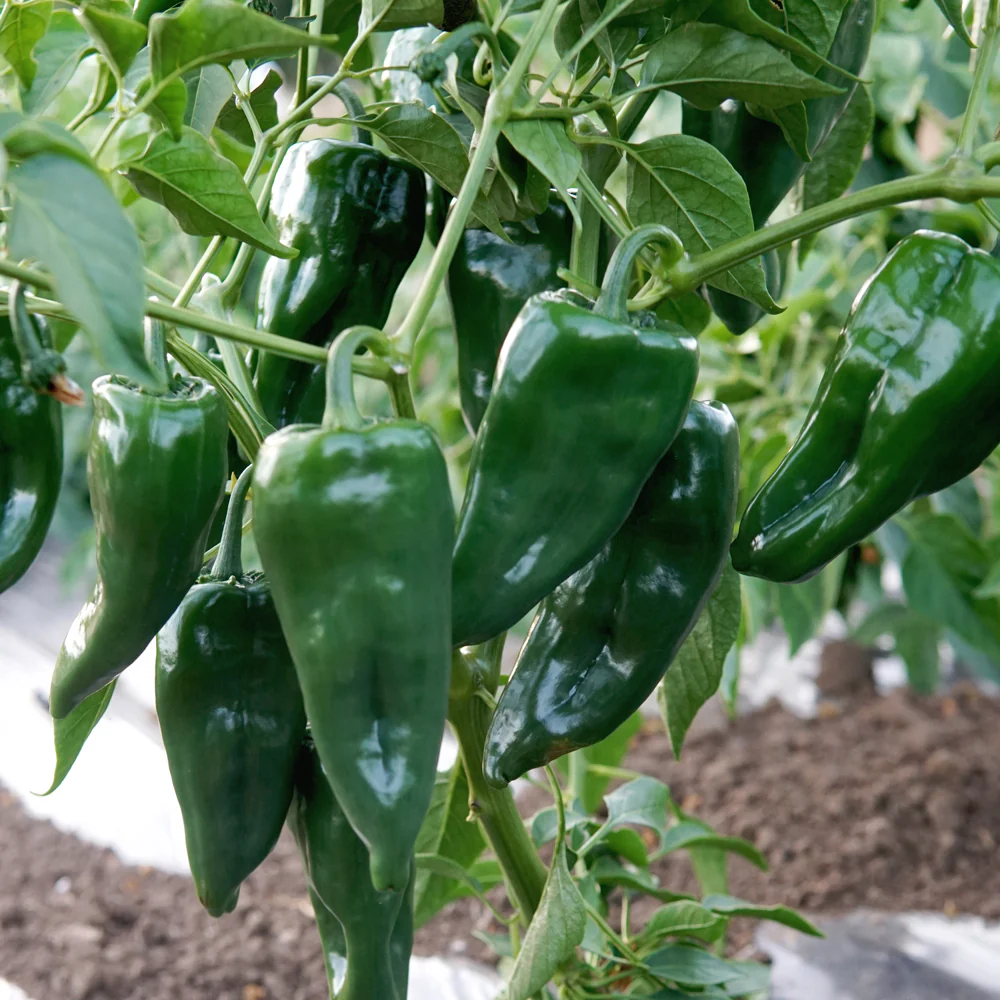
Once transplanted, Poblano peppers thrive with consistent care. Follow these steps to ensure your plants grow strong and productive.
1. Watering
Poblano peppers prefer consistent, deep watering.
- Water when the top inch of soil feels dry.
- Avoid overhead watering; instead, water at the base to prevent fungal diseases.
- Mulch around the plants with straw or compost to retain soil moisture and suppress weeds.
Too much or too little water can cause stress, leading to blossom drop or misshapen peppers.
2. Fertilizing
Feed your Poblanos with a balanced, organic fertilizer to promote strong growth and fruit development.
- Before flowering: Use a fertilizer high in nitrogen (e.g., 10-5-5) to boost foliage growth.
- After flowering starts: Switch to a low-nitrogen, high-phosphorus fertilizer (e.g., 5-10-10) to encourage fruiting.
- Compost tea or fish emulsion every 2–3 weeks also works well for steady nourishment.
3. Pruning and Support
Poblano plants can grow up to 3 feet tall, and their heavy fruits may cause branches to droop.
- Pruning: Remove lower leaves that touch the soil and pinch off weak shoots to improve airflow.
- Support: Use stakes or tomato cages to keep branches upright and prevent breakage during strong winds.
Flowering but No Peppers? Here’s Why
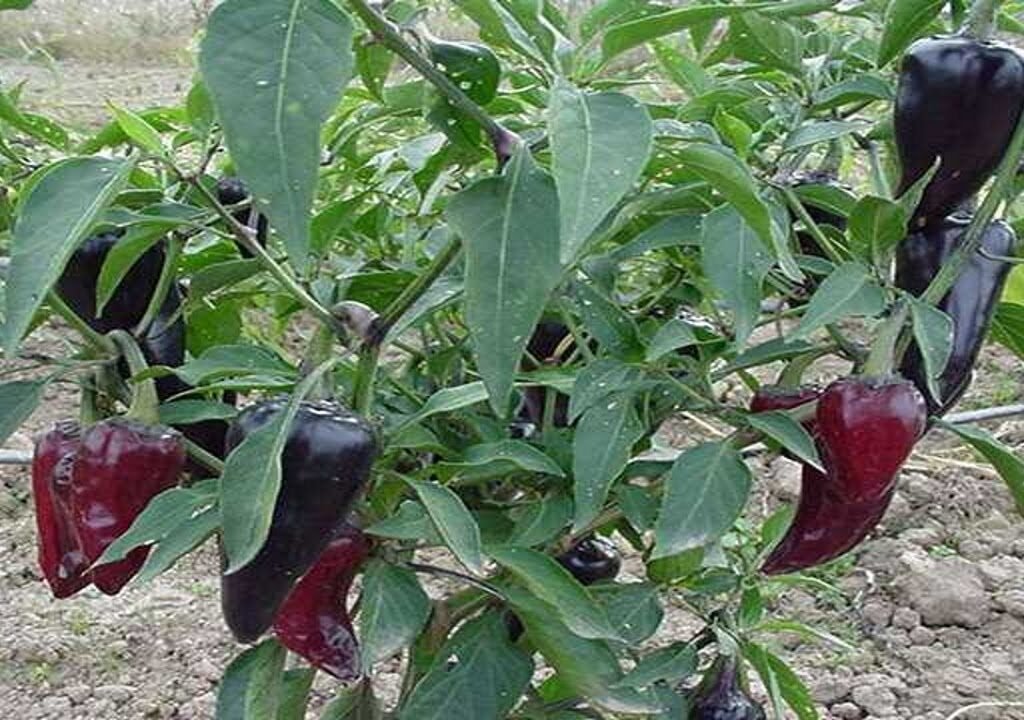
If your Poblano plants are flowering but not setting fruit, don’t worry — this is a common issue. Here are the main causes and solutions:
- Temperature Fluctuations:
- Poblanos may drop flowers if it’s too hot (>90°F) or too cold (<55°F).
- Solution: Use shade cloth during hot days and row covers on chilly nights.
- Pollination Problems:
- Without proper pollination, flowers can fall off.
- Solution: Encourage pollinators like bees by planting basil, marigolds, or sunflowers nearby. Indoors, gently shake the flowers to release pollen.
- Excess Nitrogen:
- Too much nitrogen fertilizer promotes lush foliage but few fruits.
- Solution: Once flowering begins, switch to a fertilizer higher in phosphorus and potassium.
- Irregular Watering:
- Inconsistent watering can stress the plant, leading to flower drop.
- Solution: Maintain even soil moisture throughout the growing season.
Common Pests and Diseases
Poblano peppers are hardy plants but still vulnerable to pests and diseases. Here’s how to protect them naturally.
1. Aphids
These small insects suck sap from leaves and stems, causing curling and stunted growth.
Solution: Spray with a mixture of neem oil and mild soap water every few days.

2. Whiteflies
Tiny, flying insects that gather under leaves and weaken plants.
Solution: Use yellow sticky traps and neem oil sprays.
3. Spider Mites
Fine webbing on the leaves indicates spider mites.
Solution: Increase humidity and spray with neem oil or insecticidal soap.
4. Cutworms
They attack young plants near the soil line.
Solution: Use cardboard collars or diatomaceous earth around plant bases.
5. Fungal Diseases
Excess moisture can lead to powdery mildew or root rot.
Solution: Ensure good air circulation, water at the base, and avoid overcrowding.
Harvesting Poblano Peppers
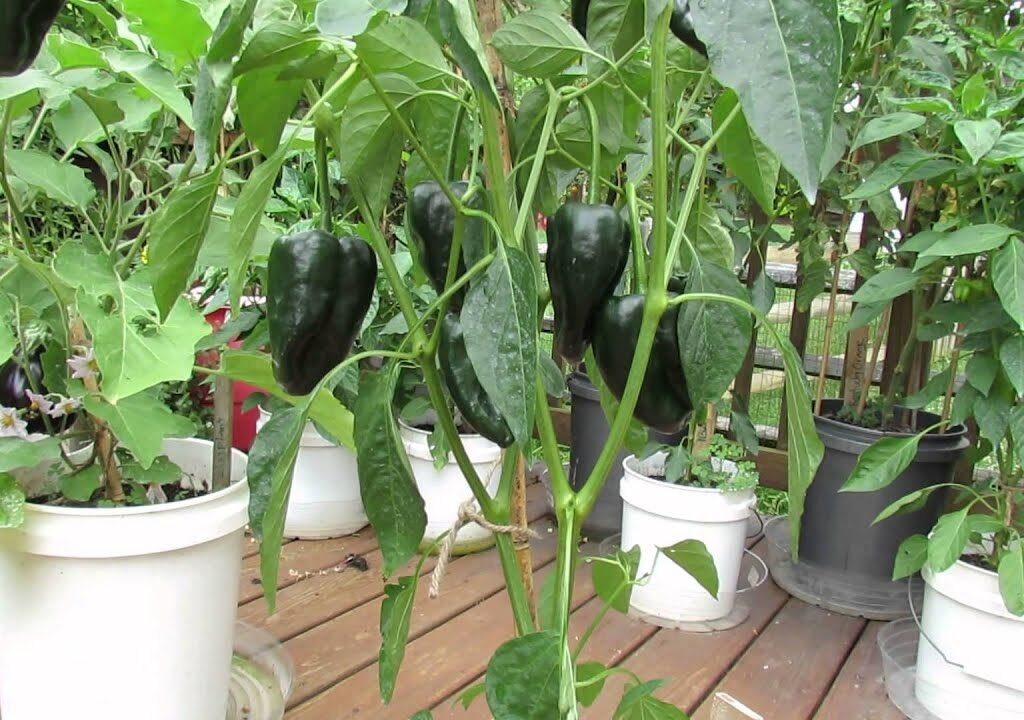
Poblano peppers are ready to harvest around 70–90 days after transplanting. You can choose when to harvest depending on your preference:

- Green Poblanos: Harvest when peppers are dark green, firm, and 4–6 inches long. These have a mild, earthy flavor perfect for stuffing.
- Red Poblanos: Leave the peppers on the plant to ripen fully. They’ll turn red, become sweeter, and are ideal for drying into Ancho chiles.
Use pruning shears or scissors to snip peppers off, leaving a small portion of the stem attached. This prevents damage to the plant and encourages further fruiting.
After Harvest: How to Store and Use Poblanos
Once harvested, you can enjoy Poblanos fresh, dried, or roasted:
- Fresh Storage:
Store Poblanos in the refrigerator for up to two weeks in a paper or mesh bag. - Freezing:
Roast the peppers, peel the skins, and freeze them in airtight containers for long-term use. - Drying:
To make Ancho chiles, air-dry or use a dehydrator until fully dry. Store in jars for months. - Cooking Tips:
Poblanos are delicious in:- Chiles rellenos (stuffed Poblanos with cheese or meat)
- Salsas and stews
- Grilled pepper sauces
- Mole poblano, the famous Mexican sauce made with chocolate and spices
Pro Tips for Bigger, Healthier Poblano Peppers
- Mulch Deeply: Use straw or compost mulch to retain soil moisture and control weeds.
- Feed with Epsom Salt: Mix one tablespoon in a gallon of water once a month to provide magnesium for better fruit development.
- Rotate Crops: Avoid planting peppers in the same spot year after year to prevent soil-borne diseases.
- Companion Planting: Grow Poblanos alongside basil, marigolds, or onions to repel pests and attract beneficial insects.
- Harvest Regularly: Picking ripe peppers encourages more flowers and fruits to develop.
Final Thoughts
Growing Poblano peppers is one of the most rewarding experiences for home gardeners. With their rich flavor, mild spice, and versatility in the kitchen, they’re perfect for adding depth to countless dishes.
By giving them the right mix of warmth, sunlight, consistent watering, and organic nutrition, you can enjoy a long and productive harvest season. Whether you’re roasting them for tacos, drying them into Ancho chilies, or stuffing them with cheese and beans, homegrown Poblanos will always deliver unbeatable freshness and flavor straight from your garden.

Leave A Comment