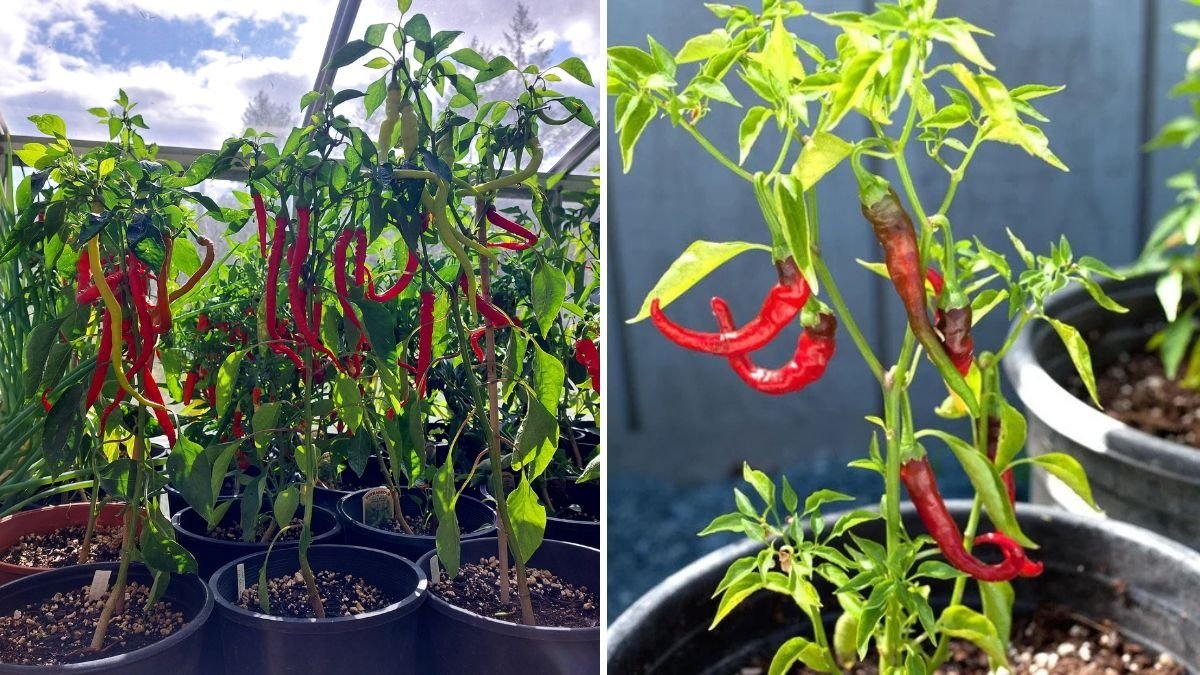
If you love a little heat in your meals, growing your own cayenne peppers is a rewarding way to spice up both your cooking and your gardening experience. Known for their vibrant red color, slender shape, and fiery flavor, cayenne peppers are among the most popular chili varieties grown around the world. The best part? You don’t need a large garden to enjoy a bountiful harvest — these peppers thrive beautifully in containers right on your balcony, rooftop, or patio.
In this post, we’ll explore everything you need to know about growing cayenne peppers in containers — from seed starting and transplanting to watering, feeding, and harvesting. Whether you’re a beginner or an experienced gardener, this step-by-step guide will help you grow healthy, productive cayenne pepper plants right at home.
1. Why Grow Cayenne Peppers in Containers

Cayenne peppers (Capsicum annuum) are perfect for container gardening because they don’t require much space, adapt well to confined roots, and can produce prolifically in the right conditions.
Here’s why growing in containers is a great choice:
- Space-saving: Ideal for small patios, rooftops, or balconies.
- Pest control: Containers reduce soil-borne diseases and pest infestations.
- Temperature control: You can move your plants to sunnier or warmer spots easily.
- Better soil quality: You control exactly what soil and nutrients your plant gets.
Cayenne pepper plants grow about 2–3 feet tall and can yield dozens of slender, spicy peppers over the season.
2. Choosing the Right Container

The first step in successful container gardening is choosing the right pot size and type. Cayenne peppers need room for their roots to grow and for good drainage to prevent waterlogging.
Container Requirements:
- Size: At least 3–5 gallons in volume. Bigger is better if you want more yield.
- Depth: Minimum 12–14 inches deep to accommodate roots.
- Material: Clay, ceramic, or fabric grow bags are excellent as they allow air circulation.
- Drainage: Ensure there are several drainage holes at the bottom.
Before planting, line the bottom with a thin layer of pebbles or coarse sand to improve water flow.
3. Preparing the Ideal Soil Mix

Cayenne peppers need well-draining, nutrient-rich soil that stays slightly moist but never soggy. A good-quality potting mix designed for vegetables or peppers works well.
DIY Soil Mix Recipe:
- 40% potting mix
- 30% compost (for nutrients)
- 20% perlite or coarse sand (for drainage)
- 10% coco coir or peat moss (for moisture retention)
Make sure the soil pH is slightly acidic, between 6.0 and 6.8. This range helps the plant absorb nutrients effectively.
4. Starting Cayenne Peppers from Seed

Cayenne peppers can be started from seeds indoors or directly in containers once the weather warms up. Starting indoors is recommended, especially in cooler climates.
Steps to Start Seeds:
- Timing: Start seeds 8–10 weeks before the last expected frost date.
- Soak seeds: Soak them in warm water for 8–12 hours to soften the seed coat.
- Sow: Plant seeds ¼ inch deep in seed trays or small pots.
- Temperature: Maintain soil temperature between 80–90°F (26–32°C) for germination.
- Light: Place seedlings under grow lights or a sunny window for 14–16 hours daily.
Germination typically takes 10–14 days. Once seedlings have 2–3 sets of true leaves, they can be transplanted into their final containers.
5. Transplanting Seedlings to Containers
When transplanting cayenne pepper seedlings, choose the healthiest and strongest ones.
Steps for Transplanting:
- Fill your container with prepared soil, leaving 1–2 inches from the top.
- Dig a small hole deep enough to cover the root ball.
- Carefully remove the seedling from its starter pot, keeping the roots intact.
- Place it in the hole and gently firm the soil around the base.
- Water thoroughly to help the roots settle in.
Keep the newly transplanted plants in partial shade for a few days before moving them into full sunlight.
6. Sunlight and Temperature Requirements

Cayenne peppers are heat-loving plants that need plenty of sunlight to grow strong and produce abundantly.
- Sunlight: At least 6–8 hours of full sun per day.
- Temperature: Optimal range is 70–90°F (21–32°C) during the day and not below 60°F (15°C) at night.
If you live in a cooler area, move containers indoors at night or use row covers or mini greenhouses to retain warmth.
7. Watering and Feeding the Plants
Watering correctly is crucial in container gardening because soil in pots dries out faster than in the ground.
Watering Tips:
- Water when the top inch of soil feels dry.
- Always water deeply until it drains from the bottom.
- Avoid overwatering — soggy soil can cause root rot.
- Mulch the soil surface with straw or dry leaves to retain moisture.
Fertilizing Schedule:
Cayenne peppers are moderate feeders. Start fertilizing once the plant is about 6 inches tall.
Recommended fertilizers:
- During growth: A balanced fertilizer (10-10-10 or 5-5-5).
- During flowering and fruiting: Switch to one higher in potassium and phosphorus (5-10-10).
Feed every 2–3 weeks or use a slow-release organic fertilizer at planting time.
8. Pruning and Supporting Your Plant
Pruning helps your cayenne pepper plant grow bushier and produce more fruit.
- Pinch off the first few flower buds to encourage stronger roots and branches.
- Trim yellow or unhealthy leaves regularly.
- Stake or cage the plant if it becomes tall or top-heavy with peppers.
Pruning also improves airflow around the plant, reducing the risk of pests and diseases.
9. Pollination and Flower Care
Cayenne peppers are self-pollinating, but outdoor conditions (wind and pollinators like bees) help improve fruit set. If you’re growing indoors or in a still area, you can help with hand pollination:
- Use a soft brush or cotton swab to gently transfer pollen between flowers.
- Lightly shake the plant to mimic wind movement.
This simple step can significantly boost your pepper yield.
10. Common Problems and How to Fix Them
Even in containers, cayenne peppers may face a few challenges.
1. Flowers but no fruit:
This is often caused by temperature stress or lack of pollination. Maintain steady temperatures and ensure flowers are pollinated.
2. Yellowing leaves:
Could indicate overwatering, nitrogen deficiency, or poor drainage. Adjust watering and fertilize lightly.
3. Pests:
Watch out for aphids, spider mites, and whiteflies. Use neem oil spray weekly as a preventive measure.
4. Diseases:
Prevent fungal problems by watering at the base and avoiding splashing leaves. Ensure good airflow between plants.
11. Harvesting Cayenne Peppers
Cayenne peppers are ready to harvest about 70–100 days after transplanting, depending on the variety and growing conditions.
Signs of Maturity:
- Peppers are 4–6 inches long, slender, and firm.
- The skin turns bright red (or sometimes yellow/orange, depending on variety).
You can harvest them green for a milder flavor or wait until fully red for maximum heat.
Tip: Use scissors or pruning shears to cut the peppers instead of pulling them off. This prevents damaging the stems.
12. Storing and Using Your Cayenne Peppers
Cayenne peppers are incredibly versatile. You can use them fresh, dried, or ground into powder.
Storage Options:
- Fresh: Keep in the refrigerator for up to 2 weeks.
- Dried: Air-dry, oven-dry, or use a dehydrator, then store in airtight jars.
- Frozen: Wash, chop, and freeze peppers for long-term use.
- Powdered: Grind dried peppers into homemade cayenne powder for cooking.
Use your homegrown cayenne peppers in sauces, stir-fries, marinades, and spice blends — just remember, a little goes a long way!
13. Overwintering Your Cayenne Pepper Plant
If you live in a region with cold winters, you can keep your cayenne plant alive for next year by overwintering it indoors.
Steps:
- Prune the plant back to about 6 inches.
- Move it to a sunny indoor location (like a south-facing window).
- Water sparingly — just enough to keep the soil slightly moist.
- Resume regular care once spring arrives.
This method saves you from starting new plants each year and can result in earlier harvests the following season.
Final Thoughts
Growing cayenne peppers in containers is one of the easiest and most rewarding ways to enjoy fresh, homegrown heat. With the right pot, soil, and care, even a small balcony can produce an abundant harvest of spicy, colorful peppers.

By following these simple steps — from seed to harvest — you’ll have thriving cayenne pepper plants that not only add visual beauty to your space but also bring bold flavor to your kitchen all season long.
So, grab a pot, sow some seeds, and get ready to spice up your gardening life — one cayenne pepper at a time!

Leave A Comment