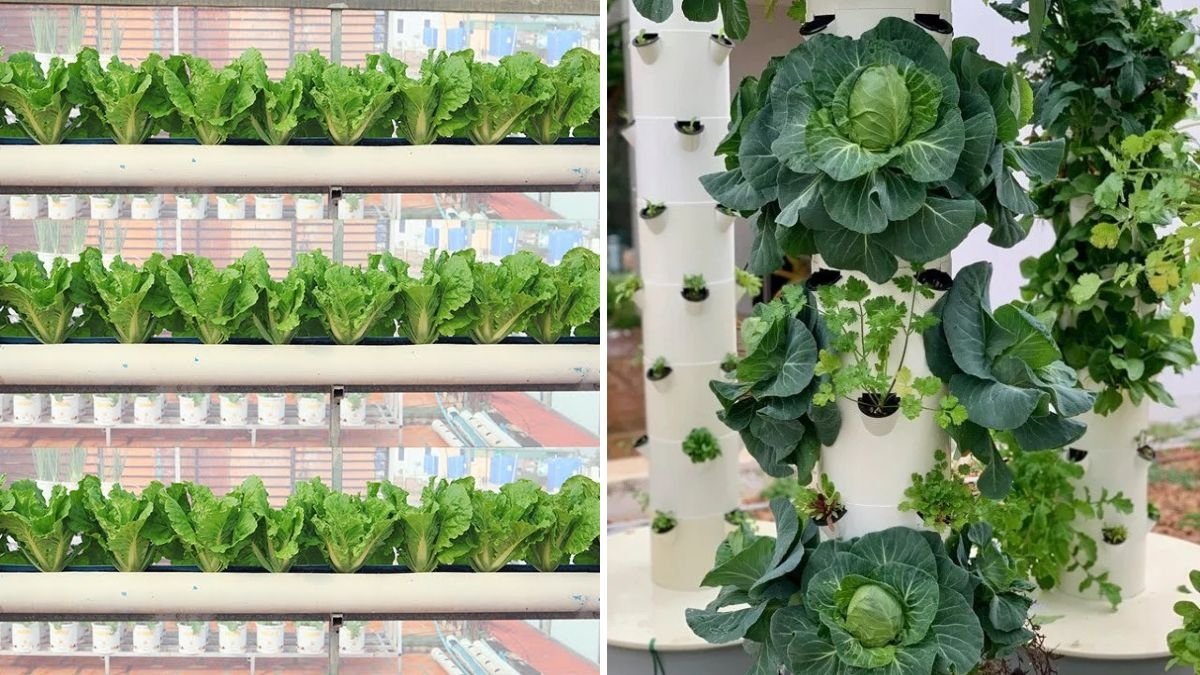
If you’re short on space but still dream of growing your own fresh, crisp curly cabbage, you’ll love this innovative method — growing curly cabbage in PVC pipes! This technique is not only space-efficient but also helps you maintain a cleaner, pest-free, and more productive home garden. Whether you live in an apartment, have a small balcony, or just want to try a creative gardening project, this guide will walk you through everything you need to know about growing curly cabbage in PVC pipes — from setup to harvest.
Why Grow Curly Cabbage in PVC Pipes?
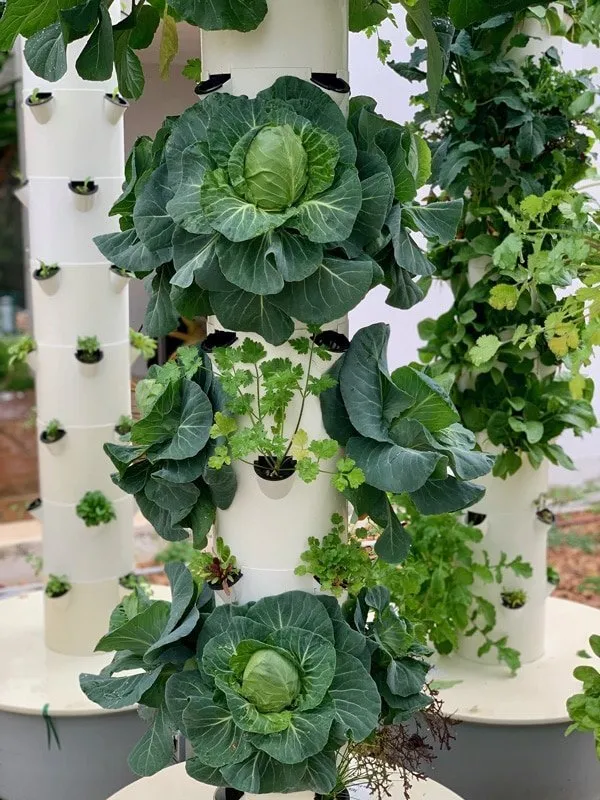
PVC pipe gardening is becoming a favorite among urban gardeners for several reasons:
- Space-Saving Design:
Instead of planting horizontally in the ground, PVC pipes allow you to grow vertically. This makes it perfect for patios, balconies, and rooftops. - Efficient Water Use:
PVC pipes can be designed for drip irrigation, ensuring plants get consistent moisture with minimal waste. - Better Pest Control:
Growing above ground reduces exposure to soil pests and diseases that typically affect cabbage plants. - Cleaner and Easier to Manage:
You can avoid weeds, maintain better airflow, and make harvesting simpler and more hygienic.
Curly cabbage, known for its ruffled leaves and sweet crunch, adapts well to this container-style growing setup, making it a great candidate for PVC gardening.
Materials You’ll Need
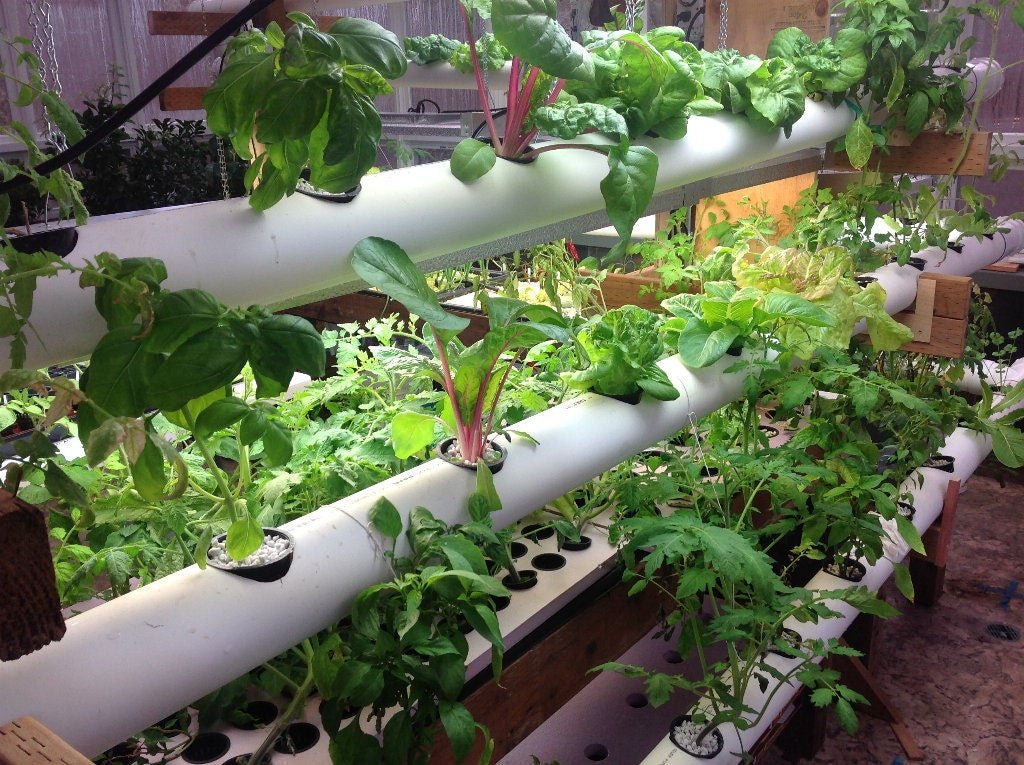
To get started, gather the following materials:

- PVC pipe: 6 to 8 inches in diameter, about 3 to 4 feet tall (depending on your available space)
- End cap: To close the bottom of the pipe and hold the soil
- Drill: For creating drainage and planting holes
- Potting mix: A light, fertile soil mix rich in organic matter
- Compost or vermicompost: To enrich your soil
- Curly cabbage seedlings or seeds
- Watering can or drip irrigation setup
- Support stand or wall bracket (optional): To keep pipes upright
Step 1: Prepare the PVC Pipe
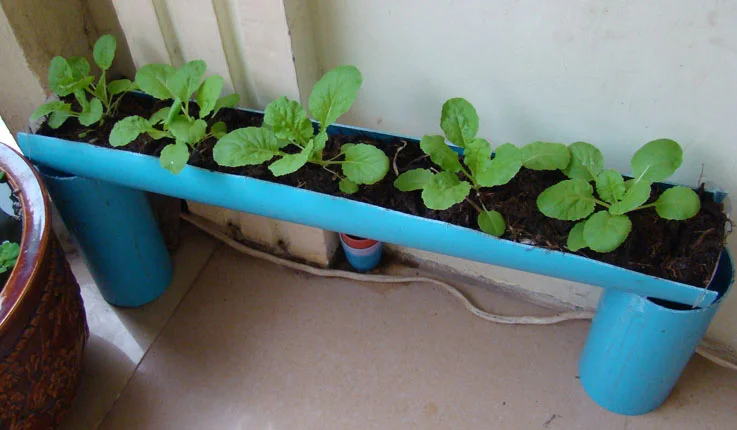
- Cut the Pipe:
Cut your PVC pipe to your desired length, typically 3 to 4 feet tall. - Drill Planting Holes:
Drill holes around the pipe for planting. Each hole should be about 3–4 inches in diameter and spaced 6–8 inches apart in a staggered pattern. - Add Drainage Holes:
Drill several small holes at the bottom of the pipe to allow excess water to drain out. - Seal the Bottom:
Attach an end cap to the bottom of the pipe to hold the soil. You can also place a layer of small stones or gravel to enhance drainage. - Secure the Pipe:
Mount the pipe vertically on a stand or attach it to a wall or fence so that it remains stable.
Step 2: Prepare the Soil Mix
Curly cabbage grows best in nutrient-rich, well-draining soil. Here’s a simple soil recipe for PVC pipe gardening:
- 40% garden soil
- 30% compost or vermicompost
- 20% coco peat or peat moss (for moisture retention)
- 10% sand or perlite (for aeration)
Mix all these ingredients well and fill the pipe with the soil blend up to the top.
Step 3: Planting Curly Cabbage
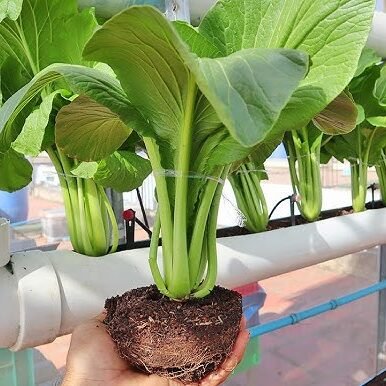
Option 1: Using Seeds
- Place 2–3 seeds in each planting hole and lightly cover them with soil.
- Mist the holes with water to keep the seeds moist until germination.
- Once the seedlings are 3–4 inches tall, thin them out, leaving only one healthy plant per hole.
Option 2: Using Seedlings

- Transplant small cabbage seedlings into each planting hole carefully.
- Firmly press the soil around the roots to stabilize the plant.
Keep your pipe in a sunny spot where it receives at least 5–6 hours of sunlight per day.
Step 4: Watering and Fertilizing
Cabbage requires consistent moisture but not waterlogging. Here’s how to manage it:
- Watering:
Water every 2–3 days or when the topsoil feels dry. PVC pipes retain moisture efficiently, so be cautious not to overwater. - Fertilizing:
After two weeks of planting, feed your cabbage with a balanced liquid fertilizer or compost tea every 10–14 days.
A nitrogen-rich fertilizer helps boost leafy growth early on, followed by potassium and phosphorus for forming tight, healthy heads.
Step 5: Light and Temperature

Curly cabbage prefers cooler weather and moderate sunlight.
- Ideal Temperature: Between 15°C to 25°C (59°F to 77°F)
- Sunlight: 5–6 hours of direct or filtered sunlight daily
- In hotter climates, consider partial shade during peak noon hours to prevent wilting.
Step 6: Pest and Disease Management
Even in a PVC pipe setup, you might encounter common cabbage pests such as aphids, cabbage worms, and slugs. To keep them under control:

- Neem Oil Spray: Mix 1 teaspoon of neem oil with 1 liter of water and spray weekly.
- Garlic or Chili Spray: Helps deter insects naturally.
- Hand Picking: Remove visible pests manually if few in number.
Good airflow between plants also helps reduce fungal infections.
Step 7: Care and Maintenance
Here are a few important maintenance tips for success:
- Rotate your pipes: If you have multiple pipes, rotate them occasionally to ensure even sunlight exposure.
- Mulching: Add a thin layer of mulch at each planting hole to retain soil moisture.
- Prune lower leaves: Remove yellow or damaged leaves to encourage better air circulation.
- Check supports: Ensure the PVC pipes remain steady as the plants grow heavier.
Step 8: Harvesting Your Curly Cabbage
Curly cabbage usually takes about 70 to 90 days to mature from planting, depending on the variety.
You’ll know it’s ready when:

- The head feels firm and compact when gently squeezed.
- The outer leaves are still green and crisp.
To harvest:
- Cut the cabbage head with a sharp knife, leaving a few outer leaves and the base intact.
- You can get small secondary heads growing from the stem if the weather remains cool.
Step 9: Reusing the Setup
After harvesting, you can reuse the same PVC pipe setup for multiple growing cycles.
- Remove old roots and refresh the topsoil with compost or organic fertilizer.
- Plant new seeds or seedlings right away.
PVC gardening systems can last several years if maintained properly, making them a sustainable and cost-effective way to grow vegetables at home.
Bonus Tips for Success
- Use quality seeds: Choose disease-resistant curly cabbage varieties for better yield.
- Add worms: If your pipe diameter is wide enough, introducing a few earthworms can naturally aerate the soil.
- Combine crops: You can grow herbs like mint or lettuce in the lower holes for a mixed vertical garden.
- Monitor for bolting: In very warm weather, cabbage may bolt (go to seed). Keep the plant cool and moist to avoid this.
The Joy of PVC Pipe Gardening
Growing curly cabbage in PVC pipes is more than just an efficient use of space — it’s a creative, sustainable, and rewarding gardening method. You don’t need a large backyard or fancy equipment; just a few simple materials and consistent care will give you fresh, crunchy cabbage right at home.

Whether you’re a beginner gardener or an urban farming enthusiast, this method offers the perfect balance between innovation and productivity. You’ll enjoy cleaner harvests, save space, and experience the joy of growing your own vegetables in an eco-friendly way.

Leave A Comment