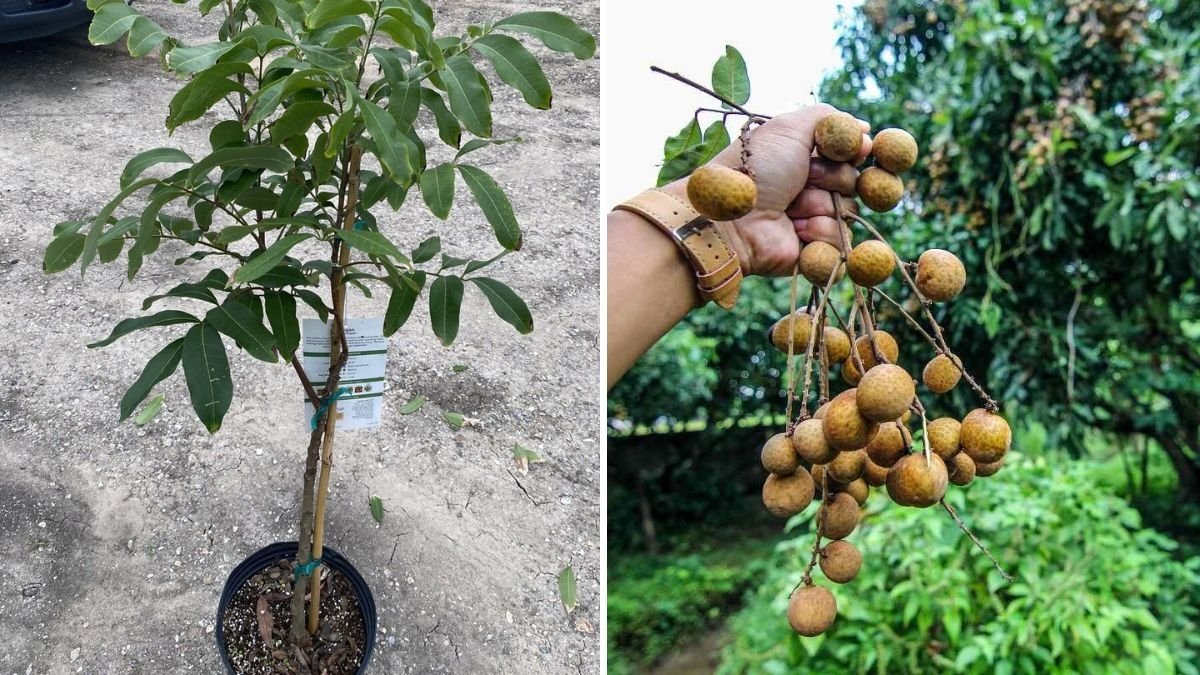
Longan, often called the “dragon’s eye” fruit for its translucent flesh and round black seed, is one of the most delicious and aromatic tropical fruits you can grow at home. Closely related to lychee and rambutan, the longan tree (Dimocarpus longan) is loved for its sweet, juicy fruits and lush evergreen foliage that adds beauty to any garden.
You might think longan trees require large spaces and tropical orchards—but the truth is, with the right care and technique, you can easily grow a longan tree in a pot at home. Whether you have a balcony, terrace, or small backyard, container-growing longan trees is an achievable and rewarding experience.
This guide will take you step-by-step through how to grow a longan tree in a pot—from seed germination to harvesting sweet, homegrown fruits.
Understanding the Longan Tree
The longan tree is native to Southeast Asia, particularly Thailand, Vietnam, and southern China. It’s an evergreen tree that can reach up to 30–40 feet tall in the ground, but when grown in containers, it stays compact and manageable.
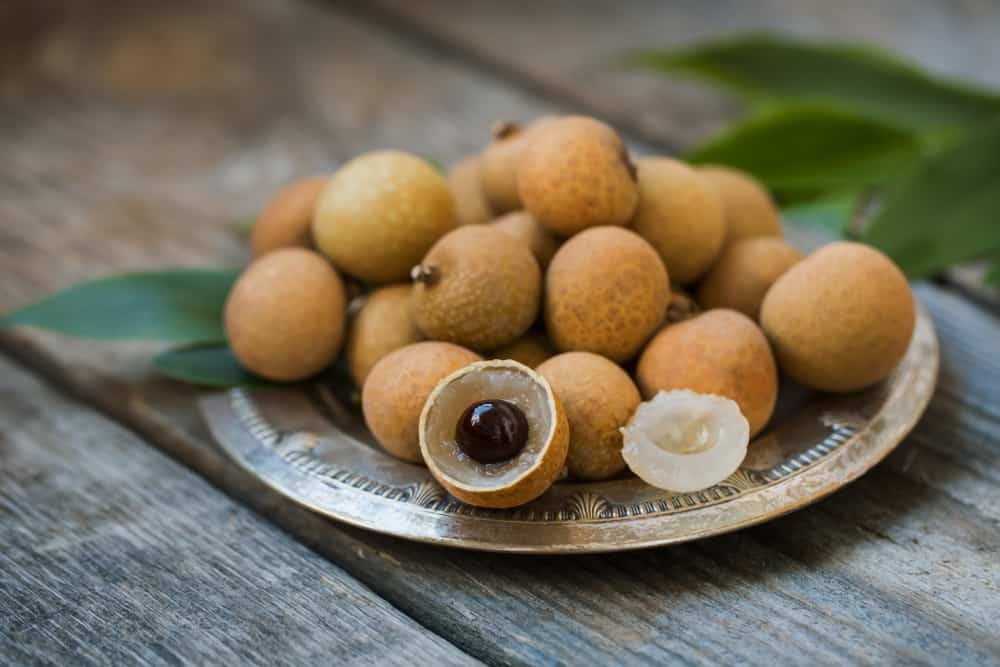
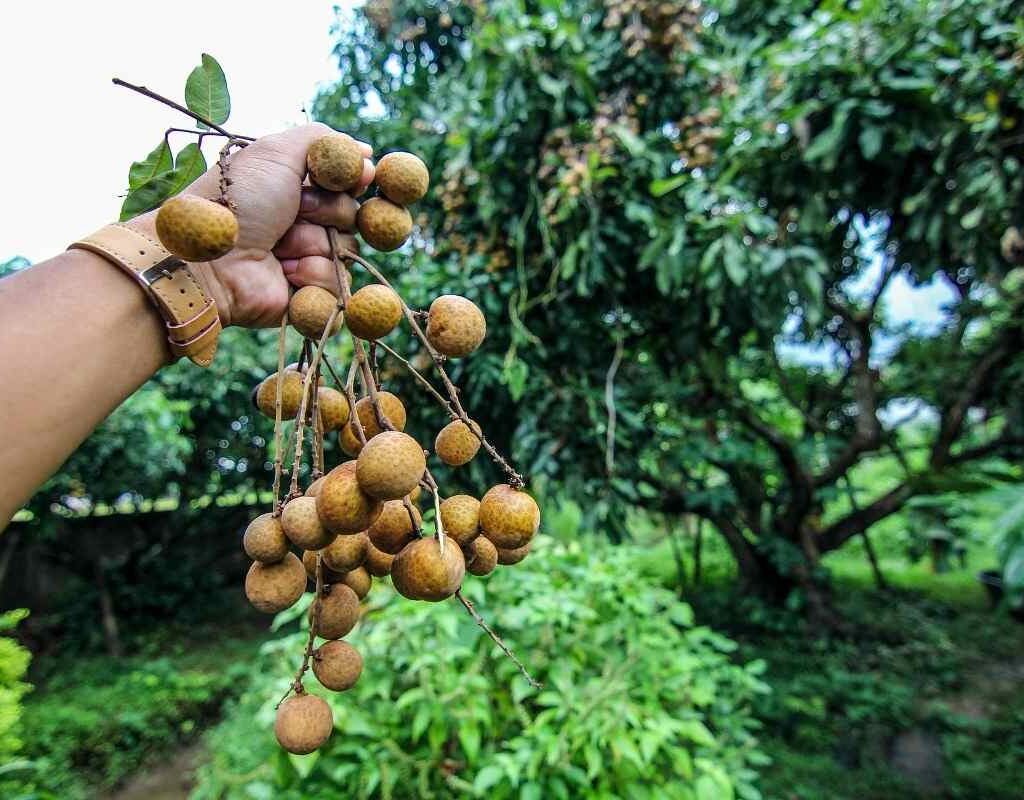
The fruit grows in clusters and has thin, brownish skin with translucent, sweet flesh and a shiny black seed in the center. Its flavor is mildly musky and very refreshing, making it a popular summer treat.
Aside from its delicious taste, longan is packed with vitamin C, iron, and antioxidants, known to boost immunity and support skin health.
Why Grow Longan in a Pot?

Growing longan in a pot offers flexibility and control, especially for those living in cities or regions with limited space. Here are some benefits:
- Space-Saving: Perfect for balconies or small gardens.
- Mobility: You can move the pot to protect the plant from extreme heat or cold.
- Control: Easier to manage watering, fertilizing, and pruning.
- Aesthetic Appeal: A potted longan tree adds tropical beauty to your space.
By choosing the right pot and care routine, you can enjoy longan fruits even without a large garden.
Choosing the Right Container
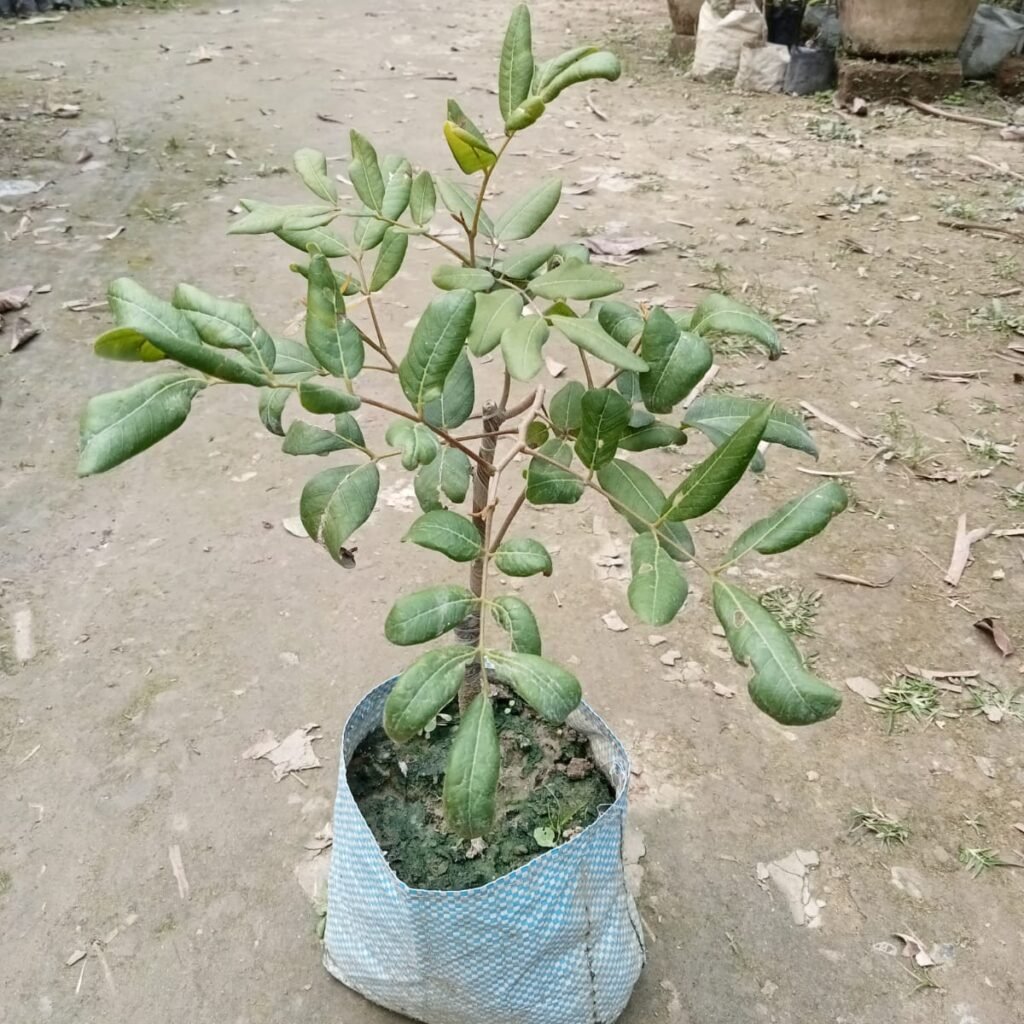
Choosing the proper pot is the first step to success.
- Size: Start with a 20–24 inch pot for a young plant. Once it grows, transplant it into a 30–36 inch pot.
- Material: Use a plastic or clay pot with multiple drainage holes. Plastic pots are lightweight and retain moisture better, while clay pots provide natural aeration.
- Drainage: Good drainage is crucial. Add a layer of small stones or gravel at the bottom to prevent root rot.
Selecting the Best Longan Variety
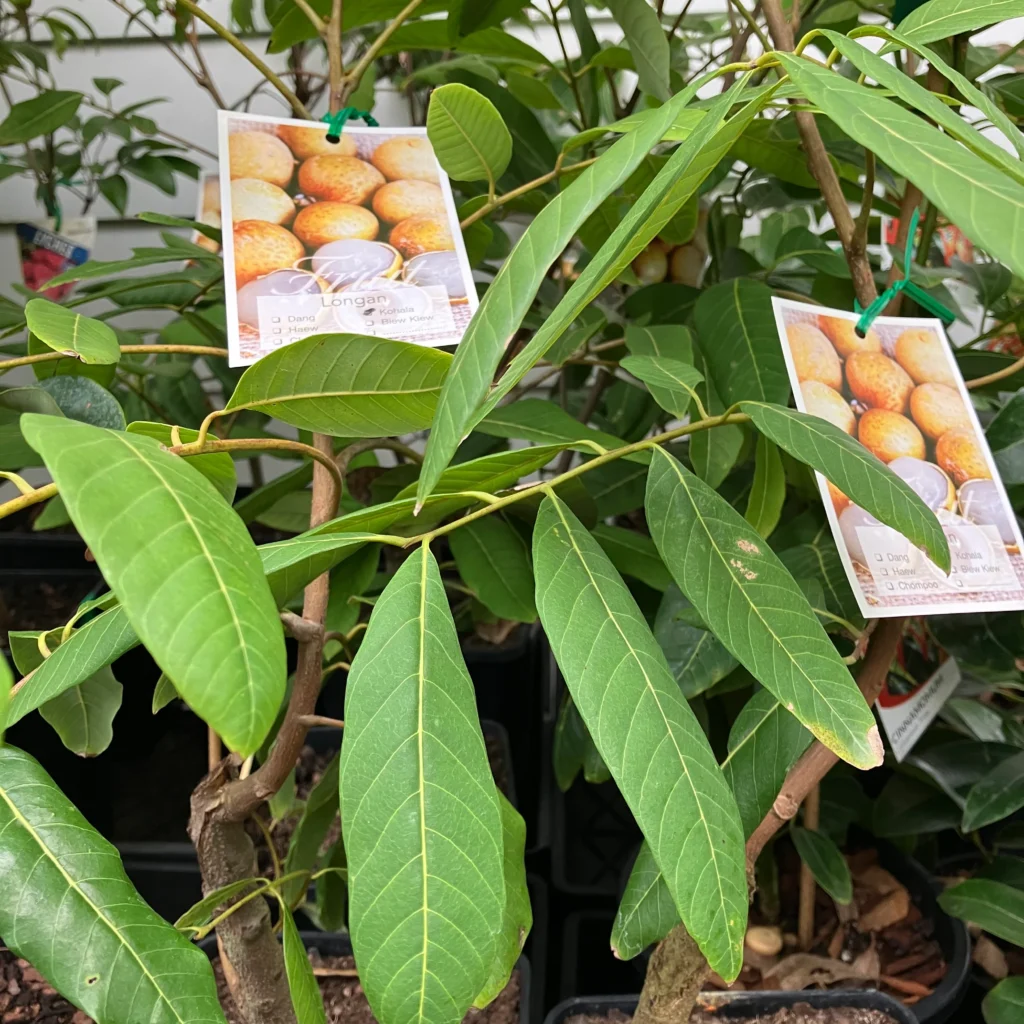
For container growing, choose a variety that adapts well to pot conditions and produces high-quality fruits.
Popular varieties include:
- Kohala: A dwarf type, perfect for container growing. Sweet and early-fruiting.
- Biew Kiew: High yield and excellent flavor.
- Diamond River: Consistent producer that fruits even in less humid regions.
If possible, buy a grafted longan sapling from a nursery—it fruits much faster (2–4 years) than seed-grown plants (6–8 years).
Growing Longan from Seed
You can also grow longan from seeds, though it requires patience.
1. Collect and Prepare Seeds
- Choose ripe, fresh longan fruits.
- Remove the seeds and wash them to remove any pulp.
- Dry them for a day before planting.
2. Germinate the Seeds
- Soak the seeds in warm water for 24 hours.
- Plant them in a small container filled with moist, well-draining soil.
- Keep them in a warm, shaded area.
Seeds typically germinate within 7–14 days. Once the seedlings reach about 6–8 inches tall, transplant them into larger pots.
Ideal Soil Mix for Longan
Longan trees prefer loamy, well-draining soil that’s rich in organic matter. They dislike waterlogging but need consistent moisture.
Here’s the perfect soil recipe for potted longan:

- 40% garden soil
- 30% compost or cow manure
- 20% sand or perlite
- 10% cocopeat for moisture retention
Mix thoroughly before planting to ensure proper aeration and drainage.
Planting the Longan Tree in a Pot
- Fill the pot two-thirds with your prepared soil mix.
- Place the seedling or sapling in the center.
- Fill in the remaining soil, leaving 1–2 inches from the top of the pot.
- Press gently around the base and water thoroughly.
- Keep the pot in partial sunlight for a week, then move it to full sun.
Sunlight and Temperature Requirements
Longan is a sun-loving tropical plant.
- Sunlight: Provide at least 6–8 hours of full sun daily.
- Temperature: Ideal range is 22°C–35°C (72°F–95°F).
- Protection: Avoid frost and extreme cold; the plant can get damaged below 5°C (41°F).
If you live in a colder region, move your pot indoors during winter or cover it with a frost cloth.
Watering the Longan Tree
Longan requires consistent but moderate watering.
- Keep the soil slightly moist, not soggy.
- Water deeply 2–3 times per week during the growing season.
- In winter, reduce watering frequency.
Use mulch (dry leaves, straw, or coco husk) around the base to retain soil moisture and prevent weeds.
Fertilizing the Longan Plant
Longan trees are heavy feeders, especially when grown in pots. Regular fertilization promotes healthy growth and fruiting.
Fertilizer schedule:
- Every 6–8 weeks: Apply balanced NPK fertilizer (10-10-10).
- During flowering and fruiting: Use potassium-rich fertilizer (e.g., banana peel compost).
- Twice a year: Add organic compost or cow manure.
You can also spray liquid seaweed or compost tea monthly to boost nutrient absorption.
Pruning and Maintenance
Pruning keeps your longan tree manageable and encourages better airflow and fruiting.
- Young Plants: Pinch off the growing tips to encourage branching.
- After Harvest: Remove weak, dead, or overcrowded branches.
- Shape Maintenance: Keep the tree around 4–6 feet tall for easy handling.
Regular pruning also helps increase sunlight exposure to inner branches, improving fruit yield.
Pollination and Flowering
Longan trees produce small yellowish-white flowers in clusters during spring or early summer. These are followed by fruit clusters.
Most longan trees are self-pollinating, but having pollinators like bees around improves fruit set. If pollinators are scarce, gently shake the branches during blooming to help distribute pollen manually.
Grafted plants typically start flowering and fruiting within 2–4 years, while seed-grown trees take longer.
Pest and Disease Management
Longan trees are relatively hardy but can sometimes face pest or disease issues.
Common pests:
- Aphids and scales: Cause leaf curling; spray neem oil or insecticidal soap.
- Fruit flies: Cover developing fruit with mesh or paper bags.
- Mites: Mist leaves regularly to prevent dryness.
Common diseases:
- Root rot: Caused by poor drainage—avoid overwatering.
- Leaf spot: Use organic fungicide and remove infected leaves.
Maintain cleanliness and ensure good airflow around the plant to prevent most problems.
Fruit Development and Harvesting
Once your longan tree starts fruiting, patience will pay off.
- Fruiting Time: Usually 2–4 years for grafted plants; 6–8 years for seed-grown.
- Flower to Harvest: About 4–5 months after flowering.
- Maturity Sign: Fruits turn light brown and slightly soft.
Harvest the entire cluster using pruning shears. Handle carefully to avoid bruising the delicate skin.
Fresh longans can be eaten raw, added to desserts, made into juice, or even dried for long-term storage.
Tips for Growing Longan in Pots
- Repot every 2–3 years – Refresh soil and upgrade the pot size.
- Support young trees – Use a small stake to keep them upright.
- Avoid frequent root disturbance – Longan roots are sensitive.
- Use rainwater or filtered water – Avoid chlorine-heavy tap water.
- Ensure full sunlight – Place the pot where it gets maximum daylight.
Health Benefits of Longan Fruit
Longan fruit isn’t just delicious—it’s a nutritional powerhouse.
- Rich in Vitamin C: Boosts immunity and skin health.
- Antioxidant-Rich: Fights oxidative stress and inflammation.
- Improves Sleep and Calmness: Longan is known in traditional medicine for its soothing properties.
- Supports Digestion: High fiber content aids gut health.
- Promotes Energy: Natural sugars provide instant energy.
Adding longan fruit to your diet offers both taste and wellness benefits.
Common Problems and Solutions
1. No Flowers or Fruits:
- Reason: Lack of sunlight or too much nitrogen fertilizer.
- Solution: Provide full sun and reduce nitrogen feeding during the flowering phase.
2. Yellowing Leaves:

- Reason: Overwatering or poor drainage.
- Solution: Check drainage holes and water only when the topsoil feels dry.
3. Leaf Drop in Winter:
- Reason: Temperature stress.
- Solution: Move the pot to a warmer location and avoid cold drafts.
Final Thoughts
Growing a longan tree in a pot may take time, but the reward of harvesting fresh, homegrown longans makes it worth every effort. With proper sunlight, balanced watering, and consistent care, your container-grown longan tree will thrive and fruit beautifully.
Even in small urban spaces, you can enjoy the tropical charm and sweetness of this incredible fruit. So, start today—plant a longan tree in a pot, nurture it patiently, and soon you’ll be savoring delicious, juicy fruits picked straight from your own mini orchard.

Leave A Comment