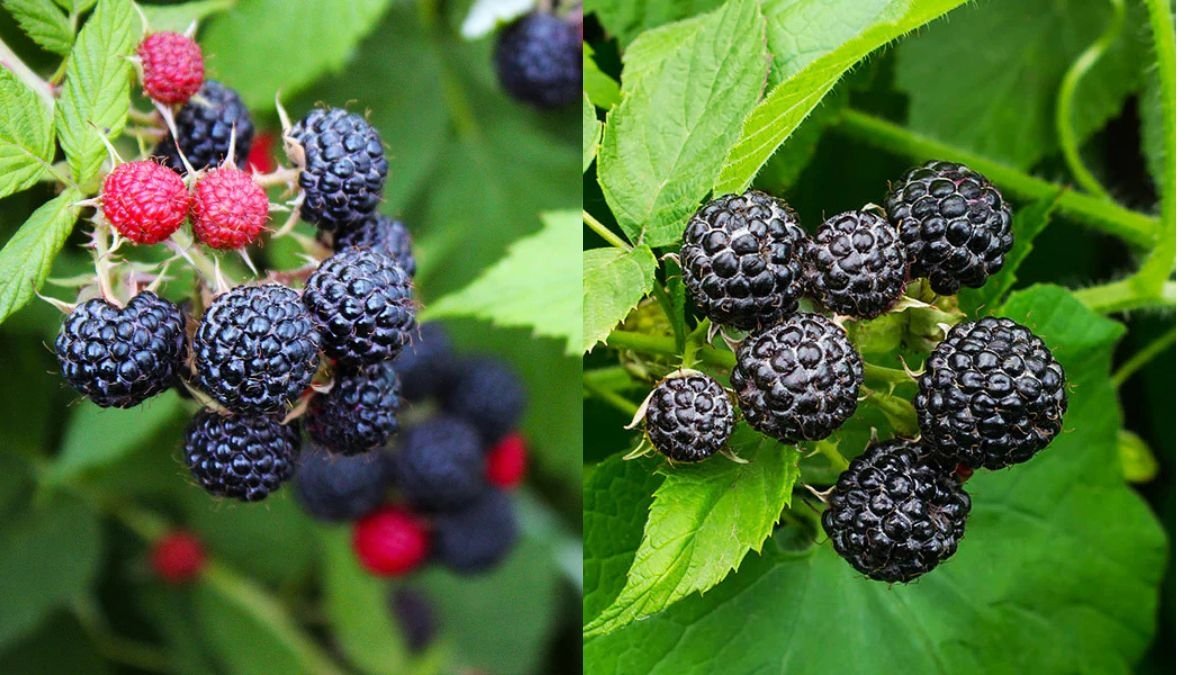
Black raspberries — often called “blackcaps” — are a gardener’s delight and a superfruit packed with intense flavor, deep color, and powerful health benefits. While they may look similar to blackberries, these berries have a unique tangy-sweet taste and are bursting with antioxidants. Growing black raspberries at home is not only rewarding but surprisingly simple once you understand their needs.
This detailed guide covers everything you need to know about growing black raspberries successfully, from selecting the right variety to pruning, pest control, and harvesting. Get ready for your own black raspberry bonanza!
What Are Black Raspberries?
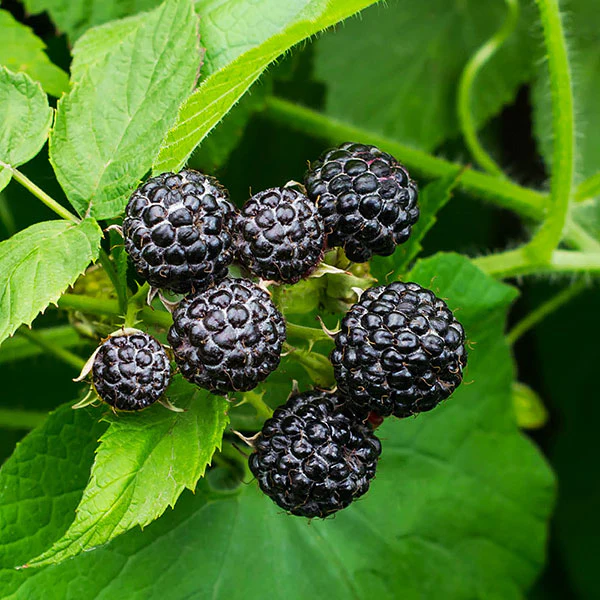
Black raspberries (Rubus occidentalis) are native to North America and belong to the rose family (Rosaceae). They are closely related to red raspberries but differ in both color and flavor. When ripe, black raspberries are deep purple to nearly black, with a hollow center — unlike blackberries, which are solid inside.
Their flavor is richer and more complex than red raspberries — slightly earthy, sweet, and tart all at once. These berries are excellent for eating fresh, making jams, or using in baked goods and smoothies.
Beyond taste, black raspberries are renowned for their exceptional nutritional value. They contain high levels of anthocyanins — powerful antioxidants that help fight inflammation, improve cardiovascular health, and may even protect against certain cancers.
Why Grow Black Raspberries?
Growing black raspberries offers multiple benefits for gardeners and homesteaders alike:
- Exceptional Flavor: Deep, sweet, and slightly tart — a gourmet experience.
- High Nutrient Value: Rich in vitamins C, E, and antioxidants.
- Productive and Hardy: Once established, plants produce abundant fruit yearly.
- Perfect for Small Gardens: Compact and easy to train on trellises or supports.
With the right care, a single mature plant can yield several pounds of fruit each season — truly a bonanza of berries!
Best Varieties of Black Raspberries
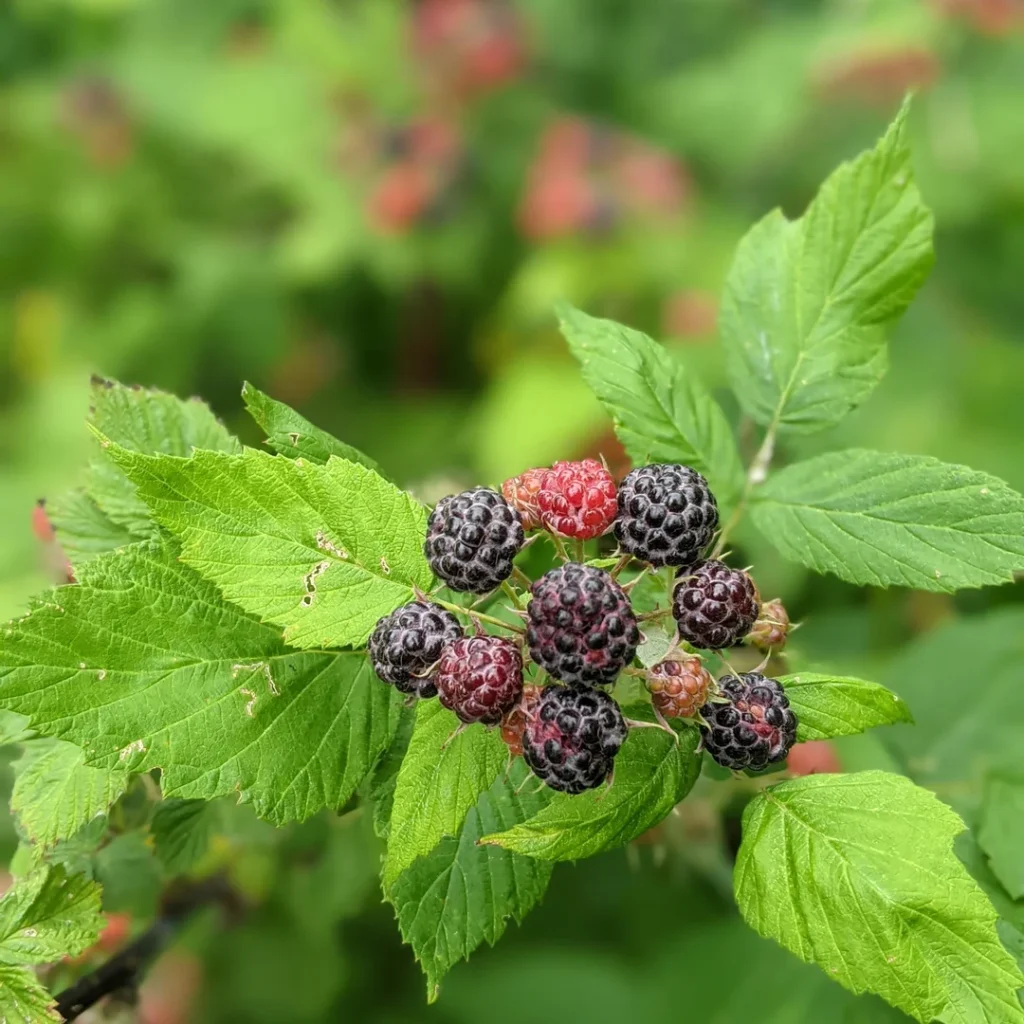
Choosing the right variety ensures strong growth, good yields, and disease resistance. Here are some popular options for home gardeners:
- ‘Bristol’: Early-ripening, large, firm berries with great flavor; very hardy.
- ‘Jewel’: Midseason variety with glossy, sweet-tart fruit; excellent disease resistance.
- ‘Black Hawk’: Late-ripening, high yields, and large berries.
- ‘Munger’: Classic, flavorful variety ideal for freezing or canning.
If you live in colder climates (zones 4–7), ‘Bristol’ and ‘Jewel’ are particularly reliable choices.
Ideal Growing Conditions
Black raspberries thrive in temperate climates and need the right combination of sunlight, soil, and drainage to flourish.

1. Sunlight
- Full sun (6–8 hours daily) ensures vigorous growth and high fruit production.
- In extremely hot areas, light afternoon shade can prevent leaf scorch.
2. Soil
- Type: Well-drained loamy soil enriched with organic matter.
- pH: Slightly acidic, between 5.5 and 6.5.
- Drainage: Avoid heavy clay or waterlogged soil, which promotes root rot.
Before planting, work compost or aged manure into the soil to improve fertility and structure.
3. Climate
- Ideal for USDA Zones 4–8.
- Tolerant of cold winters but may need protection in regions with severe frost.
How to Plant Black Raspberries
1. When to Plant
The best time to plant black raspberries is early spring, once the soil is workable but before new growth begins. In warmer regions, you can also plant in fall.
2. Choosing a Site
Select a location with good air circulation and sunlight. Avoid planting near wild brambles or previously used raspberry beds, as they can harbor diseases like mosaic virus or root rot.
3. Planting Steps
- Dig a hole or trench wide enough to spread out the roots comfortably.
- Set the plant so the crown is 1–2 inches below the soil surface.
- Space plants 3–4 feet apart, with rows 8–10 feet apart for airflow.
- Backfill with soil and firm gently around the roots.
- Water deeply after planting and add a layer of mulch to retain moisture.
Trellising and Support
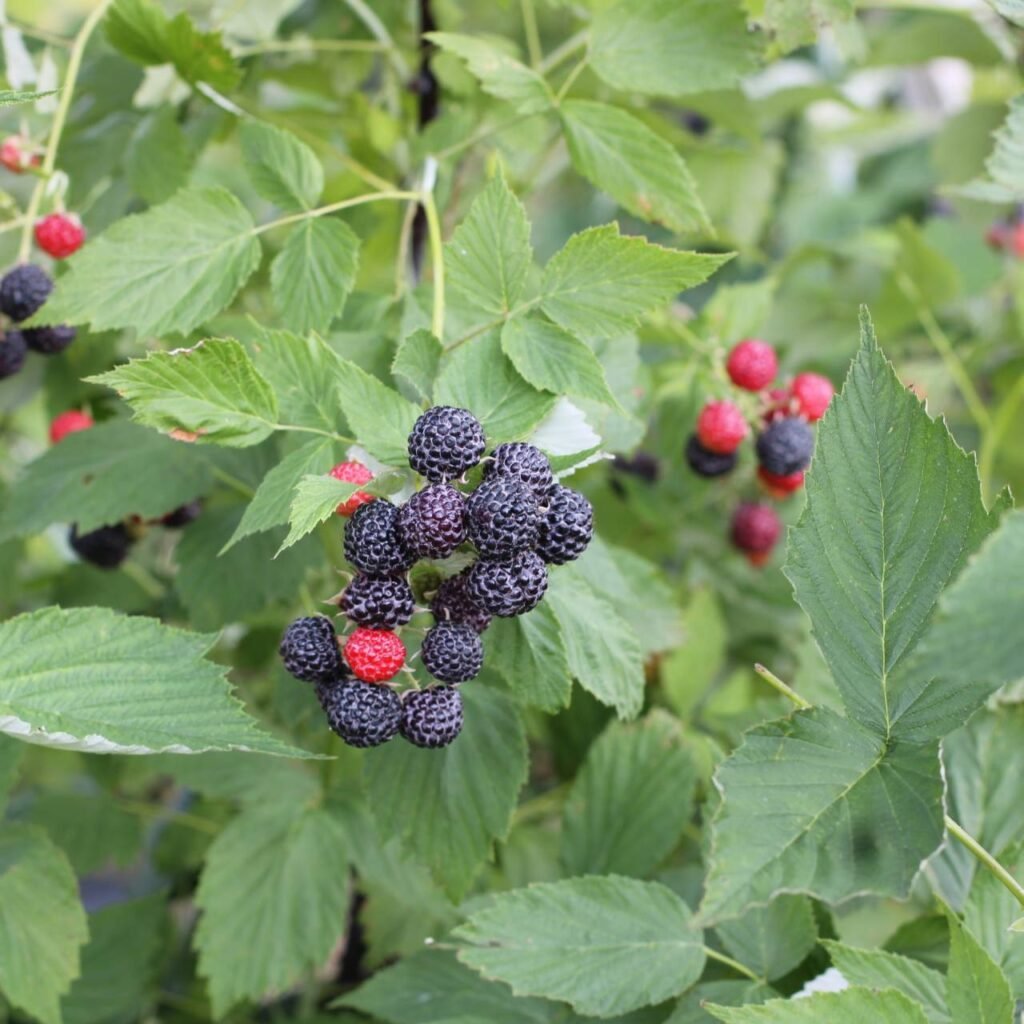
Black raspberries grow on arching canes that can reach up to 4–6 feet long. Without support, they may sprawl on the ground, leading to disease and smaller fruit. Trellising helps keep canes upright and productive.
Simple Trellis Setup:
- Install sturdy posts 15–20 feet apart.
- Stretch two wires horizontally between them — one at 3 feet and another at 5 feet high.
- As canes grow, tie them loosely to the wires using soft ties or twine.
This system keeps the plants tidy, improves sunlight exposure, and makes harvesting much easier.

Caring for Black Raspberry Plants
1. Watering
- Keep the soil evenly moist, especially during flowering and fruit development.
- Avoid overhead watering — use drip irrigation or water at the base to reduce fungal risk.
2. Mulching
- Maintain a 2–3 inch layer of organic mulch (straw, pine needles, or wood chips).
- Mulch helps retain moisture, regulate temperature, and suppress weeds.
3. Fertilizing
- Apply a balanced fertilizer (10-10-10) in early spring before new growth begins.
- Avoid over-fertilizing — excessive nitrogen causes lush foliage but fewer berries.
- Side-dress with compost or aged manure midseason for added nutrition.
Pruning Black Raspberries
Pruning is crucial for healthy, high-yielding black raspberry plants. Their canes follow a two-year growth cycle:
- Primocanes (first-year canes): Grow vegetatively and do not produce fruit.
- Floricanes (second-year canes): Bear fruit, then die back after harvest.
1. Summer Pruning (Tipping)
- When primocanes reach 24–30 inches tall, pinch or cut off the top 2–3 inches.
- This encourages lateral branching and increases the number of fruiting sites for next year.
2. Late Winter/Early Spring Pruning
- Before new growth starts, remove all dead floricanes at ground level.
- Thin remaining primocanes to 5–7 strong canes per plant.
- Shorten lateral branches to 8–10 inches to promote larger berries.
Consistent pruning keeps plants manageable, boosts yield, and reduces disease risk.
Pollination and Fruit Set
Black raspberries are self-fertile, so you only need one plant to get fruit. However, having multiple plants nearby can improve pollination and increase yields. Bees are the main pollinators, so maintaining a pollinator-friendly garden with flowers nearby helps boost productivity.
Pest and Disease Management
Though black raspberries are generally hardy, they can face challenges from certain pests and diseases.
Common Pests
- Aphids: Cause curling leaves; control with insecticidal soap or neem oil.
- Spider Mites: Thrive in dry weather; wash leaves regularly or use organic sprays.
- Japanese Beetles: Handpick or cover plants with mesh during infestations.
Common Diseases
- Anthracnose: Fungal disease causing gray spots on canes. Prune out affected parts and ensure good air circulation.
- Verticillium Wilt: Avoid planting near tomatoes, potatoes, or peppers to prevent soil-borne infection.
- Cane Blight: Remove old canes promptly after harvest and disinfect tools.
Keeping your planting area clean, removing debris, and providing proper spacing are the best preventive measures.

Harvesting Black Raspberries
Black raspberries typically ripen in mid to late summer, depending on your climate and variety.
When to Harvest
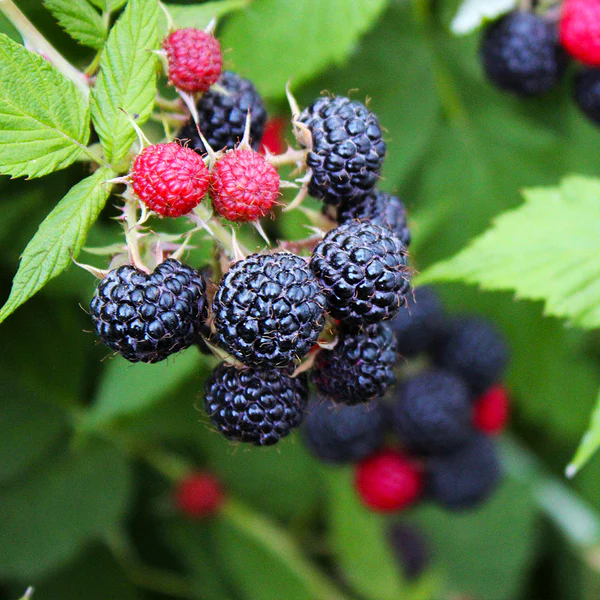
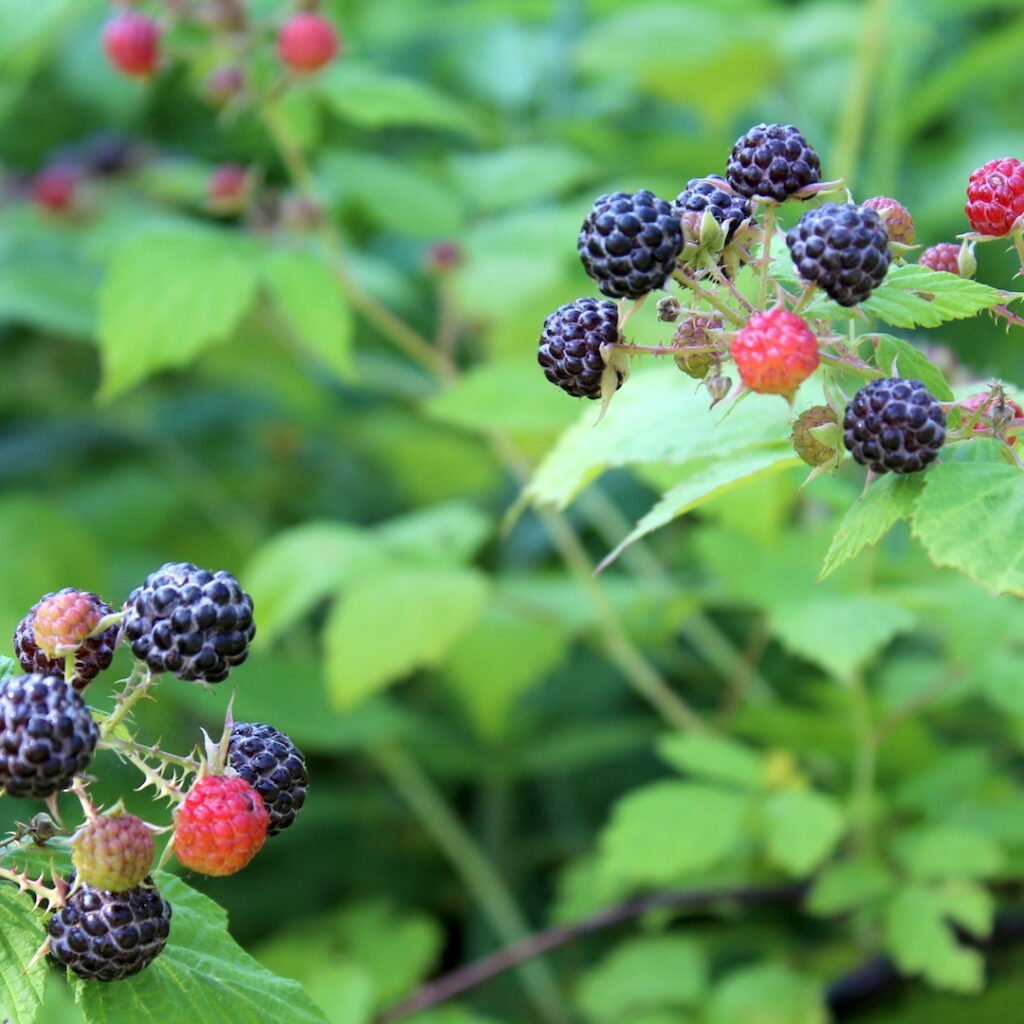
- The berries start out red and turn deep purple-black when ripe.
- Ripe berries are soft, full, and easily detach from the stem.
How to Harvest
- Pick early in the morning when the fruit is cool and firm.
- Handle gently — black raspberries are delicate and bruise easily.
- Harvest every 2–3 days during peak season.
Storage
- Store fresh berries in a shallow container in the refrigerator; they’ll last 3–5 days.
- For long-term storage, freeze the berries in a single layer on a tray, then transfer them to airtight bags.
Uses and Benefits
Black raspberries are incredibly versatile:
- Fresh Eating: Enjoy them right off the bush.
- Preserves: Perfect for jams, jellies, and syrups.
- Desserts: Ideal for pies, tarts, muffins, and ice cream.
- Health Boost: Packed with antioxidants, vitamins, and minerals for immune and heart health.
Their intense color and flavor also make them a favorite for homemade wines and natural food dyes.
Preparing for Next Year’s Bonanza
After harvesting, prepare your plants for the next growing season:
- Remove all spent floricanes.
- Train new primocanes onto the trellis for next year’s crop.
- Apply mulch and water deeply before winter.
- In colder climates, protect canes with straw or fabric covers.
With consistent care and proper pruning, your plants will reward you with abundant crops for up to 10 years or more.

Conclusion
Growing black raspberries is an immensely rewarding experience for gardeners of all skill levels. These flavorful, nutrient-rich berries not only brighten your summer but also provide years of reliable harvests with minimal effort.
By providing well-drained soil, proper trellising, and regular pruning, you’ll create the perfect conditions for a black raspberry bonanza — a bounty of sweet, dark berries bursting with flavor and health benefits.
Whether you enjoy them fresh, baked into desserts, or turned into rich jams, black raspberries will quickly become the crown jewel of your home garden — a true celebration of taste, health, and homegrown goodness.

Leave A Comment