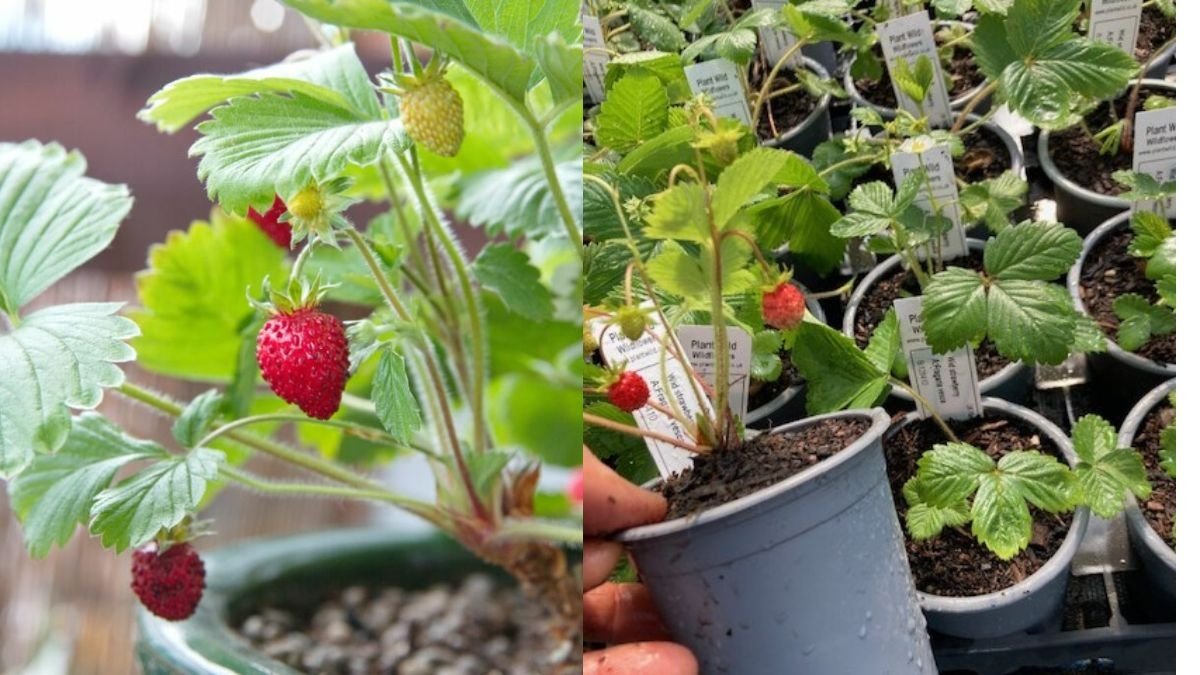
Alpine strawberries (Fragaria vesca), often called wild strawberries or woodland strawberries, are small but mighty treasures of the garden. Unlike the larger commercial varieties, these dainty fruits are known for their intense aroma, exceptional sweetness, and charming appearance. They’re easy to grow, highly ornamental, and perfect for pots, garden borders, or even window boxes.
If you want to expand your strawberry patch or grow new plants without buying more seedlings, dividing alpine strawberry plants is one of the best and simplest propagation methods. In this guide, you’ll learn how to divide alpine strawberries successfully, how to care for the new divisions, and how to grow them in pots for an abundant harvest all season long.
Understanding Alpine Strawberries
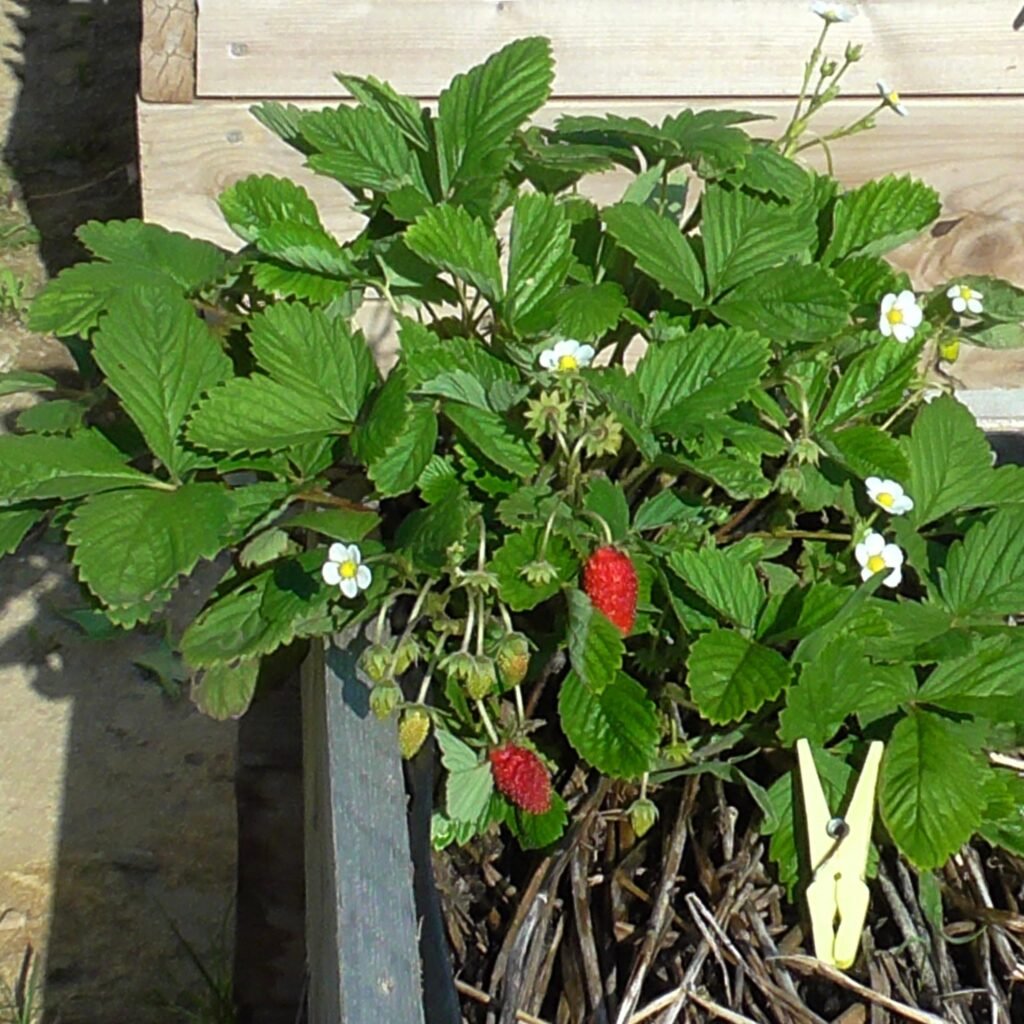
Alpine strawberries are native to Europe and have been cherished for centuries for their delicate, fragrant berries. Unlike traditional strawberries, alpine varieties are runnerless, meaning they don’t spread aggressively. Instead, they grow in small clumps that can be divided every few years to create new plants.
Key traits of alpine strawberries:
- Botanical name: Fragaria vesca
- Type: Perennial herb
- Growth habit: Compact, clump-forming (no runners)
- Fruit size: Small, conical, and intensely flavored
- Light needs: Full sun to partial shade
- USDA Zones: 5–9 (with protection in colder areas)
Because they don’t produce runners, alpine strawberries are perfect for container gardening and small spaces, offering a steady harvest of sweet berries from late spring through early autumn.
Why Divide Alpine Strawberries?
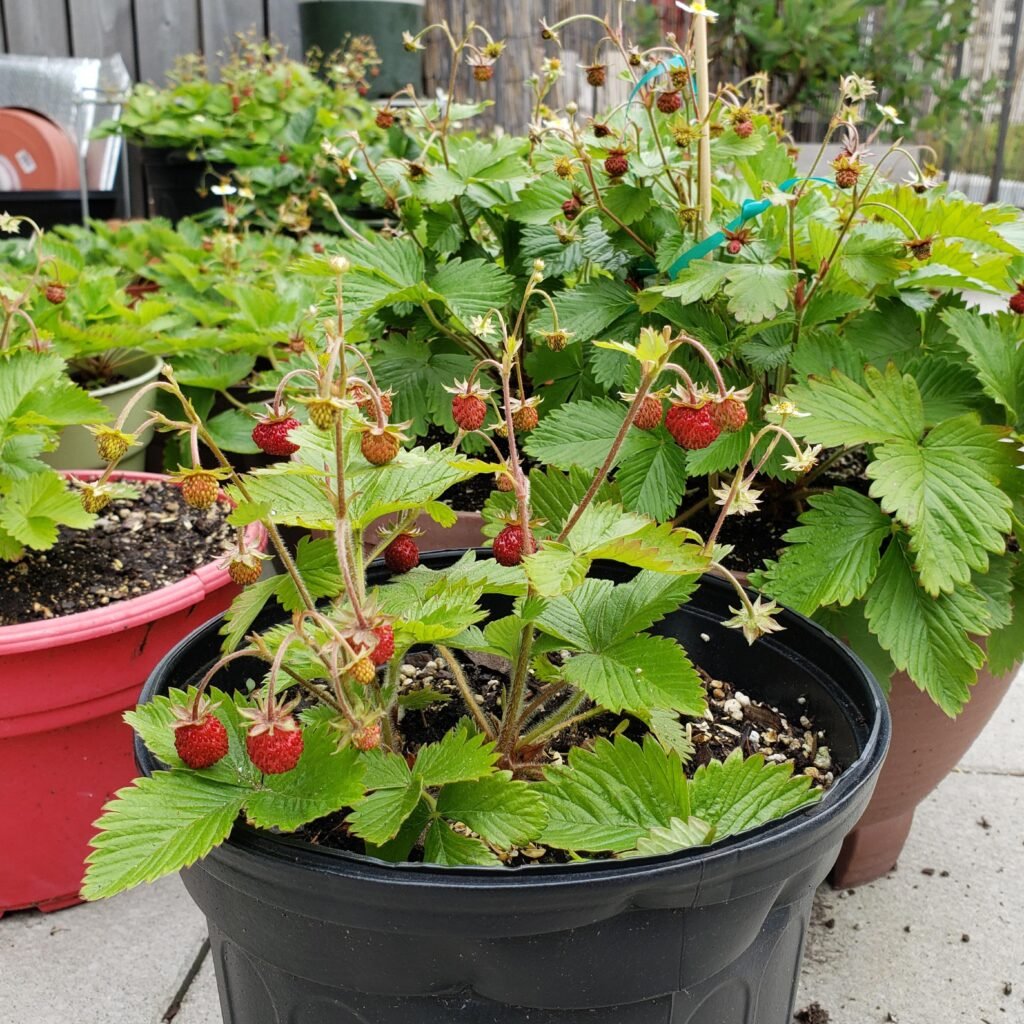
Dividing alpine strawberry plants is not only a great way to expand your garden but also to rejuvenate older clumps. Over time, mature plants can become crowded and less productive. Division helps to:
- Reinvigorate growth: Freshly divided plants produce stronger roots and more flowers.
- Multiply plants: Turn one plant into several healthy new ones.
- Prevent disease: Reduces overcrowding and improves air circulation.
- Maintain productivity: Keeps your strawberry bed yielding heavily year after year.
If your alpine strawberry plants are 2–3 years old and producing fewer fruits, it’s time to divide and renew them.
When to Divide Alpine Strawberries
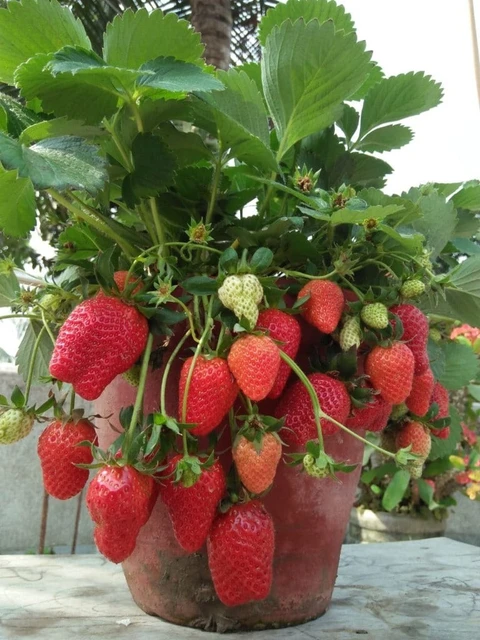
Timing is crucial for successful division. The best seasons to divide alpine strawberries are:
- Early Spring: Just as new growth begins but before flowering starts.
- Early Fall: After fruiting ends but while the weather is still mild.
Avoid dividing during extreme heat or freezing conditions, as new divisions need gentle temperatures to reestablish roots.
Tools and Materials You’ll Need
Before you begin dividing, gather the following materials:
- A garden fork or trowel
- Sharp knife or pruning shears
- Compost or organic soil mix
- Pots or planting trays (if potting up new divisions)
- Mulch (straw, pine needles, or shredded leaves)
- Watering can with a fine rose
Clean and disinfect your tools to prevent spreading diseases between plants.
How to Divide Alpine Strawberries
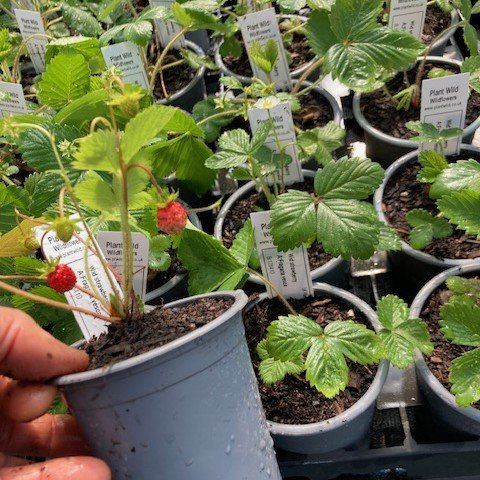
Dividing alpine strawberries is simple and doesn’t require special equipment. Here’s a step-by-step method:
Step 1: Dig Up the Parent Plant
Carefully dig around the base of the alpine strawberry plant using a fork or trowel. Lift the entire clump from the ground, keeping as much of the root system intact as possible.
Step 2: Gently Separate the Crowns
Shake off excess soil and inspect the crown — the point where leaves and roots meet. You’ll notice that mature alpine strawberries form several small crowns connected at the base.
Using your hands or a clean knife, gently separate the clump into smaller sections. Each section should have:
- At least one healthy crown
- A few strong roots attached
Avoid dividing into pieces that are too tiny — smaller divisions may take longer to reestablish.
Step 3: Trim Damaged Roots or Leaves
Remove any dead or yellowing leaves and trim broken roots. This encourages the plant to focus on new growth.
Step 4: Replant Immediately
Replant each division as soon as possible to prevent the roots from drying out.

- In the ground: Space plants 8–10 inches apart in rows about 12–18 inches apart.
- In pots: Choose containers at least 8–10 inches deep with good drainage holes.
Step 5: Water Thoroughly
After planting, water the divisions gently but deeply. Keep the soil consistently moist (not waterlogged) for the first few weeks until new growth appears.
Ideal Growing Conditions for Alpine Strawberries
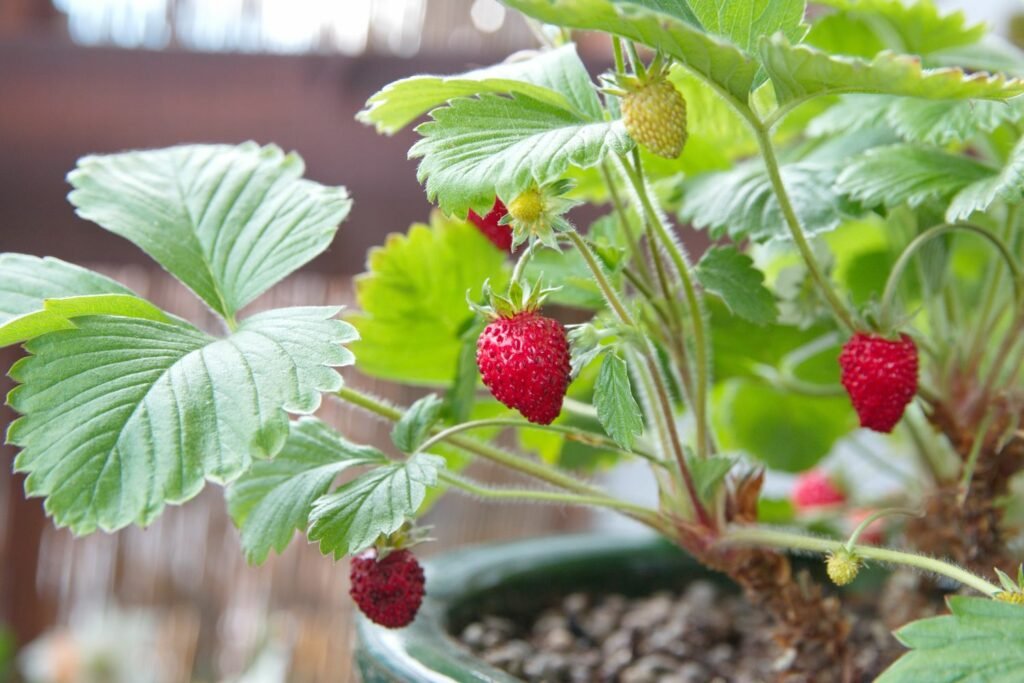
Whether you grow them in the ground or pots, alpine strawberries thrive when given the right conditions:
1. Light
- Prefer full sun for best fruiting.
- In hot climates, provide partial afternoon shade to prevent scorching.
2. Soil
- Type: Loamy, rich in organic matter, and well-drained.
- pH range: 5.5–6.5 (slightly acidic).
- Mix compost or aged manure into the soil before planting for optimal fertility.
3. Watering
- Keep the soil consistently moist, especially during flowering and fruiting.
- Water early in the morning and avoid wetting the foliage to prevent fungal issues.
4. Mulching
- Apply a 2-inch mulch layer around plants to retain moisture, suppress weeds, and keep berries clean.
- Use natural materials like straw, pine needles, or shredded bark.
Growing Alpine Strawberries in Pots
One of the best things about alpine strawberries is how beautifully they adapt to container gardening. Their compact growth makes them ideal for patios, balconies, and even indoor windowsills.
Choosing Containers
- Use terracotta, ceramic, or plastic pots with good drainage holes.
- Ideal size: at least 8 inches deep and 10–12 inches wide per plant.
- Hanging baskets or strawberry pots with side holes work wonderfully for decorative displays.
Potting Mix
- A light, rich, and well-draining mix is essential.
- Use a combination of:
- 1 part garden soil
- 1 part compost
- 1 part perlite or coco peat for aeration
Planting Steps
- Fill the pot with potting mix, leaving 2 inches at the top.
- Position the plant so the crown is just above soil level.
- Backfill gently and firm the soil around the base.
- Water thoroughly after planting.
Container Care
- Place pots in a sunny spot (6–8 hours of light daily).
- Fertilize every 3–4 weeks with an organic liquid fertilizer or compost tea.
- Rotate pots occasionally to ensure even growth.
Feeding and Maintenance
1. Fertilizing
- Apply a balanced fertilizer (10-10-10) in early spring.
- During fruiting, feed with a potassium-rich fertilizer to enhance flavor and yield.
- Avoid excessive nitrogen, which leads to lush leaves but fewer fruits.
2. Pruning
- Regularly remove dead leaves, spent flowers, and runners (if any).
- Trimming helps improve air circulation and reduce fungal diseases.
3. Pests and Diseases
Alpine strawberries are relatively pest-resistant, but watch for:
- Aphids: Control with neem oil or insecticidal soap.
- Slugs and snails: Use crushed eggshells or organic slug traps.
- Gray mold (Botrytis): Avoid overhead watering and ensure good airflow.
Healthy plants grown in well-drained soil and full sun rarely face major issues.
Harvesting Alpine Strawberries
Alpine strawberries begin producing fruit about 3–4 months after planting. Unlike commercial varieties that bear once or twice, alpine types fruit continuously throughout the growing season.
When to Harvest
- Berries are ready when fully red and aromatic.
- Pick gently every 2–3 days to encourage ongoing production.
How to Harvest
- Use your fingers to pluck the ripe berries carefully.
- Avoid pulling too hard to prevent damaging the crown or unripe fruit.
Storage
- Alpine strawberries are best enjoyed fresh as they’re delicate and don’t store well.
- For short-term storage, refrigerate for up to 2 days.
- You can freeze or dehydrate surplus berries for later use.
Revitalizing and Long-Term Care
To keep your alpine strawberry plants productive for years:
- Divide every 2–3 years to refresh clumps and prevent overcrowding.
- Add compost annually to replenish nutrients.
- Replace old plants every 4–5 years, as productivity naturally declines.
In colder regions, protect potted plants in winter by:
- Moving them into a sheltered location.
- Covering with straw or frost cloth to insulate roots.
Creative Uses for Alpine Strawberries
Alpine strawberries are not just tasty but also ornamental. You can use them to:
- Decorate edges of flower beds or herb gardens.
- Grow in hanging baskets for cascading fruit displays.
- Mix with herbs like mint or thyme in container gardens.
- Make desserts, syrups, or preserves bursting with natural sweetness.
Their elegant foliage and small white flowers make them as pretty as they are productive.
Conclusion
Dividing alpine strawberries is a simple yet highly effective way to keep your plants vigorous, multiply your garden stock, and enjoy an endless supply of sweet, aromatic berries. Whether you grow them in garden beds or pots, these compact plants reward you with beauty and flavor from spring through fall.
By following proper division techniques, ensuring fertile soil, and maintaining consistent watering and feeding, you’ll be able to enjoy a continuous harvest of wild-flavored strawberries year after year.

From garden borders to balcony containers, alpine strawberries bring charm, fragrance, and flavor to every space — proving that good things truly do come in small packages!

Leave A Comment