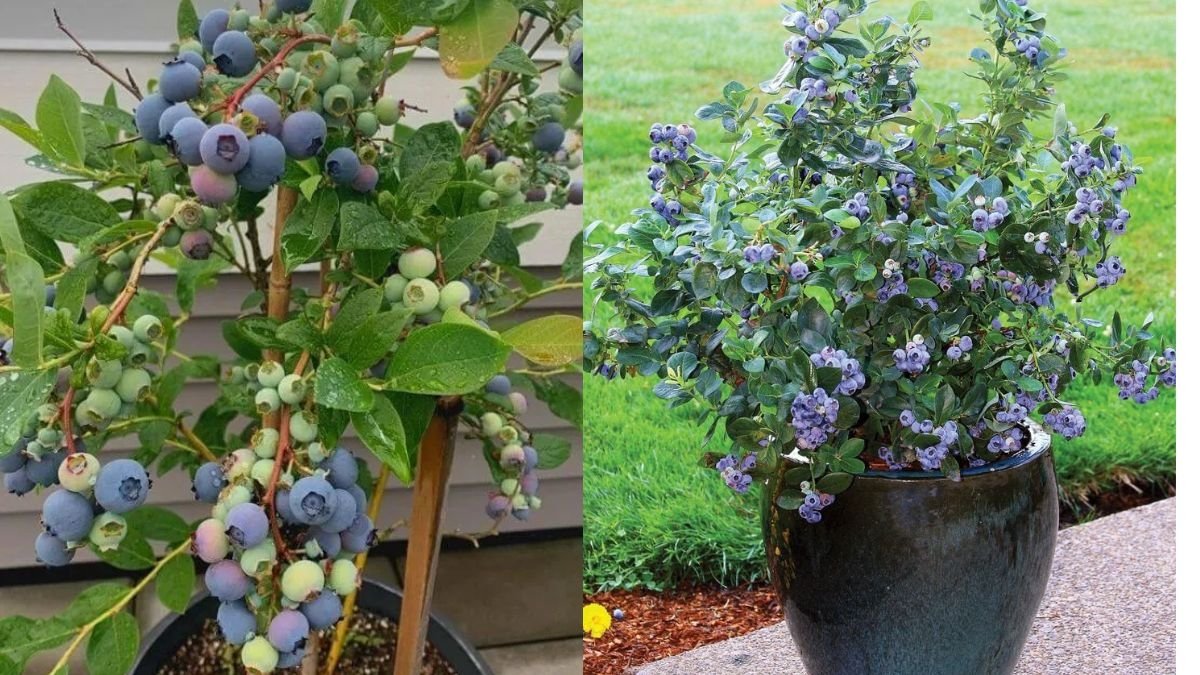
Wild blueberries — small, flavorful, and rich in antioxidants — are among nature’s most remarkable gifts. Unlike their cultivated cousins, wild blueberries grow naturally in forests, fields, and rocky slopes, producing berries that are smaller, sweeter, and more nutritionally potent. While commercial growers often propagate them vegetatively, it’s entirely possible — and highly rewarding — to grow wild blueberries from seed at home.
This comprehensive guide explores every aspect of cultivating wild blueberries from seed: from collecting and preparing the seeds to germinating, transplanting, and caring for your young plants until they bear fruit.
Understanding Wild Blueberries
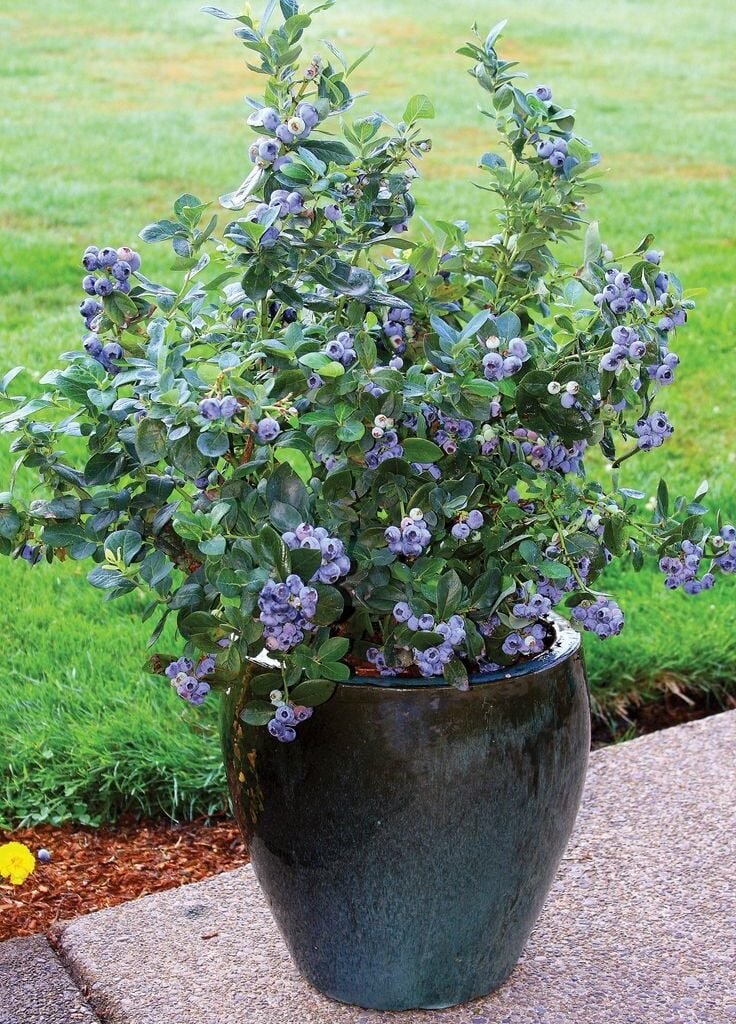
Wild blueberries (Vaccinium angustifolium and Vaccinium myrtilloides) are native to North America, particularly the northeastern United States and Canada. Unlike the highbush blueberries commonly found in supermarkets, wild varieties are low-growing shrubs, forming dense mats that thrive in poor, acidic soils and cold climates.
Key characteristics include:
- Size: Small, 6–12 inches tall.
- Fruit: Tiny, deep-blue berries with intense flavor.
- Habitat: Acidic, well-drained soils in full to partial sun.
- Hardiness: Thrive in USDA Zones 3–6.
Wild blueberries are incredibly resilient and can survive in conditions where most plants struggle — rocky slopes, sandy soil, and even thin forest clearings.
Why Grow Wild Blueberries from Seed?
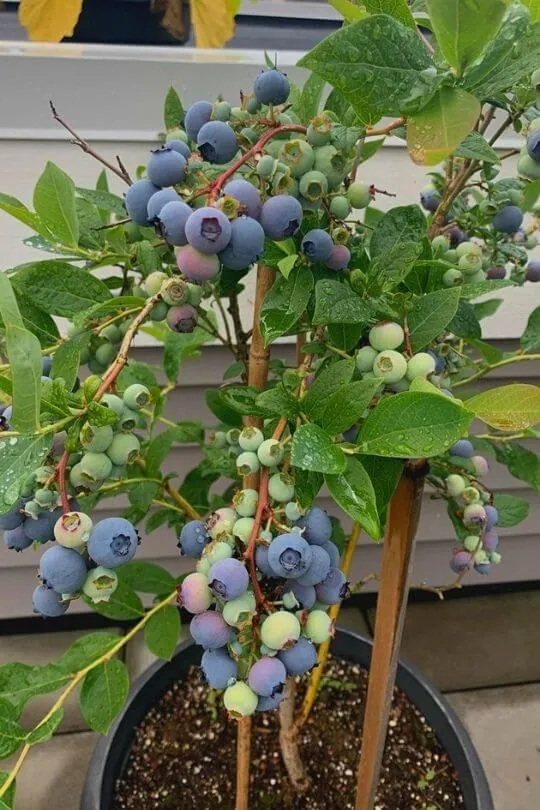
Most blueberry plants sold commercially are propagated through cuttings, but growing from seed has several unique advantages:
- Genetic Diversity: Each seed produces a unique plant, potentially with new flavor, color, or yield traits.
- Cost-Effective: A handful of berries can yield dozens of seedlings.
- Satisfaction: Watching a plant grow from a tiny seed into a fruit-bearing bush is deeply rewarding.
- Natural Adaptation: Seed-grown plants adapt better to local soil and climate over time.
However, patience is key — seed-grown wild blueberries take 3–5 years to produce their first harvest.
Collecting and Preparing Wild Blueberry Seeds
There are two main ways to obtain seeds: from fresh wild berries or from purchased seed packets. Collecting from berries offers the most authentic experience and genetic variety.
1. Collecting Seeds from Fresh Berries
- Gather ripe, wild blueberries — deep blue with a dusty bloom.
- Mash the berries gently in a bowl.
- Add water and stir. Viable seeds will sink to the bottom, while pulp and skin float.
- Pour off the pulp, repeating the process until only clean seeds remain.
- Spread the seeds on a paper towel and let them dry for 2–3 days in a cool, shaded place.
2. Cold Stratification (Mimicking Winter Dormancy)
Blueberry seeds require a cold period (stratification) to break dormancy and stimulate germination.
Here’s how:
- Mix the dried seeds with moist sphagnum moss or peat.
- Place the mixture in a sealed plastic bag.
- Store in the refrigerator at 33–40°F (1–4°C) for 90–120 days.
- Check occasionally to ensure the medium remains slightly moist.
After stratification, your seeds will be ready for germination.
How to Germinate Wild Blueberry Seeds

Once the stratification period is complete, it’s time to sow your seeds.
1. Choose the Right Medium
Use a light, acidic seed-starting mix made of:
- 1 part peat moss
- 1 part coarse sand or perlite
- Optional: a small amount of sulfur powder to lower pH
Aim for a soil pH of 4.5 to 5.2, which mimics the natural habitat of wild blueberries.
2. Sowing the Seeds
- Fill shallow trays or pots with the prepared mix.
- Scatter the seeds thinly on the surface — do not bury them deeply. Blueberry seeds need light to germinate.
- Gently press the seeds into the soil with your fingertip or the back of a spoon.
- Mist lightly with water to settle them in place.
3. Provide Warmth and Light
- Cover the tray with a clear plastic lid or plastic wrap to maintain humidity.
- Place in a warm, bright location (around 65–75°F or 18–24°C).
- Use grow lights if natural light is insufficient.
4. Keep Moist, Not Wet
Mist the surface regularly to keep the soil evenly moist. Avoid waterlogging, which can lead to fungal issues.
Germination can take anywhere from 4 to 8 weeks, depending on temperature and humidity levels. Be patient — wild blueberry seeds are slow starters!
Caring for Seedlings
Once the seedlings appear, remove the plastic cover to improve air circulation. Continue to provide bright, indirect light and maintain consistent moisture.
1. Thinning
When seedlings develop 2–3 true leaves, thin them to prevent overcrowding. Leave the strongest ones, spaced about 2 inches apart.
2. Feeding
After 6–8 weeks, begin feeding with a diluted acidic fertilizer (such as one for azaleas or rhododendrons) every two weeks.
3. Transplanting
When the seedlings reach 2–3 inches tall, transplant them into small individual pots (4–6 inches). Use an acidic, well-draining mix with:
- 2 parts peat moss
- 1 part pine bark
- 1 part perlite
Keep them growing indoors or in a sheltered outdoor area until they are sturdy enough to plant in the garden.
Transplanting Wild Blueberries Outdoors
Once the plants are about 6 inches tall and have established roots, you can transplant them to their permanent location.
1. Best Time to Transplant
- Early spring or early fall are ideal.
- Avoid hot, dry weather that stresses young plants.
2. Site Selection
Choose a site that mimics their natural habitat:
- Sunlight: Full sun to light shade.
- Soil: Sandy, acidic, and well-drained.
- pH: 4.0–5.0.
3. Planting Steps
- Dig holes 8–10 inches deep and 12–18 inches apart.
- Mix peat moss or composted pine needles into the soil to improve acidity and texture.
- Plant seedlings so the top of the root ball is level with the soil surface.
- Backfill gently, firm the soil, and water thoroughly.
- Apply 2–3 inches of mulch (sawdust, bark, or pine needles) to retain moisture and suppress weeds.
Growing Wild Blueberries in Pots
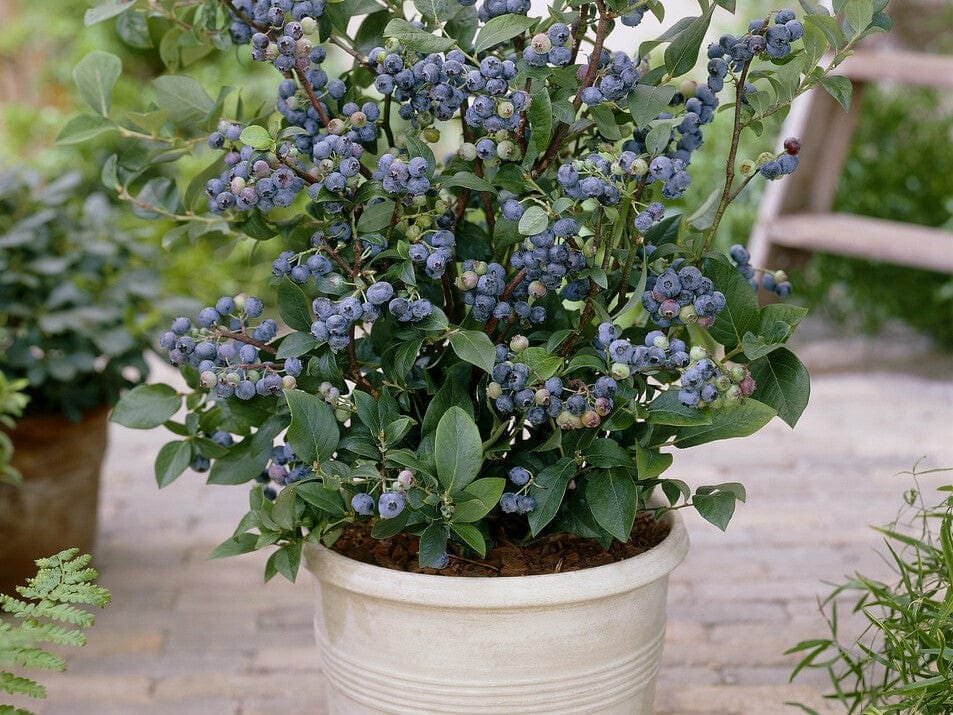
Wild blueberries also thrive beautifully in containers, especially for those with limited garden space.
Container Setup
- Choose pots at least 12 inches deep and wide.
- Ensure good drainage (blueberries dislike soggy roots).
- Use an acidic potting mix made of:
- 2 parts peat moss
- 1 part pine bark
- 1 part perlite
Keep the pots in a sunny area, watering regularly to maintain moisture but never let the soil become waterlogged.
Feeding and Maintenance
- Feed monthly with an acid-loving plant fertilizer during the growing season.
- Refresh the top layer of soil with fresh mix every spring.
- Repot every 2–3 years to prevent root binding and nutrient depletion.
Caring for Established Wild Blueberry Plants
Once established, wild blueberry plants are relatively low-maintenance but do benefit from regular attention.
1. Watering
Blueberries have shallow roots that dry out quickly. Keep soil consistently moist but well-drained, especially during flowering and fruiting.
2. Mulching
Maintain a thick mulch layer year-round. It keeps soil cool, conserves moisture, and prevents weeds from competing for nutrients.
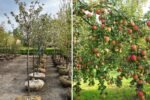
3. Pruning
- For the first 2 years, avoid pruning — let the plants develop.
- Starting in year 3, remove weak or dead branches in late winter or early spring.
- Mature bushes benefit from light pruning every year to encourage new shoots and higher yields.
Pollination and Fruiting
Wild blueberries are partially self-pollinating, but you’ll get larger and more abundant fruit if multiple plants are grown together. Bees and other pollinators play a vital role, so consider planting pollinator-friendly flowers nearby.
Berries usually appear in the third or fourth year after sowing. They start green, turning pink, then deep blue when ripe.
Harvesting Wild Blueberries
Harvest season typically runs from mid-summer to early fall, depending on climate.
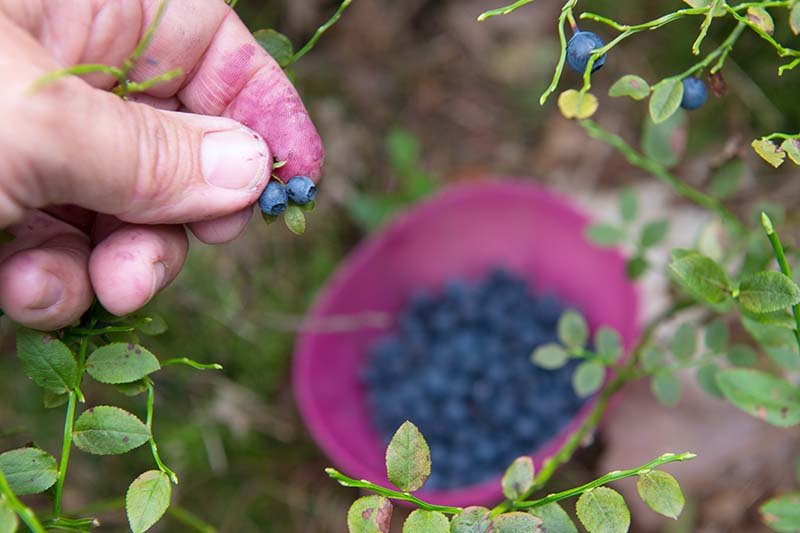
- When to Harvest: Berries are ready when fully blue, soft, and easily detach from the stem.
- How to Harvest: Gently roll the berries off the stem into your palm.
- Yield: A mature wild blueberry plant can produce 1–2 pounds of fruit annually under good care.
For long-term use, you can freeze, dry, or make jams from your harvest.
Pests and Diseases
Wild blueberries are hardy, but they can occasionally suffer from:
- Birds: Use netting during ripening season.
- Root Rot (Phytophthora): Avoid overwatering and ensure good drainage.
- Leaf Spot Diseases: Provide adequate spacing for air circulation.
Applying mulch and maintaining soil health go a long way in preventing issues.
Health Benefits of Wild Blueberries
Wild blueberries are celebrated as one of the most nutrient-dense fruits on Earth. They’re rich in:

- Antioxidants: Especially anthocyanins, which protect against aging and disease.
- Vitamin C and K: Support immune function and bone health.
- Fiber: Aids digestion and supports heart health.
Studies show that regular consumption of wild blueberries can boost brain health, reduce inflammation, and improve cardiovascular function.
Conclusion
Growing wild blueberries from seed is a journey of patience and reward. From tiny specks of seeds to fruit-laden shrubs, the process mirrors nature’s resilience and beauty. By providing the right conditions — acidic soil, ample sunlight, consistent moisture, and proper care — you can successfully cultivate your own patch of wild blueberries right at home.
Whether grown in a forest garden, rocky slope, or sunny balcony pot, these hardy plants will gift you with years of delicious, antioxidant-rich berries. Each harvest will remind you that nurturing something from seed — especially something as precious as wild blueberries — is one of the most satisfying achievements a gardener can experience.
So, gather your seeds, prepare your soil, and embark on your own wild blueberry adventure — a true celebration of patience, nature, and the sweet rewards of homegrown fruit.

Leave A Comment