The American Plum (Prunus americana) is a native North American treasure that’s often overlooked. Found growing wild along roadsides, fence lines, and woodland edges, this hardy tree is both beautiful and productive. It offers fragrant spring blossoms, delicious fruit, and a vital habitat for wildlife. Whether you’re interested in foraging, growing, or simply learning to recognize it, understanding the wild plum is a step into the deep connection between native ecology and human sustenance.
What Is the American Plum?
The American Plum, or wild plum, belongs to the Prunus genus, which includes cherries, peaches, and apricots. It’s a small deciduous tree or large shrub that can grow anywhere between 10 to 25 feet tall. Native across much of the central and eastern United States, it’s an adaptable species capable of thriving in a wide range of soils—from sandy loams to clay.
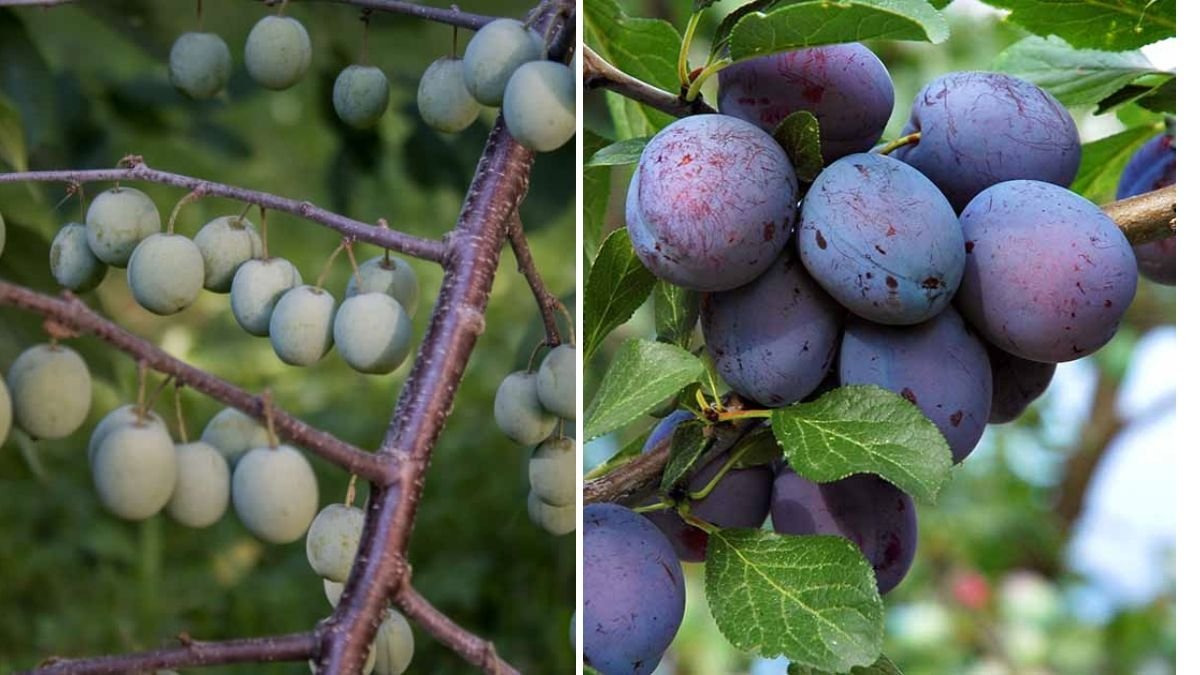
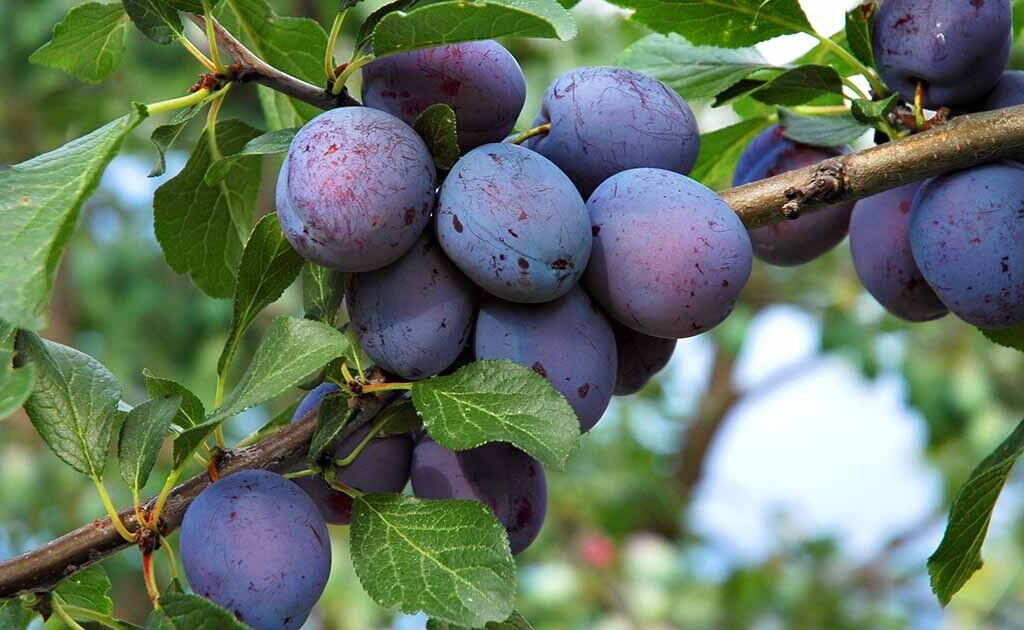
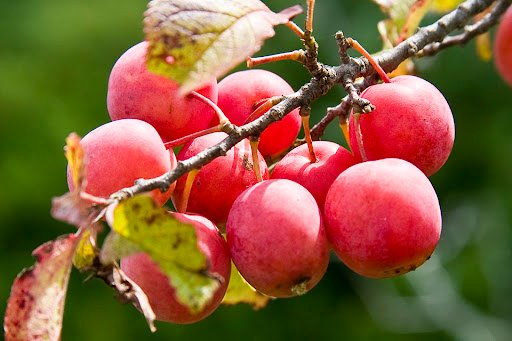
Unlike the large, cultivated plums you find in stores, American plums are smaller, about 1 inch in diameter. Their skins can range from red to yellow or even purplish, depending on ripeness and growing conditions. Despite their tartness, they have a rich, complex flavor ideal for preserves, jellies, and sauces.
How to Identify Wild American Plum
Identification is key before foraging or transplanting any wild species. Here’s how to recognize Prunus americana in different seasons:
1. Leaves
- Oval-shaped with finely serrated edges.
- 2 to 4 inches long with a pointed tip.
- Smooth on the top and slightly fuzzy underneath.
- Turn vibrant yellow to orange in autumn.
2. Flowers
- Bloom in early to mid-spring (March–April).
- White, fragrant blossoms with five petals, appearing before the leaves.
- Flowers grow in small clusters, often covering entire branches.
- Bees and pollinators swarm around them, making these trees valuable for local ecosystems.
3. Fruit
- Round, about ¾ to 1 inch in diameter.
- Color changes from green to yellow, then to reddish or purple when ripe (July–September).
- Flesh is juicy but can be tart, with a single large pit inside.
4. Bark and Twigs
- Bark is dark gray and becomes scaly with age.
- Twigs are reddish-brown and may have small thorns at the tips, a key identifier when distinguishing from other species.
Habitat and Growth Pattern
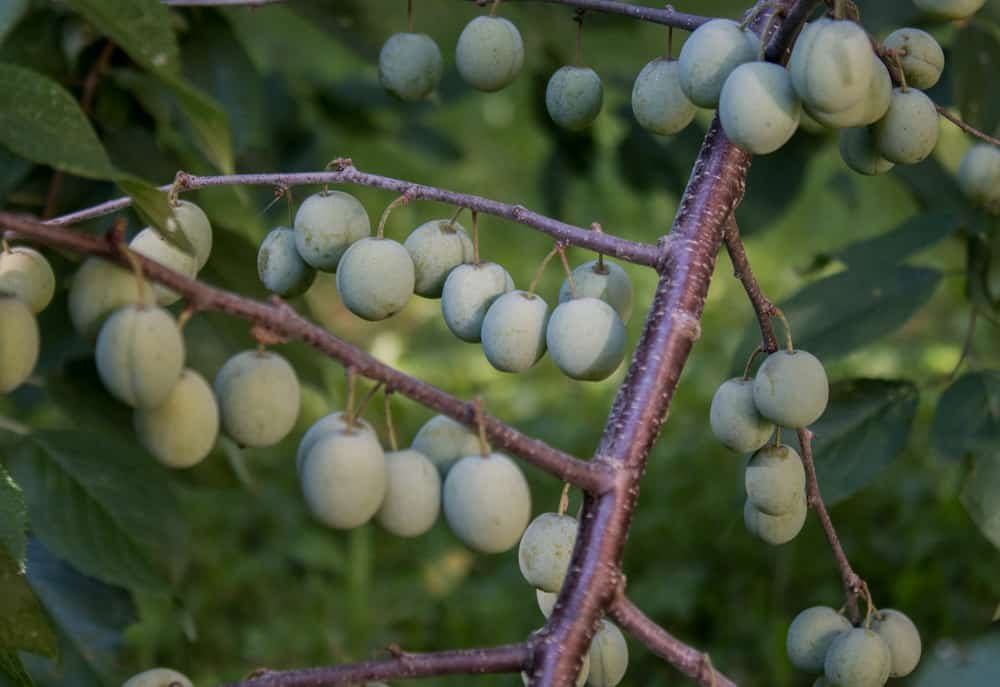
Wild plums are often found in sunny open areas, forest edges, pastures, and along roadsides. They form dense thickets due to their spreading root suckers, which can create small plum groves over time. These thickets serve as valuable shelter and food sources for birds, deer, and small mammals.
American plum is highly cold-tolerant (hardy to USDA Zone 3) and can handle drought conditions once established. It prefers full sun and well-drained soil but can adapt to less-than-ideal environments, making it perfect for wild landscapes or low-maintenance orchards.
Foraging Wild American Plums
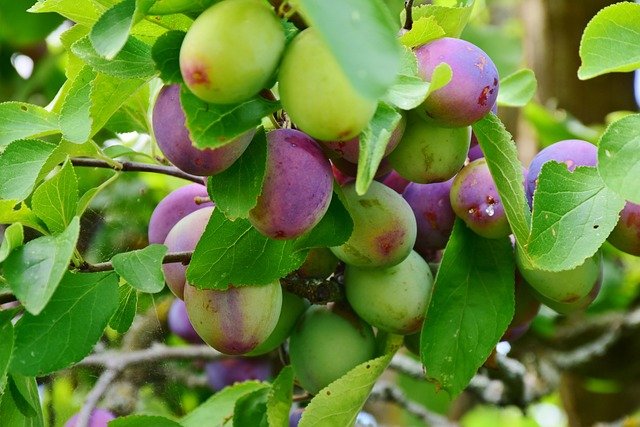
Foraging for wild plums can be an exciting seasonal adventure. Here are a few tips to ensure a successful and sustainable harvest:
1. When to Harvest
- Look for ripe fruit between late July and early September.
- Ripe plums are soft to the touch and easily detach from the branch.
- If they’re still firm and tart, let them hang a bit longer or collect them slightly under-ripe and allow them to ripen indoors.
2. Where to Forage
- Check fencerows, abandoned fields, and woodland margins.
- Avoid areas exposed to pesticide spray or roadside pollution.
- Use local plant ID guides or apps to confirm identification.
3. Ethical Harvesting
- Take only what you’ll use and leave enough fruit for wildlife and natural regeneration.
- Avoid damaging branches or pulling entire plants from the ground.
4. Processing the Fruit
- Wild plums are naturally tart but make excellent jams, jellies, syrups, and wines.
- The skins contain natural pectin—perfect for thickening preserves.
- Try roasting or simmering the fruit to deepen its flavor.
Growing Wild Plums from Seed
If you’d like to cultivate Prunus americana at home, you can grow it from seeds gathered in the wild or from purchased stock.
Step 1: Collect and Clean Seeds
- Collect fully ripe fruit and remove the pits.
- Wash away all pulp and let the seeds dry for a day.
Step 2: Cold Stratification
- Wild plum seeds require a cold, moist dormancy period to germinate.
- Place cleaned seeds in moist sand or peat moss in a plastic bag and refrigerate for 90–120 days.
- Alternatively, plant them in pots outdoors in fall to let natural winter conditions do the work.
Step 3: Planting
- After stratification, plant seeds 1–2 inches deep in well-draining soil.
- Keep the soil moist but not waterlogged.
- Seedlings usually emerge in 1–2 months.
Step 4: Transplanting
- Once seedlings reach about 6 inches tall, transplant them into the garden in spring.
- Space trees about 12–15 feet apart to allow for mature growth.
- Mulch around the base to retain moisture and suppress weeds.
Caring for Young Trees
- Watering: Young trees need consistent moisture during their first year. Once established, they are drought-tolerant.
- Pruning: Prune in late winter to remove crossing branches and encourage open structure.
- Fertilization: Wild plums generally don’t require fertilizer, but a balanced organic compost in spring can boost fruiting.
- Pests and Diseases: Watch for tent caterpillars, plum curculio, and black knot fungus. Regular pruning and proper air circulation help reduce problems.
Propagation by Suckers
American plums naturally produce root suckers that can be used for propagation. In early spring or fall:

- Dig up a sucker with roots attached.
- Transplant it into a new location, ensuring it stays moist during establishment.
This is one of the easiest ways to expand your plum grove with genetically identical plants.
Uses of American Plum
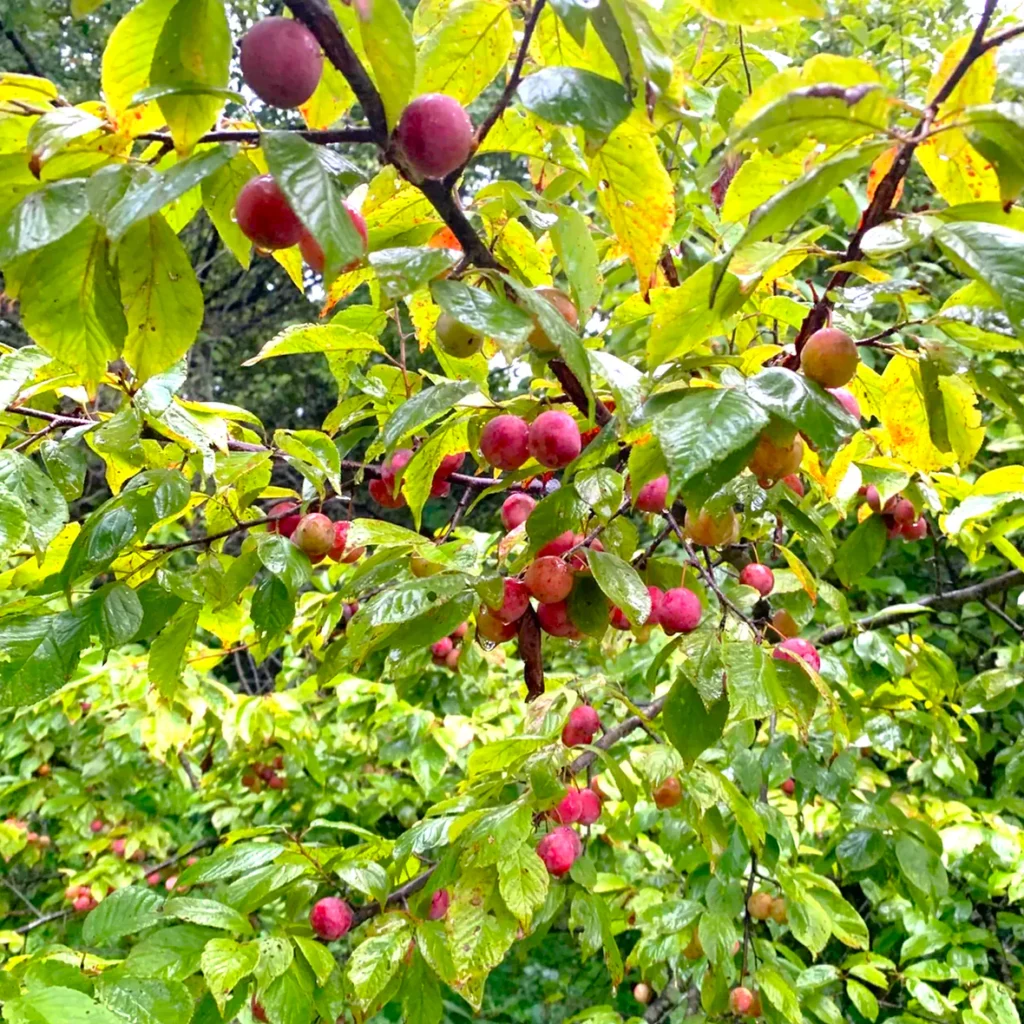
The fruit of the wild plum is incredibly versatile:
- Jams and Jellies: Their natural tartness balances perfectly with sugar for spreads.
- Syrups and Sauces: Great for glazing meats or drizzling over pancakes.
- Fermentation: Can be used to make wild plum wine or brandy.
- Wildlife Food: Provides essential nutrition for birds, deer, and pollinators.
Beyond fruit production, the American Plum also serves ornamental purposes. Its dense branching and beautiful spring blossoms make it an excellent hedgerow or natural windbreak.
Ecological Importance
Wild plums are vital to native ecosystems. They attract a variety of pollinators, including native bees and butterflies, and provide early spring nectar when few other plants are in bloom. The dense thickets also serve as nesting habitats and protective cover for wildlife.
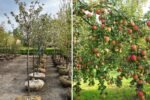
In addition, Prunus americana is used in ecological restoration projects to stabilize soil and reintroduce native flora. Its adaptability makes it an excellent choice for rewilding efforts.
Final Thoughts
The wild American plum is a living link between the natural world and human history. Indigenous peoples and early settlers both valued it for its flavor, versatility, and reliability. Today, it continues to offer beauty, food, and ecological benefits.
Learning to identify, forage, and even grow Prunus americana connects you to centuries of tradition and nature’s seasonal rhythms. Whether you’re wandering through a field of fragrant blossoms in spring or harvesting the ruby-red fruit in late summer, the wild plum stands as a reminder of the abundance and resilience of the natural world.

In cultivating or foraging this remarkable tree, you’re not just harvesting fruit—you’re preserving a native heritage that deserves to thrive for generations to come.

Leave A Comment