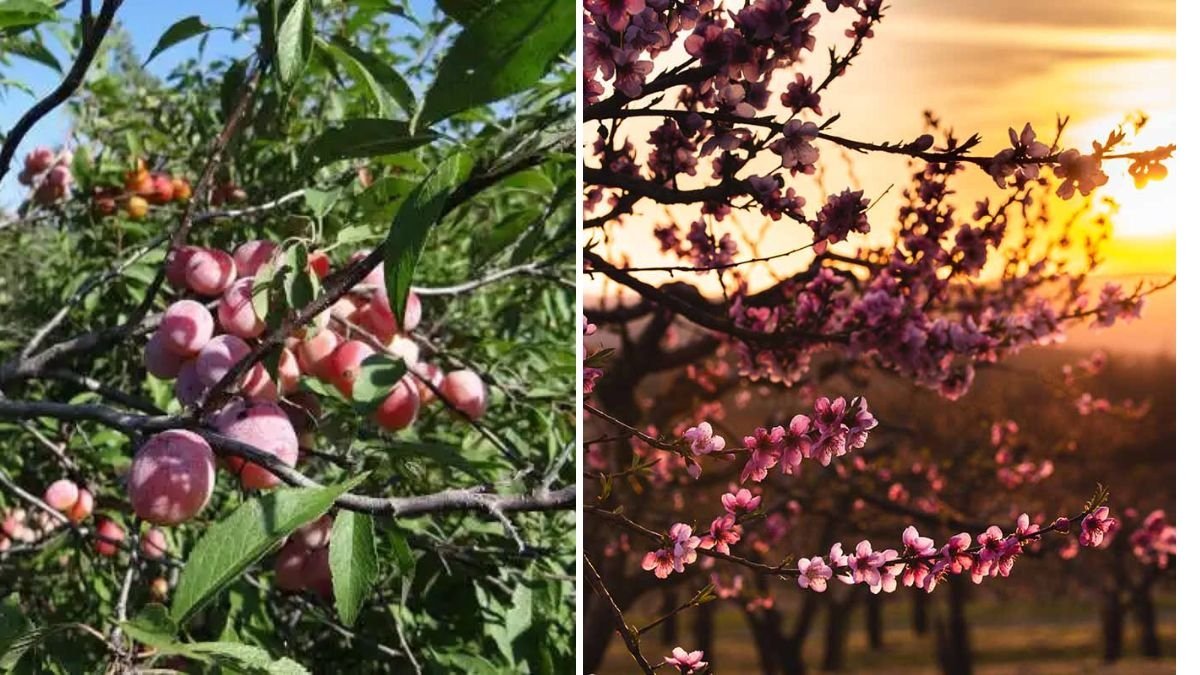
Designing a thriving permaculture fruit tree guild is one of the most effective ways to build a resilient, productive, and ecologically balanced garden system. When thoughtfully arranged, a fruit tree guild mimics the structure of a natural forest—where every plant supports others through nutrient cycling, pest control, pollination, and microclimate modification. A particularly rich and diverse guild uses Asian pears, beach plums, and peaches, each bringing unique ecological functions while thriving together in a harmonious, multi-layered planting system.
This article explores how to design, plant, and maintain a permaculture fruit tree guild featuring Asian pears (Pyrus pyrifolia), beach plums (Prunus maritima), and peaches (Prunus persica), along with the supporting plants that create a stable, low-maintenance, and high-yield ecosystem.
Why Choose These Three Fruit Trees?
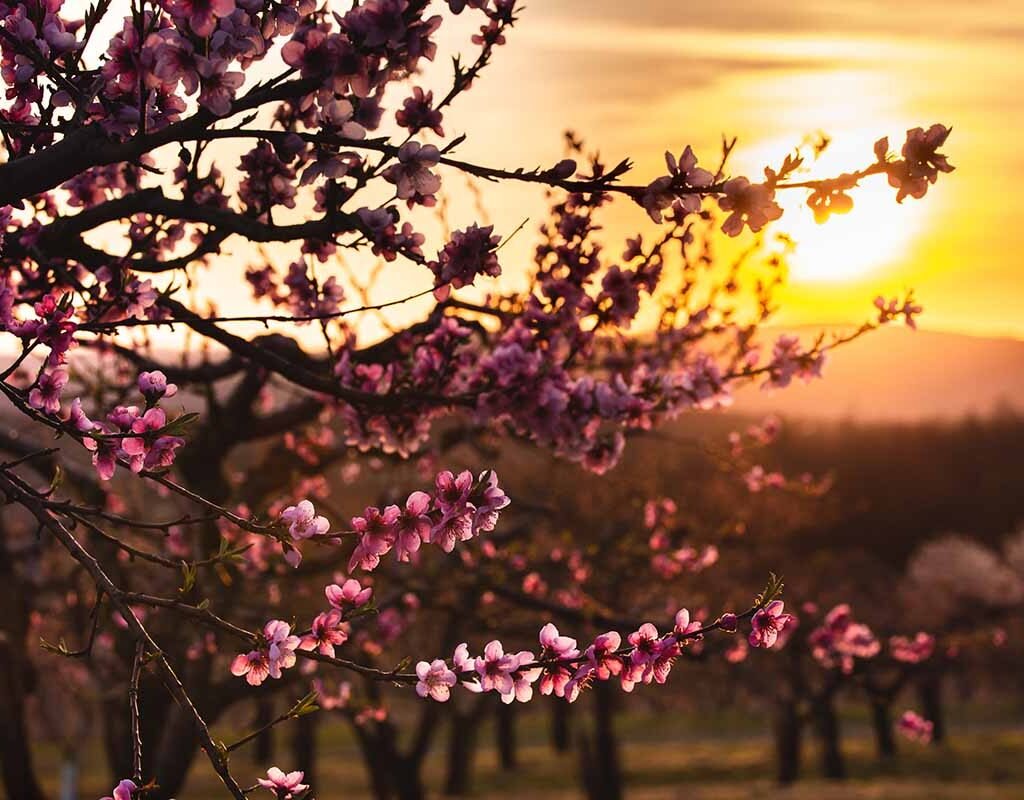
Creating diversity is one of the fundamental principles of permaculture, and combining these species maximizes that diversity in both ecological function and harvest potential.
Asian Pears
Asian pears are valued for their juicy, crisp fruit, long storage life, and tolerance to a range of climates. They are moderately disease-resistant and thrive in well-drained soils. Their upright structure allows space for underplantings and companion shrubs.
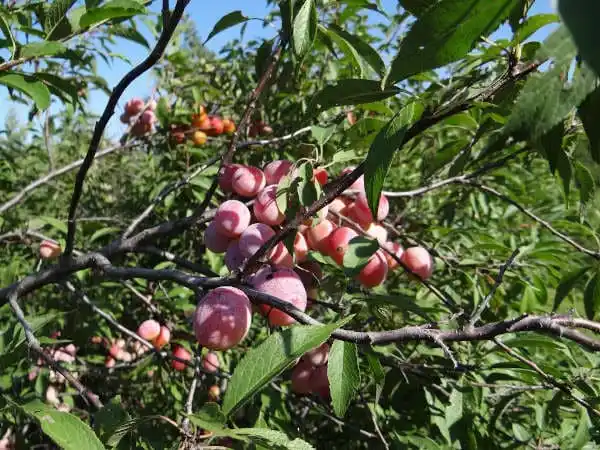
Beach Plums
Beach plums are native, hardy, and adaptable fruiting shrubs. They fix nutrients efficiently in sandy or less fertile soils and bring resilience to the guild. Their dense branching can serve as windbreaks, pollinator habitat, and natural pest-management zones.
Peach Trees
Peaches offer fast growth and early fruiting. While they may be more susceptible to pests and diseases than pears or plums, a well-designed guild dramatically increases their resilience. Their spreading canopy contributes to shade modulation within the guild.
When combined, these species occupy distinct ecological niches, reduce pest pressure through diversification, and provide extended harvest seasons—from early-summer peaches to mid-season pears and late-season beach plums.
Designing the Fruit Tree Guild
A permaculture guild consists of multiple layers of vegetation working together. With Asian pears, beach plums, and peaches, you can design a dynamic system that includes the following layers:
- Canopy Layer – Peach and Asian pear trees
- Shrub Layer – Beach plums
- Herbaceous Layer – Dynamic accumulators, pollinator plants, culinary herbs
- Groundcover Layer – Soil builders, living mulch species
- Root Layer – Root crops and nutrient miners
- Vine Layer – Optional, lightweight vines for trellising
- Fungal Layer – Mycorrhizal fungi and decomposing mulch
Each layer provides shared benefits: nutrient cycling, shade, pollination support, weed suppression, and habitat for beneficial insects.
Step-by-Step Guild Layout
1. Spacing and Tree Placement
- Asian Pears: Plant 12–15 ft apart due to their upright form.
- Peaches: Plant 15–20 ft apart as they develop a wider canopy.
- Beach Plums: Plant in clusters 4–6 ft apart or along the perimeter of the guild as shrubby hedges.
A typical guild design might center a peach tree and an Asian pear tree, with beach plums forming an outer ring or semi-circle. This arrangement provides natural wind protection and maximizes pollinator attraction.
2. Soil Preparation and Mulch Layer

Healthy soil is the foundation of any permaculture system.
- Begin by aerating the soil with a broadfork or garden fork.
- Add compost, aged manure, and leaf mold around each planting area.
- Apply a thick mulch layer—wood chips, shredded bark, or chopped leaves—across the guild to suppress weeds, retain moisture, and encourage fungal activity.
Fungal-rich soil is especially beneficial for pears, plums, and peaches, all of which form symbiotic relationships with mycorrhizal fungi.
3. Core Companion Plants for Each Layer
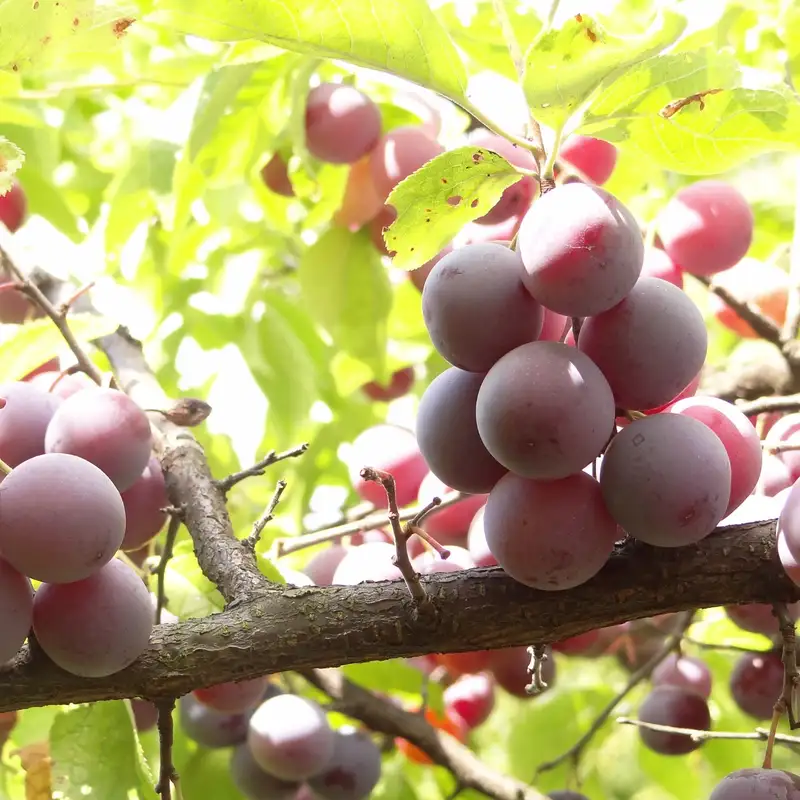
Shrub Layer (Beach Plums)
Beach plums are key shrubs in this guild. Their dense roots stabilize soil, while their flowers attract native bees. You may include other shrubs such as:
- Siberian pea shrub – Nitrogen fixer
- Currants or gooseberries – Shade-tolerant and productive
Herbaceous Layer
Herbs help control pests, draw beneficial insects, and mine nutrients. Recommended plants include:
- Comfrey (dynamic accumulator; excellent chop-and-drop mulch)
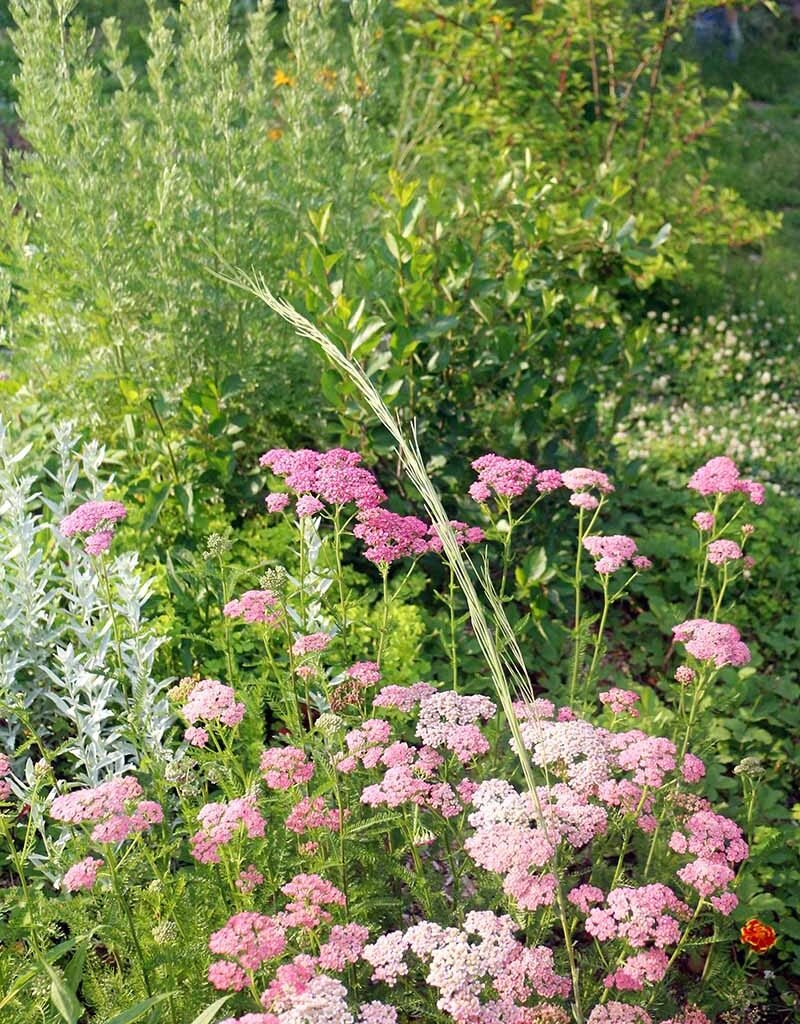
- Yarrow (pollinator attractor)
- Echinacea (supports wildlife and boosts soil biodiversity)
- Dill, fennel, and parsley (host plants for predatory insects)
These herbaceous plants fill gaps between trees and shrubs, creating a living mulch and nutrient pump.
Groundcovers
Groundcovers protect soil, reduce evaporation, and encourage microbial life. Great choices include:
- White clover – Nitrogen fixer that tolerates foot traffic
- Creeping thyme – Aromatic groundcover that repels pests
- Strawberries – Productive and suppress weeds
Root Layer Plants
Roots contribute to soil aeration and nutrient cycling:
- Garlic and chives – Excellent pest deterrents, especially for peach leaf curl
- Dandelion – Deep taproot mines calcium and potassium
- Daikon radish – Breaks up compacted soil naturally
Vine Layer
If you wish to add vines, choose lightweight species that won’t overwhelm fruit trees:
- Scarlet runner bean – Adds nitrogen and attracts hummingbirds
- Hardy kiwi (small-fruited types) – Can be trellised on a separate structure
Fungal Layer
Integrate wood chips and inoculate with:
- Wine cap mushrooms (Stropharia rugosoannulata)
Wine caps thrive in wood-chip beds and help improve soil structure while producing edible mushrooms.
How the Guild Functions Ecologically
1. Nutrient Cycling
Comfrey, clover, and dandelion pull nutrients from deep soil layers up to the surface. Their leaves, when pruned and dropped on the soil, feed the trees and shrubs naturally.
2. Pest Management
This guild uses biodiversity to reduce pest outbreaks:
- Beach plums attract beneficial insects that prey on peach pests.
- Strong-smelling herbs confuse harmful insects.
- Garlic and chives help prevent fungal diseases.
Birds, spiders, beetles, and pollinators all find habitat in the layered planting, creating natural pest control.
3. Moisture Retention
Thick mulch, groundcovers, and deep-rooted plants work together to maintain soil moisture. As a result, trees require less irrigation and show improved drought resistance.
4. Pollination Boost
Asian pears and beach plums both benefit from cross-pollination. The herbaceous layer ensures constant blooms from spring to fall, feeding pollinators that in turn improve fruit set.
5. Microclimate Creation
Beach plums act as windbreaks, while groundcovers prevent soil temperature fluctuations. The guild moderates heat, cold, and wind, creating a stable microclimate beneficial to peaches and pears.

Planting and Seasonal Care
Spring
- Add compost and prune trees for structure.
- Sow annual herbs like dill and calendula.
- Apply fresh mulch and check for fungal activity.
Summer
- Water deeply during dry spells.
- Use comfrey leaves as mulch around trees.
- Harvest early peaches and monitor for pests.
Autumn
- Harvest Asian pears and beach plums.
- Plant garlic around the fruit trees.
- Add another layer of mulch for winter protection.
Winter
- Avoid disturbing soil life.
- Inspect for trunk damage and protect young trees with wraps if needed.
Benefits of This Multi-Species Guild
- Extended harvest season: Peaches in early summer, Asian pears in late summer, beach plums into fall.
- Higher resilience: Pests and diseases are diluted by diversity.
- Improved soil fertility: Nitrogen fixers and dynamic accumulators eliminate the need for synthetic fertilizers.
- Lower maintenance: After establishment, the guild becomes nearly self-sustaining.
- Wildlife support: Provides nectar, nesting sites, and organic food sources.
- Beauty and productivity: A permaculture guild is both functional and visually appealing, resembling a mini food forest.
Conclusion
A permaculture fruit tree guild built around Asian pears, beach plums, and peaches is a rewarding and ecologically powerful design. By blending canopy layers with shrubs, herbs, groundcovers, and fungal partners, you create a living ecosystem that provides food, improves soil health, and reduces maintenance over time. This integrated approach not only mimics natural forest systems but also ensures consistent harvests and long-term sustainability.
With thoughtful planning and diverse companion plantings, your guild becomes a thriving, resilient, and beautiful space—an ideal demonstration of permaculture principles in action.

Leave A Comment