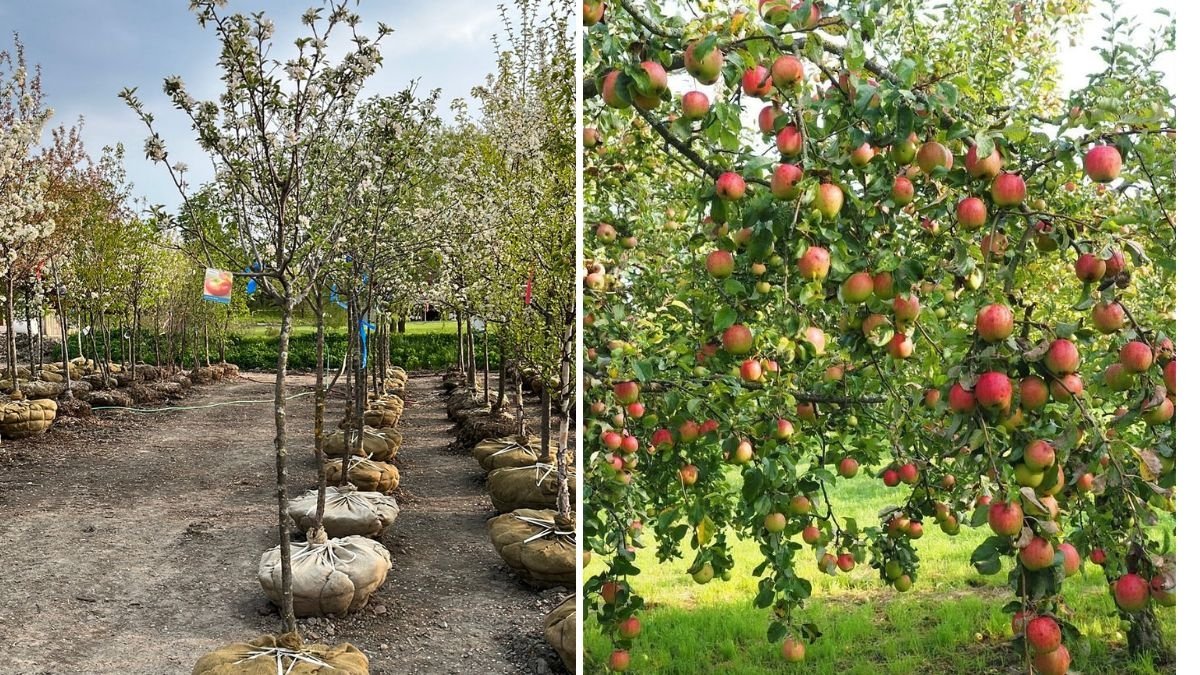
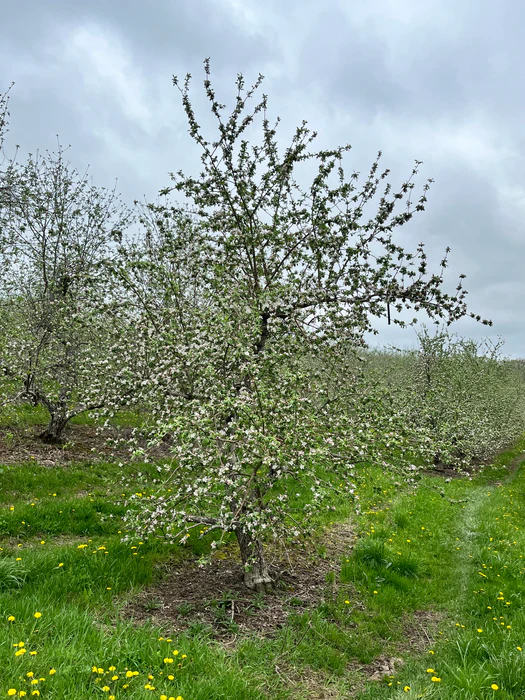
There’s something truly magical about watching a young apple tree come into bloom for the first time. The sight of delicate white and pink blossoms bursting open on tender branches is not just a feast for the eyes—it’s a sign of future harvests, homegrown flavors, and the promise of seasonal beauty. Among the many beloved apple varieties, the Cortland apple tree stands out for its stunning spring blooms, cold hardiness, and crisp, sweet-tart fruit that’s perfect for fresh eating and baking.
In this blog, we’ll explore everything about the young Cortland apple tree in bloom—its appearance, care tips, pollination needs, and what you can expect as it matures. Whether you’re a new gardener nurturing your first apple tree or an experienced orchardist appreciating spring’s renewal, this guide will help you understand and enjoy every stage of your Cortland apple tree’s growth.
1. The Story Behind the Cortland Apple
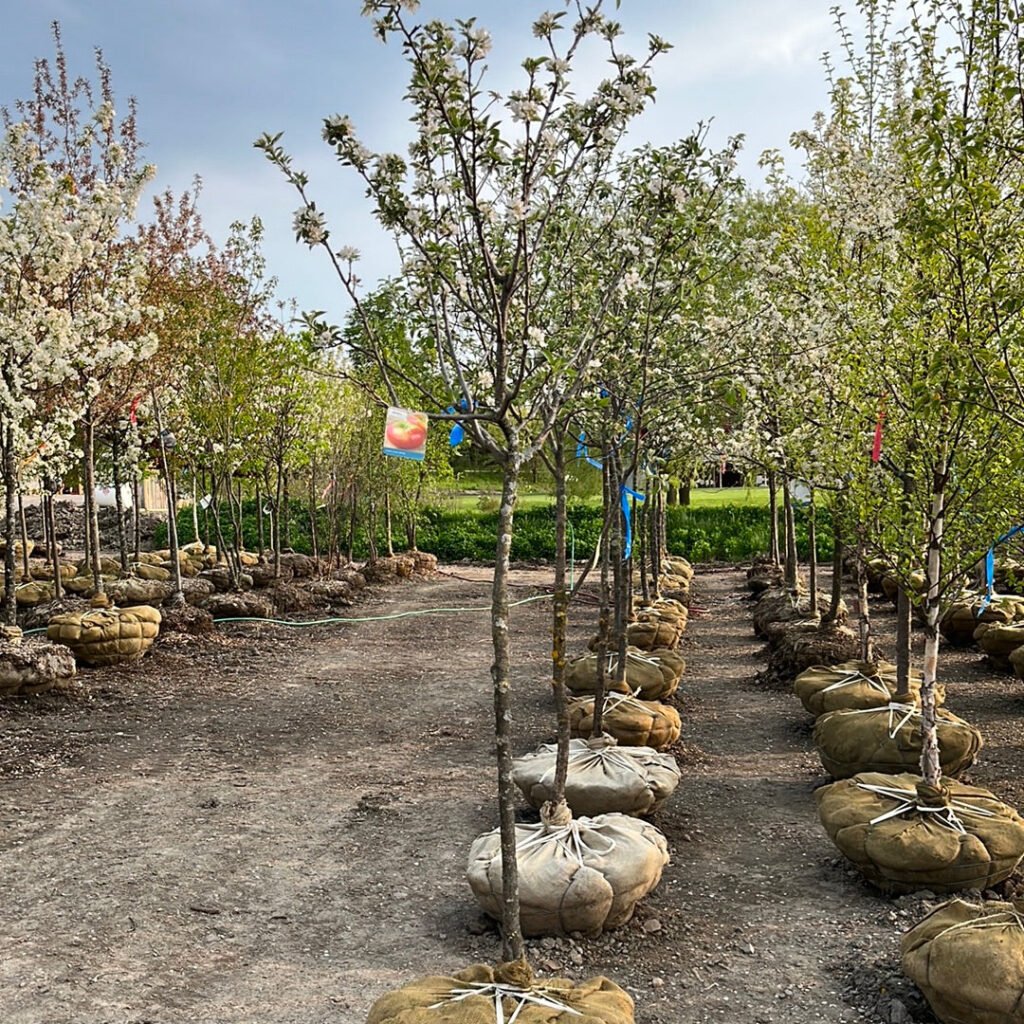
The Cortland apple has a rich history dating back to 1898, when it was developed at the New York State Agricultural Experiment Station in Geneva, New York. It’s a cross between the McIntosh and Ben Davis varieties, combining the best traits of both—McIntosh’s sweet aroma and juiciness with Ben Davis’s firmness and longer storage ability.
Over time, Cortland apples have become a favorite across North America. They’re known for their crisp white flesh that resists browning, making them perfect for fruit salads and garnishes. The trees themselves are reliable producers, and when young, they treat gardeners to some of the most fragrant and beautiful blossoms of the apple world.
2. The Beauty of Cortland Apple Blossoms
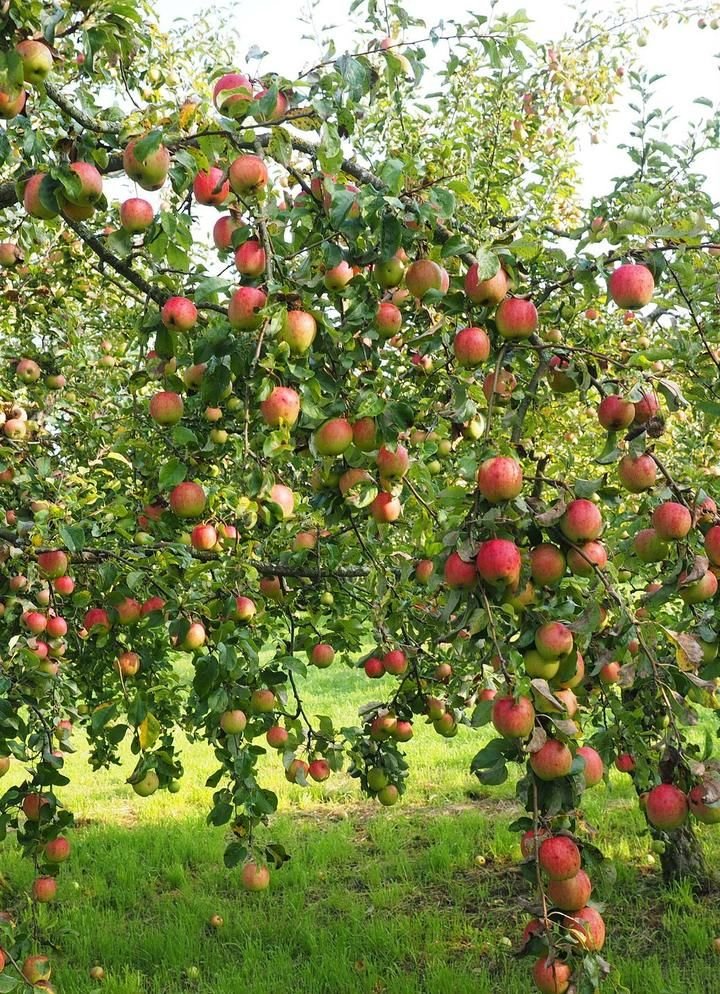
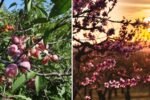
When a young Cortland apple tree begins to bloom, it’s a breathtaking sight. The buds start off a deep pink, gradually opening into five-petaled white flowers with soft pink undertones. Each blossom radiates a light, sweet fragrance that attracts bees, butterflies, and other pollinators.
These blossoms aren’t just decorative—they play a vital role in fruit production. Every bloom has the potential to become a future apple, provided it’s successfully pollinated. In early spring, when temperatures warm and daylight increases, the young tree puts all its energy into producing these delicate flowers. It’s a signal that the tree is healthy, well-rooted, and ready to begin its journey toward fruit-bearing maturity.
3. Pollination and the Importance of Nearby Apple Trees
Cortland apple trees are partially self-fertile, meaning they can produce some fruit on their own, but they yield much better when pollinated by another compatible apple variety.
The best pollination partners include:
- McIntosh
- Honeycrisp
- Empire
- Red Delicious
- Gala
Planting one of these varieties nearby—or having a neighbor’s tree within 50–100 feet—ensures abundant cross-pollination. Honeybees are the main pollinators, transferring pollen between blossoms as they collect nectar. During bloom time, you’ll often see these busy pollinators working among the flowers, helping to set the stage for a fruitful harvest later in the season.
4. Caring for a Young Cortland Apple Tree During Bloom
Proper care during the blooming season ensures strong growth and optimal fruit set. Here are a few key steps to follow:
a. Watering Wisely
In spring, keep the soil evenly moist but not soggy. Young trees have smaller root systems, so they benefit from regular deep watering—about once or twice a week, depending on rainfall. Avoid watering the blossoms directly; instead, water the base of the tree to keep moisture near the roots.
b. Mulching for Moisture and Weed Control
Apply a 2–3 inch layer of organic mulch such as straw, wood chips, or compost around the base. This helps retain moisture, regulate soil temperature, and prevent weed competition. Be sure to leave a few inches of space between the mulch and the trunk to prevent rot.
c. Fertilizing for Healthy Growth
During early spring, feed your young Cortland apple tree with a balanced slow-release fertilizer or an organic compost blend. This gives the tree essential nutrients for flower and fruit development. Avoid over-fertilizing, as excessive nitrogen can promote leaf growth at the expense of blossoms.
d. Protecting Blossoms from Frost
Spring frosts can damage delicate apple blossoms. If frost is expected, cover your young tree with a frost blanket or light sheet overnight and remove it in the morning. A few degrees of protection can make the difference between a full harvest and damaged flowers.
5. Watching the Transformation: From Bloom to Fruit

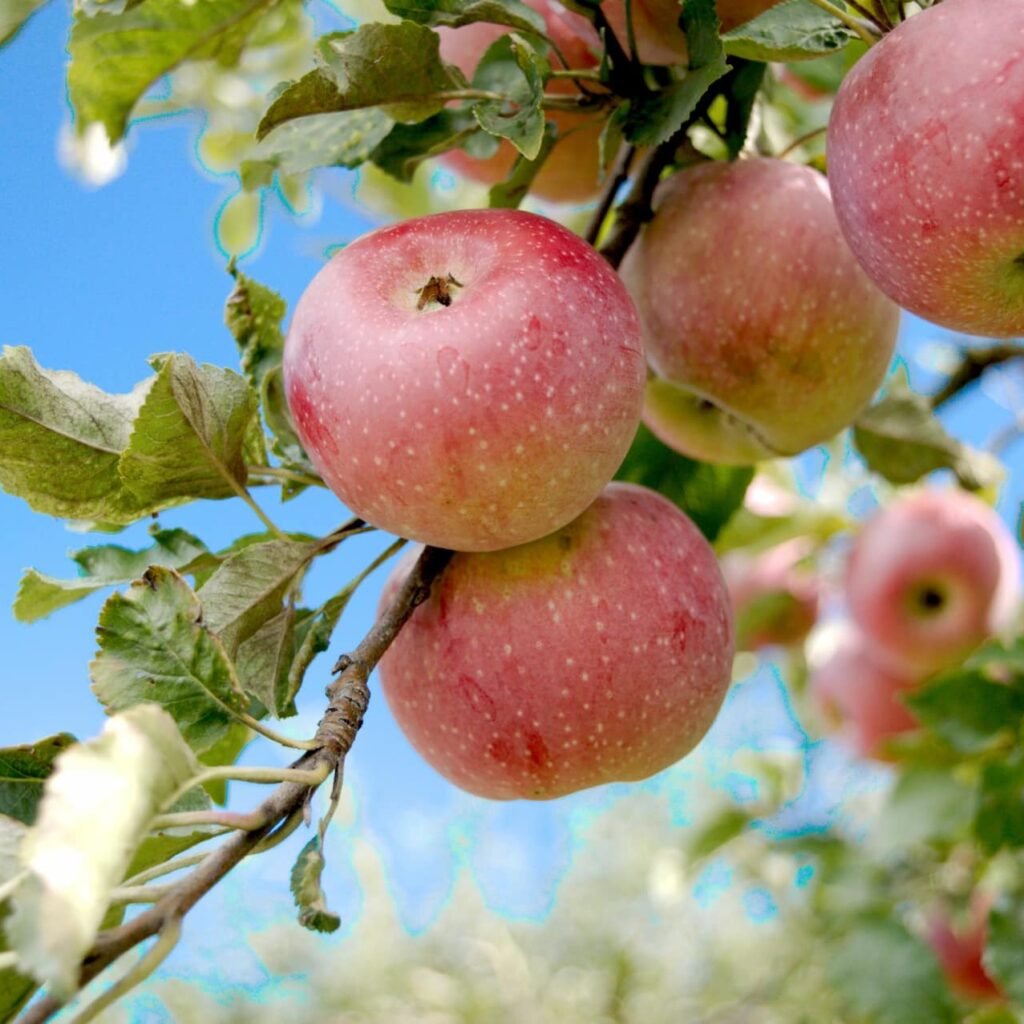
After the Cortland’s spring show fades, the real magic begins. The pollinated blossoms drop their petals, leaving behind tiny green fruitlets that gradually swell into apples over the summer.
As your young tree matures, you may notice it doesn’t produce a full crop in its first few years. That’s completely normal—apple trees often take 3–5 years to reach full fruiting age. During this early stage, the tree focuses on building a strong root system and sturdy branches capable of supporting future harvests.
By mid to late summer, Cortland apples start developing their signature deep red-purple blush with subtle stripes. When fully ripe in September or early October, they reveal crisp white flesh that’s both sweet and slightly tart, perfect for eating fresh, baking, or turning into applesauce.
6. Why Cortland Apples Are Special
Gardeners and home growers love Cortland apples for more than just their taste. Here’s what makes them exceptional:
- Non-Browning Flesh: Cortland apples stay white longer after being sliced—ideal for salads, charcuterie boards, and desserts.
- Cold Hardiness: They thrive in cooler climates (USDA Zones 4–7) and handle frost better than many varieties.
- Versatile Flavor: Their balanced sweetness and acidity make them excellent for pies, crisps, and cider.
- Beautiful Blooms: Even before fruiting, their spring blossoms make the tree an ornamental gem in any yard or orchard.
7. Common Challenges and How to Overcome Them
Even healthy young apple trees can face a few challenges. Here’s how to keep your Cortland tree thriving:
- Apple Scab and Powdery Mildew: Apply organic fungicides like sulfur or neem oil as preventive measures in early spring.
- Aphids and Caterpillars: Introduce beneficial insects like ladybugs, or spray a mild insecticidal soap.
- Fire Blight: Prune out infected branches promptly, cutting at least 8 inches below visible damage, and disinfect pruning tools between cuts.
- Deer and Rabbits: Use tree guards or fencing to protect young bark and shoots from nibbling wildlife.
With consistent attention, your tree will develop strong immunity and resilience, leading to better flowering and fruiting in subsequent seasons.

8. Seasonal Maintenance After Bloom
Once the bloom season ends, continue caring for your tree with the same dedication:
- Thin the fruits: If clusters of young apples appear, thin them out to one fruit every 6 inches. This prevents branch stress and encourages larger, healthier apples.
- Summer pruning: Light pruning during midsummer helps maintain airflow and sun exposure, reducing disease risk.
- Autumn preparation: After harvest, add compost around the base to replenish nutrients and protect roots over winter.
Each year’s bloom marks another step in your Cortland apple tree’s life cycle, bringing it closer to becoming a mature, productive tree that offers both beauty and bounty.
9. The Emotional Reward of Growing Your Own Cortland Tree
There’s something deeply rewarding about nurturing a tree from its youth—watching it bloom, thrive, and eventually bear fruit. The young Cortland apple tree embodies patience and renewal, teaching gardeners to appreciate each stage of growth.
Seeing those first blossoms unfold feels like a celebration of nature’s timing—reminding us that even small beginnings lead to beautiful outcomes. When the petals fall and tiny apples appear, you realize that your care, watering, and attention have all paid off.
It’s not just about growing apples—it’s about cultivating life, balance, and connection with the seasons.
Conclusion: A Blooming Promise for the Future
A young Cortland apple tree in bloom is more than just a lovely spring sight—it’s a living promise of sweetness, beauty, and homegrown abundance. From its charming blossoms to its delicious red fruit, the Cortland variety offers year-round joy for gardeners and fruit lovers alike.
By giving your young tree the care it deserves—proper watering, protection from frost, and thoughtful pruning—you’re setting the stage for many fruitful years ahead. Every blossom today is a promise of crisp, juicy apples tomorrow—a cycle of growth that brings color, fragrance, and flavor to your backyard orchard.
So, the next time your young Cortland apple tree bursts into bloom, take a moment to admire its beauty. You’re not just looking at flowers—you’re witnessing the beginning of your very own orchard story.

Leave A Comment