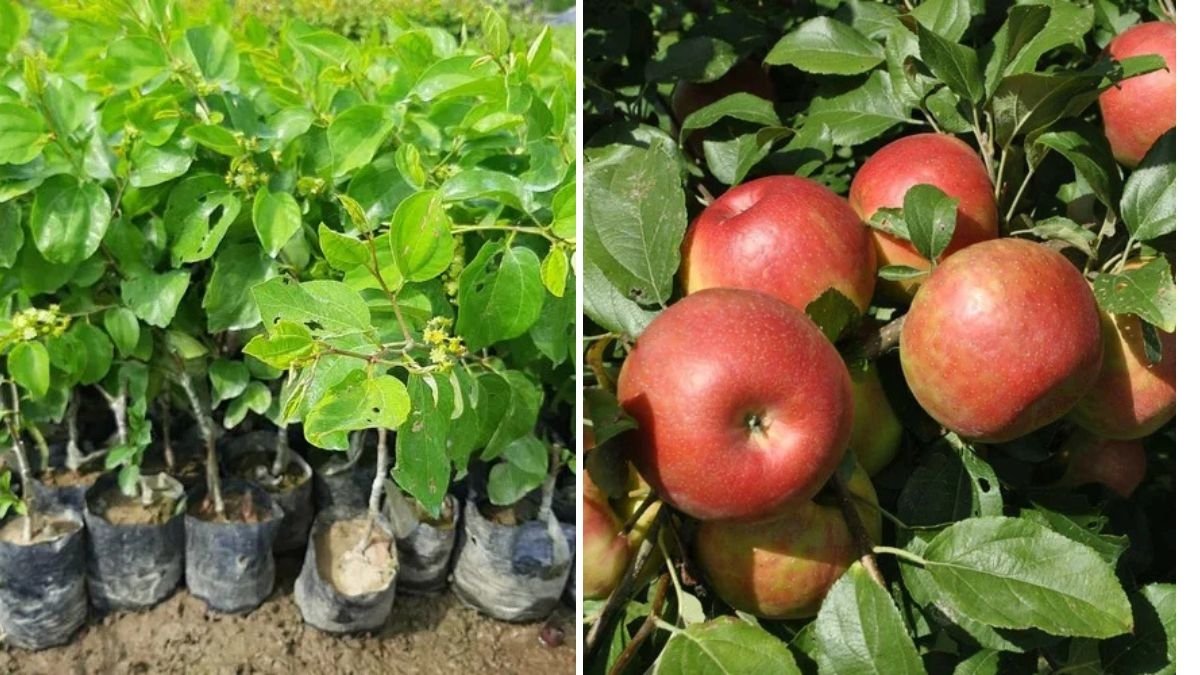
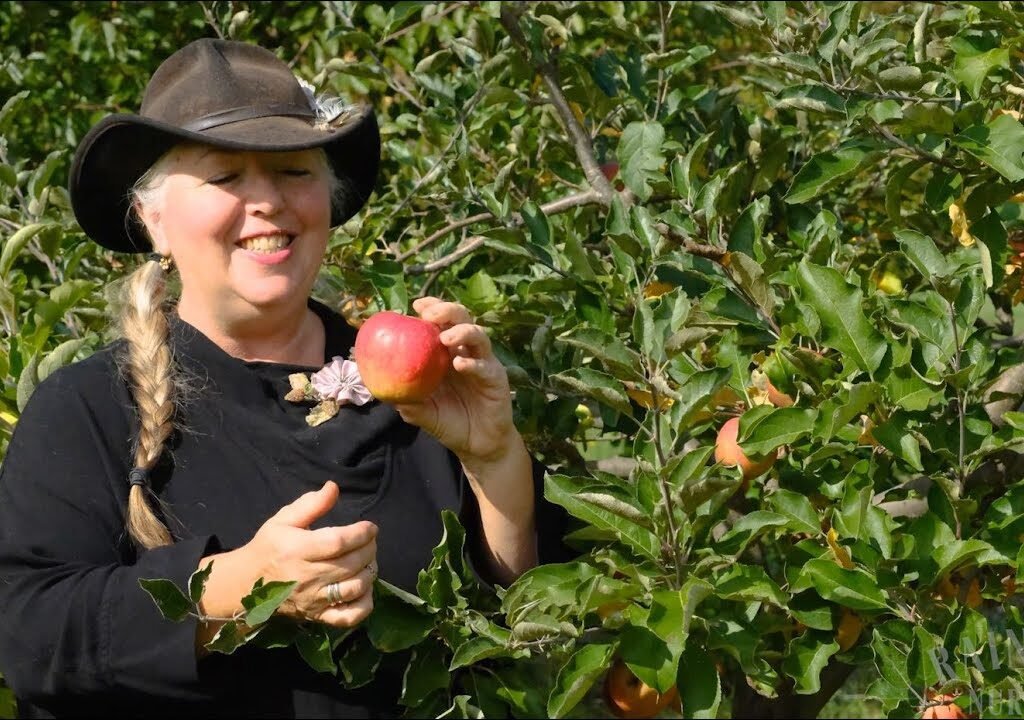
Among the many apple varieties cultivated across home orchards and farms, few stand out quite like the Zestar apple—a crisp, juicy, and refreshingly tangy fruit that marks the beginning of apple season. Featured by Raintree Nursery, this remarkable apple has become a favorite for both home gardeners and commercial growers who value early ripening, cold hardiness, and an exceptional sweet-tart balance.
If you’re looking to add a reliable, flavorful apple to your orchard or backyard, the Zestar apple tree deserves serious consideration. In this comprehensive guide inspired by Raintree Nursery’s feature, we’ll explore everything you need to know about the Zestar apple—from its history and unique flavor profile to planting, care, and harvesting tips.
Whether you’re an experienced orchardist or a first-time grower, this article will help you appreciate why the Zestar apple is such a standout among early-season varieties.
1. The Origins of the Zestar Apple
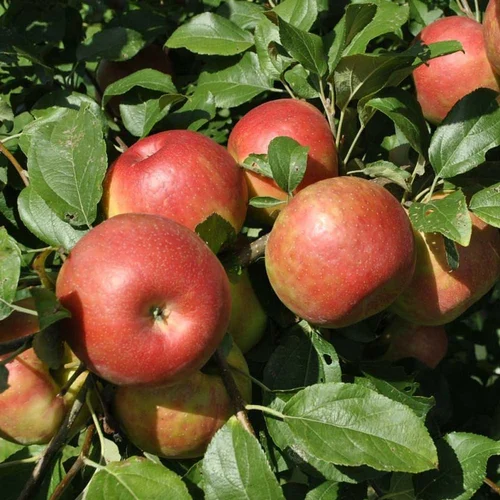
The Zestar apple (Malus domestica ‘Zestar!’) was developed by the University of Minnesota’s Apple Breeding Program, the same team behind popular cultivars like Honeycrisp and SnowSweet. Released in 1999, the Zestar was bred specifically to thrive in cold climates—a perfect choice for growers in northern regions where winters can be harsh.
It’s the product of a cross between State Fair and MN 1691, resulting in an apple that ripens early, stores well, and boasts a remarkable flavor even after months of refrigeration. The goal was to create an early apple that didn’t sacrifice sweetness or texture—and the Zestar has exceeded expectations on all counts.
2. What Makes Zestar Apples Unique?
The Zestar apple is known for its exceptional eating quality, especially for such an early-ripening variety. Here are some of its most appealing features:
- Flavor: A perfect balance of sweet and tangy, with a hint of brown sugar and citrus undertones.
- Texture: Crisp and juicy, maintaining crunch even after storage.
- Appearance: Bright red blush over a yellow background, sometimes with light striping.
- Harvest Time: Late August to early September, making it one of the first apples of the season.
- Storage Life: Can be stored for 6 to 8 weeks in refrigeration—impressive for an early apple.
- Cold Hardiness: Hardy to USDA Zone 3, it thrives where many other apples fail.
Unlike many early apples that tend to be soft or bland, the Zestar combines early ripening with the high-quality flavor of later varieties—a true breakthrough in apple breeding.
3. Why Grow a Zestar Apple Tree?
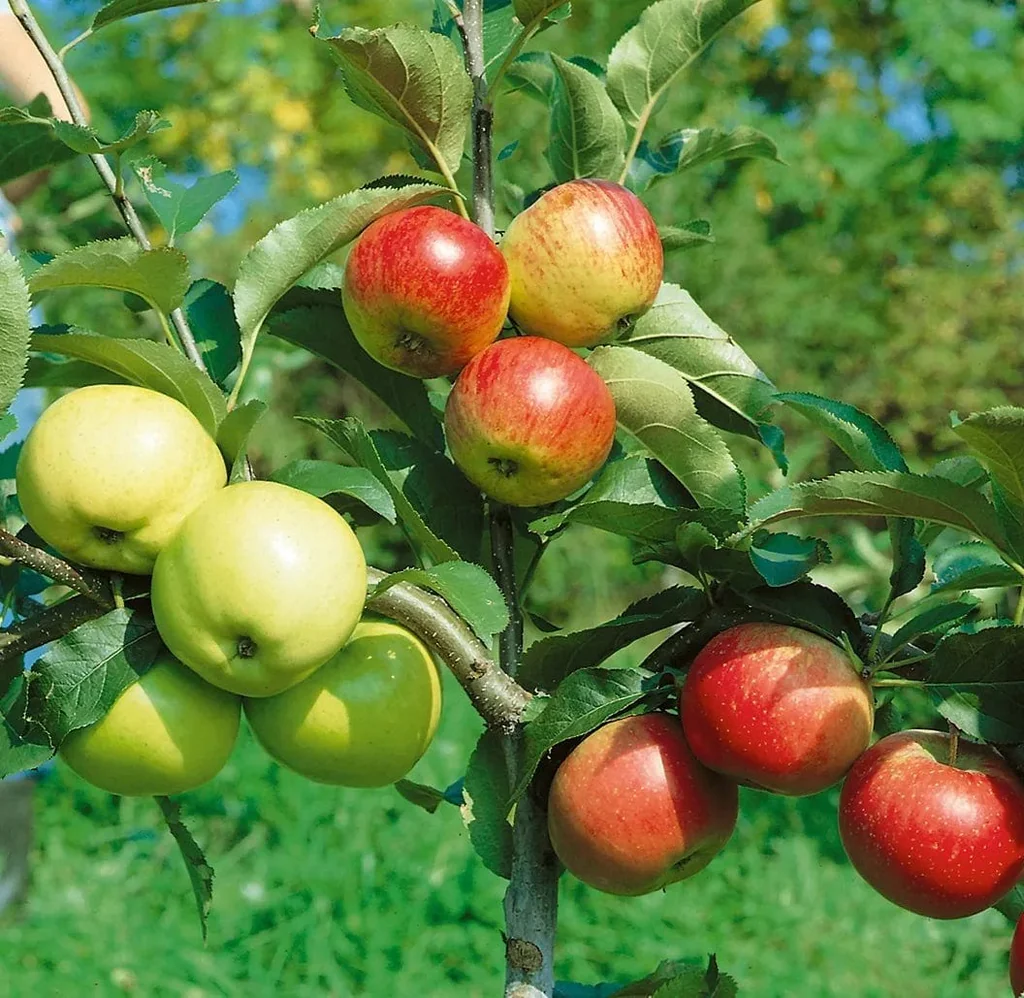
If you’re building a backyard orchard or expanding a small fruit garden, the Zestar apple offers several advantages that make it a must-have:
a. Early Harvest
Zestar ripens before most other apples, letting you enjoy fresh homegrown fruit while the rest of your trees are still developing. It’s often ready to pick in late August, signaling the start of apple season.
b. Excellent Fresh Eating Quality
Zestar apples are among the best-tasting early apples available. Their firm texture and tangy-sweet flavor make them perfect for fresh snacking, salads, or even juicing.
c. Ideal for Cold Climates
Because it was bred in Minnesota, the Zestar apple tree can withstand winter temperatures down to -40°F (-40°C). This resilience makes it ideal for northern U.S. states and similar climates worldwide.
d. Good Storage Life
While most early apples must be eaten quickly, Zestar keeps its crunch and flavor in storage for up to two months—a rarity among early varieties.

e. Attractive Blooms and Compact Growth
In spring, the tree produces beautiful pink-white blossoms, attracting pollinators and adding ornamental value to gardens. The tree also has a manageable growth habit, making it suitable for small yards or even large containers.
4. How to Plant and Grow a Zestar Apple Tree
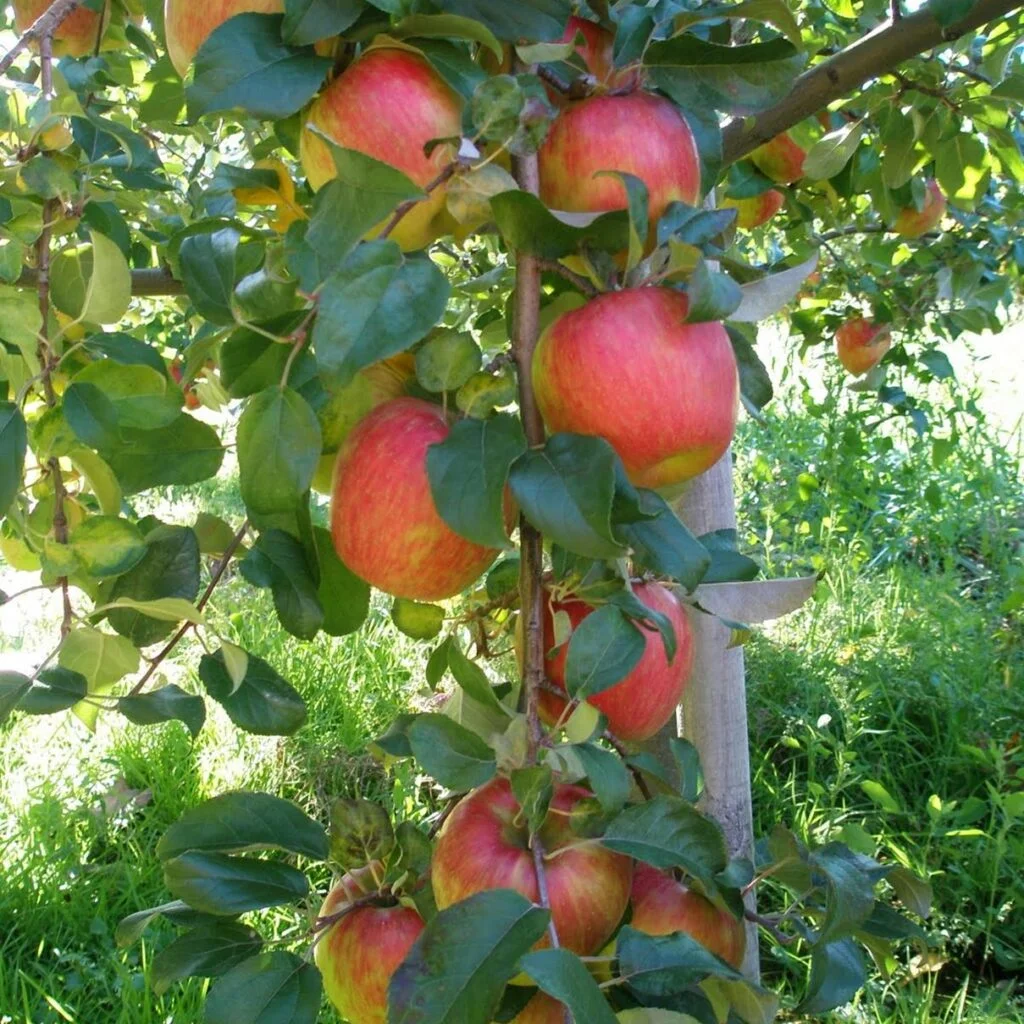
Growing a Zestar apple tree is quite straightforward if you follow the right steps. Like most apples, it thrives with full sunlight, well-drained soil, and proper pollination partners.
a. Choosing the Right Location
Select a sunny site that receives at least 6–8 hours of direct sunlight daily. The soil should be loamy and well-drained with a pH between 6.0 and 7.0. Avoid low-lying spots where water may collect and cause root rot.
b. Planting
- Timing: Early spring or late fall are the best times to plant.
- Hole Size: Dig a hole twice as wide as the root ball and deep enough to cover roots without burying the graft union.
- Spacing: Allow 12–15 feet between standard trees or 8–10 feet between semi-dwarfs.
After planting, water thoroughly and mulch around the base to retain moisture and suppress weeds.
c. Pollination Partners
Zestar apples are not self-fertile, meaning they require another apple variety nearby for pollination. Ideal partners include:
- Honeycrisp
- Sweet Sixteen
- Cortland
- McIntosh
Having a compatible pollinator within 50–100 feet will ensure excellent fruit set and yield.
d. Watering and Feeding
Young Zestar trees need consistent moisture, especially during dry spells. Deep water once a week during the growing season.
Apply an organic compost or slow-release balanced fertilizer in early spring to support healthy growth and fruiting.
e. Pruning and Training
Prune during late winter to remove dead or crossing branches and maintain an open canopy for light penetration. Encourage a central leader shape for optimal structure and airflow.
5. Blooming, Fruit Development, and Harvest
In spring, your Zestar tree will burst into clusters of white blossoms that perfume the orchard and attract bees. Each blossom represents a potential apple, and proper pollination during this stage is crucial.
By mid to late summer, small green apples swell and gradually take on a golden-red hue. Harvest usually occurs from late August through early September, depending on local climate.
When ripe, Zestar apples detach easily from the tree with a gentle twist and are firm to the touch. Freshly picked fruits are crisp, aromatic, and ready to enjoy immediately—or can be stored in a cool place for weeks.
6. Culinary Uses of Zestar Apples
While Zestar apples are famous for their fresh-eating quality, they’re also versatile in the kitchen. Their balanced flavor and firm texture make them suitable for various dishes:

- Fresh Snacks: Slice them raw—they resist browning better than many early apples.
- Baking: Ideal for pies, crisps, and turnovers, as they hold shape and deliver a tangy sweetness.
- Salads: Their crispness and mild acidity pair beautifully with nuts, cheese, and greens.
- Juices and Ciders: Add brightness and complexity to apple cider blends.
Their refreshing flavor has made them a chef’s favorite for creating early-season desserts and beverages.
7. Common Pests and Diseases
Zestar apples are relatively easy to grow, but like all apple varieties, they can face a few challenges. Here’s how to manage them naturally:
- Apple Scab: Apply sulfur-based sprays early in the season and ensure good air circulation.
- Fire Blight: Prune out infected shoots and disinfect tools after each cut.
- Codling Moths and Apple Maggots: Use pheromone traps or kaolin clay sprays to deter insects.
- Aphids: Control with neem oil or ladybugs.
Maintaining a healthy orchard ecosystem with beneficial insects and proper pruning will greatly reduce pest pressure.
8. Storing and Enjoying Zestar Apples
After harvest, store Zestar apples in a cool, humid environment (around 33–38°F) to preserve texture and flavor. They remain crisp for up to two months, which is exceptional for early apples.
To extend freshness:
- Keep them unwashed until ready to eat.
- Store in breathable bags or bins with good ventilation.
- Check periodically and remove any apples showing signs of softening or spoilage.
Zestar’s firm flesh makes it perfect for lunchboxes, snacks, or cooking well into autumn—long after early varieties are gone.

9. Why Gardeners Love Zestar Apples
From Raintree Nursery’s perspective and the experiences of countless growers, the Zestar apple tree offers unmatched benefits:
- Early and reliable production even in cold climates.
- Outstanding flavor that rivals mid-season apples.
- Ease of growth for both backyard and commercial orchards.
- Visual appeal, with lovely blossoms and vibrant fruit.
It’s a variety that bridges the gap between hardy northern growers and those seeking gourmet-quality fruit—a blend of resilience and refinement in one tree.
Conclusion: The Perfect Start to Apple Season
The Zestar apple truly lives up to its reputation as a standout early-season variety. With its crisp bite, balanced sweetness, and ability to thrive in cold conditions, it’s no wonder Raintree Nursery chose to feature it as one of their favorites.
Whether you’re starting a small backyard orchard or simply want to enjoy fresh, homegrown apples earlier in the year, the Zestar apple tree is a perfect choice. It offers beauty in bloom, flavor in fruit, and strength in structure, rewarding you with years of delightful harvests.
So, as the first days of fall approach, imagine plucking a Zestar apple right from your tree—a crisp, juicy symbol of the season’s beginning and the enduring joy of growing your own fruit.

Leave A Comment