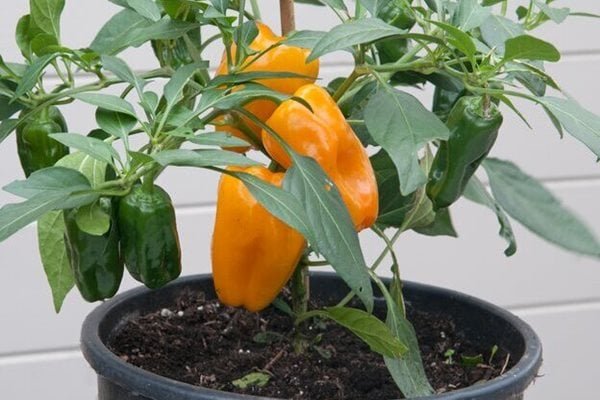
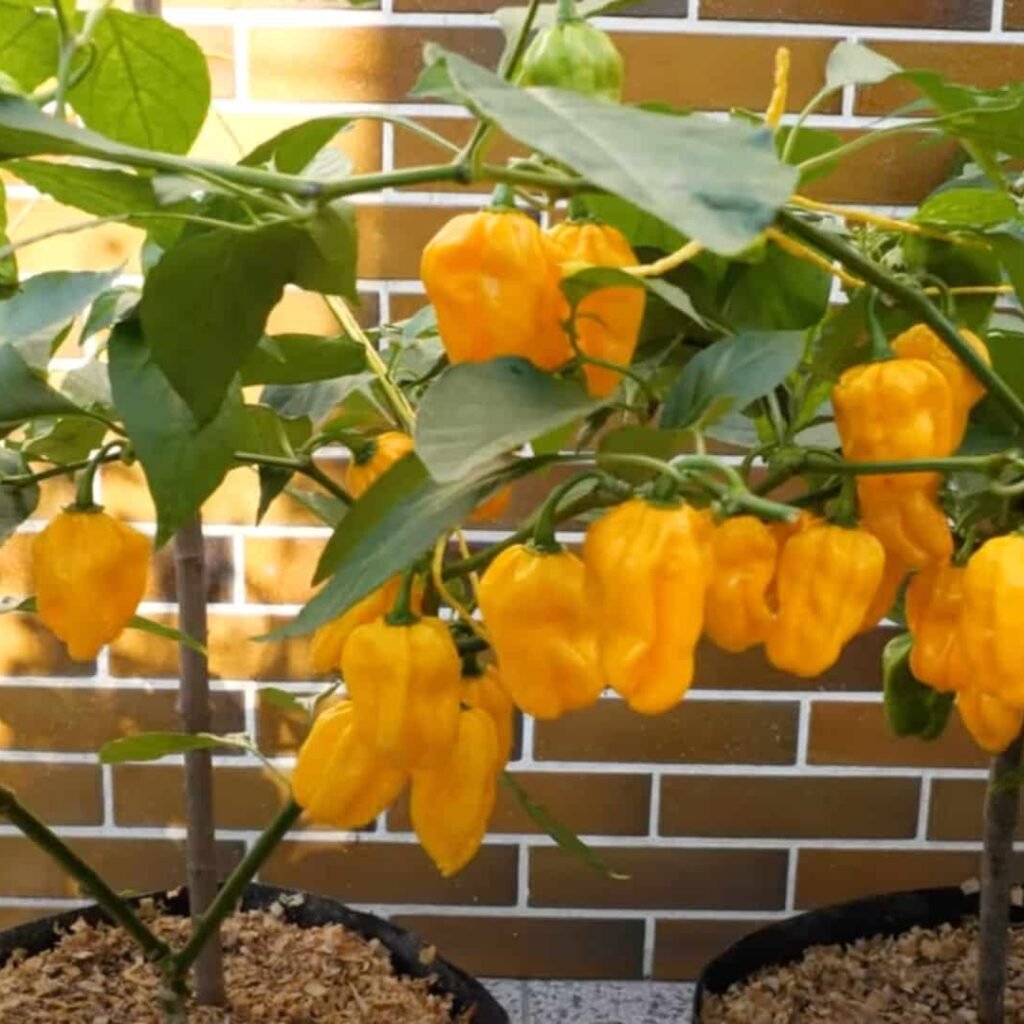
How to Grow Taro at Home: A Complete Guide to Growing Taro Root and Leaves in Pots

How to Grow Taro at Home: A Complete Guide to Growing Taro Root and Leaves in Pots

Taro (Colocasia esculenta) is a tropical plant prized for its delicious starchy roots and nutritious, edible leaves. Known as arbi in India, dasheen in the Caribbean, and kalo in Hawaii, this versatile crop is a staple in many cuisines worldwide. The best part? You don’t need a large farm or a tropical forest to grow taro successfully — you can cultivate it right at home in pots or containers!

In this complete guide, we’ll walk you through everything you need to know about growing taro at home, from choosing the right container and soil mix to planting, caring, and harvesting both its roots and lush green leaves.


1. Understanding the Taro Plant
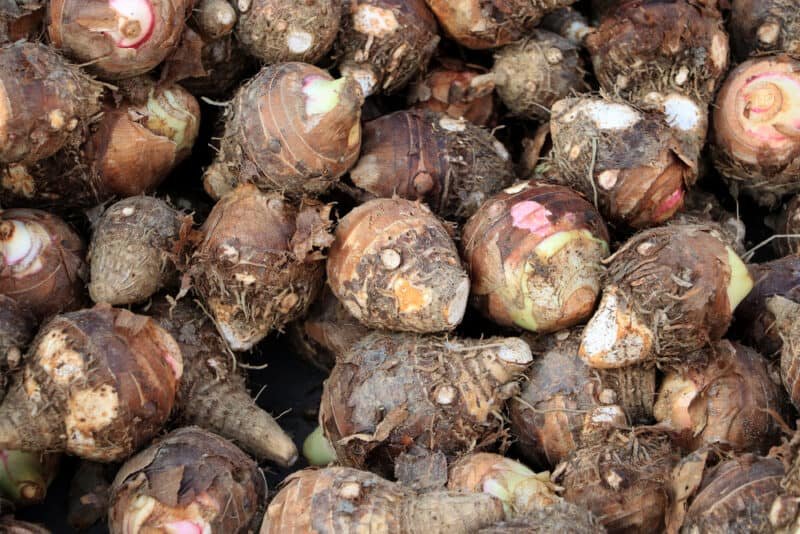
Before you start growing taro, it’s essential to understand its nature. Taro is a tropical perennial plant that thrives in warm, humid environments with consistent moisture. Both the root (corm) and leaves are edible once cooked, but never consume them raw — they contain calcium oxalate crystals that can irritate your mouth and throat.

Taro has large, heart-shaped leaves that resemble elephant ears, making it both an ornamental and edible plant. It’s perfect for container gardening if you live in a warm region or can provide a cozy indoor space during cooler months.


2. Choosing the Right Pot and Location

Taro plants need plenty of space for their roots to expand. Choose a large, deep container — at least 18 to 24 inches deep and 20 inches wide. The container should have drainage holes, but since taro loves moisture, you can keep the soil slightly wet at all times.

Ideal pot materials:

  • Plastic or ceramic pots retain moisture well.
  • If you use clay pots, water more frequently, as they dry out faster.

Placement:
Taro thrives in partial to full sunlight. Ideally, place your pot in a spot that receives 4–6 hours of bright, indirect sunlight daily. In cooler regions, it can be grown indoors near a sunny window or under grow lights.


3. Preparing the Perfect Soil Mix
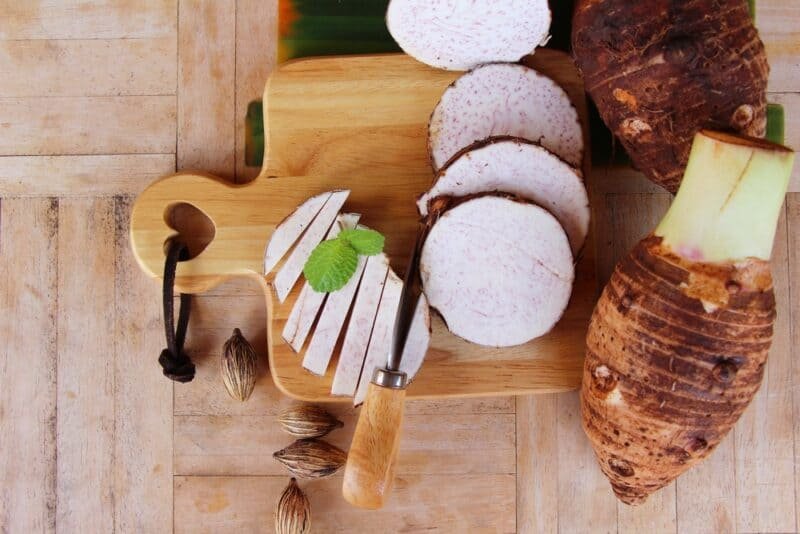
Taro prefers rich, well-draining but moisture-retentive soil. It loves water, but the roots shouldn’t sit in stagnant water for too long.

Best soil mix for potted taro:

  • 50% garden soil or loamy soil
  • 25% compost or well-rotted manure
  • 25% coco peat or organic matter for moisture retention

You can also add a handful of sand or perlite for drainage balance. Mix everything thoroughly before planting.

For a nutrient boost, mix in bone meal or vermicompost to support root development.


4. How to Plant Taro in Pots
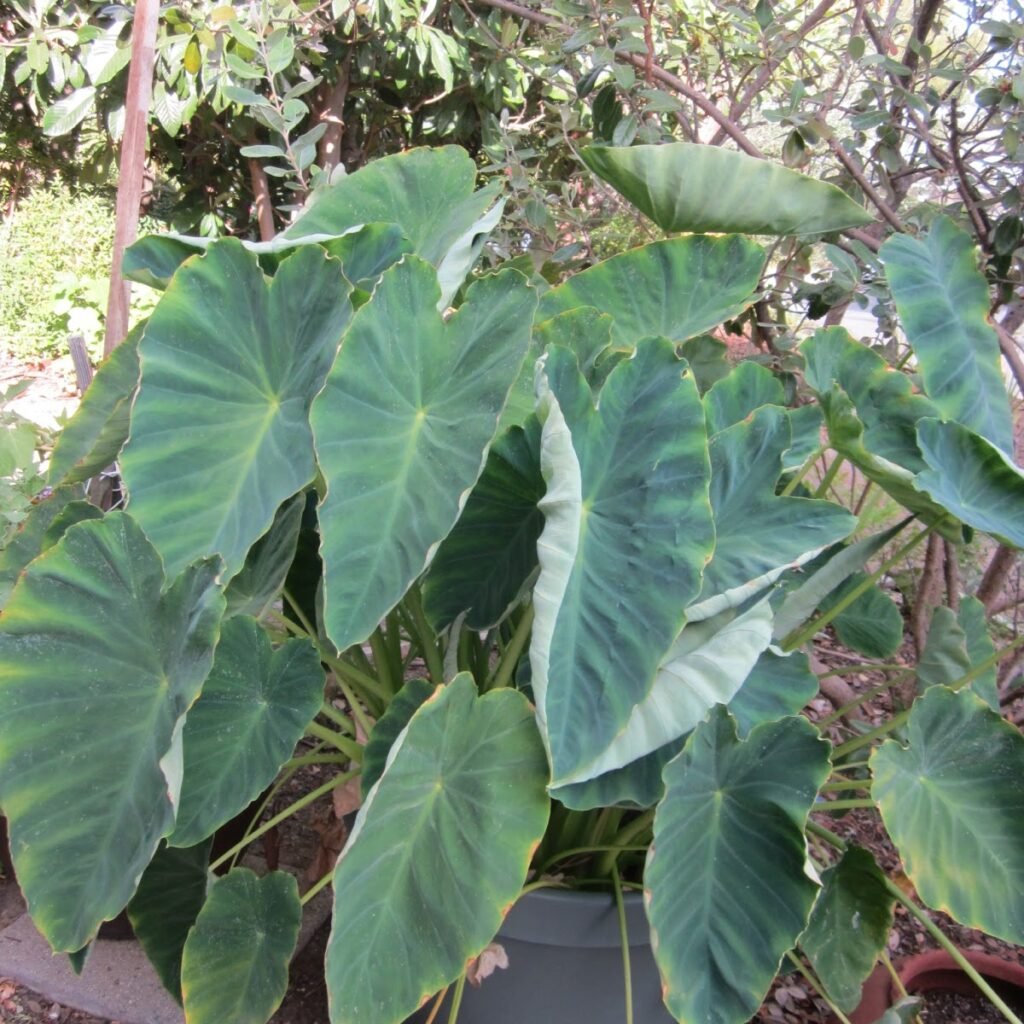
You can start taro from either taro corms (roots) or offsets (baby plants) from a mature plant.

Step-by-step planting guide:

  1. Select a healthy corm: Choose one that’s firm, plump, and has at least one visible “eye” or bud. Avoid shriveled or moldy ones.
  2. Cut into pieces (optional): If the corm is large, cut it into chunks ensuring each piece has an eye. Let the pieces dry for a day before planting to avoid rotting.
  3. Planting depth: Bury the corm 4–6 inches deep in the center of the pot, with the eye facing upward.
  4. Water thoroughly: After planting, water generously to moisten the soil completely.

Keep the pot in a warm place (ideally above 20°C or 68°F). In a few weeks, you’ll see shoots emerging from the soil.


5. Watering and Moisture Management
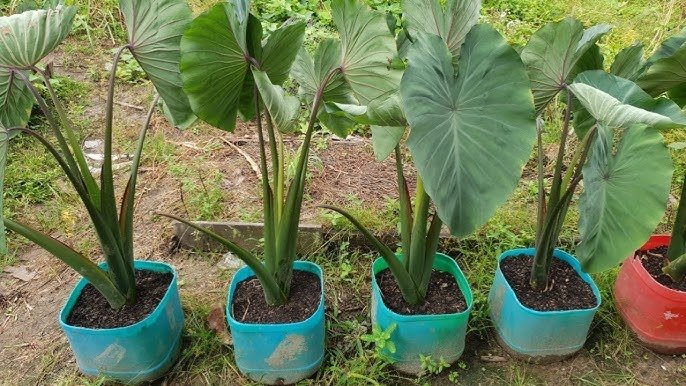
Taro is a water-loving plant, often grown in paddy-like conditions in tropical regions. When growing it in pots, try to mimic that environment by keeping the soil consistently moist.

Watering tips:

  • Water daily or every other day depending on temperature.
  • The soil should never dry out completely.
  • If you can, place a shallow tray under the pot to retain extra water for humidity.
  • During the rainy season, ensure excess water can still drain away to prevent root rot.

If your environment is very dry, lightly mist the leaves to increase humidity.


6. Fertilizing for Healthy Growth

Taro plants are heavy feeders. To produce lush leaves and plump corms, feed them regularly with organic fertilizers.

Fertilizer schedule:

  • At planting: Mix compost or cow dung into the soil.
  • After 30 days: Apply liquid fertilizer or diluted fish emulsion once every two weeks.
  • Mid-growth stage: Add a balanced NPK fertilizer (10-10-10) monthly to encourage root and leaf growth.
  • Late stage: Reduce nitrogen feeding to allow the plant to focus on corm development.

Always water after fertilizing to prevent root burn.


7. Managing Pests and Diseases
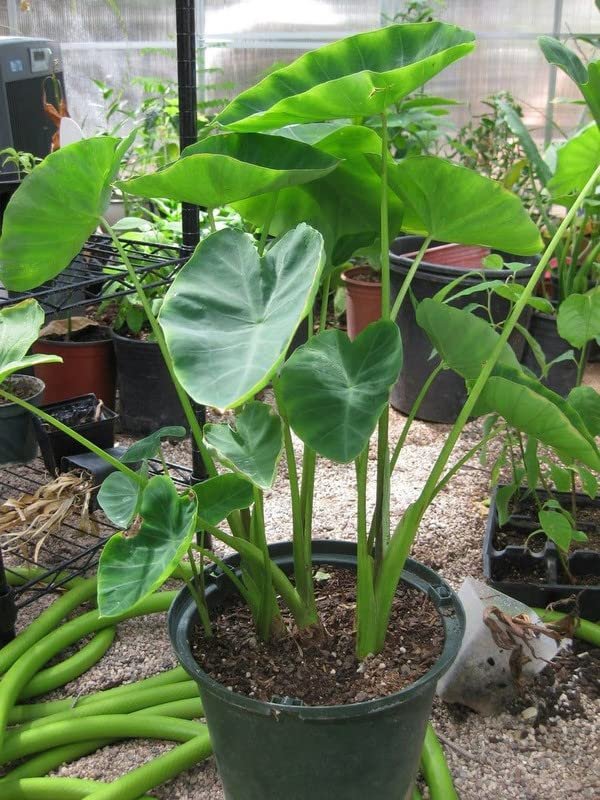
Like most leafy vegetables, taro can be affected by pests such as aphids, spider mites, and leafhoppers.

Natural pest control tips:

  • Spray neem oil once a week.
  • Use a mild soap water spray for aphids.
  • Check the underside of leaves regularly for pests or eggs.

Fungal diseases like leaf blight may appear in overly wet or shaded conditions. Ensure proper air circulation around the plant and avoid overhead watering.


8. Supporting Leaf Growth

Taro leaves are edible and can be harvested during the plant’s growing period. However, don’t cut too many leaves at once — the plant needs them for photosynthesis.

Tips for healthy leaves:

  • Keep the soil nutrient-rich.
  • Maintain consistent moisture.
  • Avoid direct harsh afternoon sun that may scorch the leaves.

Young leaves can be harvested for cooking in stews and curries once the plant has matured for 8–10 weeks.


9. Harvesting Taro Roots

Taro takes around 8 to 10 months to reach maturity, depending on temperature and care.

Signs that your taro is ready for harvest:

  • The lower leaves start to yellow and wither.
  • The soil around the base may crack slightly as the corms expand.

How to harvest:

  • Stop watering a week before harvest to allow the soil to dry slightly.
  • Gently loosen the soil and lift the plant out of the pot.
  • Shake off excess soil and carefully separate the corms.

Small side corms (baby taros) can be saved and replanted for the next crop.


10. Using and Storing Taro

Once harvested, taro roots can be stored in a cool, dry place for 2–3 weeks. Avoid refrigerating them as it can cause chill injury.

Culinary uses:

  • Taro roots: Can be boiled, roasted, or fried. They are delicious in curries, soups, or mashed as a side dish.
  • Taro leaves: Must be boiled or steamed before eating. They are used in dishes like patra, laing (Philippines), or Hawaiian luau.

Always cook taro thoroughly to remove the calcium oxalate content that can cause itching or irritation.


11. Overwintering and Replanting

In tropical or subtropical regions, taro grows year-round. But if you live in a cooler climate, you’ll need to protect your plant during winter.

Tips for overwintering:

  • Move the pot indoors before the first frost.
  • Keep it in a warm, bright area.
  • Water sparingly, just enough to keep the soil slightly moist.

Alternatively, you can dig up the corms, dry them, and store them in a cool place to replant next season.


12. Benefits of Growing Taro at Home

Growing taro in pots not only gives you a steady supply of roots and greens but also enhances your home’s greenery. Here are a few reasons to try it:

  • Nutrient-rich food: Both taro roots and leaves are packed with vitamins, minerals, and fiber.
  • Dual harvest: Enjoy both edible leaves and tubers from one plant.
  • Decorative appeal: The large, heart-shaped leaves make it a stunning ornamental plant.
  • Sustainable gardening: Growing your own taro reduces the need for store-bought vegetables.

Final Thoughts

Learning how to grow taro at home in pots is easier than you might think. With the right soil, regular watering, and a bit of patience, you can enjoy a lush green plant and a nutritious root harvest right from your balcony or backyard.

Taro is a wonderful addition to any home garden — it’s beautiful, beneficial, and bountiful. So grab a few corms, a large pot, and start your taro-growing journey today!

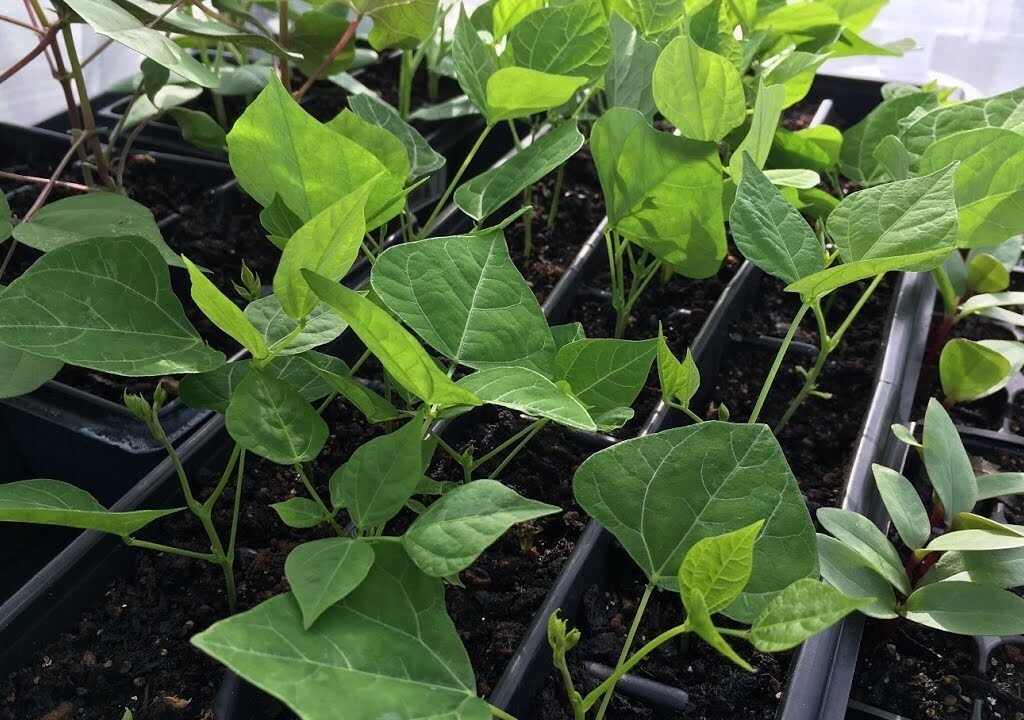
How to Start Jicama Seeds Successfully: A Complete Beginner’s Guide to Growing This Sweet, Crunchy Root

How to Start Jicama Seeds Successfully: A Complete Beginner’s Guide to Growing This Sweet, Crunchy Root

If you’ve ever enjoyed the crisp, refreshing taste of jicama, you know why this tropical root vegetable has earned a place in kitchens and gardens around the world. Known for its sweet, nutty flavor and juicy crunch, jicama (pronounced hee-kah-ma) is not only delicious but also packed with nutrients like fiber, vitamin C, and antioxidants.

While jicama is often found in grocery stores, few gardeners realize how easy and rewarding it can be to grow jicama from seed right at home. Whether you live in a warm climate or are planning to grow it in containers, this step-by-step guide will walk you through how to start jicama seeds successfully, from germination all the way to healthy, thriving plants.


What Is Jicama?

Jicama (Pachyrhizus erosus), also called the Mexican yam bean or Mexican turnip, is a legume grown primarily for its large, starchy root. It’s native to Mexico and Central America and thrives in warm, frost-free climates.

While jicama is part of the bean family, it’s important to note that only the root is edible — the seeds, leaves, and pods are toxic because they contain rotenone, a natural insecticide.

The edible root is crisp like an apple and slightly sweet, making it a popular addition to salads, stir-fries, and snacks.


Step 1: Choose Fresh, Viable Jicama Seeds

Start with high-quality seeds from a reputable supplier. Jicama seeds are small, round, and brown, resembling dried beans. Because they are tropical plants, freshness matters — older seeds may have a low germination rate.

If you’re saving seeds from a previous harvest, ensure they are fully mature and completely dry before storing or planting. For store-bought seeds, check the packet date to make sure they’re from the most recent season.


Step 2: Pre-Soak Seeds for Faster Germination

Jicama seeds have a tough outer coat, which can slow down germination. To help them sprout faster:

  1. Place the seeds in a small bowl of warm water.
  2. Let them soak for 12–24 hours before planting.
  3. Discard any seeds that float — these are usually not viable.
  4. After soaking, drain and lightly pat them dry.

This simple step softens the seed coat, allowing moisture to penetrate more easily and helping the seeds germinate faster.


Step 3: Prepare the Soil Mix

Jicama prefers loose, well-draining soil rich in organic matter. Since it’s a root crop, heavy or compacted soils can cause the roots to grow small or misshapen.

For seed starting, use a high-quality seed-starting mix or make your own by combining:

  • 1 part coco peat or peat moss
  • 1 part compost
  • 1 part perlite or sand

Aim for a soil pH between 6.0 and 7.5 — slightly acidic to neutral.

If you’re growing in containers or grow bags, make sure they’re at least 12–16 inches deep to allow enough space for root development.


Step 4: Planting the Seeds

Timing:
Jicama is a warm-season crop that requires a long growing season (5–9 months). Plant seeds after the last frost, when the soil has warmed to above 65°F (18°C).

How to plant:

  1. Fill seed trays or pots with your prepared soil mix.
  2. Sow seeds ½ inch (1.25 cm) deep.
  3. Cover lightly with soil and mist with water.
  4. Keep the soil consistently moist but not soggy.

Place the containers in a warm, sunny spot or on a heat mat to maintain a temperature around 75–85°F (24–29°C) — ideal for germination.

Seeds usually germinate in 7–14 days, though it may take up to 3 weeks in cooler conditions.


Step 5: Provide Light and Warmth for Seedlings

Once the seeds sprout, move the seedlings to a bright, sunny location. Jicama loves full sun, so make sure they receive at least 6–8 hours of direct light daily.

If you’re growing indoors, consider using grow lights to supplement natural light, keeping the lights about 3–4 inches above the plants.

Maintain temperatures between 70–85°F (21–29°C) during the day and avoid exposing seedlings to temperatures below 60°F (15°C), as they are sensitive to cold.


Step 6: Transplanting Jicama Seedlings

When the seedlings are 4–6 inches tall and have a few sets of true leaves, they are ready to be transplanted outdoors or into larger containers.

Before transplanting:

  • Harden off the seedlings by gradually exposing them to outdoor conditions over 7–10 days.
  • Choose a sunny location with well-drained soil.
  • Enrich the soil with compost or aged manure before planting.

Spacing:
Plant jicama seedlings 12–18 inches apart, with 3 feet between rows if you’re growing multiple plants. This spacing allows plenty of room for the vines to spread and for the roots to grow large.

If you’re using grow bags or containers, plant one seedling per bag for best results.


Step 7: Watering and Fertilizing

Jicama needs consistent moisture to produce large, juicy roots. However, avoid overwatering, as soggy soil can lead to root rot.

Watering tips:

  • Keep soil evenly moist, especially during dry spells.
  • Water deeply once or twice a week, depending on weather conditions.
  • Mulch around the plants to retain moisture and regulate soil temperature.

Fertilizing:
Jicama doesn’t need heavy feeding. Apply a balanced fertilizer (10-10-10) every 4–6 weeks or side-dress with compost. Avoid excessive nitrogen, which promotes leaf growth at the expense of root development.


Step 8: Training and Support

Jicama is a climbing vine, much like beans. The vines can grow up to 10–15 feet long, so providing support early helps manage growth.

Use trellises, bamboo poles, or netting to keep vines off the ground. This improves air circulation, reduces disease risk, and makes harvesting easier later on.


Step 9: Flowering and Pod Formation

About 3–4 months after planting, your jicama plants will begin to flower, producing small blue or white blossoms followed by seed pods.

Important: Do not eat the pods or seeds. They contain rotenone, which is toxic to humans and animals. The plant naturally directs its energy into these pods — if you want larger roots, you can pinch off the flowers and pods as they appear to encourage the plant to focus on root growth.


Step 10: Harvesting Jicama Roots

Jicama roots typically take 5–9 months to mature, depending on your growing conditions. The longer the plant grows, the larger the root becomes — but harvest before the first frost, as cold weather damages the roots.

Signs your jicama is ready:

  • The leaves and vines start to yellow and die back.
  • The root feels firm and heavy when you dig around it.

Use a garden fork or your hands to gently lift the root from the soil. Be careful not to damage the skin, as wounds can lead to decay.

For best flavor and texture, harvest roots when they’re about 4–6 inches in diameter — large enough to be crisp and sweet but not woody.


Step 11: Storing and Using Jicama

After harvesting:

  1. Brush off excess soil (do not wash until ready to eat).
  2. Allow the roots to air-dry for a few hours.
  3. Store in a cool, dry place with good ventilation.

Jicama can last 2–4 weeks at room temperature or longer in the refrigerator.

To use, simply peel the tough outer skin and enjoy the crisp flesh raw in salads, or cook it in stir-fries, soups, or fries. Its mild sweetness pairs beautifully with lime juice, chili powder, and salt — a classic Mexican snack!


Step 12: Saving Seeds (Optional)

If you want to grow jicama again next year, you can collect seeds — but remember that they are toxic and should not be consumed.

To save seeds:

  1. Let some pods mature and dry on the vine.
  2. Harvest when brown and brittle.
  3. Remove seeds and store them in a cool, dry place for up to 3 years.

Always label them clearly as non-edible to avoid confusion.


Final Thoughts

Learning how to start jicama seeds is the first step to growing one of the most unique and rewarding crops in your home garden. Though it requires a long growing season and warm temperatures, the payoff — crisp, juicy roots packed with flavor — makes the effort worthwhile.

By pre-soaking your seeds, using loose, nutrient-rich soil, and maintaining warmth and moisture, you can achieve high germination rates and healthy seedlings. With proper care, even container gardeners can enjoy a bountiful jicama harvest.

So go ahead — start your seeds today, give them sunshine and patience, and in a few months, you’ll be rewarded with sweet, crunchy jicama straight from your garden. It’s a true tropical treasure that brings both flavor and freshness to your table.

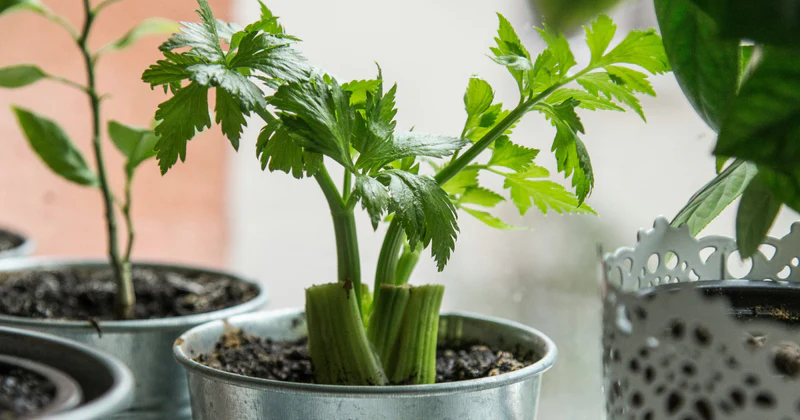
How to Grow Celeriac from Seed to Harvest: A Complete Step-by-Step Guide for Containers and Grow Bags

How to Grow Celeriac from Seed to Harvest: A Complete Step-by-Step Guide for Containers and Grow Bags

Celeriac, also known as celery root, is one of those underrated root vegetables that deserves more attention in home gardens. Though it might look gnarly on the outside, inside lies a delicious, aromatic root with a delicate celery-like flavor and smooth texture that’s perfect for soups, stews, and roasted dishes. What’s more, it’s quite simple to grow in containers or grow bags — making it a fantastic choice for small-space gardeners.

If you’re ready to cultivate this unique vegetable from seed to harvest, this detailed guide will walk you through how to grow celeriac successfully, even if you’re new to gardening.


Understanding Celeriac (Celery Root)

Celeriac (Apium graveolens var. rapaceum) is a cool-season crop closely related to celery. Instead of growing tall, fibrous stalks, celeriac develops a swollen, knobby root that sits partly above the soil surface. It has a mild, nutty, and slightly sweet flavor — like a cross between celery and parsley — and can be enjoyed raw or cooked.

Celeriac has a long growing season — about 120 to 150 days from seed to harvest — so starting early and giving it consistent care are key.


Why Grow Celeriac in Containers or Grow Bags?

Growing celeriac in containers or grow bags offers several benefits:

  • Better control over soil quality and moisture
  • Fewer pest and disease problems compared to in-ground planting
  • Space efficiency, making it ideal for balconies, patios, or small gardens
  • Ease of harvest, since roots are accessible and less compacted

With the right setup, you can grow large, healthy roots in containers that rival any garden-grown crop.


Step 1: Choosing the Right Variety

Some excellent celeriac varieties for container gardening include:

  • ‘Monarch’ – Known for smooth, round roots and mild flavor.
  • ‘Brilliant’ – Produces uniform, white-fleshed bulbs with great texture.
  • ‘Giant Prague’ – An heirloom favorite with large roots and a rich flavor.
  • ‘President’ – Reliable performer with strong disease resistance.

Choose a variety suited to your local climate and available growing season length.


Step 2: Starting Celeriac from Seed

Celeriac seeds are tiny and slow to germinate, so patience is key.

When to start seeds:
Start seeds 10–12 weeks before your last expected frost date. Celeriac prefers cool growing conditions, so aim to transplant it outdoors once daytime temperatures reach around 50–60°F (10–15°C).

How to sow seeds:

  1. Fill seed trays or small pots with a fine, moist seed-starting mix.
  2. Gently press the seeds onto the surface — they need light to germinate, so don’t bury them deeply.
  3. Mist with water and cover with a clear lid or plastic wrap to maintain humidity.
  4. Keep the trays in a warm spot (70°F/21°C) until germination.

Seeds typically take 2–3 weeks to sprout. Once seedlings appear, move them to a bright location or under grow lights for 12–14 hours a day.


Step 3: Transplanting Seedlings

When your celeriac seedlings are 4–6 inches tall and have several true leaves, they’re ready to move into containers or grow bags.

Container requirements:

  • Size: At least 12–14 inches deep and 12–16 inches wide per plant.
  • Soil: Use a rich, well-draining mix — combine garden soil, compost, and coco peat or perlite for aeration.
  • pH: Celeriac prefers slightly acidic to neutral soil (6.0–7.0).

Before transplanting, harden off seedlings by placing them outdoors for a few hours each day over a week to help them adjust to outdoor conditions.

Gently transplant seedlings, setting them slightly deeper than they were in their pots. Firm the soil around the base and water well.


Step 4: Watering and Feeding

Celeriac loves consistent moisture, especially while roots are developing. Uneven watering can result in woody or cracked roots.

Watering tips:

  • Keep the soil evenly moist but not waterlogged.
  • During hot weather, you may need to water daily.
  • Mulch around the plants to help retain moisture and keep the roots cool.

Fertilization:
Celeriac is a heavy feeder.

  • Mix compost or well-rotted manure into the soil before planting.
  • Apply a balanced liquid fertilizer (10-10-10) every 2–3 weeks.
  • Once roots start swelling, switch to a low-nitrogen fertilizer to encourage bulb growth instead of leaf growth.

Step 5: Sunlight and Temperature

Celeriac thrives in full sun to partial shade — aim for 6–8 hours of direct sunlight daily.

Ideal growing temperatures are between 50°F and 70°F (10–21°C). Prolonged hot weather can stress the plant, so in warmer climates, provide light shade during midday and keep the soil cool with mulch.


Step 6: Pruning and Maintenance

To help roots develop properly:

  • Remove outer leaves that turn yellow or lie on the soil surface.
  • Periodically trim side roots or surface shoots that compete for nutrients.
  • As the root begins to swell, gently brush away excess soil around the base so that the top of the bulb sits above the surface. This prevents rot and improves shape.

Keep an eye out for slugs, snails, and aphids. Hand-pick pests or use organic deterrents like neem oil or diatomaceous earth.


Step 7: Companion Planting

Celeriac grows well alongside plants that repel pests and improve soil health. Ideal companions include:

  • Leeks – Help deter carrot flies.
  • Cabbage family crops – Benefit from similar soil and water conditions.
  • Onions and garlic – Repel aphids and beetles.
    Avoid planting near carrots or celery, as they attract similar pests and diseases.

Step 8: Harvesting Celeriac

Celeriac takes about 120–150 days from sowing to reach full maturity.

You can begin harvesting when the bulbs are 3–4 inches wide, though larger roots (up to 6 inches) have more developed flavor. Use a small hand fork to gently lift the bulb from the soil, being careful not to damage the root.

Harvest before the first hard frost. In cool regions, you can mulch heavily and leave celeriac in the ground for a few weeks into early winter.


Step 9: Storing and Using Celeriac

Celeriac stores beautifully for winter use if handled properly.

  • Trim the leaves to about 1 inch above the bulb.
  • Brush off soil (don’t wash until ready to use).
  • Store in a cool, humid environment (32–40°F / 0–4°C), like a root cellar or refrigerator.

It can last up to 3–4 months when stored correctly.

Culinary uses:

  • Mash it like potatoes.
  • Slice it thinly for salads or slaws.
  • Roast it for a nutty, caramelized flavor.
  • Puree it into soups or stews for a creamy texture.

Step 10: Saving Seeds (Optional)

If you’d like to grow celeriac again next season, save seeds from mature plants. Celeriac is biennial, so it flowers in the second year. Leave one or two plants in the ground over winter (or transplant to a sheltered area) and collect the small seeds once the flower heads dry.

Store them in a cool, dry place, and they’ll remain viable for up to 3 years.


Final Thoughts

Growing celeriac from seed to harvest might take patience, but the reward is absolutely worth it. With its rich, earthy flavor and versatility in the kitchen, this vegetable adds both taste and variety to your garden harvest. When grown in containers or grow bags, you can enjoy fresh celery root even in limited spaces — all while keeping full control over your growing conditions.

So, start your seeds early, keep the soil moist, and give your plants plenty of sun. By the time autumn arrives, you’ll have a batch of beautiful, aromatic celeriac roots ready to transform your soups, salads, and stews.

The Ultimate Kohlrabi Growing Guide: From Seed to Harvest for a Thriving Home Garden

The Ultimate Kohlrabi Growing Guide: From Seed to Harvest for a Thriving Home Garden

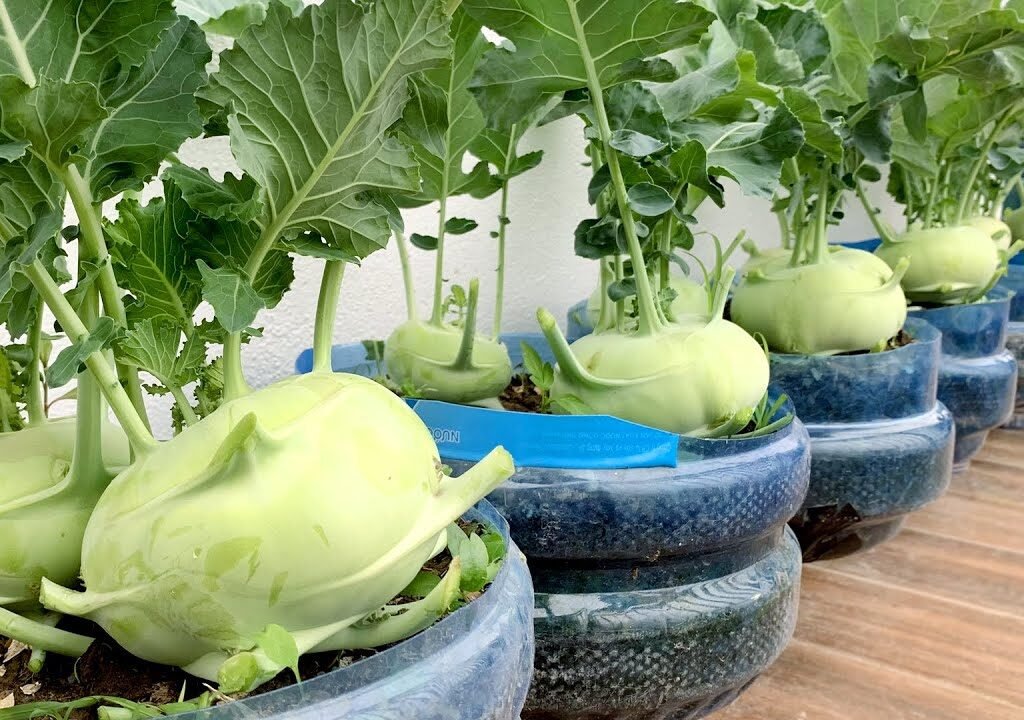
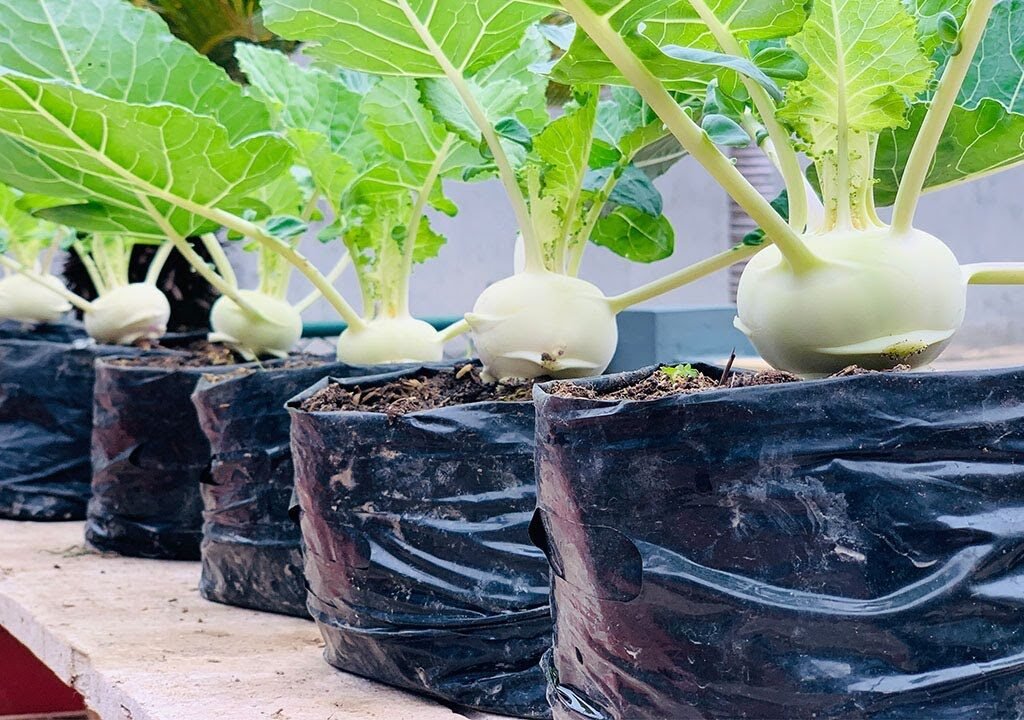
If you’ve ever wanted to grow a truly unique and underrated vegetable in your home garden, look no further than kohlrabi. With its bulb-like stem and leafy greens, this cool-season crop from the brassica family might look unusual, but it’s incredibly rewarding to grow. Sometimes called the “German turnip,” kohlrabi (Brassica oleracea var. gongylodes) is a cousin of cabbage, broccoli, and kale—offering a similar nutritional punch but with a taste and texture all its own.

Crisp like an apple and slightly sweet with a hint of radish flavor, kohlrabi can be enjoyed raw or cooked, making it a versatile addition to your kitchen. Best of all, it’s easy to grow—even in small spaces or containers.

In this comprehensive guide, we’ll take you step-by-step through the entire process of growing kohlrabi—from seed to harvest—so you can enjoy this crunchy, nutritious gem straight from your garden.


What Is Kohlrabi and Why Grow It?

Kohlrabi may not be the most common vegetable in the garden, but once you try it, you’ll wonder why you didn’t plant it sooner. The name comes from the German words “kohl” (cabbage) and “rabi” (turnip), perfectly describing its appearance and flavor.

Unlike other brassicas that form heads (like cabbage) or florets (like broccoli), kohlrabi forms a swollen, edible stem just above the soil. Its taste is mild and sweet—like broccoli stems with a hint of radish—and both the bulb and leaves are edible.

Reasons to grow kohlrabi:

  1. Fast-growing: Ready to harvest in just 50–70 days.
  2. Cool-season resilience: Thrives in spring and fall when other crops struggle.
  3. Compact growth: Perfect for container gardens or tight spaces.
  4. Highly nutritious: Rich in vitamin C, potassium, fiber, and antioxidants.
  5. Visually striking: Adds a decorative touch with its purple or light-green stems and leafy tops.

Best Varieties of Kohlrabi to Grow

When selecting seeds, consider your climate and taste preferences. Here are some reliable and popular varieties:

  • ‘Early White Vienna’ – A fast-maturing, light-green kohlrabi with tender, sweet bulbs.
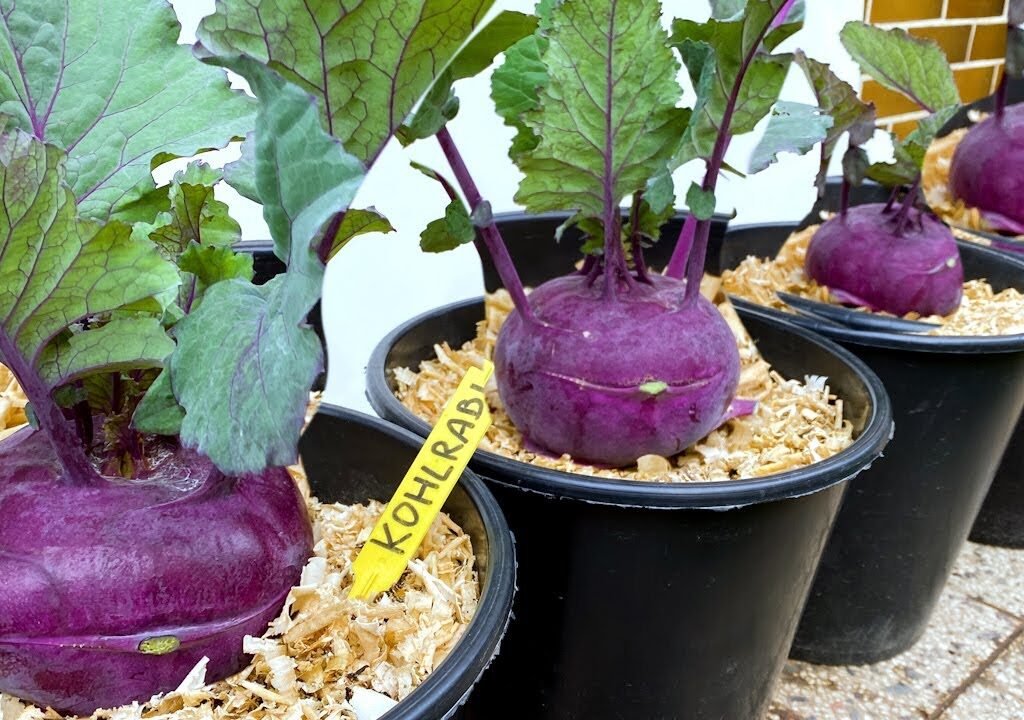
  • ‘Purple Vienna’ – Striking purple skin with white flesh; slightly more robust flavor.
  • ‘Kossak’ – Produces large bulbs that remain tender even when mature.
  • ‘Superschmelz’ – Ideal for long-season growing; large, juicy bulbs.
  • ‘Kolibri F1’ – Hybrid variety that’s bolt-resistant and quick to mature.

For home gardens, ‘Purple Vienna’ and ‘Early White Vienna’ are favorites due to their compact growth and consistent results.


When to Plant Kohlrabi

Kohlrabi is a cool-weather crop, growing best in spring and fall. It prefers temperatures between 10°C and 21°C (50°F–70°F). Hot weather can cause it to become woody or bolt (flower prematurely).

  • For spring harvest: Start seeds indoors 4–6 weeks before the last frost. Transplant outdoors 2–3 weeks before the last frost.
  • For fall harvest: Direct sow seeds in late summer, about 8–10 weeks before the first expected frost.

In mild climates, kohlrabi can even be grown through winter.


Choosing the Right Location

Kohlrabi thrives in full sun, but it can tolerate light shade in warmer climates. Aim for at least 6 hours of sunlight daily. The soil should be well-draining, fertile, and rich in organic matter. Avoid compacted or rocky soil, which can restrict bulb formation.


Preparing the Soil

Before planting, loosen the soil to about 8–10 inches deep and mix in organic compost or well-rotted manure. Kohlrabi prefers a slightly acidic to neutral soil pH between 6.0 and 7.5.

Pro tip: If you’re planting in containers, use a high-quality potting mix made of equal parts compost, garden soil, and coco peat or perlite for good aeration.


How to Plant Kohlrabi from Seed

You can start kohlrabi from seeds either indoors or directly outdoors, depending on your growing season.

Starting Indoors:

  1. Fill seed trays or small pots with a seed-starting mix.
  2. Sow seeds about ¼ inch (6 mm) deep.
  3. Keep the soil moist but not soggy.
  4. Maintain a temperature around 18–21°C (65–70°F) for optimal germination.
  5. Seeds should sprout in 5–10 days.

Once seedlings reach 3 inches tall and have 2–3 true leaves, harden them off before transplanting outdoors.

Direct Sowing Outdoors:

  1. Sow seeds ¼ inch deep, spacing them 2 inches apart in rows 10–12 inches apart.
  2. Once seedlings are 2–3 inches tall, thin them to about 6 inches apart for smaller bulbs or 8 inches apart for larger ones.

Watering and Mulching

Consistent moisture is key to producing tender, juicy bulbs. Water regularly—about 1 inch per week—and ensure even moisture throughout the growing season. Irregular watering can lead to tough, woody bulbs.

Apply a layer of organic mulch (like straw or shredded leaves) around the plants to retain moisture, suppress weeds, and regulate soil temperature.


Fertilizing Kohlrabi Plants

Kohlrabi grows best in nutrient-rich soil, so feeding it properly will enhance both yield and flavor.

  • Before planting: Mix in compost or a balanced slow-release fertilizer (10-10-10).
  • During growth: Apply a liquid fertilizer or compost tea every 3–4 weeks.
  • Avoid excess nitrogen: Too much nitrogen can result in lush leaves but small bulbs.

Caring for Kohlrabi Plants

  1. Weeding: Keep the area around the plants weed-free. Weeds compete for nutrients and moisture.
  2. Thinning: Proper spacing allows bulbs to develop properly without crowding.
  3. Pest Control: Watch for common pests like cabbage worms, aphids, and flea beetles. Use neem oil or insecticidal soap for organic pest management.
  4. Temperature Control: In warm weather, provide light shade or use row covers to prevent stress.

Companion Planting for Kohlrabi

Kohlrabi pairs well with several garden vegetables and herbs. Companion planting helps deter pests and improve soil health.

Best companions:

  • Beets
  • Onions
  • Lettuce
  • Cucumbers
  • Aromatic herbs (like dill and sage)

Avoid planting near:

  • Tomatoes
  • Pole beans
  • Strawberries (they may stunt each other’s growth).

Common Problems and Solutions

Even though kohlrabi is relatively hardy, it can face some challenges. Here’s how to troubleshoot:

ProblemCauseSolution
Bulbs not formingOvercrowding or lack of sunlightThin plants and ensure full sun exposure.
Bulbs crackingIrregular watering or rapid growthKeep soil consistently moist and avoid drought stress.
Leaves eaten or holes presentCabbage worms or flea beetlesUse floating row covers and organic insect sprays.
Plants bolting (flowering early)Hot weather or stressGrow during cool seasons and provide shade if temperatures rise.

Growing Kohlrabi in Containers

If you don’t have garden space, you can easily grow kohlrabi in pots or containers. Here’s how:

  • Container size: At least 12 inches (30 cm) deep and wide per plant.
  • Soil: Use rich, well-draining potting mix with compost.
  • Spacing: 1 plant per 12-inch pot or 3 plants in a large 20-inch container.
  • Watering: Containers dry out faster, so check soil moisture daily.
  • Sunlight: Place pots in a sunny spot (6+ hours of light).

Container-grown kohlrabi matures quickly and is less prone to soil-borne diseases.


Harvesting Kohlrabi

Kohlrabi is ready to harvest 50–70 days after sowing, depending on the variety. Timing is essential to ensure the best flavor and texture.

How to harvest:

  • Bulbs are best when 2–3 inches (5–7 cm) in diameter.
  • Use a sharp knife to cut the stem just above the soil line.
  • Harvest before bulbs exceed 4 inches in size to prevent them from becoming woody.

You can also harvest some of the young leaves for salads or cooking—they’re similar in taste to kale or collard greens.

Pro tip: Harvest early in the morning for the crispest, sweetest bulbs.


Post-Harvest Storage

After harvesting, remove the leaves (they draw moisture from the bulb). Store bulbs in the refrigerator for up to 2–3 weeks in a perforated plastic bag.

For longer storage, you can blanch and freeze sliced bulbs for use in soups and stir-fries.


How to Use Kohlrabi in the Kitchen

Kohlrabi’s mild, refreshing taste makes it one of the most versatile vegetables in the kitchen. Here are some delicious ways to enjoy your homegrown harvest:

  • Raw: Slice thinly for salads or slaws with lemon and olive oil.
  • Roasted: Toss cubes with olive oil, salt, and pepper; roast until golden and tender.
  • Mashed: Steam and mash with potatoes for a lighter twist on classic mash.
  • Stir-fried: Add to vegetable stir-fries for crunch and flavor.
  • Soups and stews: Adds a sweet, earthy base to hearty dishes.

Even the leaves can be sautéed or used in soups for an extra nutritional boost.


Saving Seeds for Next Season

If you let a few plants flower and go to seed, you can collect your own kohlrabi seeds for future planting. Since it’s a biennial plant, kohlrabi usually produces seeds in its second year in mild climates. Allow the seed pods to dry on the plant, then collect and store them in a cool, dry place.


Final Thoughts

Growing kohlrabi from seed to harvest is a simple and satisfying process that rewards you with crisp, delicious, and nutrient-rich vegetables. Whether you grow it in raised beds, containers, or garden rows, this cool-season crop thrives with minimal care and offers incredible flavor versatility.

With just a little attention to watering, spacing, and timing, you’ll soon be harvesting beautiful bulbs that add freshness and nutrition to your meals. So this season, make room for kohlrabi—the humble yet extraordinary vegetable that will make your garden (and your kitchen) shine!

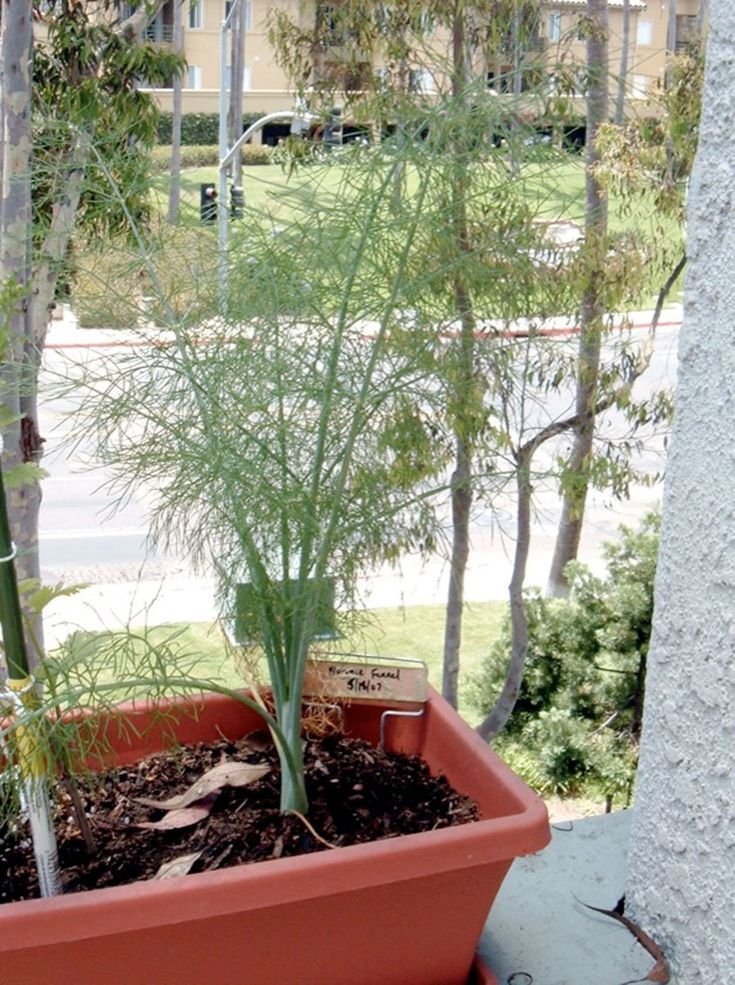
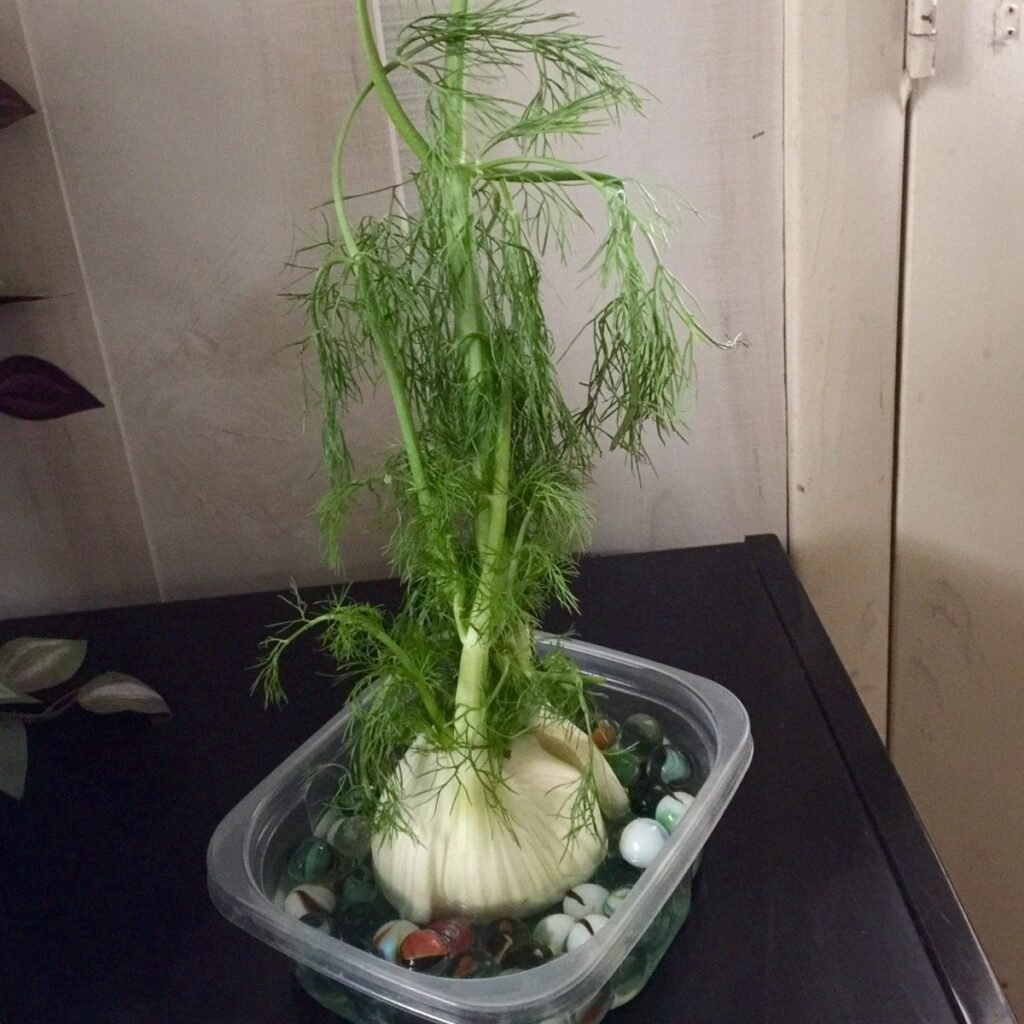
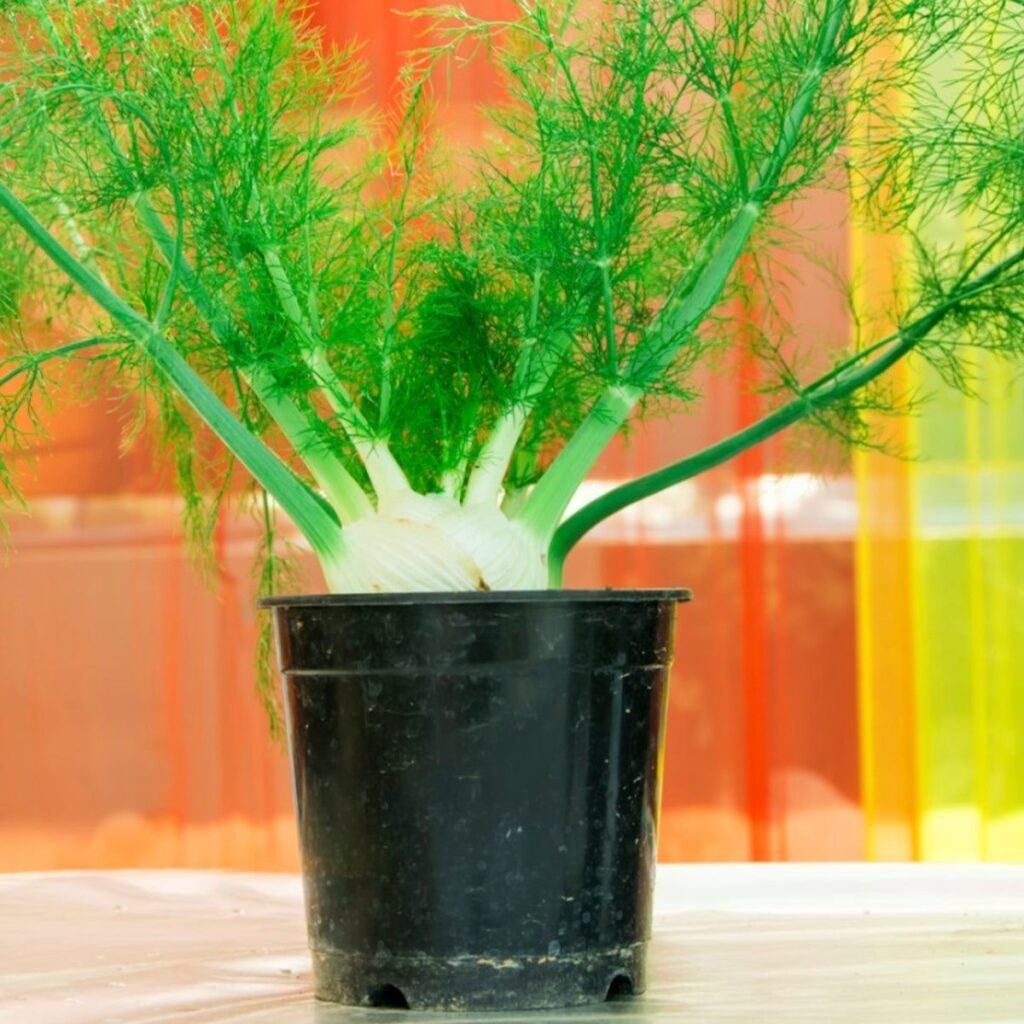
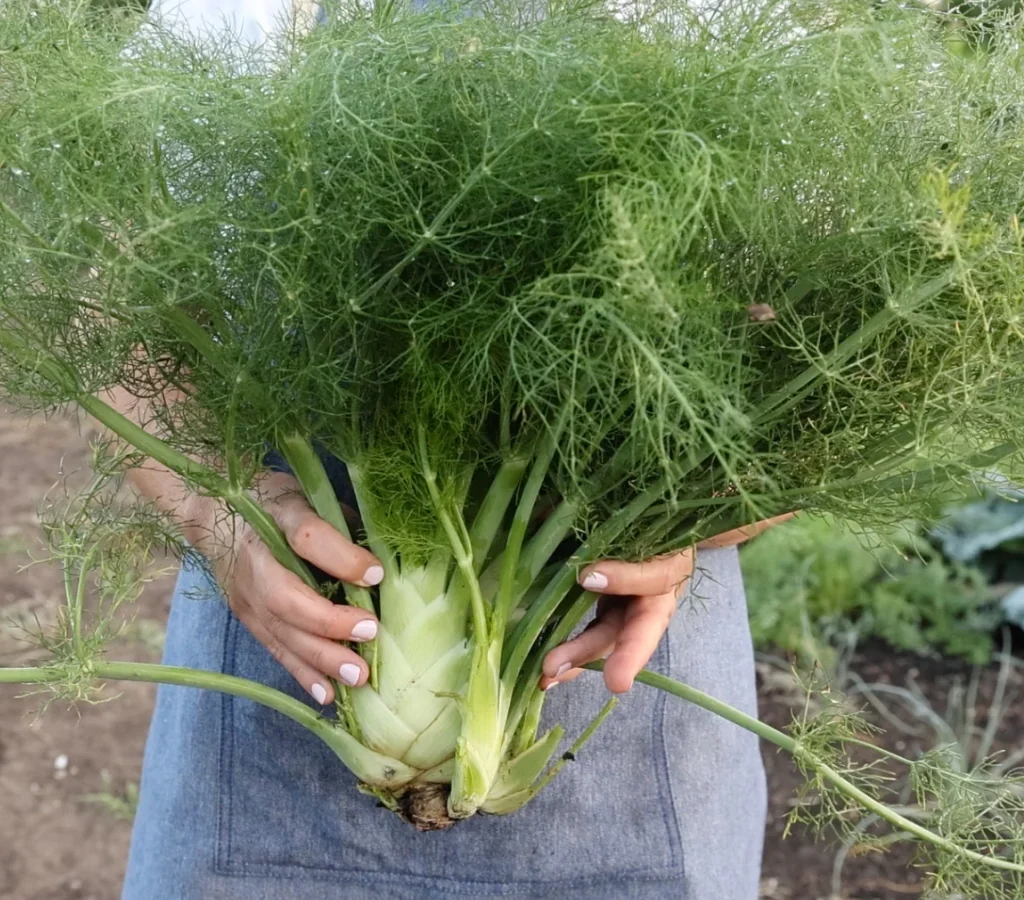
How to Grow Fennel from Seed in Containers: A Complete Guide to Growing Bulbing or Florence Fennel at Home

How to Grow Fennel from Seed in Containers: A Complete Guide to Growing Bulbing or Florence Fennel at Home

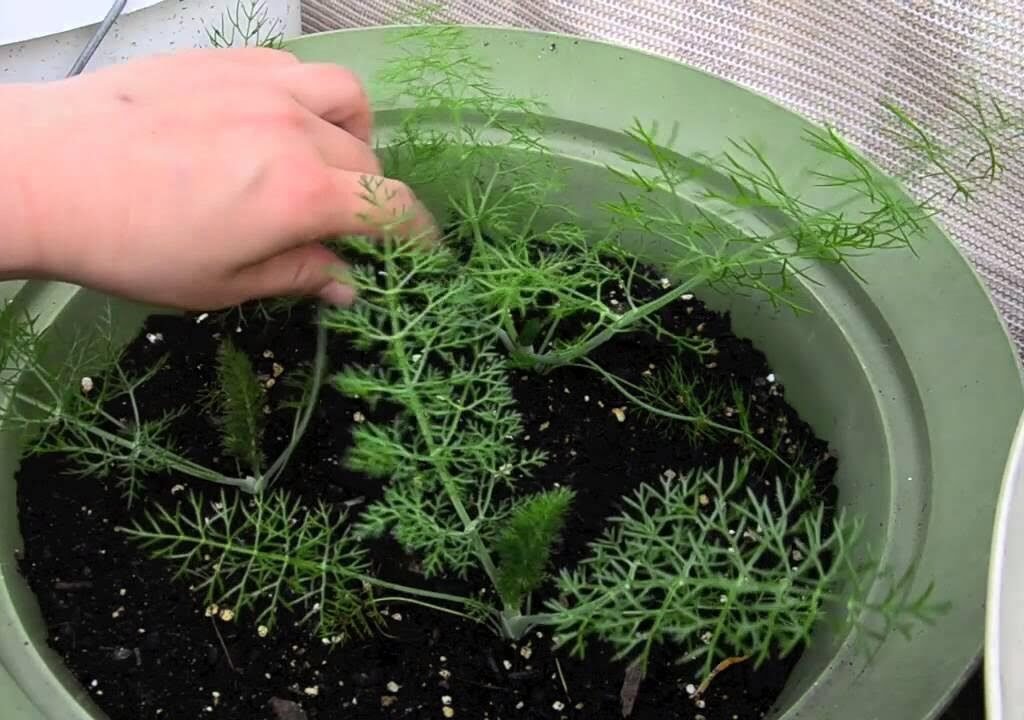
Fennel (Foeniculum vulgare var. azoricum), also known as Florence fennel or bulbing fennel, is one of those garden treasures that delights both the gardener and the cook. With its aromatic leaves, crisp white bulbs, and sweet anise-like flavor, fennel adds elegance to any kitchen garden—and the good news is, you don’t need a large garden to grow it successfully.

Growing fennel from seed in containers is easier than many people think. Whether you’re an urban gardener with limited space or someone who simply loves the convenience of container gardening, fennel can thrive beautifully in pots when given the right conditions. In this detailed guide, we’ll walk you through everything you need to know—from seed sowing to harvest—so you can enjoy your own homegrown Florence fennel right on your patio or balcony.


Understanding Fennel: A Versatile and Flavorful Herb

Fennel is a Mediterranean native known for its aromatic flavor that’s reminiscent of licorice or anise. It’s both a herb and a vegetable, depending on the part of the plant you use.

  • Herb fennel (common fennel) is grown primarily for its feathery leaves and seeds, often used for flavoring dishes, teas, and spice blends.
  • Bulbing fennel (Florence fennel) forms a crisp, layered bulb at the base that can be eaten raw or cooked.

When growing fennel in containers, Florence fennel is the best variety to choose if you want those delicious white bulbs used in salads, roasted dishes, and soups.


Benefits of Growing Fennel in Containers

Container gardening offers flexibility and control, and fennel adapts perfectly to it. Here’s why it’s a great choice for pot cultivation:

  1. Space Efficiency: You can grow fennel on a balcony, patio, or even a sunny windowsill.
  2. Pest Control: Containers reduce pest problems, especially from slugs and root nematodes.
  3. Better Soil Management: You can easily create the perfect soil mix for fennel’s needs.
  4. Easy Maintenance: Watering, weeding, and harvesting are much more manageable.
  5. Mobility: If the sun becomes too intense, you can move your containers for optimal light exposure.

Best Varieties of Bulbing Fennel for Containers

When growing fennel from seed, choosing the right variety is crucial. Look for compact, fast-growing varieties that perform well in limited space:

  • ‘Perfection’ – Reliable, sweet flavor, forms nice round bulbs.
  • ‘Zefa Fino’ – Early-maturing and heat-tolerant, perfect for containers.
  • ‘Romanesco’ – Produces large bulbs with mild flavor, great for cooler climates.
  • ‘Orion’ – Resistant to bolting and excellent for spring or summer sowing.

Choosing the Right Container

Fennel develops long taproots and needs enough room for both the bulb and roots to expand. Therefore, container size matters.

  • Minimum depth: 12–14 inches (30–35 cm)
  • Minimum width: 10–12 inches (25–30 cm) per plant
  • Material: Use terracotta, fabric grow bags, or deep plastic containers with drainage holes.

Avoid shallow pots, as fennel’s roots need depth to support bulb formation.


Ideal Soil Mix for Fennel

Florence fennel prefers rich, well-draining soil that holds moisture without becoming soggy. For containers, prepare a mix that ensures aeration and fertility:

Recommended potting mix:

  • 1 part high-quality garden soil
  • 1 part compost or well-rotted manure
  • 1 part perlite or coarse sand (for drainage)

You can also add a handful of bone meal or an organic vegetable fertilizer at planting time to encourage strong bulb growth.


How to Sow Fennel Seeds in Containers

Fennel doesn’t transplant well due to its sensitive taproot, so it’s best to sow directly into the final container. Follow these steps for success:

  1. Timing:
    • For spring planting, sow seeds 2–3 weeks after the last frost when temperatures are above 15°C (60°F).
    • For fall harvest, sow seeds in late summer to early autumn.
  2. Sowing Process:
    • Fill the container with the prepared potting mix.
    • Sow seeds ¼ inch (6 mm) deep, spacing them about 6 inches (15 cm) apart.
    • Lightly cover with soil and gently water.
  3. Germination:
    • Keep the soil moist but not waterlogged.
    • Seeds typically germinate in 7–10 days in warm conditions.

Once seedlings emerge, thin them to allow the strongest plants room to grow.


Sunlight and Temperature Needs

Fennel loves sunlight and warmth. To ensure strong bulb and leaf development:

  • Sunlight: At least 6–8 hours of full sun daily.
  • Temperature: Ideal range is 15–25°C (60–77°F).

If you live in a hot region, protect your plants from harsh midday sun by moving containers to a slightly shaded area during peak hours.


Watering and Feeding Your Fennel Plants

Watering:
Consistent moisture is the key to plump, tender bulbs. Water whenever the top inch of soil feels dry. Avoid waterlogging, which can cause root rot.

Mulching:
Add a 1–2 inch layer of straw or compost mulch around the base to retain soil moisture and regulate temperature.

Feeding:

  • After 3–4 weeks of growth, feed with a diluted liquid organic fertilizer every 2–3 weeks.
  • Choose a balanced fertilizer (10-10-10) or one slightly higher in potassium to encourage bulb development.

Encouraging Bulb Formation

As fennel grows, you’ll notice leaf stalks thickening near the base—this is the start of bulb formation. To encourage fuller, sweeter bulbs:

  1. Keep soil consistently moist.
  2. Avoid root disturbance—never transplant fennel once established.
  3. Earth up (optional): When bulbs begin to form, gently mound soil or compost around them. This “blanching” technique keeps bulbs white and tender.

Preventing Bolting (Premature Flowering)

Bolting is when fennel starts to flower before forming a full bulb—a common issue caused by heat stress or irregular watering. To prevent this:

  • Keep the soil evenly moist.
  • Avoid exposing plants to extreme temperature fluctuations.
  • Choose bolt-resistant varieties like ‘Zefa Fino’ or ‘Orion’.
  • Do not overcrowd plants—adequate airflow reduces stress.

If your fennel does bolt, don’t worry! The leaves and flowers are still edible, and you can collect seeds for seasoning or next year’s planting.

Companion Plants for Container-Grown Fennel

Fennel has strong aromatic oils that can affect nearby plants, so choose companions wisely. In containers, it’s best grown alone or with herbs that tolerate its presence.

Best companions:

  • Dill
  • Sage
  • Thyme
  • Mint (in separate containers)

Avoid planting fennel near beans, tomatoes, or most leafy greens, as it can inhibit their growth.


Common Problems and Solutions

  1. Bolting Too Early
    • Caused by heat or dry soil. Keep consistent watering and grow in moderate weather.
  2. Aphids or Caterpillars
    • Use neem oil spray or introduce beneficial insects like ladybugs.
  3. Root Rot
    • Ensure proper drainage and avoid overwatering.
  4. Small or Flat Bulbs
    • This usually happens due to overcrowding or insufficient sunlight. Thin seedlings and provide full sun exposure.

Harvesting Florence Fennel

You can start harvesting bulbs around 90–110 days after sowing, depending on the variety. Here’s how:

  • Harvest bulbs when they reach 2.5–4 inches (6–10 cm) in diameter.
  • Use a sharp knife to cut the bulb just above the soil line.
  • Leave the roots intact—new shoots may grow for a second, smaller harvest.

For the most tender bulbs, harvest before the plant starts flowering.

Bonus tip: Don’t discard the fronds (feathery leaves)! They make an excellent garnish for fish, salads, or soups, adding a subtle anise aroma.

Saving Fennel Seeds

If you let a few plants bolt and flower, you can collect your own seeds for next season. Once the flower heads dry and turn brown, cut them and shake gently over a bowl to collect the seeds. Dry them thoroughly and store them in airtight containers.

Fennel seeds are also culinary treasures—use them in teas, curries, and baking for a sweet, aromatic touch.


Using Homegrown Fennel in the Kitchen

Florence fennel is a culinary powerhouse. Its bulb, fronds, and seeds can all be used in different dishes:

  • Bulb: Slice raw into salads for crunch and sweetness, or roast it to bring out caramelized, nutty flavors.
  • Fronds: Chop and sprinkle over seafood, pasta, or soups for freshness.
  • Seeds: Toast and use as seasoning in meat dishes or bread.

Popular dishes include roasted fennel with olive oil and parmesan, creamy fennel soup, and braised fennel with lemon and herbs.


Final Thoughts

Growing fennel from seed in containers is a rewarding way to bring both flavor and beauty to your garden space. With the right care, this Mediterranean delight will reward you with plump, aromatic bulbs and lush green fronds for months.

Whether you’re cooking up a hearty stew, preparing fresh salads, or adding a gourmet touch to your kitchen, homegrown Florence fennel brings a unique, aromatic sweetness you just can’t get from the store.

So, grab your seeds, prepare your containers, and start your fennel-growing journey today—your taste buds (and your garden) will thank you!

Peas Growing Masterclass: How to Grow the Sweetest Garden Peas Ever from Seed to Harvest

Peas Growing Masterclass: How to Grow the Sweetest Garden Peas Ever from Seed to Harvest

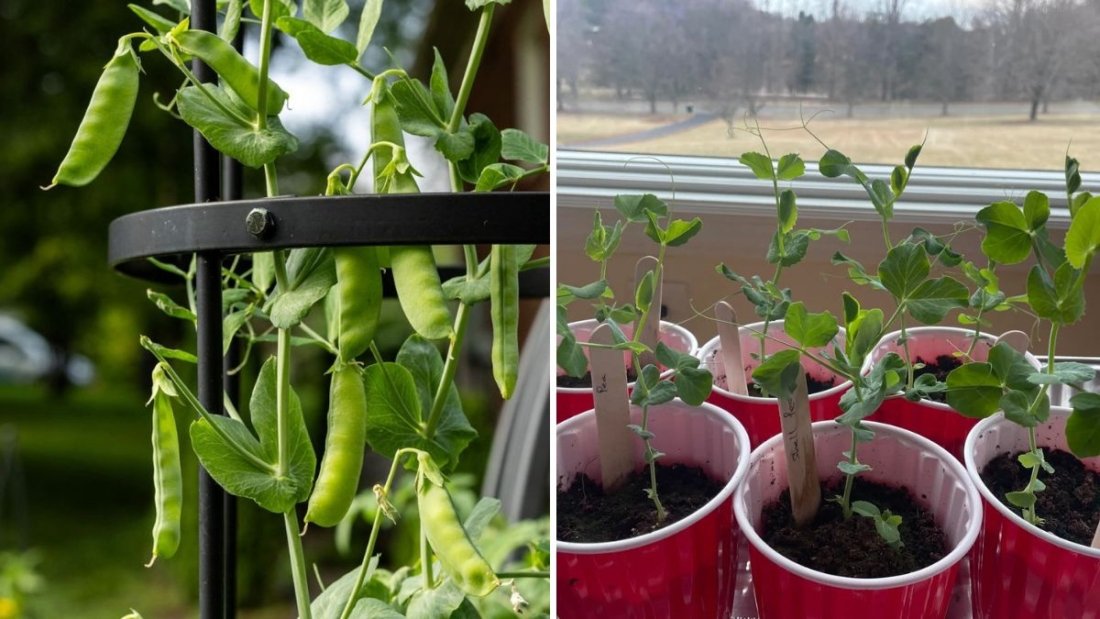
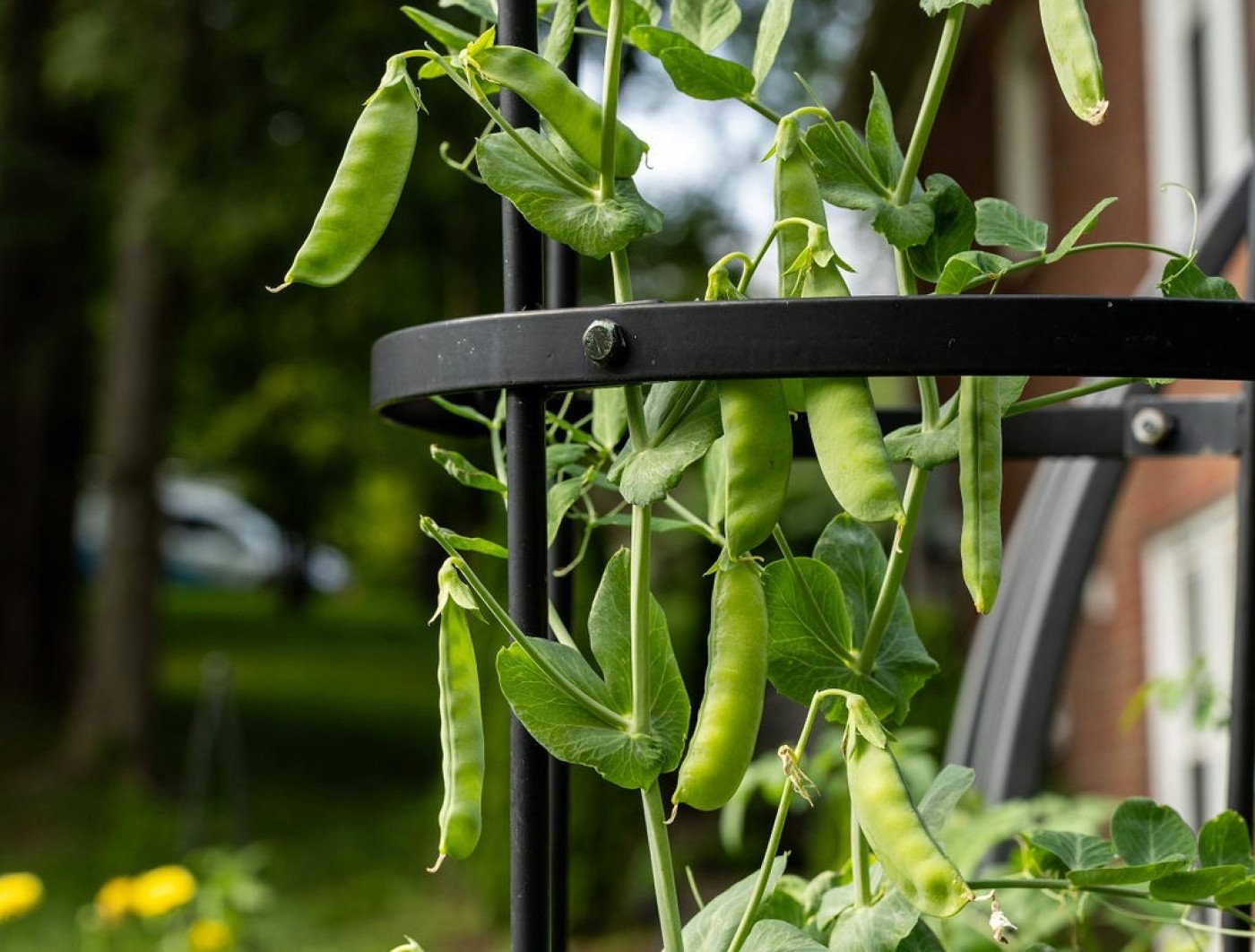
Nothing tastes quite like fresh, homegrown garden peas plucked straight from the vine. Sweet, crisp, and bursting with flavor, peas are a true delight for gardeners and food lovers alike. Whether you’re a beginner or a seasoned grower, this peas growing masterclass will guide you through everything you need to know to grow the sweetest garden peas ever—from seed to harvest.

In this comprehensive guide, you’ll learn how to choose the best varieties, prepare your soil, care for your plants, and maximize sweetness in every pod using simple yet powerful gardening techniques.


Why Grow Your Own Garden Peas?

Garden peas are among the most rewarding vegetables to grow. They thrive in cool weather, enrich the soil with nitrogen, and are packed with vitamins A, C, and K. Best of all, homegrown peas are incredibly sweet compared to store-bought ones, which lose their sugar content soon after harvest.

Growing peas also offers several benefits:

  • Early harvests: They’re among the first crops ready in spring.
  • Soil health: As legumes, peas fix nitrogen, improving soil fertility.
  • Low maintenance: They’re easy to grow with minimal pest problems.
  • Versatility: Peas can be grown in garden beds, raised containers, or trellises.

With a little care and attention, you can enjoy a steady harvest of sweet, tender peas all season long.


Step 1: Choosing the Right Variety

There are several types of peas, each offering unique textures and flavors. For the sweetest results, choose varieties suited to your climate and growing space.

1. Garden Peas (English Peas):

  • Classic peas grown for their sweet, round seeds.
  • Pods are not edible but seeds are delicious when fresh or cooked.
  • Varieties: Green Arrow, Lincoln, Little Marvel.

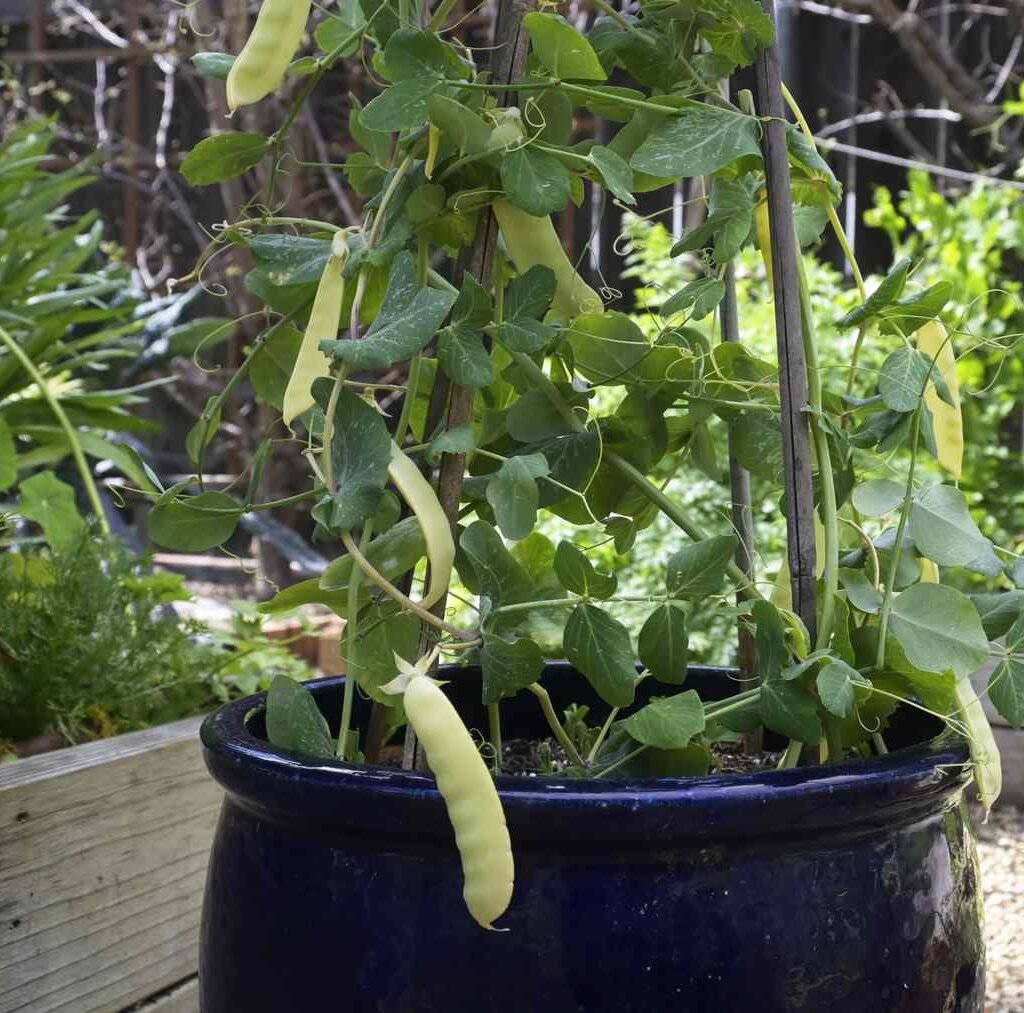
2. Sugar Snap Peas:

  • Both pods and peas are edible.
  • Crunchy, juicy, and naturally sweet.
  • Varieties: Sugar Ann, Sugar Snap, Cascadia.

3. Snow Peas:

  • Flat, tender pods harvested before the peas mature.
  • Perfect for stir-fries and salads.
  • Varieties: Oregon Sugar Pod, Mammoth Melting Sugar.

If your goal is to grow the sweetest peas possible, go for sugar snap peas or early-maturing English pea varieties.


Step 2: Preparing the Soil

Sweet peas grow best in loamy, well-drained soil that’s rich in organic matter. To enhance flavor and productivity, soil preparation is key.

Soil preparation steps:

  1. Loosen the soil: Dig or till the soil 8–10 inches deep to improve drainage.
  2. Add compost: Mix in 2–3 inches of compost or well-rotted manure to enrich fertility.
  3. Check pH: Peas prefer a slightly acidic to neutral soil (pH 6.0–7.5).
  4. Avoid fresh manure: It promotes leafy growth at the expense of pods.

Before planting, rake the soil smooth and remove any large clumps or stones.


Step 3: When and How to Plant Pea Seeds

Peas are a cool-season crop, which means they thrive in spring or fall when temperatures are mild.

Best planting time:

  • Sow seeds 2–4 weeks before the last frost date in spring.
  • For fall crops, plant 8–10 weeks before the first expected frost.

Planting steps:

  1. Soak seeds: Soak peas in water for 6–8 hours before planting to speed up germination.
  2. Plant depth: Sow seeds 1 inch deep in the soil.
  3. Spacing: Space seeds 2 inches apart in rows about 12–18 inches apart.
  4. Water gently: Keep the soil moist but not soggy.

Peas typically germinate in 7–10 days, depending on temperature and soil conditions.


Step 4: Supporting the Plants

Most pea varieties, especially climbing types, need support as they grow.

Support options:

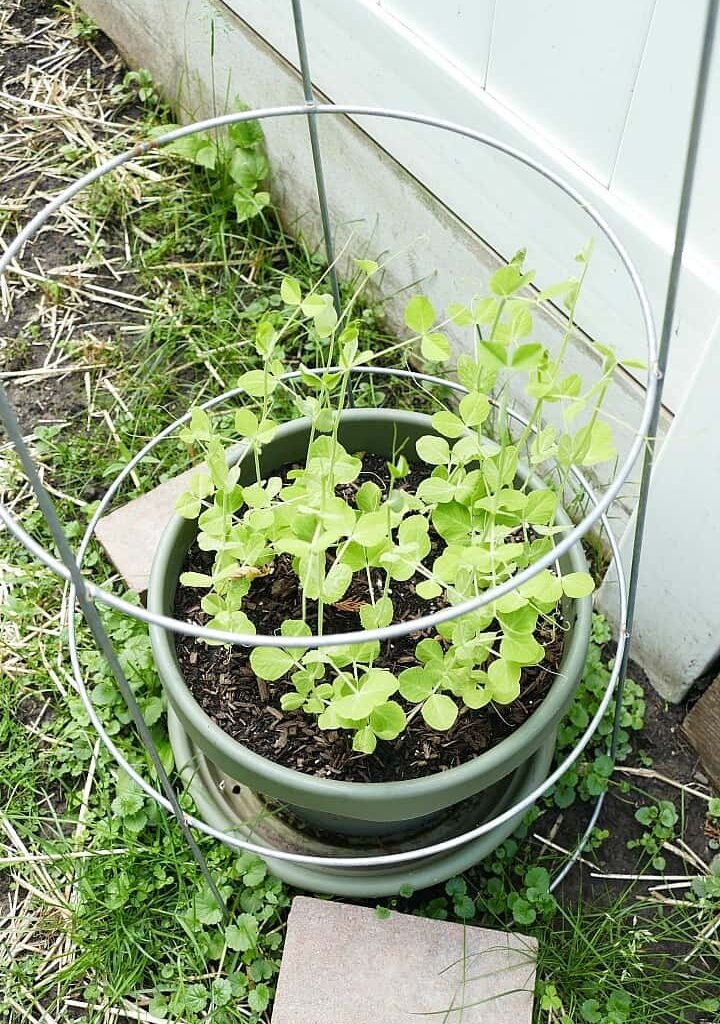
  • Trellises: Simple wooden or metal trellises provide excellent vertical space.
  • Netting: Stretch garden netting between poles for a lightweight option.
  • Stakes or strings: Tie plants gently as they climb for better stability.

Supporting your peas keeps them upright, prevents rot, and allows better air circulation, resulting in healthier, sweeter pods.


Step 5: Watering and Moisture Management

Consistent watering is crucial for growing sweet, plump peas. However, overwatering can cause root rot and fungal diseases.

Watering tips:

  • Keep the soil evenly moist, not waterlogged.
  • Water early in the morning to let foliage dry during the day.
  • Mulch around plants to conserve moisture and regulate temperature.

As the peas start flowering and forming pods, increase watering slightly to support pod development.


Step 6: Fertilizing for Maximum Sweetness

Peas are light feeders because they can fix nitrogen from the air through their root nodules. However, they still benefit from a balanced nutrient supply.

Fertilizer guide:

  • Before planting: Mix in compost or a slow-release organic fertilizer.
  • Mid-season boost: Apply a compost tea or diluted fish emulsion during flowering.
  • Avoid high-nitrogen fertilizers: They promote leafy growth instead of sweet pods.

For naturally sweeter peas, add potassium- and phosphorus-rich amendments like banana peel compost or bone meal during the flowering stage.


Step 7: Sunlight and Temperature Requirements

Peas prefer cool weather and full sunlight for 6–8 hours per day. Too much heat can make pods tough and reduce sweetness.

Ideal growing conditions:

  • Temperature: 13°C–24°C (55°F–75°F).
  • Sun exposure: At least 6 hours of direct sunlight daily.
  • Partial shade: In hot climates, provide light shade during peak afternoon sun.

Maintaining moderate temperatures and good air circulation is key to keeping your peas crisp and sweet.


Step 8: Pest and Disease Control

Though peas are relatively trouble-free, certain pests and diseases can affect them if not managed early.

Common pests:

  • Aphids: Cause curling leaves; control with neem oil spray.
  • Pea weevils: Damage pods; use floating row covers early in the season.
  • Slugs and snails: Feed on young shoots; deter them with crushed eggshells or sand barriers.

Common diseases:

  • Powdery mildew: Avoid overhead watering; ensure good airflow.
  • Root rot: Prevent by ensuring soil drainage.

Crop rotation and proper spacing can greatly reduce pest and disease problems.


Step 9: Flowering and Pollination

Peas are self-pollinating, meaning they don’t rely on insects for fruit set. However, bees can help improve pod development by enhancing cross-pollination.

During flowering:

  • Keep the soil evenly moist.
  • Avoid disturbing the plants.
  • Maintain consistent temperatures to prevent flower drop.

Healthy flowers lead to plump, sweet pods—so this stage is crucial for flavor development.


Step 10: Harvesting Garden Peas

Timing your harvest correctly is essential for getting the sweetest peas.

How to know when to harvest:

  • Garden peas: Pods should be bright green, full, and slightly firm when pressed.
  • Sugar snap peas: Pick when pods are plump but before peas harden inside.
  • Snow peas: Harvest when pods are flat but crisp.

Pick peas early in the morning when sugar levels are highest. Use two hands to avoid damaging the vine—hold the stem and gently snap the pod off.

Regular harvesting encourages the plant to produce more pods.


Step 11: Maximizing Sweetness After Harvest

The sweetness of peas depends not only on how they’re grown but also on how quickly they’re eaten after harvest.

Post-harvest tips:

  • Peas begin converting sugar to starch within hours of being picked.
  • For best flavor, eat them immediately after harvest.
  • If storing, refrigerate peas right away or blanch and freeze them to preserve sweetness.

Frozen peas retain much of their natural sugar and can be used in soups, stir-fries, and salads year-round.


Step 12: Saving Seeds for the Next Season

To save seeds from your best pea plants:

  1. Allow a few pods to fully mature and dry on the vine.
  2. Harvest the pods once they turn brown and brittle.
  3. Remove seeds and air-dry them for several days.
  4. Store in a cool, dry place in airtight containers.

These saved seeds will give you vigorous, disease-resistant plants for your next crop.


Bonus Tips for Growing the Sweetest Peas

  • Plant early: Peas grown in cool weather develop more sugar and better texture.
  • Harvest often: The more you pick, the more pods your plants produce.
  • Rotate crops: Don’t plant peas in the same spot every year to prevent soil-borne diseases.
  • Add organic mulch: It keeps soil cool and preserves moisture, essential for sweetness.

Final Thoughts

Growing garden peas is both simple and deeply satisfying. With the right soil preparation, consistent care, and timely harvesting, you can enjoy baskets full of tender, sweet peas that outshine anything you’ll find in stores.

This peas growing masterclass proves that anyone can grow the sweetest peas ever—whether in a backyard bed, raised planter, or even a small container garden. From sowing seeds to savoring your first handful of fresh peas, every step brings you closer to the true joy of homegrown flavor.

So grab your seeds, prepare your garden, and start your journey toward growing the sweetest garden peas ever—your taste buds will thank you!

Biointensive Lima Beans: How to Grow Like a Pro from Seed to Harvest

Biointensive Lima Beans: How to Grow Like a Pro from Seed to Harvest

Growing lima beans can be an incredibly rewarding experience—especially when you use biointensive gardening techniques. This method focuses on maximizing yield in small spaces while maintaining soil health and sustainability. Whether you’re an urban gardener with limited space or a backyard grower aiming for high productivity, growing biointensive lima beans will help you harvest nutrient-rich beans efficiently and sustainably.

In this detailed guide, we’ll walk you through everything you need to know about growing lima beans like a pro—from seed to harvest—using the biointensive method.


What Are Lima Beans and Why Grow Them Biointensively?

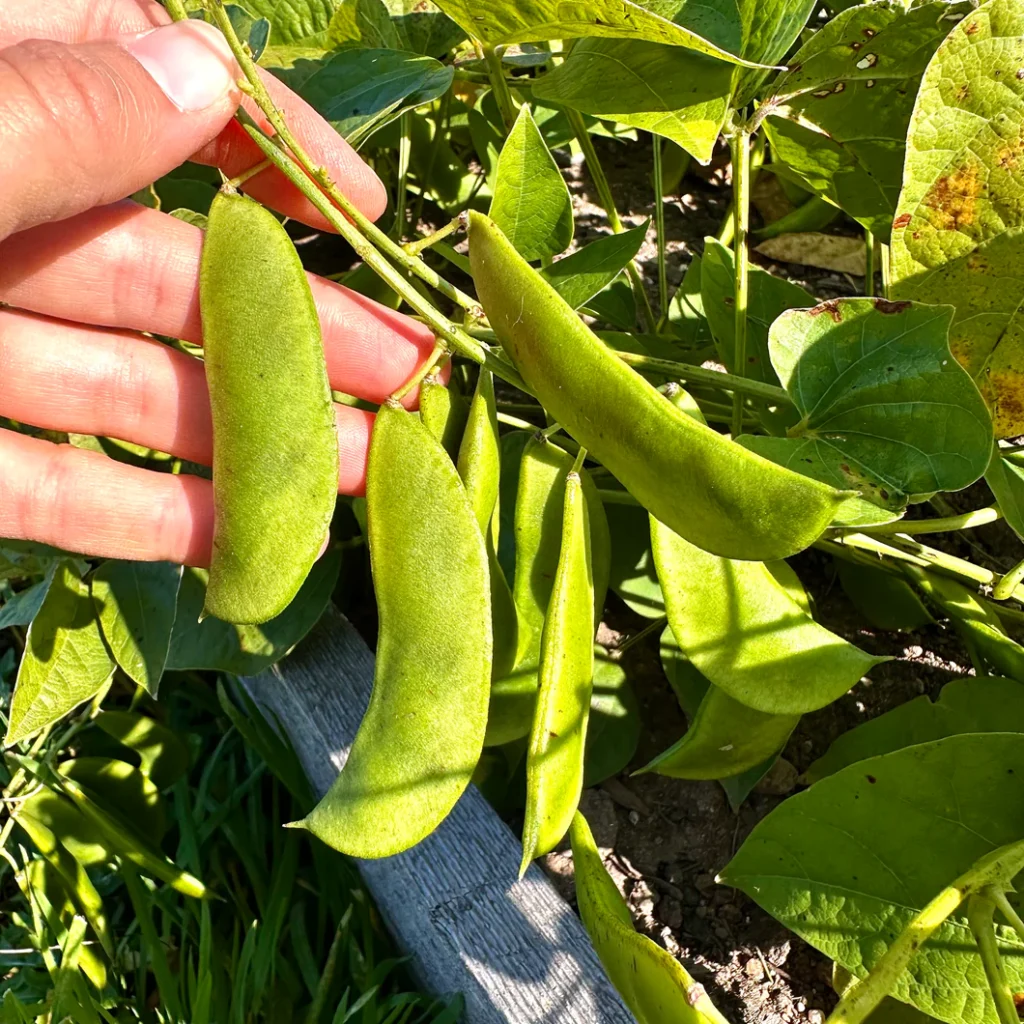
Lima beans (also known as butter beans) are warm-season legumes that produce large, creamy seeds packed with protein, fiber, and essential minerals. They thrive in warm climates and enrich the soil naturally by fixing nitrogen.

Growing them biointensively means cultivating them in a way that focuses on:

  • High yields in small spaces
  • Deep soil preparation for strong root systems
  • Balanced composting and nutrient cycling
  • Companion planting for pest control and biodiversity

This approach not only ensures excellent bean production but also improves your soil health year after year.


Step 1: Choosing the Right Lima Bean Variety

Lima beans come in two main growth types—bush and pole—and your choice depends on your available space and desired yield.

1. Bush Lima Beans:

  • Compact and perfect for containers or small plots.
  • Mature faster, typically in 60–75 days.
  • Great varieties: Fordhook 242, Henderson’s Bush, Burpee’s Improved Bush.

2. Pole Lima Beans:

  • Climbing type that produces for a longer season.
  • Takes 85–95 days to mature but yields more.
  • Great varieties: King of the Garden, Big Six, Willow Leaf.

For biointensive gardening, you can grow either type, depending on your setup. Pole beans are excellent for vertical systems, while bush varieties suit dense, closely spaced beds.


Step 2: Preparing the Soil (The Biointensive Way)

Healthy soil is the heart of biointensive gardening. Lima beans thrive in loamy, well-draining, nutrient-rich soil with a pH between 6.0 and 7.5.

Biointensive soil preparation involves:

  1. Double-digging: Loosen the soil up to 24 inches deep to allow roots to grow freely.
  2. Adding compost: Mix in 2–3 inches of mature compost throughout the soil to enhance fertility and microbial activity.
  3. Balancing nutrients: Incorporate organic amendments like bone meal (for phosphorus) and wood ash (for potassium).

This deep, well-aerated bed promotes strong root systems, better nutrient absorption, and healthier plants that resist stress and disease.


Step 3: Sowing the Seeds

Lima beans prefer warm soil—plant them only after the last frost when the soil temperature is above 18°C (65°F).

How to sow:

  • Spacing: Plant seeds 4–6 inches apart in rows or hexagonal patterns for dense, biointensive planting.
  • Depth: Sow seeds 1 to 1.5 inches deep in moist soil.
  • Row spacing: Keep 12–18 inches between rows for airflow and maintenance.
  • Watering: Water gently but thoroughly after planting.

Avoid overwatering during germination. Seeds usually sprout within 7–10 days under warm conditions.


Step 4: Providing the Ideal Growing Conditions

Lima beans are warm-weather crops and need consistent heat, light, and moisture for best growth.

Key growing requirements:

  • Sunlight: At least 6–8 hours of full sun daily.
  • Temperature: Ideal range is 21°C to 30°C (70°F–86°F).
  • Watering: Keep soil evenly moist, especially during flowering and pod development. Deep watering 1–2 times a week works best.
  • Mulching: Apply organic mulch (like straw or compost) to retain moisture, suppress weeds, and regulate soil temperature.

Avoid overhead watering to prevent fungal issues—water near the base instead.


Step 5: Biointensive Plant Spacing and Companion Planting

Biointensive gardening emphasizes tight spacing to maximize yield and create a living mulch that shades the soil.

For lima beans, dense planting encourages efficient nutrient use while preventing weeds. However, ensure enough airflow between plants to reduce humidity-related diseases.

Great companion plants include:

  • Corn: Acts as a natural trellis for climbing lima beans.
  • Carrots: Improve soil structure and aeration.
  • Marigolds: Repel aphids and nematodes.
  • Spinach or lettuce: Grow between rows as a quick crop before the beans mature.

Avoid planting lima beans near onions or garlic, which can stunt growth.


Step 6: Fertilizing and Feeding Naturally

Since lima beans fix their own nitrogen through root nodules, they don’t need heavy nitrogen fertilization. However, they still benefit from a well-balanced organic feeding schedule.

At planting: Mix compost or a low-nitrogen organic fertilizer into the soil.

During growth:

  • After flowering begins, apply a compost tea or seaweed extract to boost potassium and phosphorus for pod development.
  • Use wood ash or banana peel fertilizer as a natural potassium source.

Avoid over-fertilizing, especially with nitrogen—it will promote leafy growth at the expense of pods.


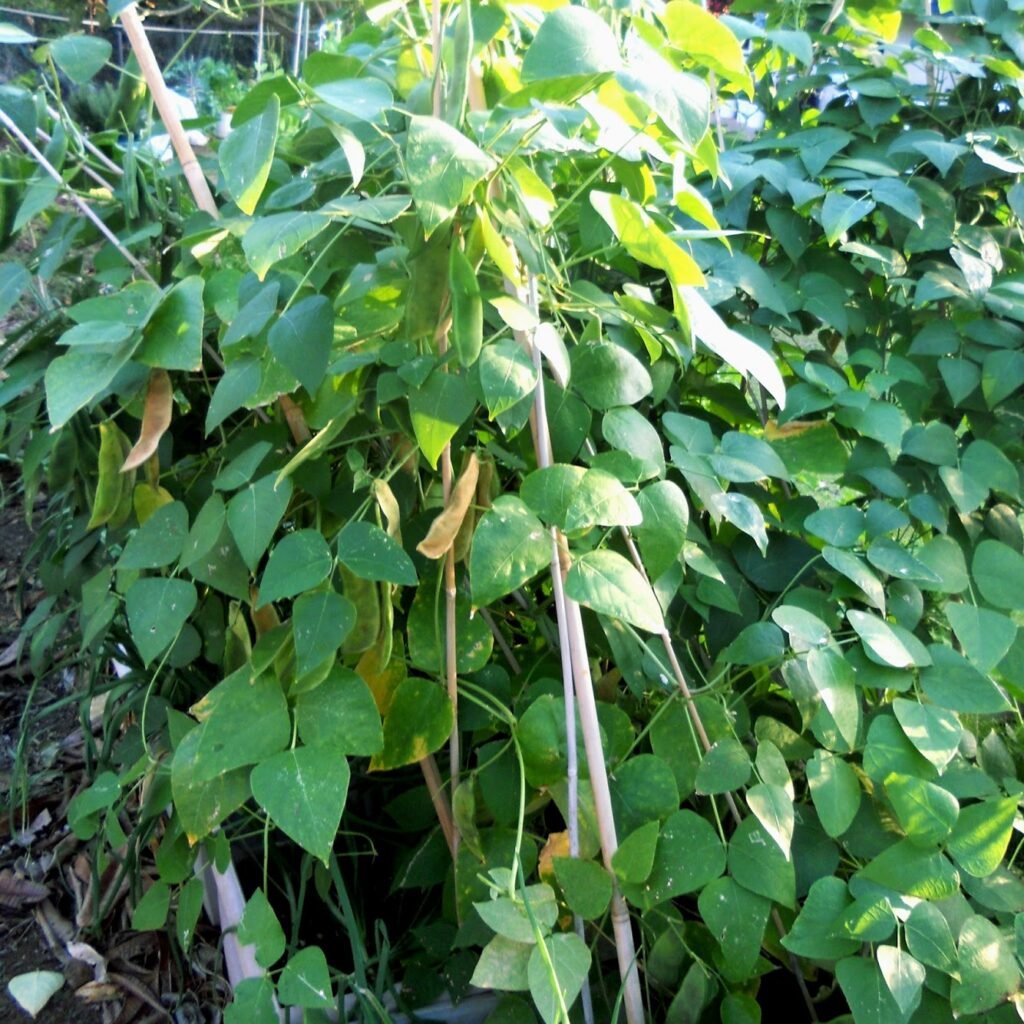
Step 7: Providing Support (For Pole Lima Beans)

If you’re growing pole varieties, they’ll need strong vertical support.

Support ideas:

  • Bamboo poles or wooden stakes tied with twine.
  • Trellis systems along walls or fences.
  • Tripod supports for compact gardens.

Train the vines to climb the support as they grow. This helps save space, improves air circulation, and makes harvesting easier.


Step 8: Watering and Maintenance

Consistent watering is key to high-quality beans. Biointensive gardens use water efficiently by focusing it directly at the root zone.

Tips for watering:

  • Water deeply, not frequently—so roots grow downward.
  • Reduce watering once pods begin to mature.
  • Use drip irrigation or a watering can with a narrow spout to minimize waste.

Weed regularly to reduce competition, and add mulch to conserve soil moisture.


Step 9: Pest and Disease Management

Lima beans are relatively hardy, but a few pests and diseases can affect them. Biointensive methods emphasize natural pest management over chemical use.

Common pests:

  • Aphids: Spray neem oil or use ladybugs as natural predators.
  • Bean beetles: Handpick or dust plants with diatomaceous earth.
  • Cutworms: Use collars around seedlings to protect stems.

Common diseases:

  • Anthracnose or root rot: Avoid overwatering and ensure good soil drainage.
  • Powdery mildew: Maintain airflow and avoid overhead watering.

Rotate crops yearly to prevent soil-borne diseases and maintain fertility.


Step 10: Flowering and Pod Formation

Once the plants begin to flower (usually 45–60 days after sowing), switch focus to supporting pod development.

Tips for healthy pod growth:

  • Maintain even moisture during flowering.
  • Avoid disturbing plants while flowers are delicate.
  • Provide potassium-rich feed to boost pod quality.

Pollination happens naturally with the help of bees and wind, so attracting pollinators with flowering companion plants is a great idea.


Step 11: Harvesting Lima Beans

Harvesting time depends on whether you’re growing for fresh beans or dry beans.

For fresh beans:

  • Pick pods when they are plump but still green and slightly tender.
  • Usually 70–90 days after planting for bush types.
  • Frequent picking encourages new pod formation.

For dry beans:

  • Allow pods to mature and dry on the plant until they turn brown.
  • Harvest before rain to prevent mold.
  • Remove seeds from pods and dry them completely before storage.

Use clean, sharp scissors or gently snap pods to avoid damaging the plant.


Step 12: Storing and Using Lima Beans

  • Fresh lima beans: Store in the refrigerator for up to a week.
  • Dry lima beans: Keep in airtight containers in a cool, dry place.
  • Frozen beans: Blanch fresh beans for 2–3 minutes, cool them, and freeze for up to 6 months.

They’re excellent in soups, stews, stir-fries, and salads—offering a creamy texture and mild flavor.


Step 13: Sustainable Practices for Continuous Growth

Biointensive gardening thrives on long-term soil care and resource recycling. After your lima bean crop:

  • Cut the plants at the base and leave roots in the soil to decompose (they’ll release nitrogen).
  • Add compost or organic mulch to restore fertility.
  • Rotate crops—grow leafy greens or root vegetables next season.

This cycle keeps your soil rich, balanced, and productive for future crops.


Final Thoughts

Growing biointensive lima beans is more than just planting and harvesting—it’s about creating a self-sustaining, productive ecosystem in your garden. With careful soil preparation, dense planting, natural fertilization, and efficient water use, you can grow abundant, healthy beans even in a small space.

Whether you’re a beginner or an experienced gardener, biointensive methods allow you to grow like a pro while nurturing the earth beneath your feet. Start today, and you’ll soon enjoy the rich, buttery taste of your own homegrown lima beans—fresh, organic, and full of life.

How to Grow Green Beans in Containers (Bush Beans from Seed to Harvest): A Complete Guide for Home Gardeners

How to Grow Green Beans in Containers (Bush Beans from Seed to Harvest): A Complete Guide for Home Gardeners

Growing your own green beans is one of the easiest and most rewarding gardening experiences you can enjoy at home. Whether you have a small balcony, a sunny patio, or a backyard, you can grow fresh, crunchy green beans right in containers. These nutrient-rich vegetables not only taste great but also enrich your soil naturally.

In this detailed, step-by-step guide, we’ll walk you through the entire process of growing bush green beans in containers—from seed to harvest—so you can enjoy a bountiful homegrown harvest no matter how much space you have.


Why Grow Green Beans in Containers?

Green beans, also known as snap beans or string beans, are among the easiest vegetables to grow in small spaces. They grow quickly, require minimal maintenance, and produce abundantly.

Here are a few reasons to grow them in containers:

  • Perfect for small spaces: Ideal for balconies, patios, or rooftops.
  • Soil control: You can provide nutrient-rich, well-draining soil to ensure healthy plants.
  • Less pest pressure: Containers reduce exposure to soil-borne diseases and pests.
  • Easy to manage: You can move containers to follow sunlight or protect them from bad weather.

Among the two main types—bush beans and pole beans—bush beans are best suited for container gardening since they grow compactly and don’t require tall supports.


Step 1: Choosing the Right Variety

For successful container gardening, you’ll need to choose compact, bush-type green beans that don’t sprawl too much.

Here are some popular container-friendly varieties:

  • Provider: Early-maturing and high-yielding.
  • Contender: Grows quickly and tolerates different climates.
  • Bush Blue Lake: Classic flavor and very reliable for container growing.
  • Tendergreen Improved: Excellent taste and heat tolerance.

These varieties are perfect for containers because they produce short, sturdy plants that don’t require much staking.


Step 2: Selecting the Container

Green beans have moderately deep roots, so your container should be large enough to accommodate them.

Container requirements:

  • Depth: At least 12 inches deep to allow root growth.
  • Width: Minimum 18 inches across for several plants.
  • Material: Plastic, terracotta, or fabric grow bags all work fine.
  • Drainage: Make sure your container has several drainage holes to prevent root rot.

If you want multiple plants, you can use rectangular planters or multiple pots grouped together for efficient watering.


Step 3: Preparing the Soil Mix

Green beans thrive in well-draining, nutrient-rich soil with a slightly acidic to neutral pH (6.0–7.0).

You can prepare the perfect potting mix by combining:

  • 40% garden soil or organic compost,
  • 30% coco peat or peat moss for moisture retention,
  • 20% perlite or coarse sand for aeration,
  • 10% well-rotted manure or organic fertilizer for nutrients.

Avoid compacted or heavy clay soil—it can suffocate the roots and reduce yield.

Before sowing, mix in some slow-release organic fertilizer or bone meal to support early growth.


Step 4: Sowing the Seeds

Green beans are best grown directly from seeds because they don’t transplant well.

Planting steps:

  1. Sow seeds about 1 inch deep into the soil.
  2. Space each seed 3–4 inches apart if planting in one large container.
  3. Lightly cover the seeds with soil and water gently.
  4. Keep the soil consistently moist but not soggy until germination.

Under warm conditions (around 20–30°C / 68–86°F), seeds will germinate within 5–7 days.


Step 5: Providing the Right Growing Conditions

Green beans love warmth and sunlight. To grow healthy, productive plants:

  • Sunlight: Place your containers where they’ll receive at least 6–8 hours of direct sunlight daily.
  • Temperature: Maintain between 18°C and 30°C for best results.
  • Watering: Water regularly to keep the soil evenly moist. Beans don’t tolerate drought or overwatering—both can affect flowering and pod formation.
  • Mulching: Add a thin layer of mulch (straw or dry leaves) to retain soil moisture and regulate temperature.

Avoid splashing water on the leaves, as this can encourage fungal diseases.


Step 6: Fertilizing and Feeding

Green beans are light feeders compared to many other vegetables because they can fix their own nitrogen through root nodules.

Here’s how to feed them properly:

  • At planting time: Add compost or a small amount of organic fertilizer (like vermicompost or cow manure).
  • After 3–4 weeks: Apply a balanced fertilizer such as 5-10-10 (low in nitrogen, high in phosphorus and potassium) to promote flowering and pod growth.
  • Organic feeding: Seaweed extract, banana peel fertilizer, or compost tea work great for container-grown beans.

Avoid excessive nitrogen, which encourages leafy growth instead of pods.


Step 7: Supporting the Plants

Although bush beans are shorter and sturdier than pole beans, they can still benefit from light support as they grow heavy with pods.

Use small bamboo stakes or a simple circular cage around the container to keep the plants upright. This also improves air circulation and reduces disease risk.


Step 8: Pollination and Flowering

Green beans are self-pollinating plants, which means they don’t need insects or manual help to produce pods.

When flowering begins (usually 30–40 days after planting):

  • Keep watering regularly but gently.
  • Avoid disturbing the plants too much, as this can cause flowers to drop.
  • Ensure your plants get enough sunlight to encourage healthy pod formation.

Within a few days of flowering, you’ll start noticing tiny pods developing along the stems.


Step 9: Pest and Disease Management

Container-grown green beans are relatively pest-resistant, but some common issues can arise.

Common pests:

  • Aphids: Suck sap from leaves; spray neem oil or insecticidal soap weekly.
  • Spider mites: Cause yellow speckles; control with neem oil or by misting leaves.
  • Cutworms or beetles: Hand-pick or sprinkle diatomaceous earth around the base.

Common diseases:

  • Powdery mildew: Avoid overhead watering and improve air circulation.
  • Root rot: Ensure proper drainage and don’t let soil stay soggy.

Regularly inspect plants and remove any damaged leaves to prevent spread.


Step 10: Harvesting Green Beans

Green beans grow fast—most bush varieties are ready to harvest within 50–60 days after planting.

Here’s how to know when they’re ready:

  • The pods are firm, crisp, and about 4–6 inches long.
  • Harvest before the seeds inside become too large.
  • Gently snap the pods off the stem or use scissors to avoid damaging the plant.

Harvest regularly every 2–3 days to encourage more production. The more you pick, the more beans your plant will produce!


Step 11: Post-Harvest Care and Second Crop

After the first harvest, your bush bean plants may continue producing for another few weeks. Once production slows, you can replant fresh seeds in the same container after rejuvenating the soil.

To refresh your container soil:

  • Remove old roots and debris.
  • Mix in fresh compost and organic fertilizer.
  • Let the soil rest for a few days before sowing new seeds.

This ensures continuous bean production throughout the growing season.


Step 12: Companion Planting Tips

Green beans grow well alongside certain plants that benefit their growth and repel pests.

Good companions:

  • Carrots – loosen the soil for bean roots.
  • Marigolds – deter aphids and beetles.
  • Cucumbers – share similar growing conditions.

Avoid planting with:

  • Onions, garlic, or leeks—they can inhibit bean growth.

Step 13: Troubleshooting Common Problems

Here are some quick fixes for common container bean issues:

ProblemPossible CauseSolution
Yellow leavesOverwatering or nutrient deficiencyCheck drainage and add compost
No pods formingExcess nitrogen or poor sunlightUse low-nitrogen fertilizer and ensure full sun
Flowers falling offHeat stress or irregular wateringMaintain consistent moisture and provide light shade in extreme heat
Slow growthPoor soil aerationAdd perlite or loosen soil regularly

Step 14: Health Benefits of Green Beans

Homegrown green beans aren’t just delicious—they’re also packed with nutrients!

They’re rich in:

  • Vitamin C for immunity
  • Fiber for healthy digestion
  • Vitamin K for bone strength
  • Antioxidants that help protect against free radicals

Plus, since you’re growing them organically, you’ll enjoy pesticide-free, fresh vegetables full of natural flavor and nutrition.


Final Thoughts

Growing green beans in containers is one of the most beginner-friendly and space-saving ways to start your home garden. With just a bit of sunlight, proper watering, and care, you can harvest basketfuls of fresh, crisp beans in a matter of weeks.

From seed to harvest, the process is simple yet deeply satisfying. Whether you’re a first-time gardener or a seasoned grower experimenting with container setups, green beans are the perfect choice for a rewarding and productive crop.

So grab a few seeds, fill up your pots, and start your container green bean garden today—you’ll be amazed at how easy and fulfilling it is to enjoy your own fresh, homegrown harvest right at your doorstep!

How to Grow Sweet Corn in Containers from Seed to Harvest: A Complete Step-by-Step Guide

How to Grow Sweet Corn in Containers from Seed to Harvest: A Complete Step-by-Step Guide

Growing sweet corn is one of the most rewarding experiences for any home gardener. The joy of harvesting plump, golden cobs straight from your own patio or balcony is unmatched. Many people think corn can only be grown in large fields, but with the right techniques, you can successfully grow sweet corn in containers right at home. In this detailed guide, we’ll walk through every stage—from seed to harvest—so you can enjoy fresh, homegrown sweet corn even in small spaces.


Why Grow Sweet Corn in Containers?

Sweet corn is a summer favorite, known for its juicy kernels and rich flavor. Traditionally, corn requires a lot of space because it grows tall and has an extensive root system. However, with the right container size and proper care, container-grown corn can thrive beautifully.

Here are a few reasons to grow corn in containers:

  • Limited space: Ideal for those living in apartments or houses with small patios or balconies.
  • Control over soil: You can provide nutrient-rich, well-draining soil.
  • Fewer pests: Growing in containers reduces exposure to soil-borne diseases and pests.
  • Easy mobility: You can move containers to ensure your corn gets full sunlight.

Step 1: Choosing the Right Variety

Not all corn varieties are suited for containers. The best choices are dwarf or compact hybrid sweet corn types that don’t grow too tall. Look for varieties like:

  • Trinity
  • Golden Bantam
  • Sugar Pearl
  • Sweet Painted Mountain

These varieties mature faster and produce smaller but sweeter ears—perfect for limited space gardening.


Step 2: Selecting the Container

Corn has deep roots and needs space to grow properly. A large container is essential for success. Here’s what to keep in mind:

  • Container size: At least 12-15 inches deep and 16-18 inches wide. A 20-gallon container or a half-barrel works perfectly.
  • Drainage: Ensure the pot has several holes at the bottom to prevent waterlogging.
  • Material: Plastic, terracotta, or wooden barrels are all fine, but lightweight containers are easier to move.

You can even plant several corn stalks together in a rectangular container for better pollination.


Step 3: Preparing the Soil Mix

Corn needs rich, loamy, and well-draining soil for healthy growth. You can prepare a perfect container mix by blending:

  • 50% garden soil or compost,
  • 30% coco peat or peat moss, and
  • 20% perlite or coarse sand for aeration.

Before planting, mix in some organic compost or well-rotted manure. You can also add a slow-release organic fertilizer (such as a balanced 10-10-10 mix) to support long-term nutrition.


Step 4: Planting Corn Seeds

Corn is best grown directly from seeds rather than transplants because it doesn’t like having its roots disturbed.

Here’s how to plant:

  1. Sow seeds 1 to 1.5 inches deep in the soil.
  2. Space them 6-8 inches apart if growing multiple stalks in one large container.
  3. Plant at least 3-4 seeds per container for good pollination.
  4. Water the soil thoroughly after sowing.

Keep the soil consistently moist but not soggy. Germination usually takes 7-10 days, depending on the temperature.


Step 5: Providing the Right Growing Conditions

Corn loves sunlight, warmth, and moisture. To ensure healthy growth:

  • Sunlight: Place the container in a spot that gets at least 6-8 hours of direct sunlight daily.
  • Temperature: Ideal range is 18°C–30°C (65°F–86°F).
  • Watering: Corn requires consistent watering, especially during the growing phase. Keep the soil evenly moist, not dry or waterlogged.
  • Mulching: Add a thin layer of organic mulch (like straw or dried leaves) to retain moisture and prevent weeds.

Step 6: Fertilizing and Feeding

Corn is a heavy feeder, meaning it requires nutrients throughout its growth cycle. To maintain steady growth and yield:

  • Early growth (2-3 weeks after germination): Apply a nitrogen-rich fertilizer like fish emulsion or compost tea to promote leaf and stalk development.
  • Tasseling stage: Switch to a fertilizer high in phosphorus and potassium to encourage flowering and cob formation.
  • Organic options: Use bone meal, banana peel fertilizer, or seaweed extract for natural nourishment.

Feed your corn every 2-3 weeks during the growing season.


Step 7: Pollination in Containers

Unlike most vegetables, corn relies on wind pollination. In open fields, wind naturally transfers pollen from tassels to silks, but in containers, you need to assist this process manually.

How to hand-pollinate:

  1. Once the tassels (male flowers) appear at the top of the stalk, gently shake them to release pollen.
  2. Collect the pollen in a small container or directly dust it onto the silks (female flowers) emerging from the ears.
  3. Repeat this process daily for about a week to ensure good pollination.

Good pollination is key to full, plump kernels. Without it, you may end up with incomplete cobs.


Step 8: Supporting the Plants

As your corn plants grow taller, they may become top-heavy, especially in windy conditions. Support them by:

  • Tying the stalks loosely to bamboo stakes.
  • Placing the container near a wall or railing for natural support.

You can also plant low-growing companion plants like beans or squash around the base to stabilize the soil and add extra nutrients.


Step 9: Pest and Disease Control

Corn in containers faces fewer pest issues than ground-grown crops, but some problems can still arise. Common pests include:

  • Aphids – Spray with neem oil or insecticidal soap.
  • Corn earworms – Cover young ears with fine mesh or fabric to protect them.
  • Cutworms – Use diatomaceous earth around the base of the plants.

For diseases like leaf blight or fungal infections, ensure proper air circulation and avoid overhead watering.


Step 10: Harvesting Sweet Corn

The most exciting part of growing corn is the harvest! Sweet corn is usually ready 70–100 days after sowing, depending on the variety.

Signs your corn is ready to harvest:

  • The silks turn brown and dry, but the husks remain green.
  • When you press a kernel with your fingernail, a milky liquid oozes out (this is called the “milk stage”).
  • The ears feel firm and plump when squeezed.

To harvest, hold the stalk firmly and twist the ear downward to snap it off cleanly.


Step 11: Post-Harvest Tips

After harvesting, your corn is at its sweetest right away. The natural sugars start turning into starch soon after picking, so it’s best to cook or refrigerate immediately.

You can boil, grill, or roast your freshly picked corn for a delicious and healthy snack. The homegrown flavor is far superior to store-bought corn!


Extra Tips for Success

  • Plant multiple containers: Growing several containers close together improves pollination and yield.
  • Rotate crops: Avoid planting corn in the same soil mix repeatedly. Use fresh compost next season.
  • Water deeply: Shallow watering encourages weak roots. Always water until moisture reaches the bottom of the pot.
  • Harvest promptly: Overripe corn becomes tough and loses sweetness.

Final Thoughts

Growing sweet corn in containers may sound challenging, but with patience and care, it’s entirely possible to enjoy homegrown corn even without a big garden. From selecting the right variety and preparing nutrient-rich soil to hand-pollinating and harvesting sweet golden ears, every step of the process is deeply rewarding.

Whether you’re gardening on a sunny balcony, rooftop, or small backyard, container-grown sweet corn brings a touch of the countryside to your home. So grab some seeds, prepare your pots, and start your journey from seed to harvest—you’ll be amazed at the taste of your own freshly picked sweet corn!

How to Grow Yellow Habanero Peppers from Seed – A Complete Step-by-Step Guide for Spicy Success

How to Grow Yellow Habanero Peppers from Seed – A Complete Step-by-Step Guide for Spicy Success

If you’re a fan of fiery flavors and want to spice up your home garden, Yellow Habanero peppers are an exciting choice to grow. Known for their vibrant golden color, fruity aroma, and intense heat, these peppers are not only stunning in the garden but also perfect for making hot sauces, salsas, and spicy dishes.

In this complete guide, we’ll walk you through every step of growing Yellow Habanero peppers from seed — from germination to harvest — so you can enjoy a bountiful crop of these golden gems right at home.


Introduction to Yellow Habanero Peppers

Yellow Habanero (Capsicum chinense) is a small, lantern-shaped pepper famous for its bright yellow color and extreme spiciness, measuring around 100,000–350,000 Scoville Heat Units (SHU). Despite their heat, they have a fruity, citrus-like flavor that makes them perfect for sauces and marinades.

Native to the Caribbean and Central America, Habaneros love warm weather, plenty of sunlight, and consistent moisture — making them a perfect plant for tropical or subtropical regions. Even if you live in cooler areas, you can grow them successfully in pots or greenhouses with the right care.


Step 1: Choosing and Preparing Your Seeds

The first step is to start with high-quality Yellow Habanero seeds. Choose seeds from a reliable source to ensure strong germination and true-to-type plants. If you’re saving seeds from a previous harvest, make sure they are completely dry before planting.

Habanero seeds have a tough outer shell, so a little preparation can help speed up germination. Here’s how:

  1. Soak the seeds in warm water for 12–24 hours before sowing.
  2. Optionally, you can use a weak chamomile tea solution to help prevent fungal growth.
  3. Prepare small seed trays or pots filled with a well-draining seed-starting mix — a blend of coco peat, vermiculite, and perlite works great.

Step 2: Sowing the Seeds

Plant the soaked seeds about ¼ inch (6 mm) deep in the moist soil mix. Gently cover them and mist the surface to keep it damp.

Tip: Yellow Habanero seeds need warm temperatures (around 80–90°F or 27–32°C) to germinate. If your indoor environment is cool, use a seedling heat mat to maintain consistent warmth.

Place the trays in a warm, bright spot but out of direct sunlight until germination occurs.


Step 3: Germination and Early Seedling Care

Germination can take 10–21 days, sometimes longer, depending on temperature and humidity. Be patient — Habanero seeds are slow but worth the wait!

Once the seedlings sprout, move them to a location where they can receive 12–16 hours of bright light daily. You can use a grow light if natural sunlight is limited.

Keep the soil consistently moist but not soggy. Overwatering at this stage can cause damping-off, a fungal disease that kills young seedlings.

When the seedlings have two to three sets of true leaves, they are ready for transplanting into larger pots.


Step 4: Transplanting Seedlings

When your seedlings are around 4–6 inches tall, it’s time to transplant them into individual pots or your garden bed.

If planting outdoors, wait until all danger of frost has passed and the soil has warmed up. Habaneros thrive in warm conditions — ideally, daytime temperatures between 70–90°F (21–32°C).

For Containers:

  • Use pots at least 12 inches (30 cm) wide with good drainage.
  • Fill them with a nutrient-rich potting mix containing compost or well-rotted manure.

For Garden Beds:

  • Choose a sunny location that receives 6–8 hours of sunlight daily.
  • Enrich the soil with organic compost and ensure it drains well.

Carefully transplant your seedlings, burying them up to the first set of leaves to encourage strong root development. Water thoroughly after planting.


Step 5: Providing the Right Growing Conditions

Yellow Habanero plants love heat and sunlight. Here’s how to give them the best growing environment:

Temperature

Maintain warm temperatures throughout the growing season. These peppers struggle in cool or overly humid conditions.

Sunlight

Provide full sun exposure for 6–8 hours daily. If growing indoors, place the plants near a south-facing window or use LED grow lights.

Watering

Water regularly but avoid waterlogging. The soil should stay evenly moist. During flowering and fruiting, reduce watering slightly to encourage more fruit production.

Mulching

Apply a layer of organic mulch like straw or dry leaves around the base to retain moisture and suppress weeds.


Step 6: Fertilizing for Healthy Growth

Feed your Habanero plants regularly for lush growth and abundant fruiting.

Fertilizing Schedule

  1. During vegetative growth – Use a balanced fertilizer (10-10-10 NPK) every two weeks.
  2. Before flowering – Switch to a fertilizer higher in phosphorus and potassium (like 5-10-10) to promote flowering and fruiting.

Alternatively, organic gardeners can use compost tea, fish emulsion, or seaweed extract to boost plant health naturally.


Step 7: Pollination and Flower Care

Habanero flowers are self-pollinating, but pollinators like bees can increase fruit set. If growing indoors, gently shake the plants or use a soft brush to transfer pollen between flowers.

Keep the plants healthy and pest-free during this stage, as stress can cause flowers to drop.


Step 8: Managing Pests and Diseases

Yellow Habanero plants are hardy but can occasionally be attacked by common garden pests such as:

  • Aphids
  • Whiteflies
  • Spider mites
  • Pepper weevils

You can manage these pests using neem oil spray, insecticidal soap, or homemade garlic-chili spray.

Also, watch out for fungal diseases like powdery mildew or root rot. Ensure good air circulation and avoid overwatering to prevent these problems.


Step 9: Pruning and Plant Support

Pruning helps keep your Habanero plant compact and encourages better airflow.

  • Pinch off early flower buds to allow the plant to grow stronger before fruiting.
  • Remove any yellowing or damaged leaves.
  • If the plant becomes heavy with fruit, provide a stake or cage for support.

Step 10: Harvesting Yellow Habaneros

After about 90–120 days from transplanting, your peppers will mature and turn a brilliant golden yellow.

You can harvest them when they reach full color and firmness. Use a pair of scissors or pruning shears to cut the peppers off the plant, leaving a small piece of stem attached.

Tip:

Wear gloves when harvesting Habaneros — their oils can irritate the skin and eyes!

The peppers will continue to ripen if kept at room temperature for a few days after picking.


Step 11: Storing and Using Your Harvest

Yellow Habanero peppers can be stored and used in many delicious ways:

  • Fresh use: Add to salsas, sauces, or marinades for a fiery kick.
  • Drying: Slice and dry them for homemade chili flakes or powder.
  • Freezing: Whole or sliced peppers can be frozen for long-term use.
  • Fermenting: Make your own spicy Habanero hot sauce.

Their fruity flavor pairs wonderfully with tropical fruits like mango or pineapple, balancing the heat beautifully.


Bonus Tips for a Great Habanero Harvest

  • Rotate crops yearly to prevent soil-borne diseases.
  • Avoid over-fertilizing with nitrogen; it can lead to lush foliage but fewer fruits.
  • Trim regularly to promote branching and more flower production.
  • Be patient! Habaneros take longer to mature than other peppers but reward you with unmatched flavor and heat.

Final Thoughts

Growing Yellow Habanero peppers from seed is a rewarding journey that transforms your garden into a colorful, spicy paradise. With warmth, light, and care, these golden peppers will thrive and bless you with a fiery harvest perfect for your favorite dishes.

Whether you’re an experienced gardener or a beginner looking to try something bold, the Yellow Habanero is a fantastic choice that delivers both beauty and flavor. So, get those seeds started today — your future hot sauce will thank you!