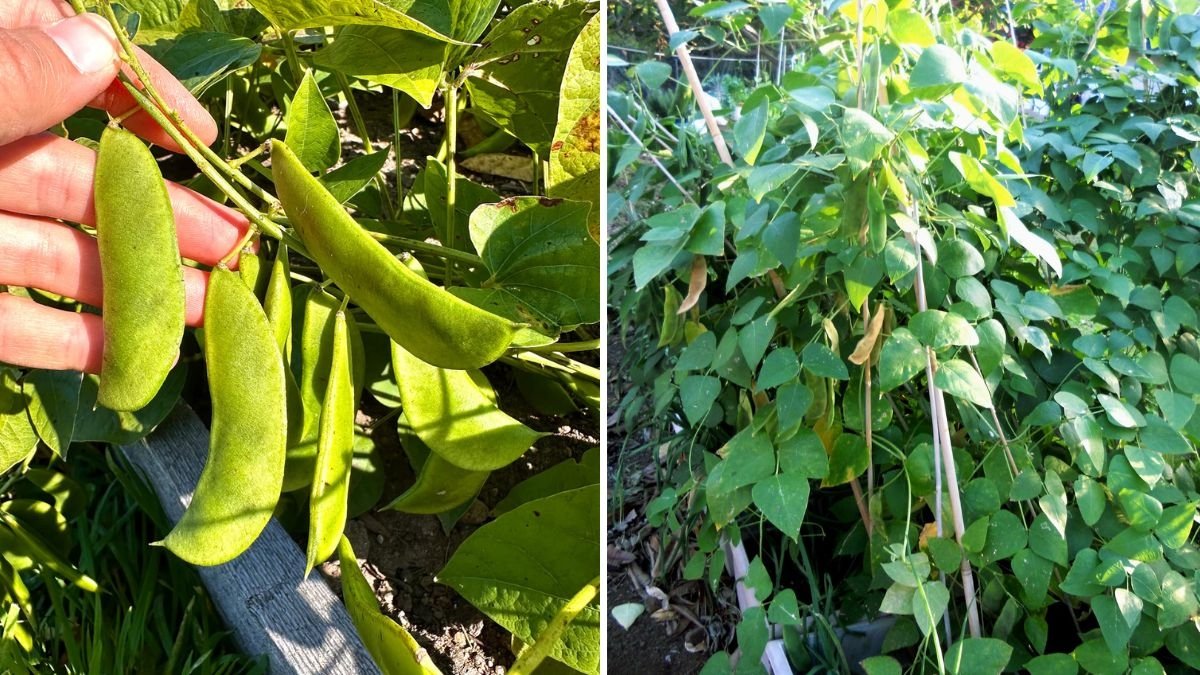
Growing lima beans can be an incredibly rewarding experience—especially when you use biointensive gardening techniques. This method focuses on maximizing yield in small spaces while maintaining soil health and sustainability. Whether you’re an urban gardener with limited space or a backyard grower aiming for high productivity, growing biointensive lima beans will help you harvest nutrient-rich beans efficiently and sustainably.
In this detailed guide, we’ll walk you through everything you need to know about growing lima beans like a pro—from seed to harvest—using the biointensive method.
What Are Lima Beans and Why Grow Them Biointensively?
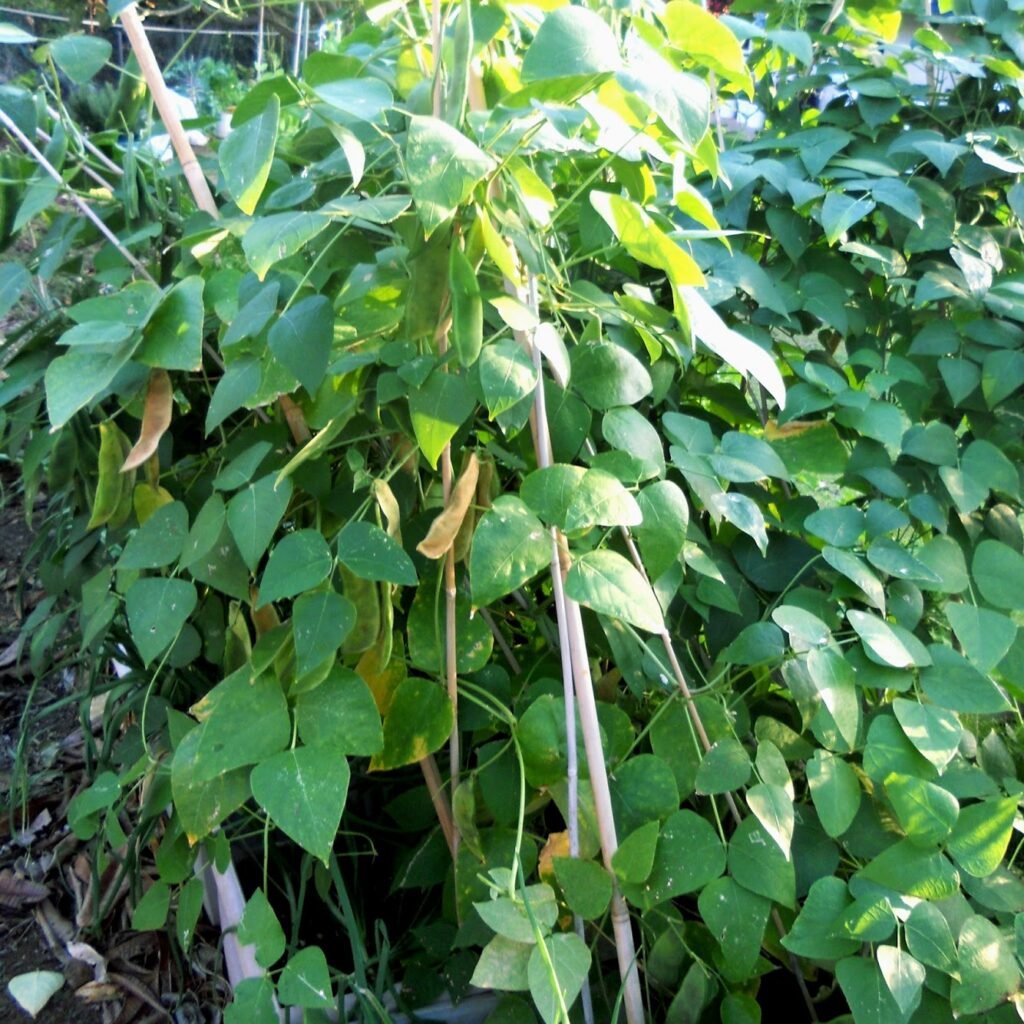
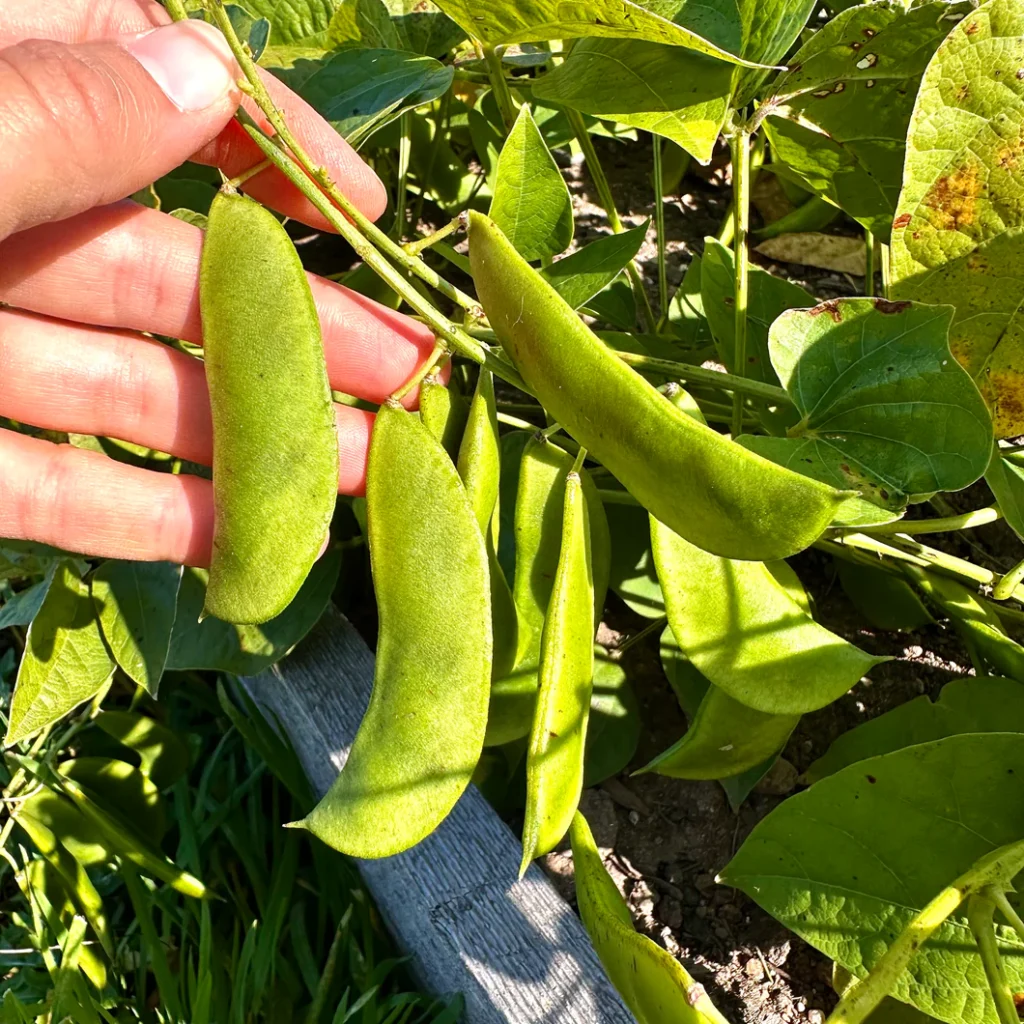
Lima beans (also known as butter beans) are warm-season legumes that produce large, creamy seeds packed with protein, fiber, and essential minerals. They thrive in warm climates and enrich the soil naturally by fixing nitrogen.
Growing them biointensively means cultivating them in a way that focuses on:
- High yields in small spaces
- Deep soil preparation for strong root systems
- Balanced composting and nutrient cycling
- Companion planting for pest control and biodiversity
This approach not only ensures excellent bean production but also improves your soil health year after year.
Step 1: Choosing the Right Lima Bean Variety
Lima beans come in two main growth types—bush and pole—and your choice depends on your available space and desired yield.
1. Bush Lima Beans:
- Compact and perfect for containers or small plots.
- Mature faster, typically in 60–75 days.
- Great varieties: Fordhook 242, Henderson’s Bush, Burpee’s Improved Bush.
2. Pole Lima Beans:
- Climbing type that produces for a longer season.
- Takes 85–95 days to mature but yields more.
- Great varieties: King of the Garden, Big Six, Willow Leaf.
For biointensive gardening, you can grow either type, depending on your setup. Pole beans are excellent for vertical systems, while bush varieties suit dense, closely spaced beds.
Step 2: Preparing the Soil (The Biointensive Way)
Healthy soil is the heart of biointensive gardening. Lima beans thrive in loamy, well-draining, nutrient-rich soil with a pH between 6.0 and 7.5.
Biointensive soil preparation involves:
- Double-digging: Loosen the soil up to 24 inches deep to allow roots to grow freely.
- Adding compost: Mix in 2–3 inches of mature compost throughout the soil to enhance fertility and microbial activity.
- Balancing nutrients: Incorporate organic amendments like bone meal (for phosphorus) and wood ash (for potassium).
This deep, well-aerated bed promotes strong root systems, better nutrient absorption, and healthier plants that resist stress and disease.
Step 3: Sowing the Seeds
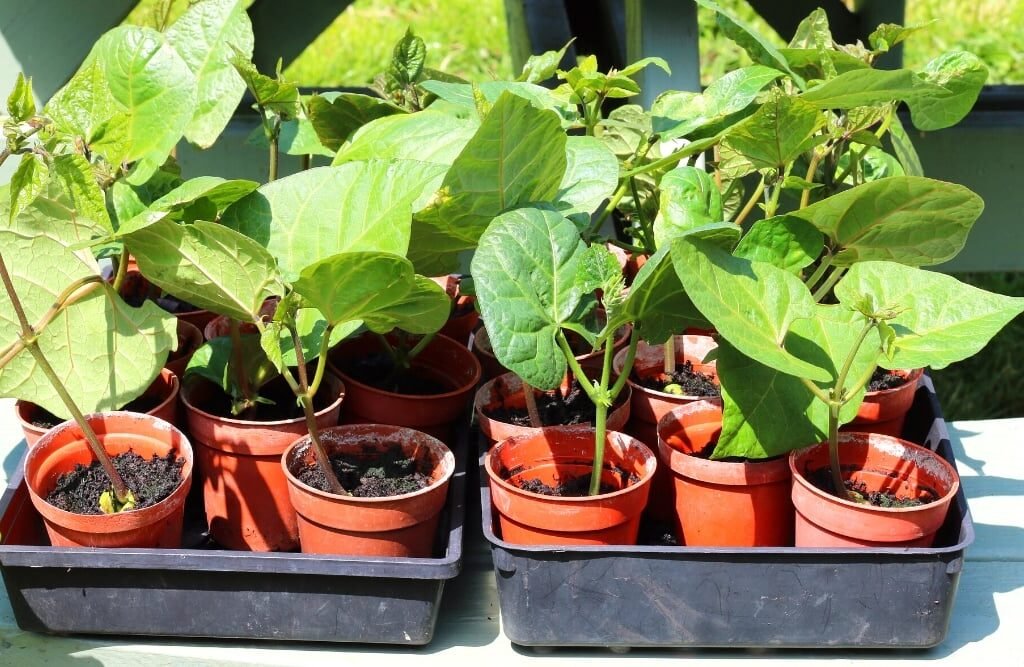
Lima beans prefer warm soil—plant them only after the last frost when the soil temperature is above 18°C (65°F).
How to sow:
- Spacing: Plant seeds 4–6 inches apart in rows or hexagonal patterns for dense, biointensive planting.
- Depth: Sow seeds 1 to 1.5 inches deep in moist soil.
- Row spacing: Keep 12–18 inches between rows for airflow and maintenance.
- Watering: Water gently but thoroughly after planting.
Avoid overwatering during germination. Seeds usually sprout within 7–10 days under warm conditions.
Step 4: Providing the Ideal Growing Conditions
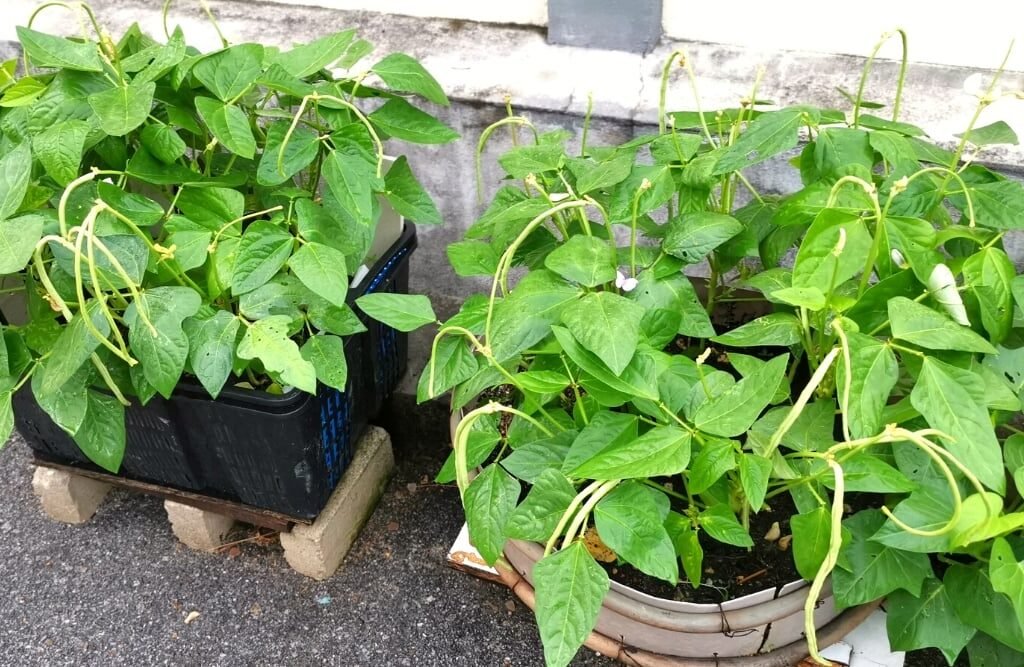
Lima beans are warm-weather crops and need consistent heat, light, and moisture for best growth.
Key growing requirements:
- Sunlight: At least 6–8 hours of full sun daily.
- Temperature: Ideal range is 21°C to 30°C (70°F–86°F).
- Watering: Keep soil evenly moist, especially during flowering and pod development. Deep watering 1–2 times a week works best.
- Mulching: Apply organic mulch (like straw or compost) to retain moisture, suppress weeds, and regulate soil temperature.
Avoid overhead watering to prevent fungal issues—water near the base instead.

Step 5: Biointensive Plant Spacing and Companion Planting
Biointensive gardening emphasizes tight spacing to maximize yield and create a living mulch that shades the soil.
For lima beans, dense planting encourages efficient nutrient use while preventing weeds. However, ensure enough airflow between plants to reduce humidity-related diseases.
Great companion plants include:
- Corn: Acts as a natural trellis for climbing lima beans.
- Carrots: Improve soil structure and aeration.
- Marigolds: Repel aphids and nematodes.
- Spinach or lettuce: Grow between rows as a quick crop before the beans mature.
Avoid planting lima beans near onions or garlic, which can stunt growth.
Step 6: Fertilizing and Feeding Naturally
Since lima beans fix their own nitrogen through root nodules, they don’t need heavy nitrogen fertilization. However, they still benefit from a well-balanced organic feeding schedule.
At planting: Mix compost or a low-nitrogen organic fertilizer into the soil.
During growth:
- After flowering begins, apply a compost tea or seaweed extract to boost potassium and phosphorus for pod development.
- Use wood ash or banana peel fertilizer as a natural potassium source.
Avoid over-fertilizing, especially with nitrogen—it will promote leafy growth at the expense of pods.
Step 7: Providing Support (For Pole Lima Beans)
If you’re growing pole varieties, they’ll need strong vertical support.

Support ideas:
- Bamboo poles or wooden stakes tied with twine.
- Trellis systems along walls or fences.
- Tripod supports for compact gardens.
Train the vines to climb the support as they grow. This helps save space, improves air circulation, and makes harvesting easier.
Step 8: Watering and Maintenance
Consistent watering is key to high-quality beans. Biointensive gardens use water efficiently by focusing it directly at the root zone.
Tips for watering:
- Water deeply, not frequently—so roots grow downward.
- Reduce watering once pods begin to mature.
- Use drip irrigation or a watering can with a narrow spout to minimize waste.
Weed regularly to reduce competition, and add mulch to conserve soil moisture.
Step 9: Pest and Disease Management
Lima beans are relatively hardy, but a few pests and diseases can affect them. Biointensive methods emphasize natural pest management over chemical use.
Common pests:
- Aphids: Spray neem oil or use ladybugs as natural predators.
- Bean beetles: Handpick or dust plants with diatomaceous earth.
- Cutworms: Use collars around seedlings to protect stems.
Common diseases:
- Anthracnose or root rot: Avoid overwatering and ensure good soil drainage.
- Powdery mildew: Maintain airflow and avoid overhead watering.
Rotate crops yearly to prevent soil-borne diseases and maintain fertility.

Step 10: Flowering and Pod Formation
Once the plants begin to flower (usually 45–60 days after sowing), switch focus to supporting pod development.
Tips for healthy pod growth:
- Maintain even moisture during flowering.
- Avoid disturbing plants while flowers are delicate.
- Provide potassium-rich feed to boost pod quality.
Pollination happens naturally with the help of bees and wind, so attracting pollinators with flowering companion plants is a great idea.
Step 11: Harvesting Lima Beans
Harvesting time depends on whether you’re growing for fresh beans or dry beans.
For fresh beans:
- Pick pods when they are plump but still green and slightly tender.
- Usually 70–90 days after planting for bush types.
- Frequent picking encourages new pod formation.
For dry beans:
- Allow pods to mature and dry on the plant until they turn brown.
- Harvest before rain to prevent mold.
- Remove seeds from pods and dry them completely before storage.
Use clean, sharp scissors or gently snap pods to avoid damaging the plant.
Step 12: Storing and Using Lima Beans
- Fresh lima beans: Store in the refrigerator for up to a week.
- Dry lima beans: Keep in airtight containers in a cool, dry place.
- Frozen beans: Blanch fresh beans for 2–3 minutes, cool them, and freeze for up to 6 months.
They’re excellent in soups, stews, stir-fries, and salads—offering a creamy texture and mild flavor.
Step 13: Sustainable Practices for Continuous Growth
Biointensive gardening thrives on long-term soil care and resource recycling. After your lima bean crop:

- Cut the plants at the base and leave roots in the soil to decompose (they’ll release nitrogen).
- Add compost or organic mulch to restore fertility.
- Rotate crops—grow leafy greens or root vegetables next season.
This cycle keeps your soil rich, balanced, and productive for future crops.
Final Thoughts
Growing biointensive lima beans is more than just planting and harvesting—it’s about creating a self-sustaining, productive ecosystem in your garden. With careful soil preparation, dense planting, natural fertilization, and efficient water use, you can grow abundant, healthy beans even in a small space.
Whether you’re a beginner or an experienced gardener, biointensive methods allow you to grow like a pro while nurturing the earth beneath your feet. Start today, and you’ll soon enjoy the rich, buttery taste of your own homegrown lima beans—fresh, organic, and full of life.

Leave A Comment