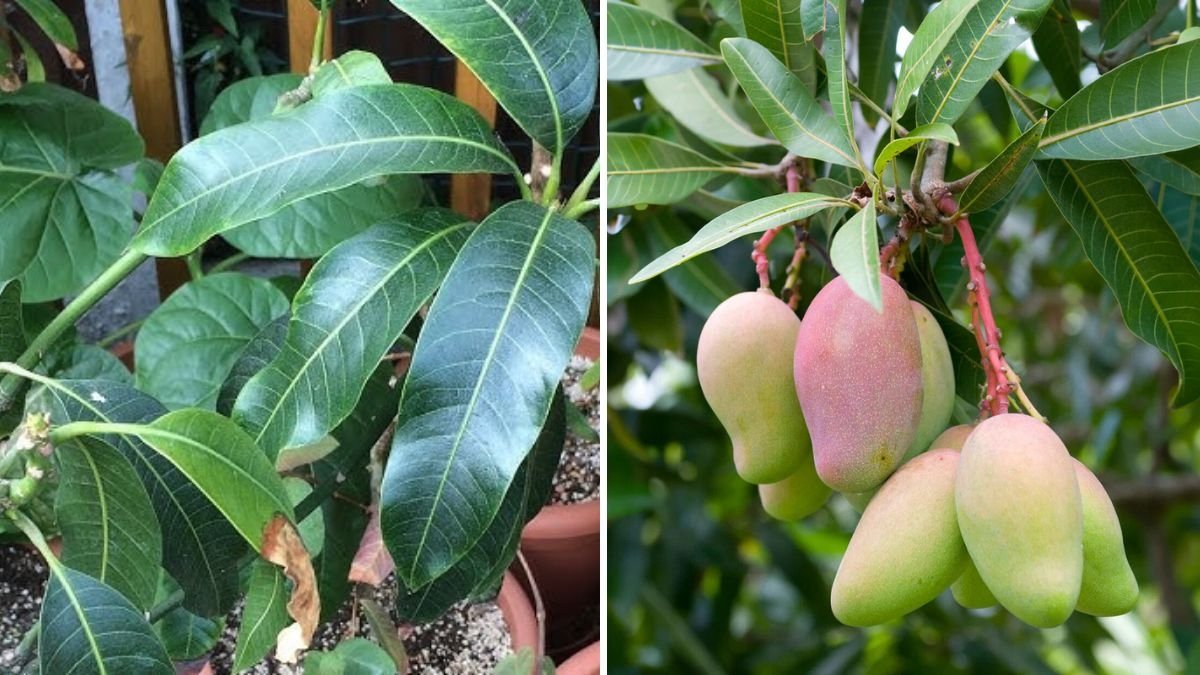
Growing tropical fruit trees in a temperate climate like the UK might sound ambitious, but for passionate gardeners, it’s a rewarding challenge that combines patience, curiosity, and skill. Among tropical fruits, mangoes (Mangifera indica) hold a special place — their lush green canopies, fragrant flowers, and golden fruit symbolize the essence of the tropics.
In this post, inspired by the video “Mango ‘Keitt’ Growing UK Late Spring Update – Poor Graft Quality in My Opinion,” we’ll explore what it’s like to grow the Keitt mango variety in the UK, the difficulties of graft quality, and how to nurture this late-season mango to thrive in cooler climates. Whether you’re an experimental gardener, greenhouse grower, or container fruit enthusiast, this detailed guide will walk you through key lessons and techniques for success.
1. Meet the Keitt Mango: A Late-Season Delight
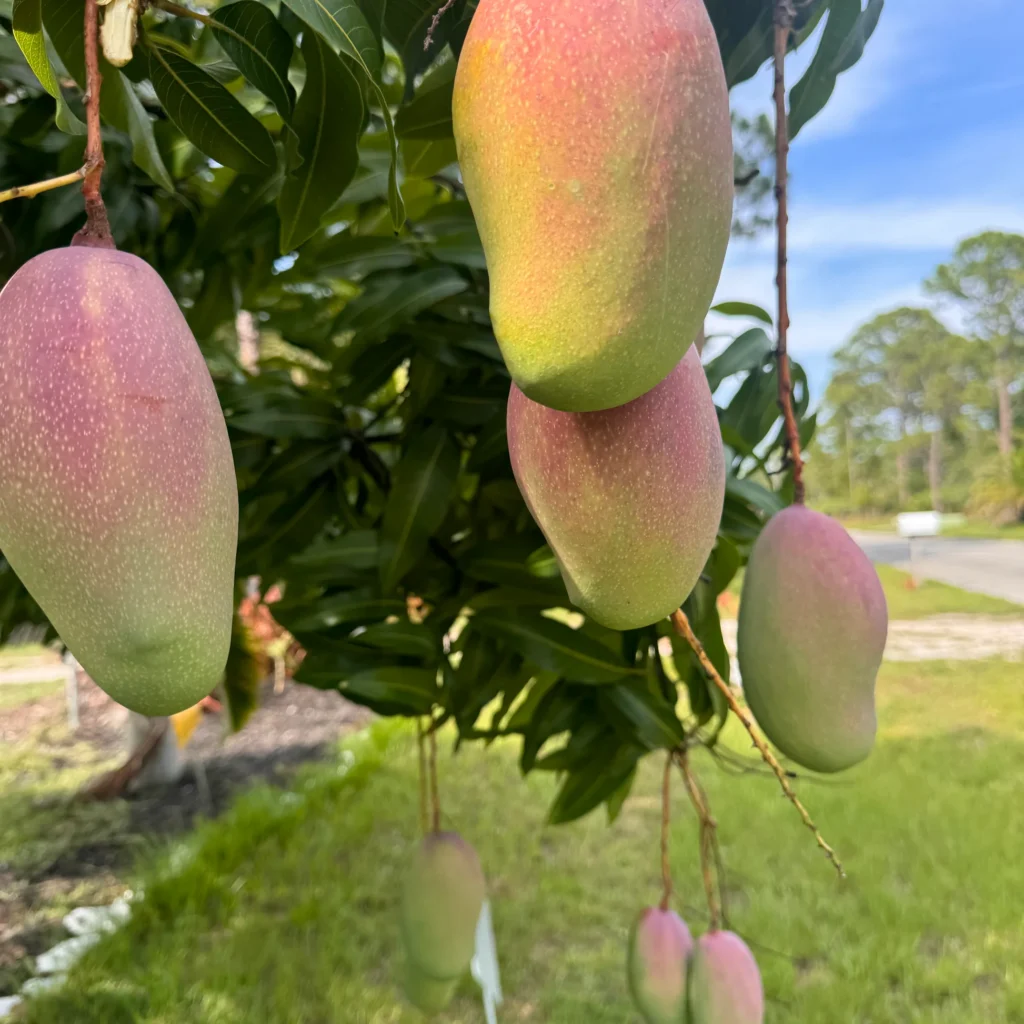
The Keitt mango is one of the most beloved varieties for both home gardeners and commercial growers. Originally developed in Florida, this cultivar is prized for its large fruit, minimal fiber, sweet flavor, and juicy texture.
Unlike early varieties such as Tommy Atkins or Haden, the Keitt mango is a late-season producer, typically ripening between August and October. This means its flowers and fruit appear later in the year, which can be both a blessing and a challenge in climates like the UK, where the growing season is shorter and cooler.
Keitt mangoes are easily recognizable by their green skin with a faint pink blush when ripe. The flesh is vibrant orange, rich in sweetness, and smooth — making it perfect for fresh eating, smoothies, or desserts.
2. Can You Really Grow Mangoes in the UK?
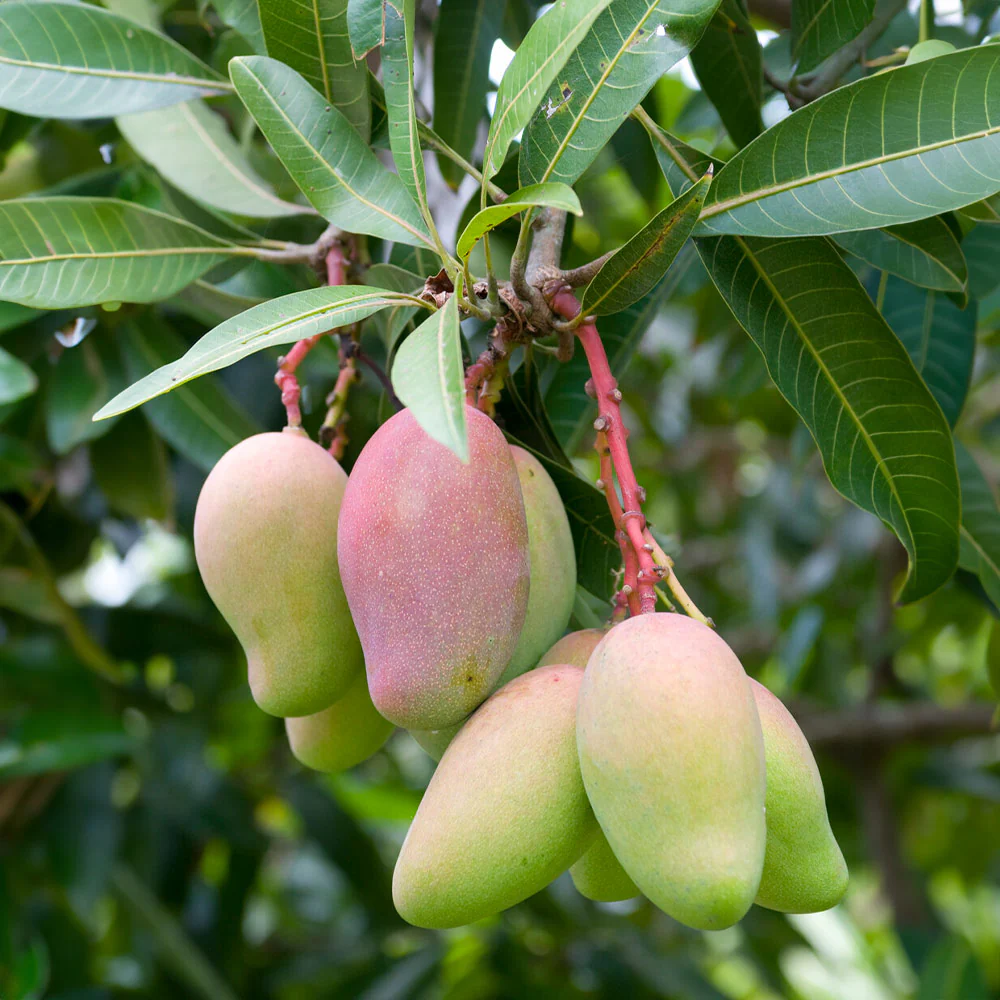
The short answer: Yes, you can — with the right methods and conditions.
Mangoes are tropical trees that naturally thrive in warm, humid climates with year-round sunshine. The UK, with its mild summers and cool winters, presents several challenges — low temperatures, limited sunlight, and high humidity. However, thanks to greenhouse cultivation, indoor growing, and container gardening techniques, mango enthusiasts have successfully grown mango trees across southern England and Wales.

The key to success lies in:
- Microclimate management: Using greenhouses, polytunnels, or conservatories.
- Soil and potting control: Ensuring perfect drainage and warmth for roots.
- Variety selection: Choosing late, resilient types like Keitt that adapt well to protected environments.
3. The Spring Growth Stage: Signs of Life
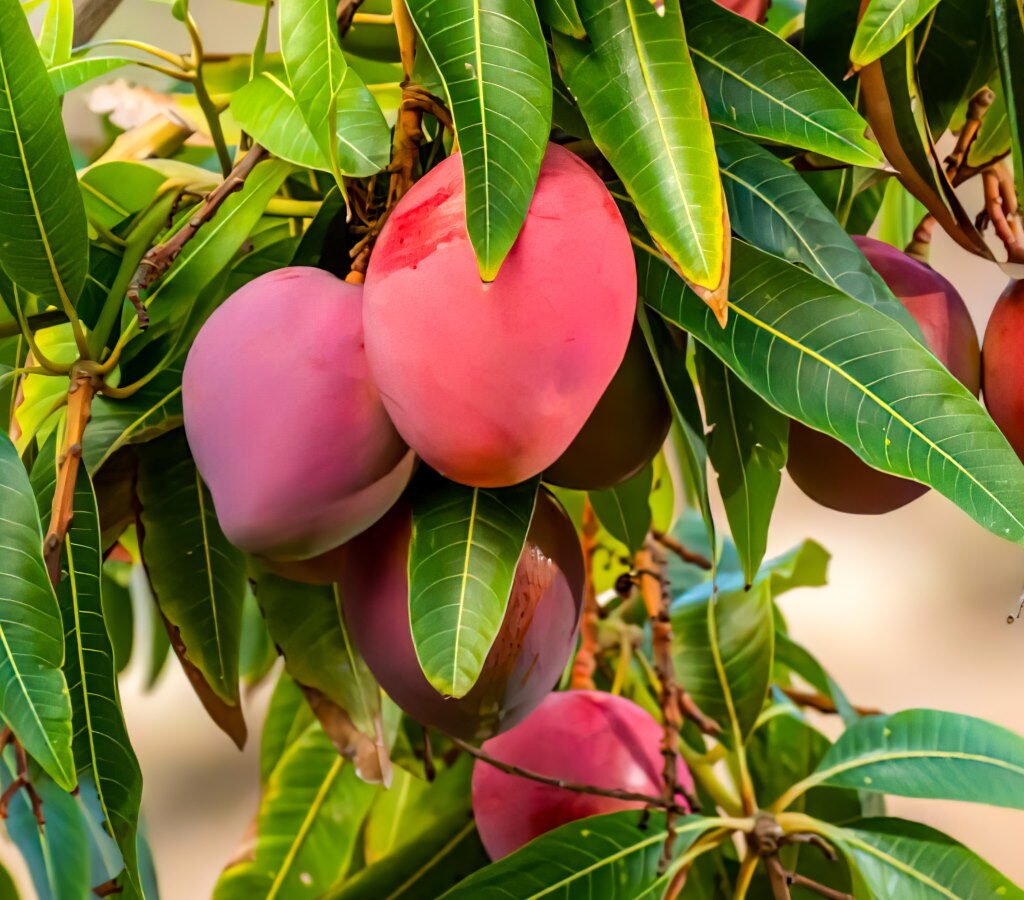
By late spring, mango trees in the UK start showing visible signs of renewed growth after their dormant winter phase. The Keitt mango, in particular, produces vibrant new leaves in shades of red and bronze that later mature to deep green.
For gardeners monitoring their mango trees, this stage is both exciting and critical. It’s when you can assess:
- Overall tree health after winter.
- Graft success or weakness.
- New shoots and potential flower panicles.
In the featured video, the gardener observes his Keitt mango during late spring, noting mixed progress — healthy foliage emerging, but concerns about poor graft quality affecting the plant’s structure and growth potential.
4. Understanding Grafting in Mango Trees
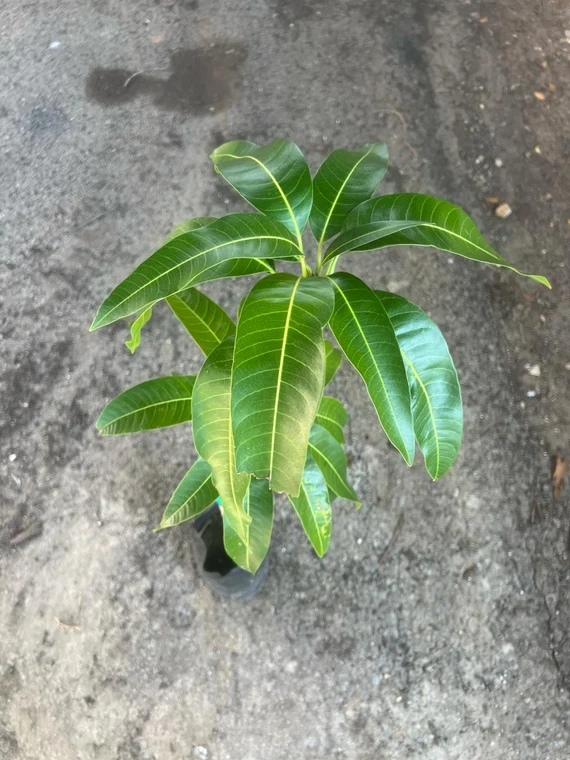
Most mango trees available commercially are grafted, meaning a scion (fruiting variety) is joined to a rootstock (hardy base plant). This method ensures consistency in fruit type and faster fruiting — often within 2–4 years, compared to 6–8 years from seed.
However, graft quality matters immensely, especially in cooler climates like the UK where plants face environmental stress.
Poor grafting can result in:

- Weak unions that may snap or split as the tree grows.
- Uneven growth where the scion struggles to establish dominance.
- Limited nutrient flow between rootstock and scion.
- Increased vulnerability to disease or rot at the graft junction.
In the video, the grower highlights visible flaws — uneven alignment and scarring around the graft area — that could impact the tree’s long-term health.
5. Identifying Poor Graft Quality
If you’re growing a mango tree, it’s essential to check the graft point carefully.
Signs of poor grafting include:
- A bulging or uneven joint between the rootstock and scion.
- Visible cracks or peeling bark at the graft area.
- Weak growth above the graft despite healthy rootstock.
- Discoloration or callus formation that looks dry and flaky.
High-quality grafts, on the other hand, should appear smooth, sealed, and well-healed, with continuous bark alignment and no significant narrowing or bulging.
If you’ve received a poorly grafted tree, don’t panic — you can still help it thrive with careful staking, pruning, and supportive growing conditions (more on that below).
6. Caring for Your Keitt Mango in Late Spring
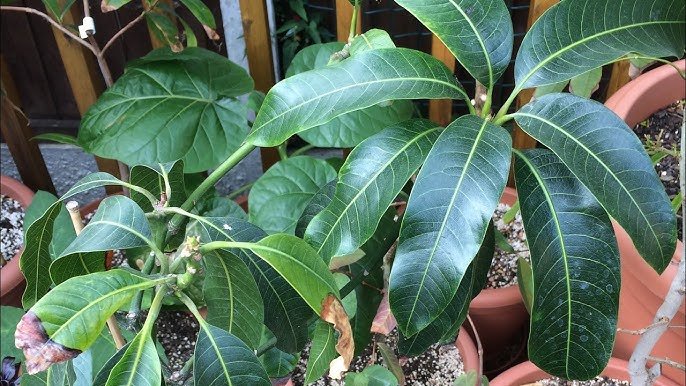
As temperatures warm up, your Keitt mango enters an active growth phase. This is the time to nurture it carefully so it can prepare for flowering and fruiting later in the year.
a) Sunlight
Mango trees need at least 8–10 hours of sunlight daily. In the UK, this means keeping them in a south-facing greenhouse, sunroom, or patio during the spring and summer months. If natural light is insufficient, use a full-spectrum grow light to supplement daylight.

b) Watering
Keep the soil slightly moist but not soggy. Overwatering can cause root rot, especially in cooler weather. Ensure your pot has drainage holes and consider using a well-draining mix — 50% compost, 30% coarse sand, 20% perlite works well.
c) Feeding
Apply a balanced fertilizer (10-10-10) once every 3–4 weeks during active growth. As the season progresses, switch to a high-potassium fertilizer (like 5-10-10) to promote flowering and fruiting.
d) Pruning
Remove weak shoots or crossing branches to improve airflow and direct energy to healthy growth. This is especially important for trees with weak grafts, as it reduces unnecessary strain on the trunk.
7. Strengthening a Poor Graft Union
If your Keitt mango has a visibly weak graft, you can take steps to support it:
- Stake the tree using soft ties to stabilize it against wind or movement.
- Avoid heavy top growth — prune upper branches to balance the structure.
- Seal exposed grafts with grafting wax or pruning sealant to prevent infection.
- Encourage callus formation by maintaining steady moisture and warmth.
With time, proper support, and healthy growing conditions, even a weak graft can strengthen naturally as the bark thickens.
8. Temperature and Climate Control in the UK
One of the biggest challenges in growing mangoes in the UK is temperature management. Mango trees thrive best between 25°C–35°C (77°F–95°F) but can tolerate short dips to 10°C (50°F) if protected.
Here’s how to maintain ideal conditions:

- Use a heated greenhouse or conservatory for year-round growth.
- During warm days, ventilate to prevent humidity buildup.
- In late spring, move the plant outdoors for natural sunlight — but bring it in when nighttime temperatures drop below 12°C (54°F).
- Avoid placing the plant near cold drafts or metal surfaces that conduct cold.
For consistent warmth, you can even use soil heating mats or insulated planters to keep root temperatures stable.
9. The Keitt Mango Bloom and Fruit Cycle
Once your Keitt mango is well-established, you can expect blooms to appear in late spring or early summer, depending on conditions.
The flowers form in large clusters known as panicles, attracting bees and other pollinators. In a greenhouse, where pollinators may be limited, you can hand-pollinate using a small paintbrush to transfer pollen between flowers.
Fruit development takes around 4–6 months after flowering. Since Keitt is a late-season variety, the fruits often ripen as late as October, which can be tricky in the UK — making greenhouse protection essential to achieve proper ripening.
10. Common Problems and How to Fix Them
Growing mangoes in the UK comes with some unique challenges:
| Problem | Cause | Solution |
|---|---|---|
| Leaf yellowing | Overwatering or cold roots | Reduce watering, use heating mats |
| Slow growth | Low light or cool temps | Increase sunlight exposure or add grow lights |
| Graft weakness | Poor graft union | Stake, prune lightly, and protect from wind |
| No flowering | Excess nitrogen or low potassium | Switch to bloom fertilizer (5-10-10) |
| Powdery mildew or mold | High humidity | Improve ventilation and use neem oil spray |
11. The Joy of Growing Tropical Fruit in Temperate Climates
There’s something deeply rewarding about nurturing a mango tree in the UK. Watching your Keitt mango push new spring growth, strengthen its graft, and eventually flower and fruit is a remarkable achievement — proof that dedication and creativity can overcome climate limitations.
While it may never rival a tropical orchard, a healthy mango tree in a British greenhouse is a statement of gardening skill, patience, and curiosity.

12. Final Thoughts
The journey of growing a Keitt mango tree in the UK is one of persistence, observation, and care. As highlighted in the video “Mango ‘Keitt’ Growing UK Late Spring Update – Poor Graft Quality in My Opinion,” even imperfect grafts and less-than-ideal conditions can lead to success with the right attention.
By understanding the grafting process, optimizing your environment, and supporting your tree through its seasonal cycles, you can enjoy the sight of vibrant foliage, fragrant blooms, and — if you’re lucky — the taste of your very own homegrown mangoes.
Whether your mango tree grows in a conservatory, greenhouse, or sunny balcony, it’s a living reminder that with care and creativity, even tropical dreams can thrive in the heart of a temperate garden.

Leave A Comment