
Few gardening experiences are as exciting as growing a fruit tree from seed. The sense of patience, curiosity, and joy that comes from nurturing a tiny seed into a thriving tree is deeply rewarding. Among modern apple varieties, the Opal apple stands out—not only for its vibrant golden-yellow color and crisp sweetness but also for its natural resistance to browning.
If you’ve ever enjoyed this delicious apple and wondered whether you could grow your own Opal apple tree from a seed, the answer is yes—but it comes with a few fascinating challenges and lessons. Unlike planting a grafted tree from a nursery, growing from seed means diving into the mysteries of genetics, patience, and nature’s surprises.
In this detailed guide, we’ll explore the complete process of growing an Opal apple tree from seed—from seed preparation and germination to caring for seedlings and understanding what to expect as your young tree matures.
1. What Makes the Opal Apple So Special?
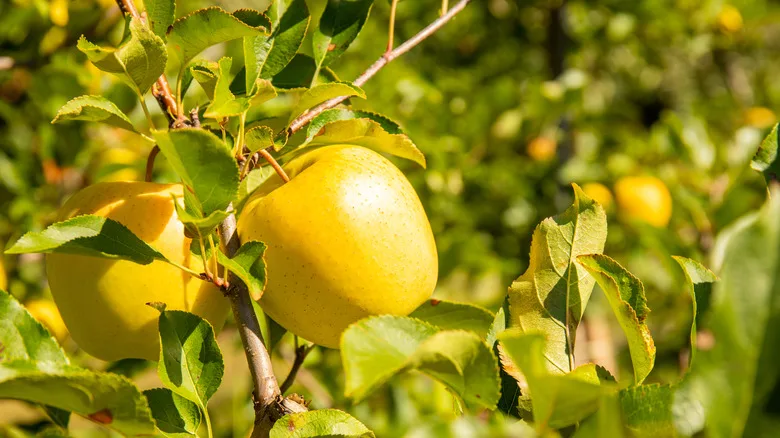
The Opal apple (a cross between Golden Delicious and Topaz) was first developed in the Czech Republic and quickly became popular worldwide. It’s known for its crisp texture, sweet flavor with a hint of tartness, and natural non-browning flesh—a rare quality that makes it perfect for snacking and salads.
Its glowing yellow skin with slight russeting and juicy crunch make it a favorite among both consumers and orchardists. Beyond its looks and taste, the Opal apple is also notable for being non-GMO and naturally resistant to oxidation, meaning it stays fresh longer after cutting.
So, growing an Opal apple from seed isn’t just about cultivating a fruit tree—it’s about trying to replicate one of nature’s most delightful modern apple varieties.
2. The Science of Growing Apples from Seed
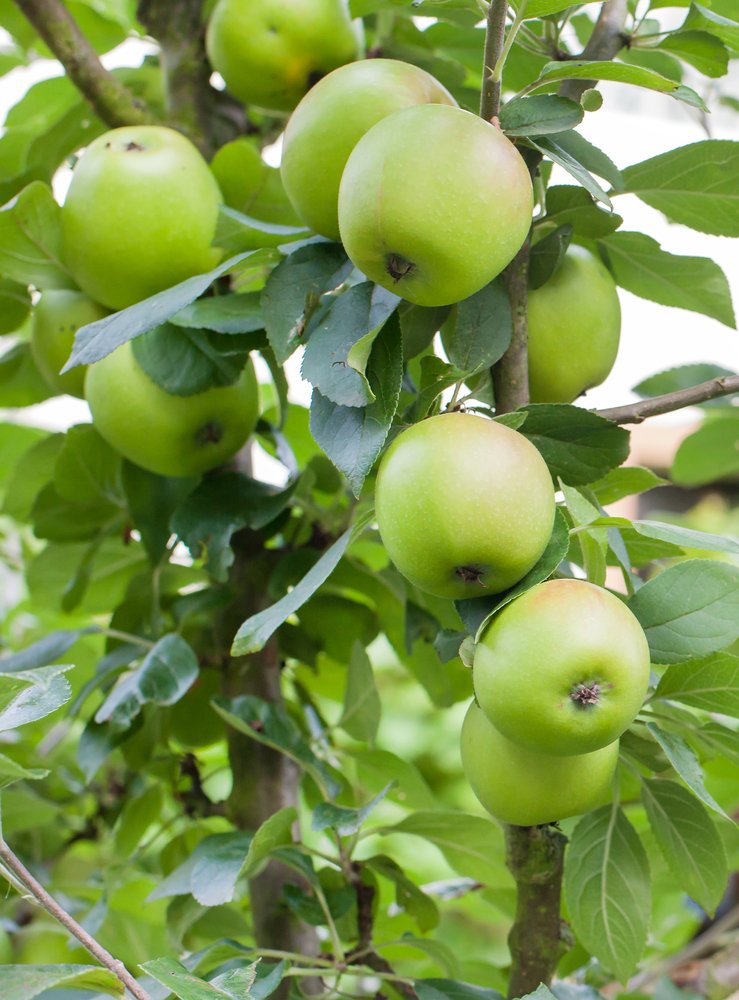
Before diving into planting, it’s important to understand how apple genetics work. When you plant a seed from an Opal apple, the resulting tree will not be genetically identical to the parent fruit. This is because apples are heterozygous, meaning each seed carries a unique combination of genetic traits from its parent and pollinator.
In simpler terms, your new tree could produce fruit that’s sweeter, tarter, smaller, larger—or even completely different in color. While you might not get a perfect replica of the original Opal apple, you could discover an entirely new and unique variety.
This unpredictability is part of what makes growing apples from seed so fascinating—it’s like taking part in nature’s own experiment.
3. Collecting and Preparing Opal Apple Seeds
The journey begins with collecting healthy, viable seeds from a fresh Opal apple. Follow these steps carefully to prepare them for germination:
Step 1: Extracting Seeds
- Choose a ripe, unbruised Opal apple.
- Slice it open and remove the brown seeds carefully. Avoid any that are pale or damaged—they’re unlikely to sprout.
Step 2: Cleaning
- Rinse the seeds under cool water to remove any sticky apple residue.
- Let them dry on a paper towel for about a day in a cool, dry place.
Step 3: Stratification (Cold Treatment)
Apple seeds naturally require a period of cold dormancy to germinate—a process known as cold stratification. This mimics winter conditions and helps break the seed’s dormancy.
- Wrap the clean seeds in a damp paper towel.
- Place them inside a plastic zip bag and store them in the refrigerator (not freezer).
- Keep the temperature between 2–5°C (35–40°F).
- Check weekly to ensure the towel remains slightly moist.
- After 6 to 8 weeks, tiny white roots will begin to emerge—a sign your seeds are ready to plant.
4. Planting the Germinated Seeds
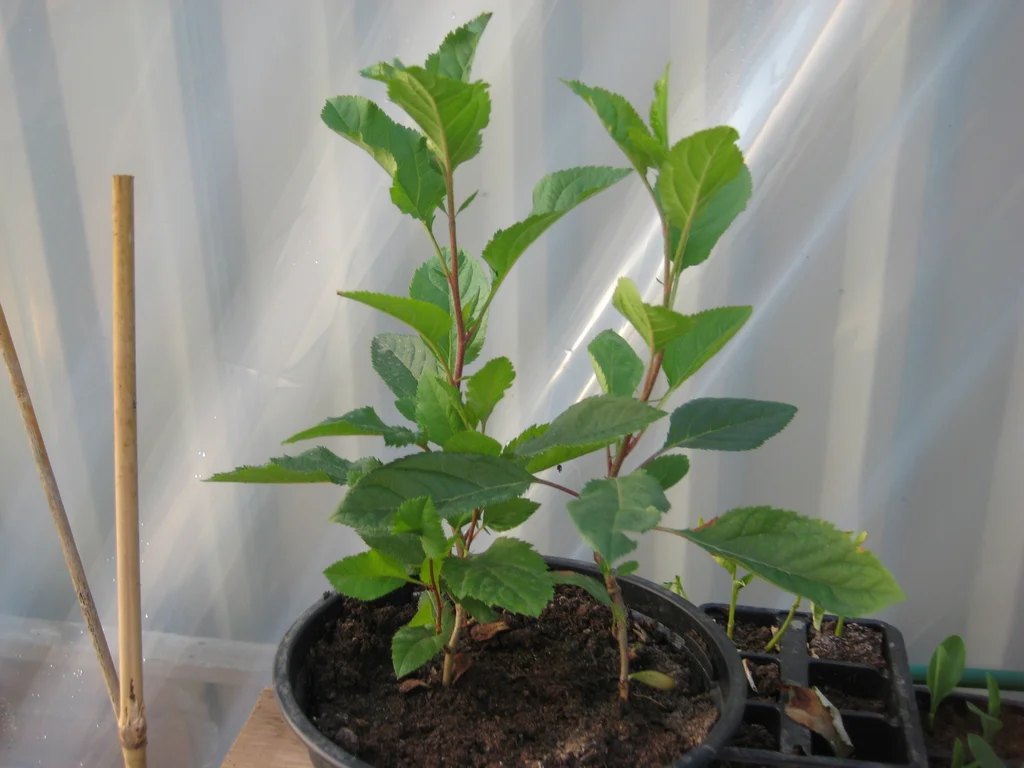
Once your Opal apple seeds sprout, it’s time to give them soil and light.
Step 1: Choose the Right Soil
Use a well-draining potting mix—a combination of peat moss, perlite, and compost works beautifully. The soil should stay moist but not soggy.
Step 2: Planting Depth
- Plant each seed about half an inch (1.25 cm) deep in small pots.
- Cover lightly with soil and gently water.
Step 3: Light and Temperature
- Place the pots in a sunny windowsill or under a grow light.
- Keep the temperature around 20–25°C (68–77°F) for healthy seedling development.
- Make sure your seedlings get at least 6–8 hours of sunlight daily.
Step 4: Watering
Water when the top inch of soil feels dry. Avoid overwatering—apple roots prefer oxygen-rich soil and can rot in soggy conditions.
Within a few weeks, you’ll notice slender green shoots emerging—your very own baby apple trees!
5. Caring for Opal Apple Seedlings
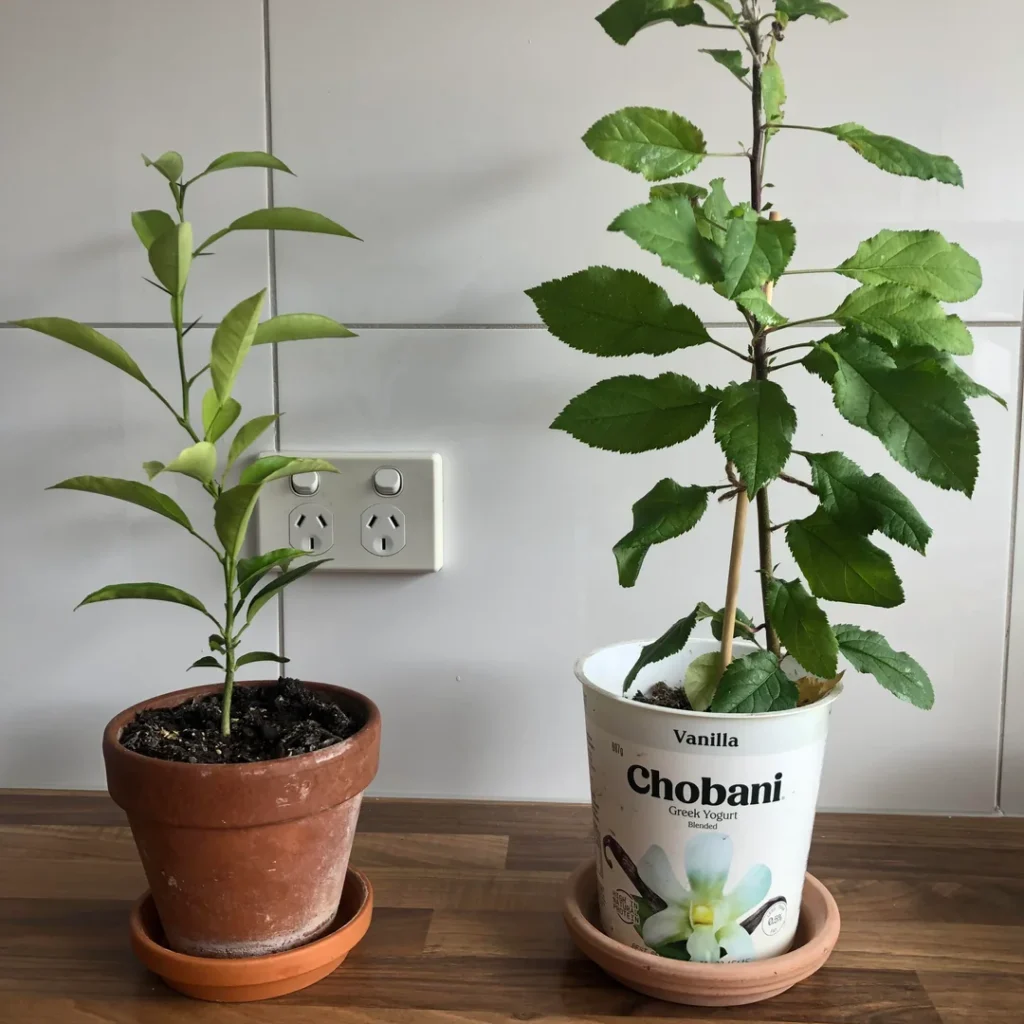
Once your seedlings reach 4–6 inches tall, they’ll need careful attention to ensure strong, healthy growth.
a. Transplanting
When seedlings outgrow their small pots, move them into larger containers or directly into the ground (if conditions are warm and frost-free). Choose a sunny location with well-drained loamy soil and good airflow.
b. Hardening Off
If you’ve grown your seedlings indoors, gradually acclimate them to outdoor conditions. Place them outside for a few hours a day, increasing exposure over a week before permanent transplanting.
c. Spacing
If planting multiple trees, space them 12–15 feet apart to allow for mature canopy growth and proper air circulation.
d. Fertilizing
Feed young trees with a balanced organic fertilizer or compost tea during the growing season. Avoid heavy nitrogen fertilizers, which promote leaf growth at the expense of roots and branches.
e. Pruning
Early pruning helps shape your young tree and encourages strong branch structure. Remove any weak or crossing branches, focusing on building a single strong leader.
6. Patience: The Long Wait for Fruit
Growing an apple tree from seed requires patience—Opal apple seedlings can take 6–10 years before producing fruit. However, the process is deeply rewarding, especially for home gardeners who enjoy nurturing plants from their very beginning.
During these years, your focus should be on building a strong, healthy tree. Keep up with regular watering, pruning, and pest control. Protect the tree from deer, rabbits, and other animals that might nibble on young shoots.
Even if the apples your tree eventually bears aren’t identical to the store-bought Opal variety, they’ll be a unique reflection of your care, environment, and the seed’s genetic surprises.

7. The Beauty of Growing from Seed vs. Buying a Grafted Tree
While growing an apple from seed is an adventure, there are some practical differences between seed-grown and grafted trees:
| Aspect | Seed-Grown Tree | Grafted Tree |
|---|---|---|
| Genetics | Unpredictable—unique variety | Identical to parent cultivar |
| Time to Fruit | 6–10 years | 2–4 years |
| Cost | Free (from seed) | Costs more but faster results |
| Root System | Deep taproot—excellent drought resistance | Shallow roots—easier to control |
| Experience | Educational and fun | More predictable and productive |
If your main goal is to get Opal apples that taste just like the ones from the store, a grafted nursery tree is your best option. But if you want a fulfilling gardening project full of wonder, a seed-grown tree offers an incredible learning experience.
8. Common Problems and How to Solve Them
Even healthy apple seedlings can face challenges. Here’s how to manage them naturally:
- Mold during stratification: Open the bag occasionally for airflow and replace damp paper towels if mold appears.
- Seedling damping off (stem rot): Ensure good air circulation and use sterile soil.
- Aphids and mites: Spray neem oil or introduce ladybugs to control pests.
- Yellow leaves: Often a sign of overwatering—let the soil dry slightly before watering again.
With consistent care, your young trees will grow stronger each season.
9. The Reward of Growing an Opal Apple Tree from Seed
There’s something profoundly satisfying about watching a seed you planted turn into a young apple tree. Each stage—from germination to blossoming—connects you to the rhythm of nature and teaches patience, hope, and dedication.
Even if your homegrown Opal apple doesn’t produce the exact same fruit, it becomes a symbol of resilience and beauty in your garden—a living experiment that carries both mystery and joy.
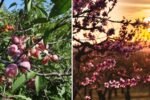
Over the years, the tree will grow tall, with fragrant spring blossoms, buzzing bees, and eventually colorful fruit that reflects your own corner of the world.
Conclusion: Turning a Seed into a Legacy
Starting an Opal apple tree from seed is not just an experiment—it’s an act of optimism. Each seed holds countless genetic possibilities, and every tree grown this way becomes a one-of-a-kind creation.
From collecting and chilling the seeds to watching your first leaves emerge, you’re part of a process that has connected gardeners for generations. And when that first bloom opens years later, you’ll know that the effort, patience, and care were worth it.
So, the next time you enjoy a crisp, golden Opal apple, don’t toss those seeds—plant them. You might just grow something extraordinary, a tree that tells the story of your own gardening journey.

Leave A Comment