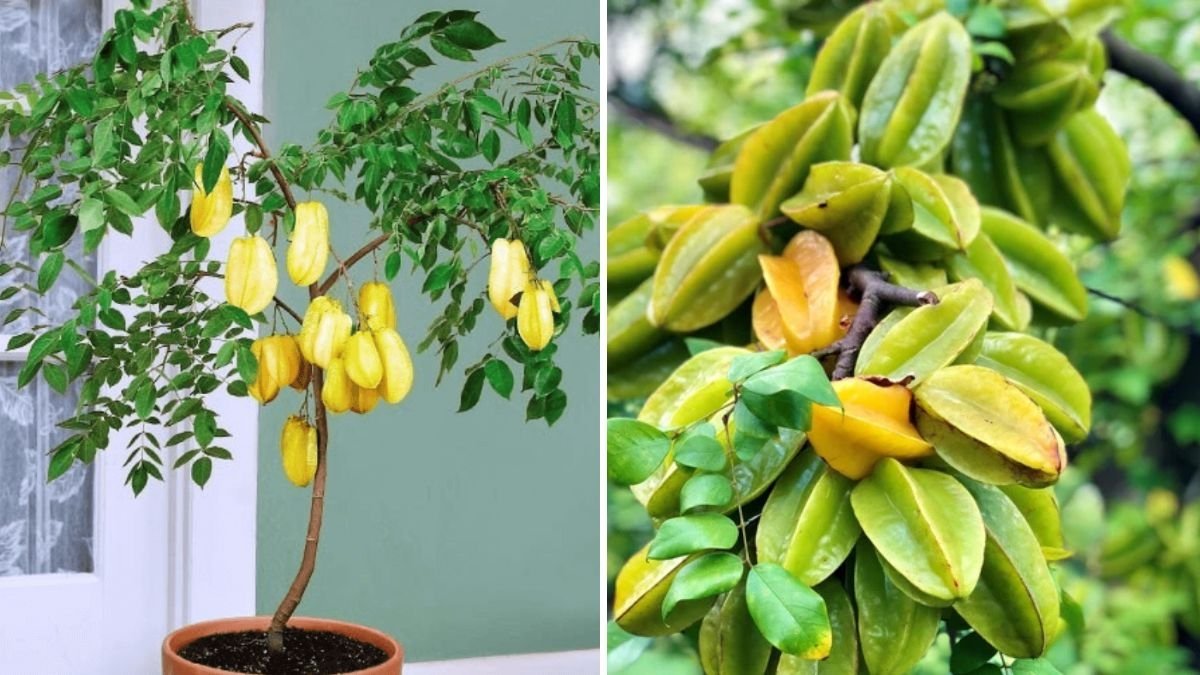
Starfruit, also known as carambola, is one of the most stunning and refreshing tropical fruits you can grow right in your home garden. With its unique star-shaped slices, sweet-tangy flavor, and glossy green leaves, it’s both a decorative and rewarding addition to any home garden. Many people assume that starfruit trees require vast orchards or special care, but in reality, they grow beautifully in pots or backyards when given the right conditions.
In this comprehensive guide, you’ll learn everything you need to know about how to easily grow a starfruit plant at home—from choosing the right variety to ensuring a healthy harvest.
Understanding the Starfruit Plant

The starfruit tree (Averrhoa carambola) is native to Southeast Asia but is now grown widely in tropical and subtropical regions around the world. It’s an evergreen tree that can reach up to 20–30 feet tall in the ground, but when grown in containers, it stays compact and manageable.
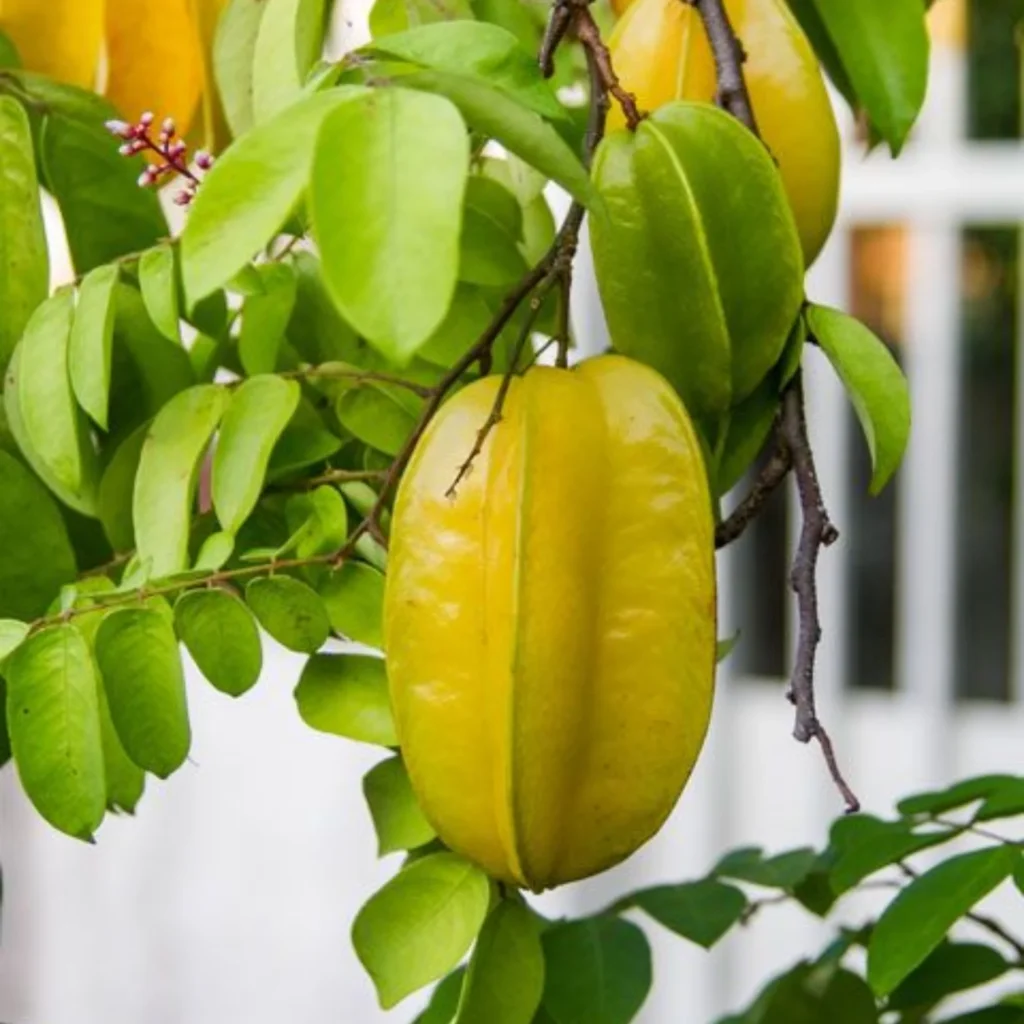
Starfruit trees produce bell-shaped, lilac to pink flowers that bloom throughout the year in warm climates. The fruits are typically yellow when ripe, with five ridges that give them a star-like appearance when sliced. They’re rich in vitamin C, antioxidants, and fiber—making them both beautiful and healthy.
Selecting the Right Variety
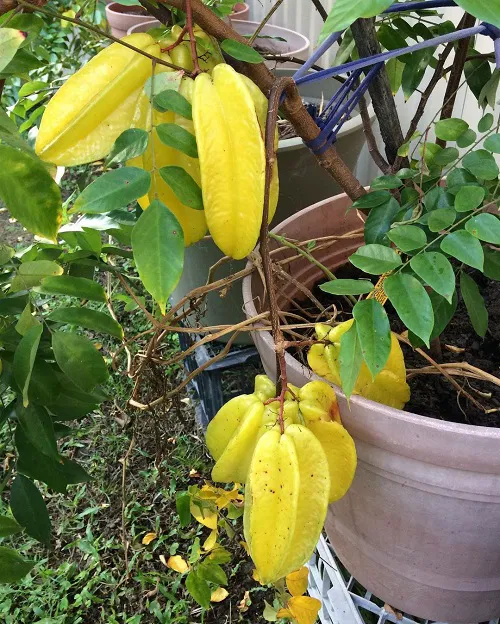
Before you begin planting, it’s important to choose the right starfruit variety for your growing conditions.
There are two main types of starfruit:

- Sweet Varieties – Ideal for eating fresh. Examples include ‘Arkin,’ ‘Maher,’ and ‘Fwang Tung.’
- Sour Varieties – Often used in cooking or pickling. Examples include ‘Golden Star’ and ‘Star King.’
For home gardeners, sweet varieties like Arkin are most popular since they’re delicious right off the tree.
How to Grow Starfruit at Home
1. Choosing Between Seeds and Cuttings
You can grow starfruit from seeds or cuttings:
- Seeds are easy to germinate but may take several years to bear fruit and might not be true to the parent plant.
- Grafted or cutting-grown plants bear fruit earlier and produce identical fruits to the parent tree.
If you’re a beginner, it’s best to start with a young grafted plant purchased from a nursery.
2. Container or Ground Planting
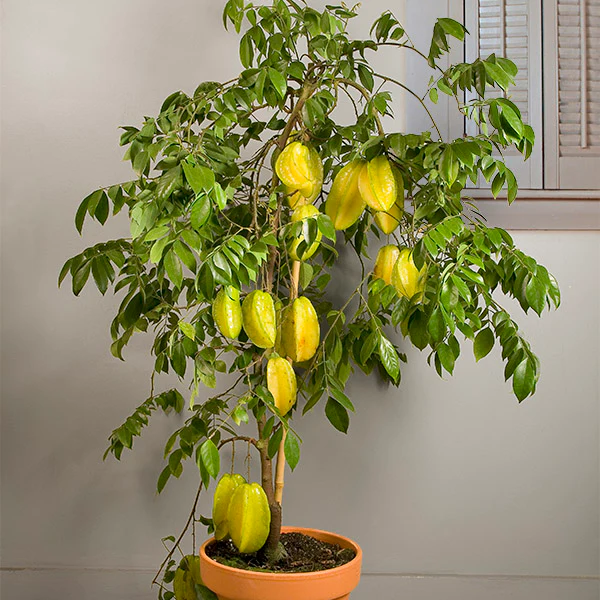
Starfruit can thrive both in large containers or directly in the ground.
- In Containers:
Choose a container that’s at least 20–24 inches deep and wide, with good drainage holes. Plastic or clay pots both work well.
Container-grown plants need more frequent watering and fertilization, but they are easier to manage and move if the weather changes. - In Ground:
Pick a sunny, well-drained spot with at least 6–8 hours of sunlight daily. Starfruit trees love warmth and light.
3. Soil Preparation
Starfruit trees prefer slightly acidic to neutral soil (pH 5.5–7).
The soil should be loamy, well-draining, and rich in organic matter.
Mix:

- 50% garden soil
- 30% compost or well-rotted manure
- 20% sand or cocopeat for better aeration
Before planting, ensure the soil drains well. Starfruit roots dislike waterlogging, which can cause rot.
4. Planting Process
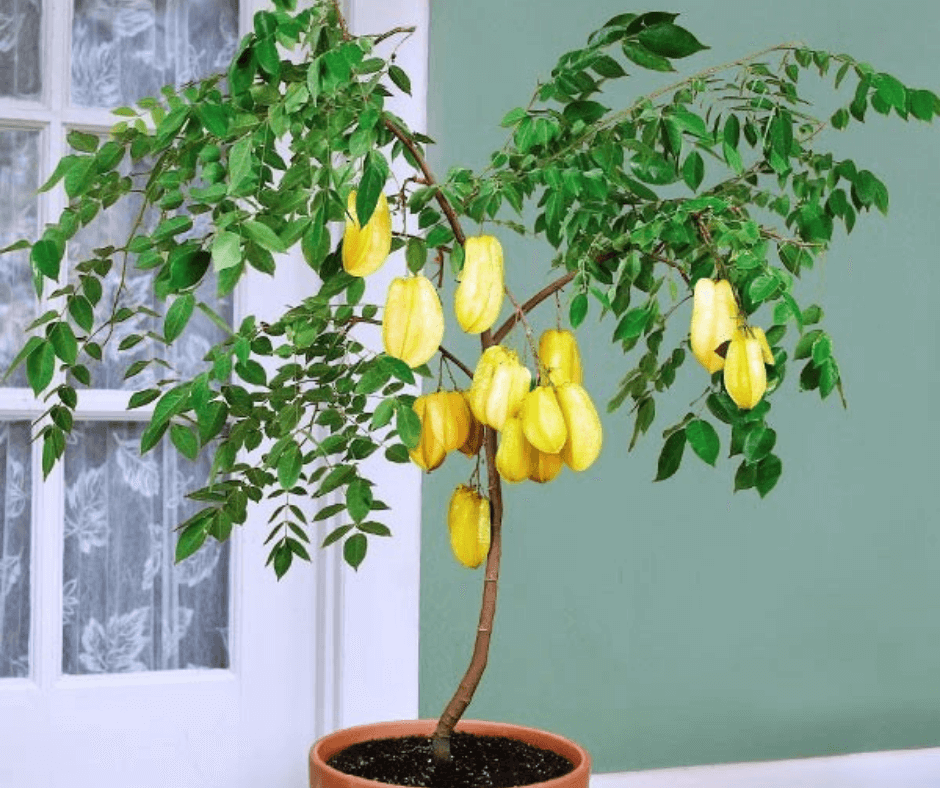
- Fill your container or pit with the prepared soil mix.
- Place the plant in the center and cover its roots, leaving the base slightly above the soil surface.
- Press the soil gently around the base to eliminate air pockets.
- Water thoroughly after planting.
If you’re growing from seeds:
- Extract fresh seeds from a ripe starfruit.
- Wash and dry them for a few hours.
- Sow seeds about ½ inch deep in moist soil.
- Keep them in a warm, shaded area until they germinate (7–14 days).
5. Watering Needs
Starfruit loves moisture, but the soil should never stay soggy.
- Young plants: Water every 2–3 days.
- Mature trees: Water deeply once or twice a week.
During summer, maintain consistent moisture, especially when the tree is flowering and fruiting. Use mulch around the base to retain soil moisture and regulate temperature.
6. Sunlight and Temperature
Starfruit trees thrive in full sun. At least 6–8 hours of sunlight daily ensures healthy growth and abundant flowering.
The ideal temperature range is 20°C to 35°C (68°F–95°F). The plant is sensitive to frost, so if you live in a cooler region, move container plants indoors or cover them during winter.

7. Fertilization Tips
For healthy growth and fruiting:
- Use a balanced fertilizer like NPK (10-10-10) every 6–8 weeks during the growing season.
- Add organic compost or cow manure twice a year.
- During the fruiting phase, add potassium-rich fertilizer to improve fruit flavor and yield.
You can also spray a liquid seaweed or compost tea once a month to enhance soil nutrition.
8. Pruning and Maintenance
Pruning is essential for maintaining the shape and health of your starfruit plant.
- Remove dead, weak, or crossing branches to improve airflow.
- Prune lightly after harvesting to encourage new growth.
- If you’re growing in a container, regular pruning helps keep the tree compact and bushy.
Avoid heavy pruning during flowering or fruiting, as it can reduce yield.
9. Pollination and Flowering
Starfruit trees are self-fertile, meaning they can set fruit without another plant. However, bees and other pollinators help improve fruit yield and quality.
Flowering usually begins within 2–3 years for grafted plants (4–6 years for seed-grown trees). The small pink or lavender flowers bloom in clusters, followed by the formation of small green fruits that mature into yellow starfruits.

10. Pest and Disease Control
While starfruit trees are relatively hardy, they can occasionally face issues like:
- Aphids and scale insects: Spray with neem oil or insecticidal soap.
- Fruit flies: Use organic traps or cover developing fruits with mesh bags.
- Root rot: Avoid overwatering and ensure proper soil drainage.
Regularly inspect the plant and keep the surrounding area clean and weed-free to prevent infestations.
Harvesting Your Starfruit
Starfruit fruits typically mature 60–90 days after flowering.
- Harvest when the fruits turn golden-yellow with a slight greenish tinge.
- Use pruning shears or scissors to cut the fruits gently from the tree.
- Handle with care, as the skin is delicate and bruises easily.
Freshly picked starfruits can be eaten raw, juiced, or added to salads and desserts. Their mild sweetness and refreshing tang make them perfect for tropical drinks and smoothies.
Growing Starfruit in Containers: Pro Tips
If you’re growing starfruit in pots, here are a few special care tips:
- Use a large container – The plant’s roots need space to expand.
- Repot every 2–3 years – Refresh the soil and slightly increase the pot size to prevent root crowding.
- Regular feeding – Potted plants deplete nutrients faster, so feed monthly with organic liquid fertilizer.
- Ensure sunlight – Place the pot in a sunny spot like a balcony, rooftop, or terrace.
- Support young plants – Use a small stake to help them stay upright as they grow.
Health Benefits of Starfruit
Apart from being easy to grow, starfruit is a powerhouse of nutrients.

- Rich in Vitamin C – Boosts immunity and improves skin health.
- Low in Calories – Perfect for weight management.
- High in Antioxidants – Helps fight inflammation and oxidative stress.
- Aids Digestion – The dietary fiber promotes gut health.
- Regulates Blood Pressure – Its potassium content supports heart health.
(Note: Individuals with kidney problems should consult a doctor before consuming starfruit, as it contains oxalates.)
Final Thoughts
Growing starfruit at home is a rewarding and surprisingly easy gardening project. With proper care—ample sunlight, regular watering, and a little pruning—you can enjoy an abundant harvest of these star-shaped beauties right in your own backyard or balcony.
Whether you plant them in the ground or in containers, starfruit trees bring both ornamental charm and tropical flavor to your home. So, start today—nurture your starfruit plant, and in a few years, you’ll be enjoying sweet, juicy fruits picked fresh from your garden.

Leave A Comment