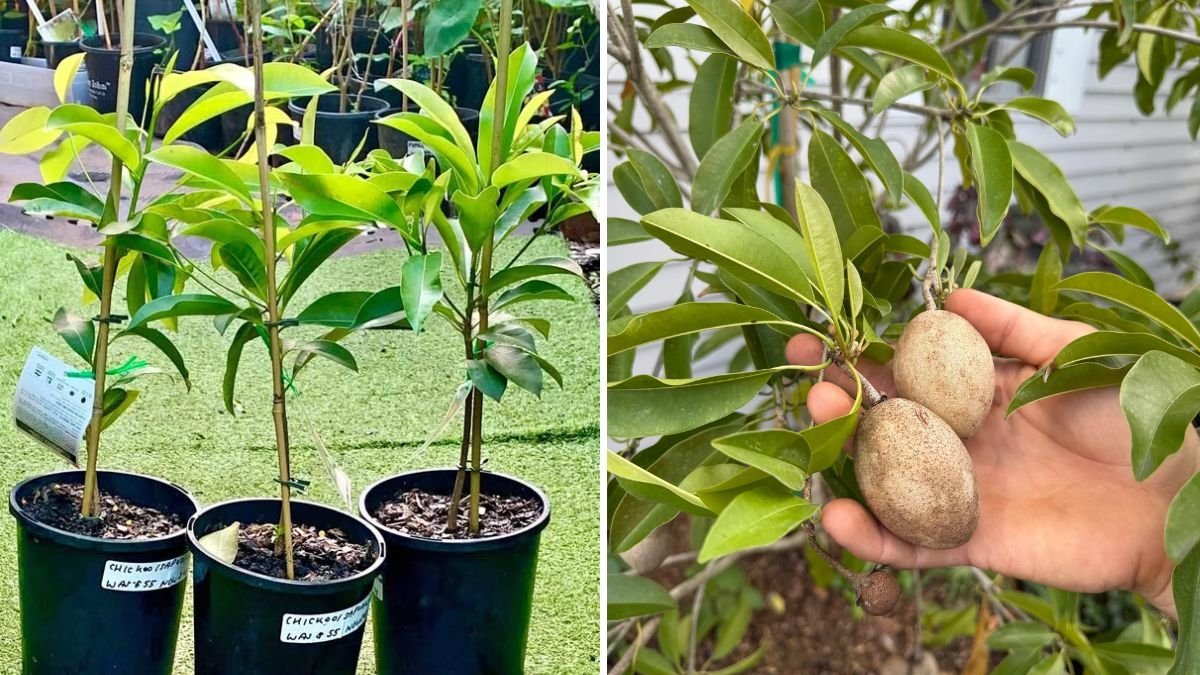
Growing fruit trees in containers has become an increasingly popular trend among gardeners who have limited space but still want to enjoy homegrown fruits. One tropical fruit that adapts surprisingly well to container gardening is the sapodilla (Manilkara zapota), also known as chikoo in India and many tropical regions. This sweet, brown, and nutrient-rich fruit can thrive and even bear fruit beautifully when grown in pots—if given the right care and attention.
In this detailed guide, we’ll walk you through everything you need to know about fruiting sapodilla in pots—from choosing the right variety and soil to pruning, fertilizing, and harvesting.
1. Understanding the Sapodilla Plant
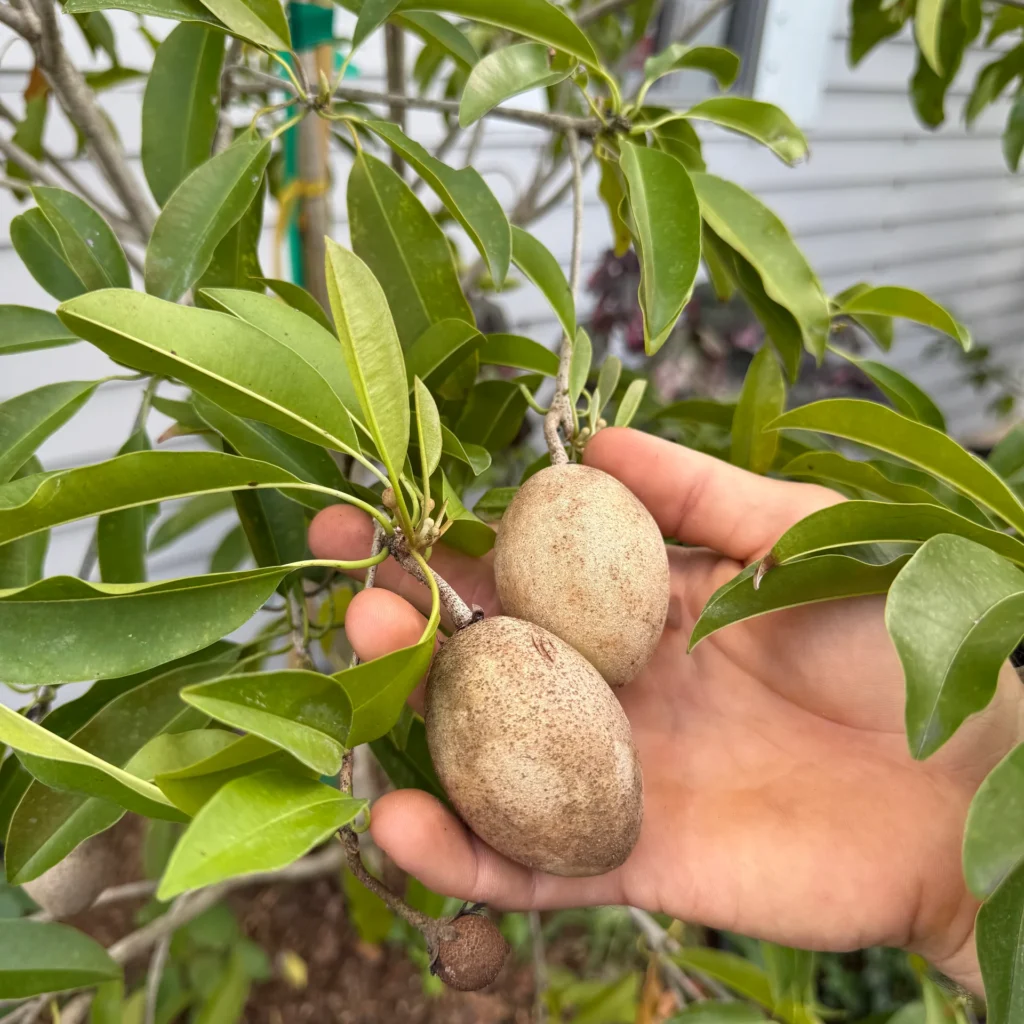
Sapodilla is a tropical evergreen tree native to Central America and Mexico, now widely grown across India, Thailand, the Philippines, and other warm climates. It is prized for its sweet, caramel-like flavor and smooth texture.
A mature tree can grow up to 30 meters tall in open ground, but with proper pruning and container management, it can stay compact and productive in a pot.
The sapodilla plant has glossy, green leaves and produces small, bell-shaped flowers that give rise to brown, oval fruits. The fruit’s sweet pulp is rich in sugar, fiber, and vitamins A and C—making it both delicious and healthy.
2. Choosing the Right Variety for Pots
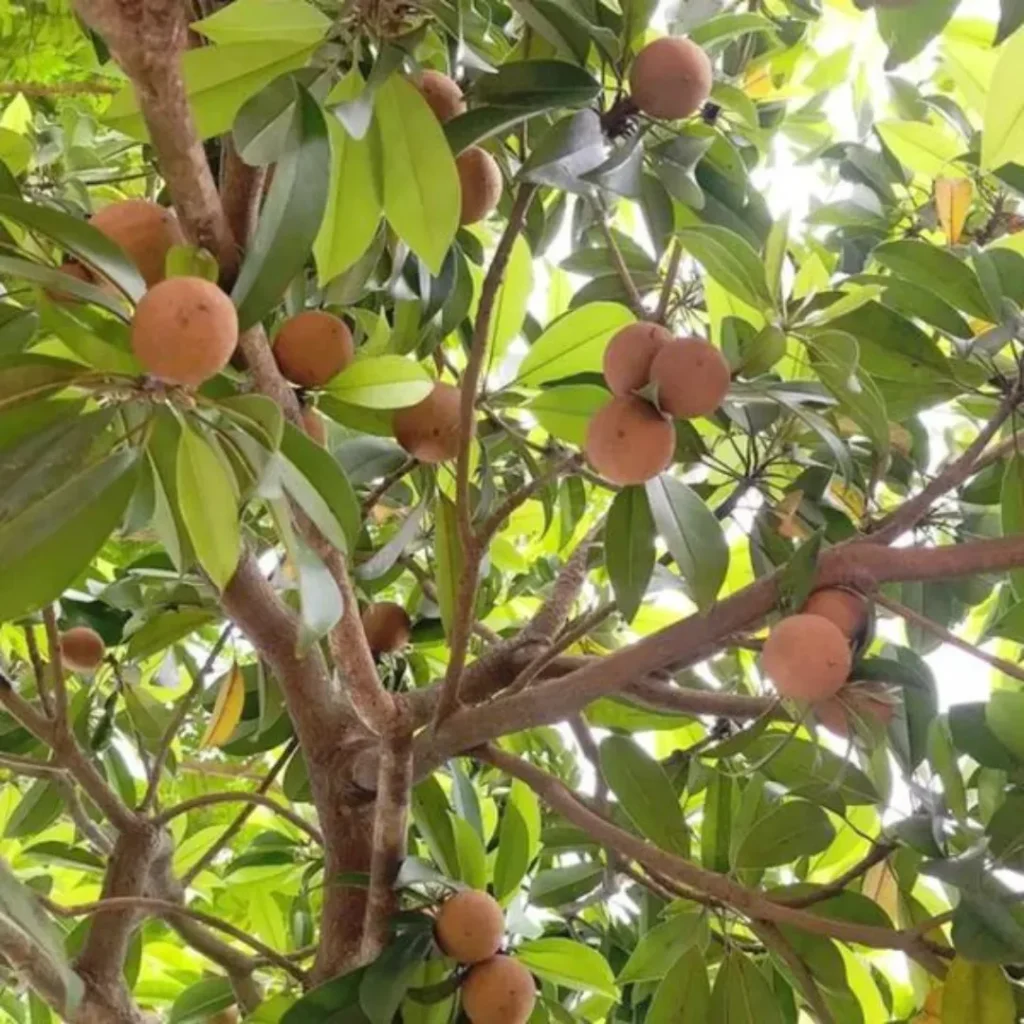
Not all sapodilla varieties are suitable for pot culture. For container growing, compact or dwarf varieties are preferred since they have a manageable growth habit and can fruit early.
Some of the best sapodilla varieties for pots include:
- Pala: Known for its early fruiting and medium-sized sweet fruits.
- Kalipatti: A popular Indian variety with a rich, malty taste.
- CO-1 and PKM-1: Dwarf hybrids suitable for container gardening.
- Makok: A Thai variety that stays small, fruits early, and is perfect for home pots.
Choose a grafted plant instead of growing from seed. Grafted sapodillas start producing fruits in 2–3 years, while seedlings can take up to 8–10 years.
3. Selecting the Right Pot
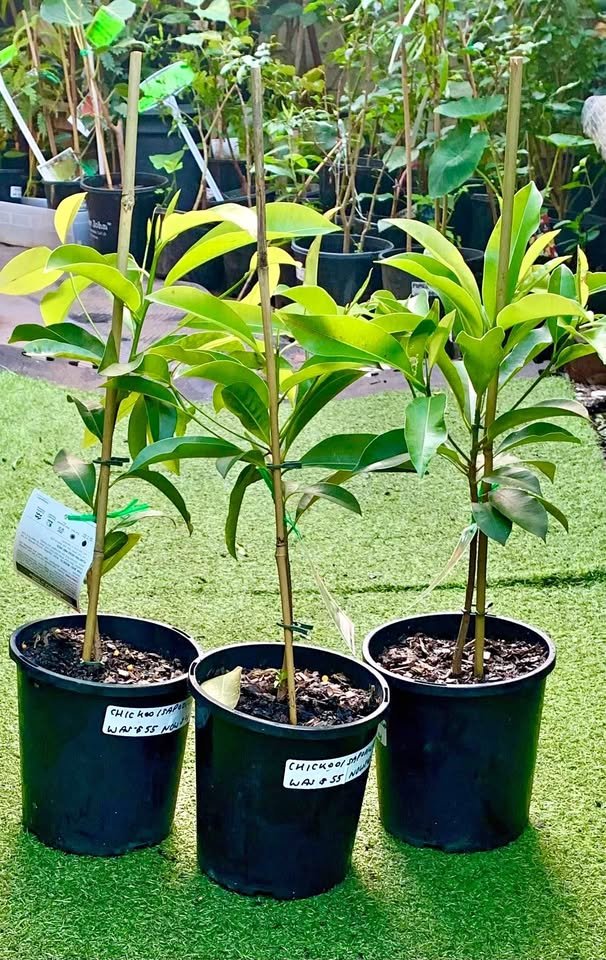
The pot size plays a key role in determining the plant’s growth and fruiting success.
- For young plants: Start with a pot that is at least 12–14 inches in diameter.
- For mature fruiting plants: Transplant into a 20–24 inch pot (or about 60 liters capacity).
- Material: Use clay, cement, or high-quality plastic pots with good drainage holes.
Ensure the pot is strong enough to hold the heavy soil and the weight of the tree as it matures.
4. Ideal Soil Mix for Sapodilla in Pots
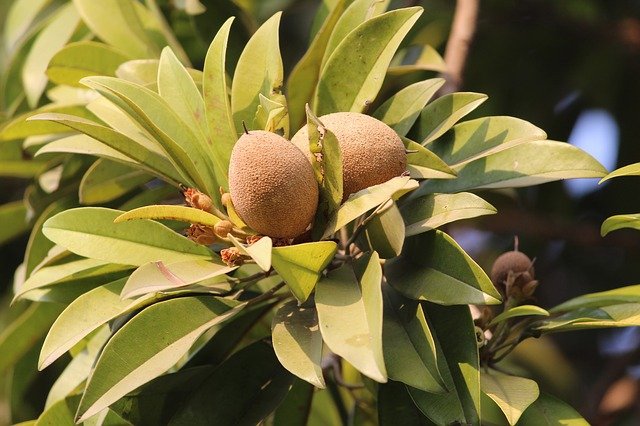
Sapodilla prefers well-drained, loamy soil that is rich in organic matter. A good soil mix should retain moisture while allowing excess water to drain freely.
A perfect potting mix for sapodilla could be:
- 40% garden soil
- 30% well-rotted compost or cow manure
- 20% coco peat or sand
- 10% perlite or vermicompost
You can also add a handful of neem cake or bone meal to the mix to improve fertility and prevent pest issues.
5. Planting Sapodilla in the Pot
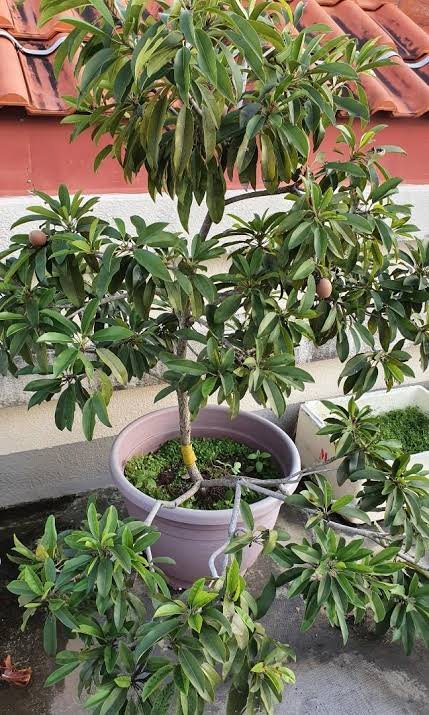
- Place small stones or broken pottery pieces at the bottom of the pot for drainage.
- Fill half the pot with the prepared soil mix.
- Carefully remove the sapodilla plant from its nursery bag, keeping the root ball intact.
- Position it at the center of the pot and fill in the remaining soil, pressing gently.
- Water thoroughly to help the soil settle around the roots.
Keep the newly potted plant in partial shade for 10–15 days before moving it to full sunlight.
6. Sunlight and Temperature Requirements
Sapodilla loves full sun—at least 6–8 hours of direct sunlight daily. If you’re growing it on a balcony or terrace, ensure it receives plenty of light.
The plant thrives best in warm temperatures between 25°C to 35°C (77°F to 95°F). It is not frost-tolerant, so during winter, move the pot to a warmer area or cover it to protect it from cold winds.
7. Watering and Moisture Management
Watering is crucial for healthy growth and fruiting.
- Water the plant 2–3 times a week during the growing season (summer and spring).
- In the rainy season, reduce watering to avoid root rot.
- In winter, water only when the topsoil feels dry.
Sapodilla doesn’t tolerate waterlogging. Ensure good drainage at all times, as excessive moisture can damage roots and cause yellowing leaves.
Mulching the surface with dry leaves or straw helps retain soil moisture and maintain an even temperature around the roots.
8. Fertilizing for Healthy Growth and Fruiting
Feeding your sapodilla regularly is key to encouraging fruiting in pots.
Fertilizing schedule:
- Every 45–60 days: Apply 1–2 handfuls of well-rotted compost or vermicompost.
- During flowering and fruiting: Use a balanced organic fertilizer or NPK (6:6:6 or 8:8:8) to promote flower formation and fruit set.
- Twice a year: Mix bone meal or fish emulsion into the soil to supply phosphorus and calcium for fruit development.
You can also use banana peel fertilizer or seaweed extract spray to enhance flowering naturally.
9. Pruning and Shaping the Tree
Pruning helps maintain size, encourages branching, and improves air circulation.
- After the first year: Start pruning the main shoots to promote a strong framework.
- Remove: Dead, weak, or crossing branches regularly.
- After harvest: Lightly prune to maintain shape and remove old growth.
Avoid heavy pruning during the fruiting phase, as it may reduce the next yield. Regular pruning keeps the plant compact and encourages more flowering in pots.
10. Pollination and Fruit Setting
Sapodilla flowers are small and creamy white, appearing throughout the year in warm climates. Pollination usually occurs naturally through wind and insects. However, for potted plants, hand pollination can improve fruit set.
To hand-pollinate:
- Use a soft brush or cotton swab to transfer pollen from one flower to another.
- Repeat the process in the morning hours for better success.
Within a few weeks, small round fruits will begin to form if pollination is successful.
11. Common Pests and Diseases
Although sapodilla is relatively hardy, it may face occasional pest problems.
Common pests:
- Mealybugs
- Aphids
- Scale insects
- Fruit flies
Control measures:
- Spray neem oil or soap solution every 15 days.
- Keep the plant area clean and remove fallen leaves.
- Avoid overwatering to prevent fungal diseases like root rot.
If you notice yellowing leaves or black spots, prune the affected areas and apply organic fungicide.
12. Flowering and Fruiting Stage
Sapodilla generally starts flowering 2–3 years after planting if it’s a grafted variety. The flowers appear in small clusters, followed by fruit formation within a few weeks.
Each fruit takes about 6–8 months to mature, depending on the climate. You’ll know the fruits are ready to harvest when they turn light brown and slightly soft to the touch.
In containers, a healthy plant can yield 15–30 fruits annually, depending on its age, care, and growing conditions.
13. Harvesting and Post-Harvest Care
To check if a sapodilla is ready for harvest:

- Scratch the skin lightly; if the green layer beneath turns yellow, it’s mature.
- Gently twist or cut the fruit from the stem to avoid damaging branches.
- Allow the fruits to ripen at room temperature for 4–5 days.
Once ripe, the fruits will have a smooth texture and a honey-like sweetness.
14. Overwintering Tips
If you live in an area with cold winters, bring your sapodilla pot indoors or to a sheltered location during the cold months. Reduce watering and stop fertilizing until spring returns. This resting phase helps the plant conserve energy for the next growth cycle.
15. Benefits of Growing Sapodilla in Pots
- Perfect for small gardens, balconies, and terraces.
- Easier maintenance and pest control.
- Can be moved for optimal sunlight or protection.
- Produces sweet, organic fruits without chemicals.
- Adds tropical greenery and beauty to your space.
Conclusion
Growing fruiting sapodilla in pots is not only possible—it’s rewarding and surprisingly easy with the right care. By choosing a dwarf variety, ensuring good sunlight, and maintaining proper watering and feeding routines, you can enjoy homegrown chikoos straight from your terrace or balcony garden.
Whether you’re an urban gardener with limited space or a plant lover wanting to expand your fruit collection, a potted sapodilla tree can be your next tropical success story—bringing sweetness, greenery, and satisfaction right to your home.

Leave A Comment