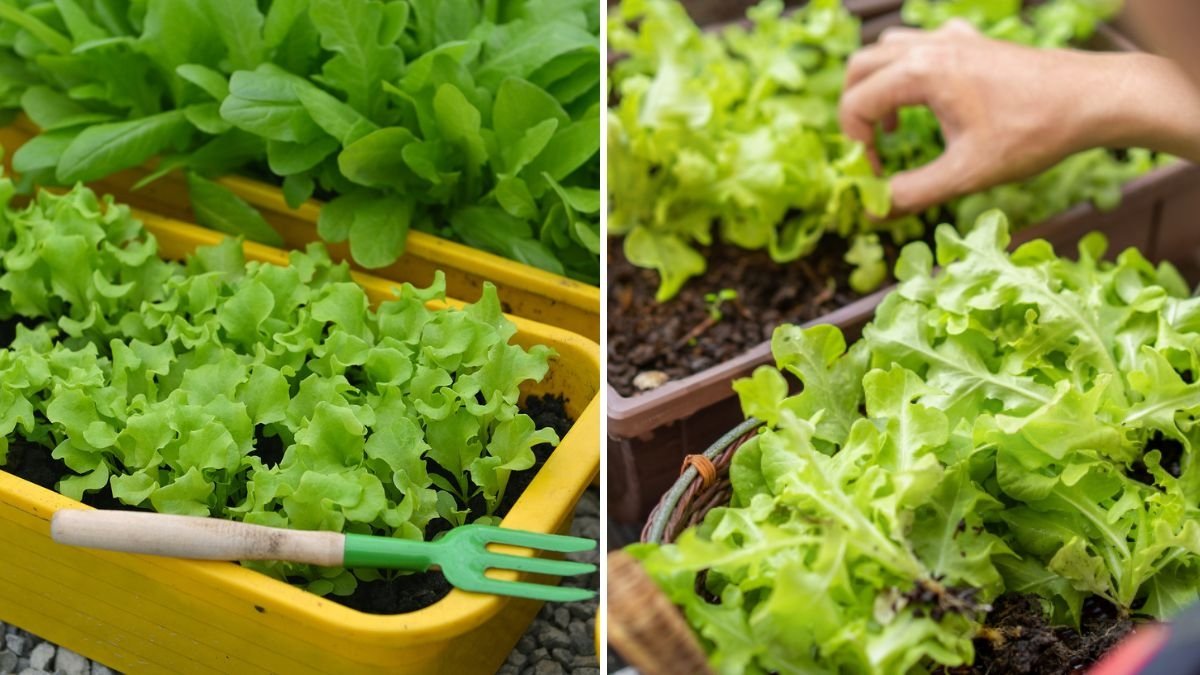
Growing baby butterhead lettuce from seed is one of the most satisfying and simple gardening projects you can take on, whether you have a spacious backyard or just a few containers on your balcony. Known for its tender, buttery texture and mild flavor, butterhead lettuce (also called Boston or Bibb lettuce) is a perfect choice for salads, wraps, and sandwiches. The baby version grows faster and fits beautifully in small spaces, making it ideal for home gardeners who love quick and fresh harvests.
In this guide, we’ll walk you through everything you need to know about growing baby butterhead lettuce from seed — from selecting the right seeds to harvesting tender, delicious leaves straight from your garden.
Why Grow Baby Butterhead Lettuce?

Butterhead lettuce is prized for its soft, silky leaves that form loose, cup-shaped heads. Unlike crisphead lettuce varieties, such as iceberg, butterhead has a delicate texture and a sweet, buttery taste that elevates any dish.
Here’s why it’s worth growing:
- Fast-growing: You can harvest baby butterhead lettuce in as little as 35–45 days after sowing.
- Compact size: Perfect for containers, raised beds, and small garden spaces.
- Continuous harvest: You can pick outer leaves regularly, and the plant keeps producing new ones.
- Cool-season favorite: It thrives in mild spring and fall temperatures.
- Nutrient-rich: Packed with vitamins A, C, and K, plus antioxidants that support overall health.
Choosing the Right Seeds

When buying butterhead lettuce seeds, look for varieties that suit your climate and growing space. Some popular options include:
- ‘Buttercrunch’: Heat-tolerant and crisp with a slightly nutty flavor.
- ‘Bibb’: Classic small butterhead variety with tender, bright green leaves.
- ‘Tom Thumb’: Compact, perfect for container gardens and small pots.
- ‘Nancy’: Smooth, buttery texture and resistant to bolting.
If you’re growing indoors or in a warm region, choose heat-resistant or slow-bolting varieties to ensure longer production.

Step 1: Preparing the Growing Medium
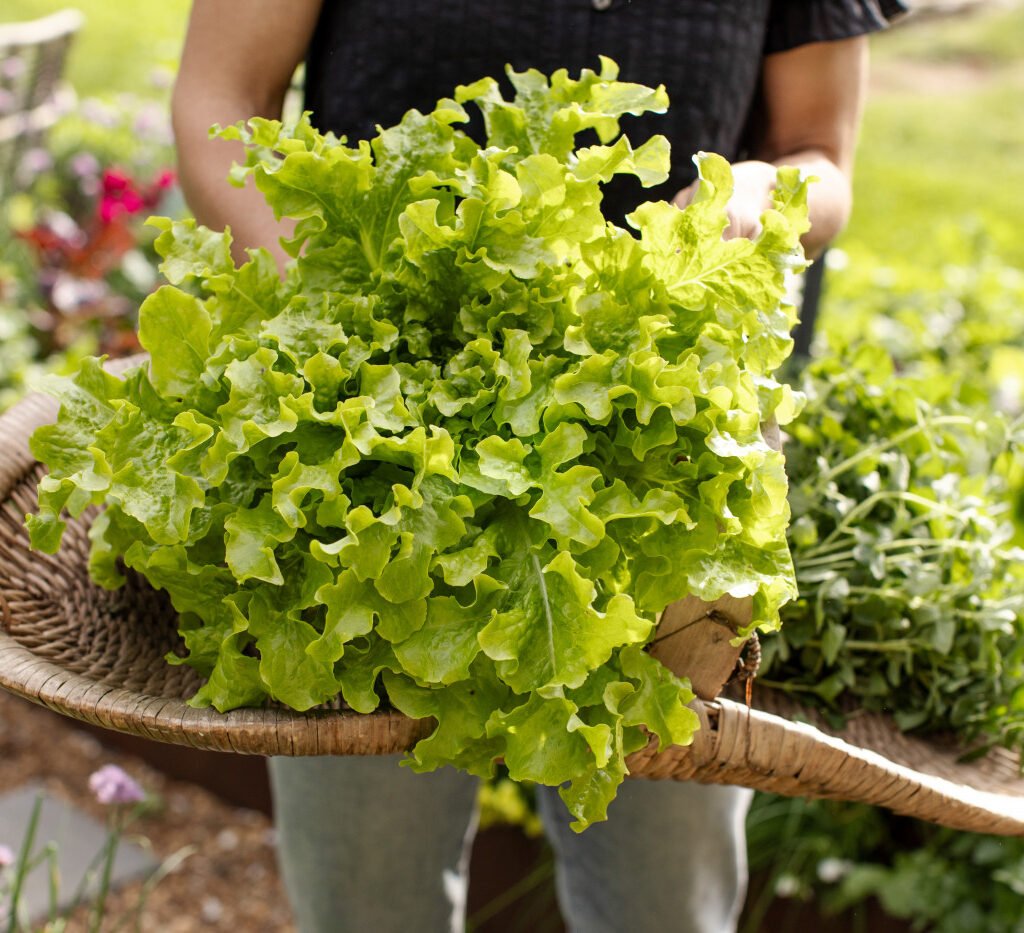
Baby butterhead lettuce loves loose, fertile, and well-draining soil. Whether you’re growing in containers, raised beds, or garden beds, good soil preparation is key to healthy growth.
Soil requirements:
- pH: Between 6.0 and 7.0.
- Texture: Light and crumbly; avoid compacted clay soils.
- Enrichment: Mix in compost, aged manure, or organic matter to boost fertility.
If growing in containers, use a high-quality potting mix enriched with compost or worm castings. You can also add a handful of coco peat or perlite to improve aeration and moisture retention.
Step 2: Sowing the Seeds
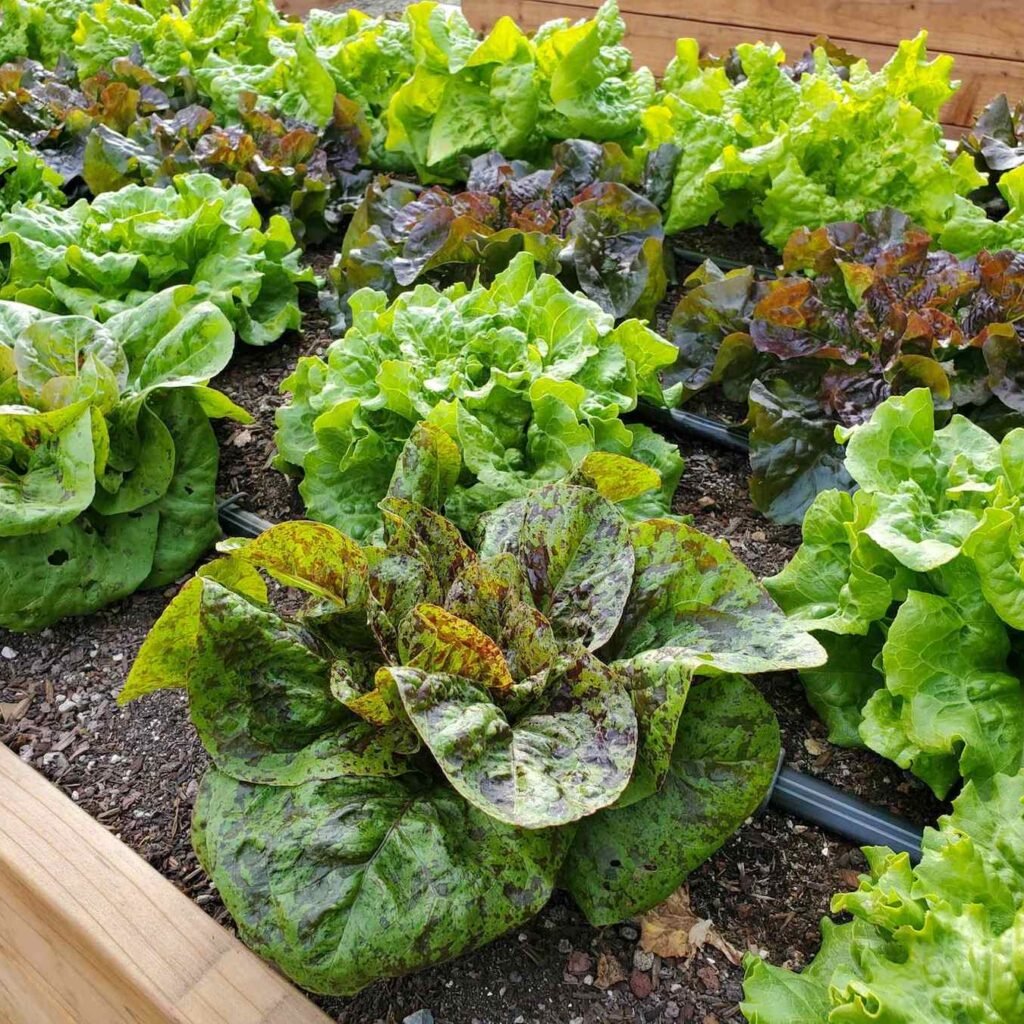
Butterhead lettuce seeds are tiny, so handle them carefully.
Direct sowing:
- Scatter seeds evenly over the prepared soil surface.
- Cover lightly with about ¼ inch of fine soil or compost.
- Water gently using a spray bottle or fine nozzle to avoid washing seeds away.
Indoor sowing (for transplanting later):

- Fill seed trays or small pots with moist seed-starting mix.
- Place 2–3 seeds per cell and lightly cover.
- Keep in a warm, bright spot (around 18–21°C or 65–70°F).
- Seeds usually germinate in 7–10 days.
Once seedlings have 2–3 true leaves, thin or transplant them to their final growing spot.
Step 3: Transplanting and Spacing
If you started seeds indoors, transplant them once they’re strong enough and outdoor temperatures are mild. Harden them off by exposing the seedlings to outdoor conditions for a few hours each day for a week before transplanting.
Spacing:
- For baby lettuce: Space plants 6–8 inches apart.
- For full heads: Space 10–12 inches apart.
Gently lift each seedling, keeping the root ball intact, and plant it at the same depth as it was growing in the tray. Press soil gently around the roots and water thoroughly after transplanting.
Step 4: Watering and Moisture Management
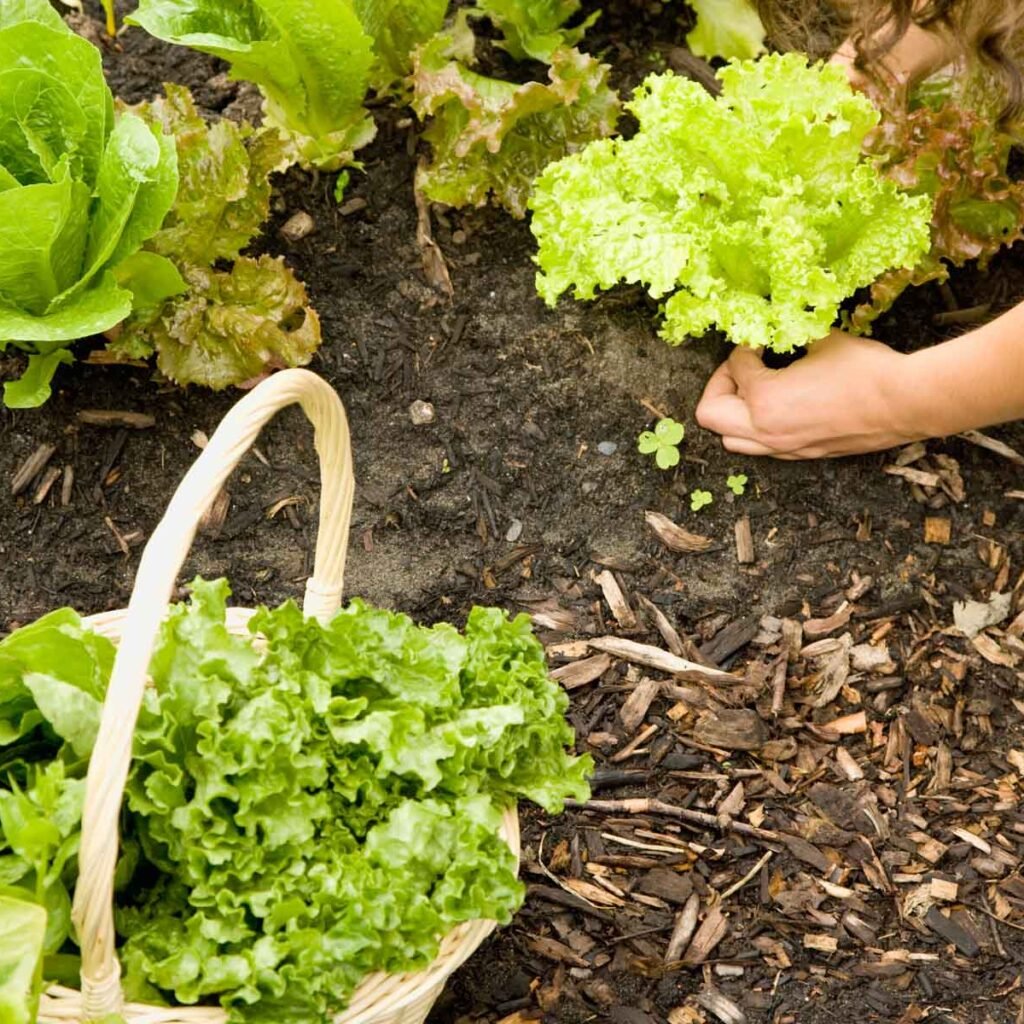
Lettuce has shallow roots and needs consistent moisture to develop tender, sweet leaves.
Tips for proper watering:

- Keep the soil consistently moist but not soggy.
- Water early in the morning to avoid fungal issues.
- In hot weather, consider mulching with straw or dried leaves to keep soil cool and retain moisture.
Avoid letting the soil dry out completely, as this can cause the lettuce to turn bitter or bolt (produce flowers prematurely).
Step 5: Sunlight and Temperature Needs
Butterhead lettuce grows best in cool conditions, ideally between 15–21°C (60–70°F).
Sunlight requirements:
- Needs 4–6 hours of sunlight daily.
- In hot climates, provide partial shade or use a shade cloth to protect from afternoon heat.
- In cooler regions, full sun exposure helps boost growth.
If you’re growing indoors, place containers near a bright window or use LED grow lights for about 12–14 hours daily.
Step 6: Feeding Your Lettuce Plants
While lettuce doesn’t need heavy feeding, a little nutrient boost helps produce lush, green leaves.
Fertilizing tips:

- Apply a balanced liquid fertilizer (10-10-10) every two weeks.
- Organic gardeners can use diluted fish emulsion or compost tea.
- Avoid high-nitrogen fertilizers right before harvest, as they can make leaves too soft or reduce flavor.
You can also top-dress your soil with compost every few weeks to replenish nutrients naturally.
Step 7: Pest and Disease Control
Like most leafy greens, butterhead lettuce is occasionally visited by pests. Common issues include:
- Aphids: Tiny insects that cluster on leaf undersides.
- Remedy: Spray with neem oil or soapy water.
- Slugs and snails: They love moist conditions and tender leaves.
- Remedy: Use crushed eggshells or copper tape around pots.
- Leaf miners: They tunnel inside leaves, leaving white trails.
- Remedy: Remove affected leaves promptly.
Fungal problems such as downy mildew can occur if leaves stay wet for too long. Ensure good airflow and avoid overhead watering to prevent them.
Step 8: Harvesting Baby Butterhead Lettuce
The best part of growing baby butterhead lettuce is how quickly you can harvest it!
Harvest timing:
- Baby lettuce is ready in 35–45 days after sowing.
- For the “cut-and-come-again” method, start harvesting when leaves are 4–6 inches tall.
- Cut outer leaves with clean scissors, leaving the center intact so the plant continues to grow.
If you prefer to harvest the whole head, wait until it forms a small, loose rosette about 6–8 inches across. Gently pull or cut the entire plant at the base.

Freshly harvested baby butterhead lettuce should be rinsed in cool water and stored in the refrigerator, where it will stay crisp for up to a week.
Step 9: Succession Planting for Continuous Harvest
To enjoy a steady supply of tender leaves, try succession planting — sow new seeds every 2–3 weeks. This ensures you always have young lettuce ready to harvest while older plants mature.
Butterhead lettuce grows quickly, so rotating your plantings helps maximize yield without overcrowding.
Bonus Tips for Better Growth
- Use light-colored containers if growing in hot climates — they reflect heat and keep roots cool.
- Avoid overcrowding, which reduces air circulation and promotes disease.
- Harvest early in the morning for the crispest, sweetest leaves.
- Don’t let plants bolt — once lettuce starts flowering, the leaves turn bitter.
- Try hydroponic or water-based growing indoors for soil-free, clean lettuce production.
Conclusion
Growing baby butterhead lettuce from seed is one of the most rewarding and accessible gardening experiences — even for beginners. With a little care, consistent moisture, and protection from harsh heat, you’ll be rewarded with tender, buttery leaves that are as beautiful as they are delicious.
Whether you grow it in a backyard bed, a balcony planter, or a recycled plastic container, this lush green will not only elevate your meals but also your gardening confidence.

Leave A Comment