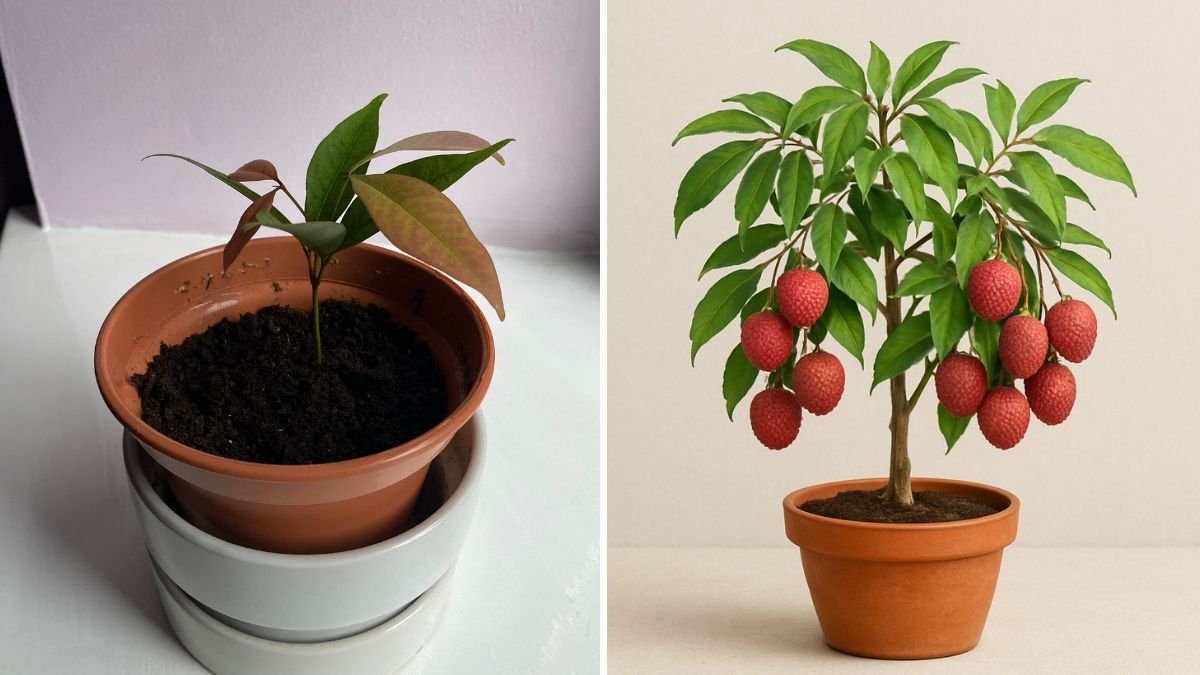
Lychee, with its juicy sweetness, fragrant aroma, and bright red skin, is one of the most loved tropical fruits in the world. Native to southern China and Southeast Asia, lychee (Litchi chinensis) is often seen as a challenging tree to grow at home because it’s traditionally cultivated in warm, humid orchards. But with the right method, patience, and care, you can successfully grow a lychee plant even in a plastic container—right on your balcony, terrace, or small garden space.
This complete guide will walk you through how to grow a healthy lychee plant in a plastic container, from seed or sapling to a thriving fruit-bearing tree.
Understanding the Lychee Plant

Lychee is a subtropical evergreen tree that can grow up to 30–40 feet tall in nature. However, when grown in containers, it remains compact, making it suitable for small gardens or patios. The tree produces glossy green leaves, tiny fragrant flowers, and clusters of round fruits with rough red skin and translucent, juicy flesh.
The fruit has a delightful balance of sweetness and floral fragrance that makes it a summer favorite. Aside from its delicious flavor, lychee is also rich in vitamin C, antioxidants, and minerals that support immunity and skin health.
Why Grow Lychee in a Plastic Container?
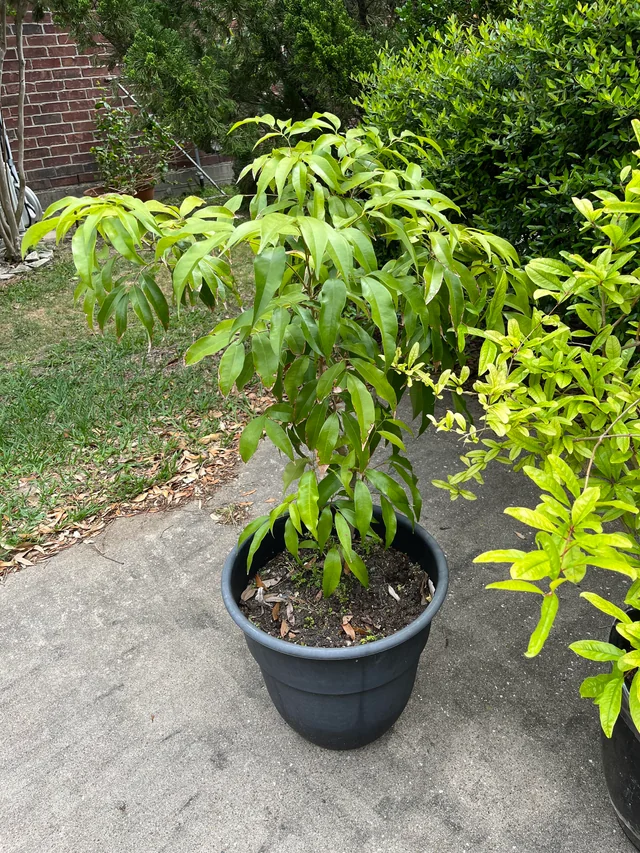
Growing lychee in a plastic container offers several advantages, especially if you have limited space or live in an area with changing weather conditions.
- Space Efficiency: Perfect for balconies, terraces, or patios.
- Mobility: You can move the plant to protect it from cold or excessive rain.
- Controlled Growth: Container gardening keeps the tree compact and manageable.
- Easy Maintenance: Pruning, watering, and fertilizing are easier to control.
Plastic containers, in particular, are lightweight, durable, and retain moisture better than clay pots, making them ideal for tropical plants like lychee.
Selecting the Right Container
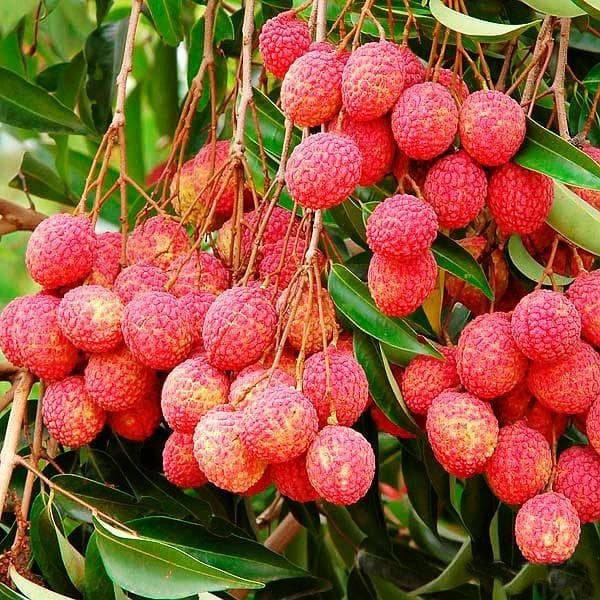
For growing lychee successfully, the container size matters a lot.
- Size: Start with a 15–20-inch-deep plastic pot for young plants and upgrade to a 24–30-inch-deep container as it grows.
- Drainage: Ensure the container has several holes at the bottom to prevent waterlogging.
- Material: Choose high-quality UV-resistant plastic pots to withstand sunlight and humidity.
Adding a saucer underneath the container helps catch excess water and maintain cleanliness.
Choosing the Right Lychee Variety

There are several lychee varieties, but for container growing, choose compact or dwarf types that adapt well to restricted root space.
Popular varieties for home gardens include:
- ‘Brewster’ – Vigorous and high-yielding.
- ‘Mauritius’ – Early ripening and disease-resistant.
- ‘Emperor’ – Large fruit and compact tree size (perfect for containers).
- ‘Hak Ip’ – Sweet and juicy, great for warm climates.
If possible, get a grafted sapling from a nursery rather than starting from seed, as grafted plants fruit faster and more reliably.
Soil Preparation
Lychee plants prefer slightly acidic, well-draining soil rich in organic matter. Avoid heavy clay soils that retain too much water.
For the best potting mix, combine:
- 40% garden soil
- 30% organic compost or well-rotted manure
- 20% coarse sand or perlite for drainage
- 10% cocopeat for moisture retention
Before planting, mix in a handful of bone meal or slow-release organic fertilizer to boost early root development.
Planting the Lychee
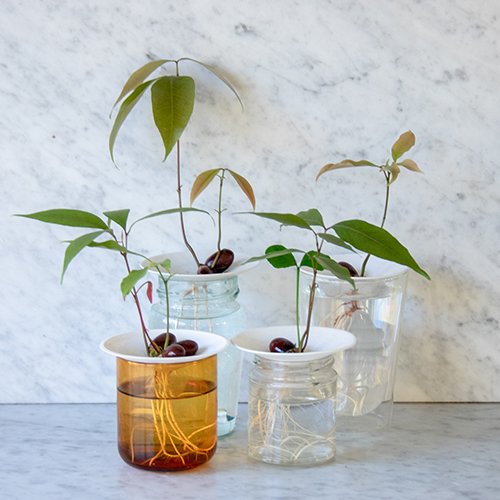
You can grow lychee from seeds or nursery saplings.
From Seeds:
- Extract seeds from fresh, ripe lychees.
- Wash and dry them for 24 hours.
- Plant each seed 1 inch deep in moist soil.
- Keep the container in a warm, shaded area.
- Germination usually occurs within 10–20 days.
However, seed-grown lychee plants can take 7–10 years to produce fruit and may not match the quality of the parent fruit.
From Saplings (Recommended):
- Fill the plastic container with the prepared potting mix.
- Place the sapling in the center, keeping the root ball intact.
- Gently press the soil around the base and water thoroughly.
- Place the container in a bright spot with indirect sunlight for the first week.
After a few days, gradually move the plant to full sun.
Sunlight and Temperature Requirements
Lychee trees love warmth and sunlight.
- Sunlight: Provide at least 6–8 hours of direct sunlight daily.
- Temperature: Ideal range is 20°C–35°C (68°F–95°F).
- Protection: Avoid exposing the plant to temperatures below 5°C (41°F) as frost can damage young leaves and roots.
During winter, move the container indoors or cover it with a frost cloth to keep it warm.
Watering the Lychee Plant
Lychee needs regular watering, especially during the growing and flowering seasons.
- Keep the soil consistently moist but not soggy.
- Water deeply 2–3 times per week in summer.
- Reduce watering slightly in winter when growth slows.
Use mulch (dry leaves, straw, or coco husk) around the base to retain moisture and regulate soil temperature.
Fertilizing Your Lychee
Lychee plants are heavy feeders, especially during their growing phase. Use organic fertilizers to promote healthy root and fruit development.
Fertilizer schedule:
- Every 6–8 weeks: Apply a balanced organic fertilizer (NPK 10-10-10).
- During fruiting season: Add potassium-rich fertilizer (like banana peel compost or K-Mag).
- Twice a year: Top-dress with compost or cow manure.
Avoid over-fertilization—it can cause lush leaf growth but reduce flowering and fruiting.

Pruning and Maintenance
Pruning keeps your container-grown lychee healthy, attractive, and productive.
- After Harvest: Prune dead or overcrowded branches to maintain airflow.
- Shape Maintenance: Trim long shoots to encourage bushier growth.
- Height Control: Cut back the top branches if the plant grows too tall for the container.
Always use clean, sharp pruning shears to avoid infections.
Pollination and Flowering
Lychee plants produce small, fragrant yellowish-white flowers in clusters, usually in spring. These flowers attract bees and other pollinators, which are essential for fruit set.
If pollinators are limited in your area, gently shake the branches during blooming to help distribute pollen manually.
Grafted plants typically start flowering and fruiting within 3–5 years, while seed-grown trees may take longer.
Pest and Disease Control
While lychee plants are relatively hardy, they can occasionally attract pests and diseases.
Common pests:
- Aphids & Mites: Cause curling or yellowing of leaves. Spray neem oil solution weekly.
- Fruit Flies: Cover developing fruits with paper bags or netting.
- Scale Insects: Wipe leaves with a mixture of mild soap and water.
Common diseases:
- Root Rot: Avoid overwatering and ensure good drainage.
- Leaf Spot: Remove infected leaves and spray with organic fungicide.
Maintaining clean surroundings and pruning regularly can prevent most issues.
Fruit Development and Harvesting
Once your lychee plant starts fruiting, it’s a rewarding experience.
- Fruiting Period: Usually occurs in early summer (May–July in warm regions).
- Fruit Ripening: Takes about 100–120 days after flowering.
- Harvesting Time: When the outer shell turns bright red and feels firm.
Use scissors or pruning shears to gently cut the fruit clusters. Handle carefully to prevent bruising.
Freshly harvested lychees can be eaten raw, added to fruit salads, or used in desserts, juices, and jams.
Growing Lychee in Plastic Containers: Pro Tips
Here are a few essential care tips for long-term success:
- Repot Every 2–3 Years: As the plant grows, refresh the soil and move it to a slightly larger container.
- Support Young Plants: Use a small stake to protect them from strong winds.
- Use Rainwater or Filtered Water: Lychee plants are sensitive to chlorine and fluoride in tap water.
- Maintain Humidity: Mist the leaves occasionally during dry seasons to mimic tropical humidity.
- Don’t Disturb Roots: Lychee has delicate roots—avoid frequent transplanting or root trimming.
Health Benefits of Lychee
Lychee is not just a delicious fruit—it’s packed with nutrients that promote overall health.
- Boosts Immunity: High in Vitamin C and antioxidants.
- Improves Digestion: Rich in dietary fiber.
- Supports Heart Health: Contains potassium and polyphenols.
- Enhances Skin Glow: Natural antioxidants reduce signs of aging.
- Hydrates the Body: Its juicy texture helps prevent dehydration in summer.
A small bowl of lychees provides a refreshing and nutritious treat without many calories.
Final Thoughts
Growing a lychee plant in a plastic container may take patience, but the results are incredibly rewarding. With consistent care, proper sunlight, and good watering habits, you can enjoy a thriving tropical fruit tree right at home—no large garden required.

Whether you grow it for its luscious fruits or ornamental beauty, the lychee plant adds a touch of tropical elegance to any space. Start with a quality sapling, nurture it carefully, and in a few years, you’ll be harvesting sweet, homegrown lychees from your very own container garden.
Would you like me to add a 155-character SEO meta description and Pinterest/YouTube captions for this post? These will help boost visibility if you plan to publish it online.

Leave A Comment