
If you love crunchy, crisp salads, there’s nothing quite like freshly harvested romaine lettuce straight from your garden. Even better, you don’t need a large backyard or fancy equipment to grow it! With the right setup, you can easily grow romaine lettuce in containers and enjoy multiple harvests throughout the season. This leafy green thrives in pots, raised planters, and even recycled containers — perfect for small-space gardeners.
In this complete guide, we’ll walk you through how to grow romaine lettuce in containers, from seed to harvest, including tips to help you harvest again and again for a continuous supply of delicious greens.
Why Grow Romaine Lettuce in Containers?
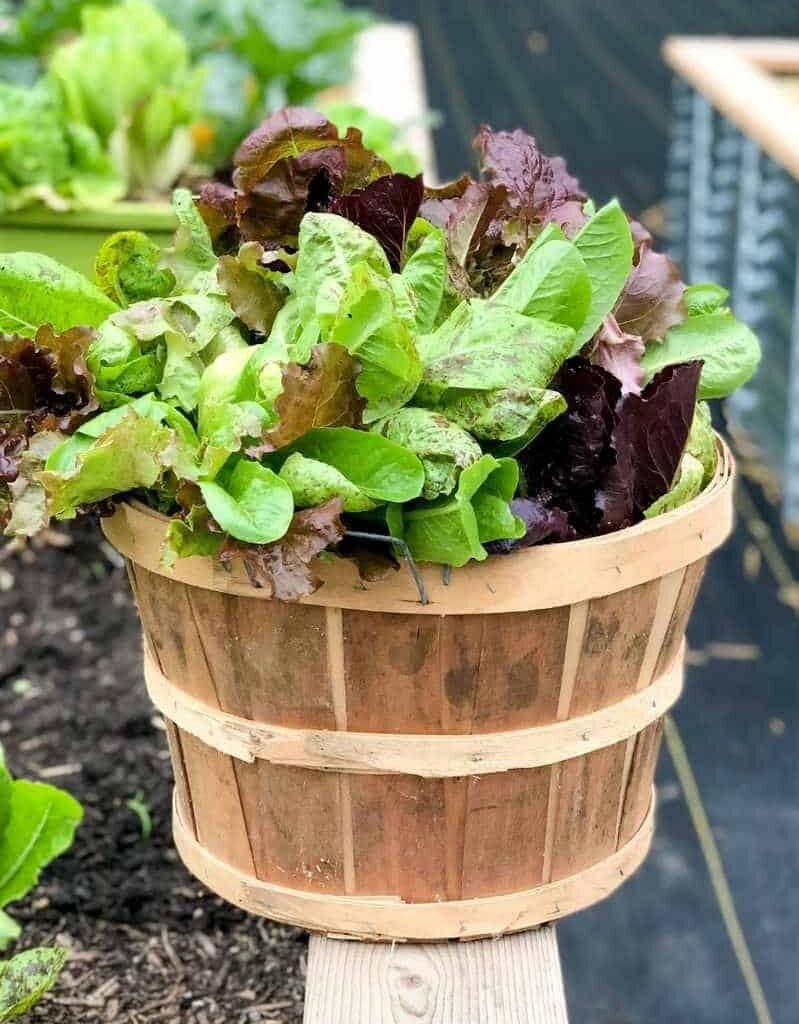
Romaine lettuce (Lactuca sativa var. longifolia) is one of the most popular salad greens for its firm ribs, crisp texture, and slightly sweet taste. Growing it in containers offers several advantages:
- Space-saving: Perfect for balconies, patios, and rooftops.
- Pest control: Easier to protect from snails, slugs, and soil-borne diseases.
- Moisture control: You can easily manage watering for consistent growth.
- Continuous harvest: You can pick outer leaves regularly while the plant keeps producing new ones.
- Mobility: Move containers to follow sunlight or protect from heat.
With a little care, container-grown romaine lettuce can provide a steady stream of fresh, crunchy leaves all season long.
Step 1: Choosing the Right Container
Romaine lettuce doesn’t have deep roots, but it does appreciate space to spread out.
Container size:
- Minimum depth: 8–10 inches.
- Width: 12 inches or more per plant for full-sized heads.
- Drainage: Ensure your pot has good drainage holes to prevent waterlogging.
Material:

- Terracotta and ceramic pots keep roots cool in warm weather.
- Plastic or recycled containers retain moisture better in dry climates.
- You can even use grow bags, old buckets, or plastic tubs with drilled holes at the bottom.
For best results, use wide, shallow containers for baby romaine, and deeper ones for full heads.
Step 2: Preparing the Perfect Soil Mix
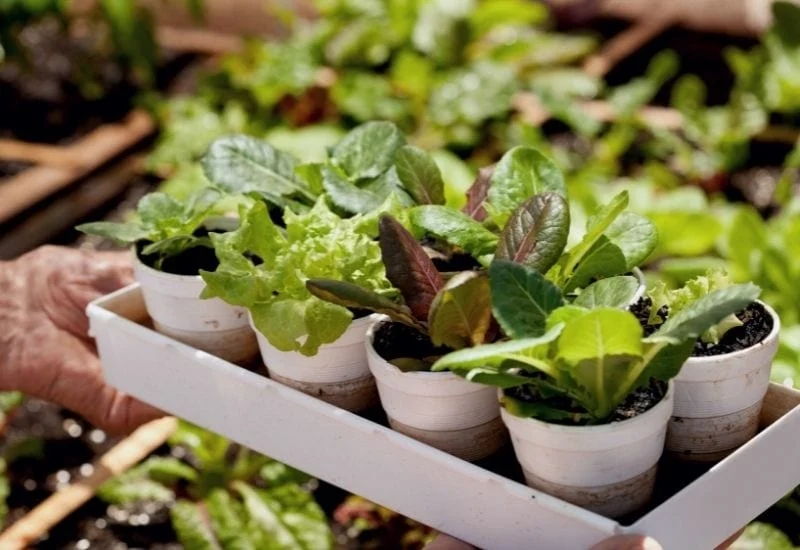
Romaine lettuce thrives in loose, well-draining, and nutrient-rich soil.
Ideal soil mix:
- 1 part garden soil or potting mix
- 1 part compost or organic manure
- 1 part coco peat or perlite (for moisture retention and aeration)
The pH should be between 6.0 and 7.0. Before planting, mix in a handful of slow-release organic fertilizer or vermicompost to provide a nutrient boost.
Step 3: Sowing the Seeds or Transplanting Seedlings
You can start romaine lettuce directly in containers or begin with seedlings.
Direct sowing:
- Scatter seeds evenly over the soil surface.
- Lightly press them into the soil — they need light to germinate, so don’t bury them too deep.
- Cover with a thin layer of fine compost or soil (about ¼ inch).
- Mist gently to keep the top layer moist.
Seeds usually germinate in 7–10 days. Once seedlings appear, thin them to about 6–8 inches apart for baby leaves or 10–12 inches apart for full heads.

Transplanting:
If you start seeds indoors, transplant them after they have 2–3 true leaves. Handle them gently and avoid damaging roots during transplanting.
Step 4: Watering for Healthy Growth

Lettuce has shallow roots and requires consistent moisture to grow tender and crisp leaves.
Watering tips:
- Water daily or every other day, especially in warm weather.
- Keep the soil moist but not waterlogged.
- Use a watering can with a fine spout or a spray nozzle to prevent disturbing seedlings.
- Avoid overhead watering late in the evening to reduce the risk of fungal diseases.
If your climate is hot, mulch the soil surface with dried leaves or straw to retain moisture and keep roots cool.
Step 5: Sunlight and Temperature Needs
Romaine lettuce loves cool weather and bright, indirect sunlight.
- Ideal temperature range: 15°C to 21°C (60°F to 70°F).
- In cooler months, place containers in full sun.
- During hot summers, move them to a semi-shaded area or use a shade cloth.
If you’re growing indoors, place pots near a south-facing window or under LED grow lights for at least 12–14 hours of light per day.
Step 6: Feeding Your Romaine Lettuce
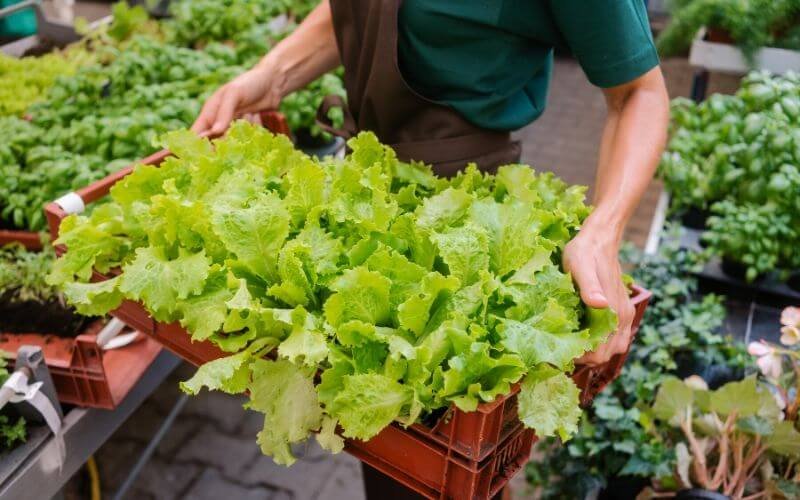
To encourage lush, green growth, romaine lettuce needs a regular supply of nutrients.

Fertilizing schedule:
- Apply a balanced liquid fertilizer (10-10-10 or 5-5-5) every 2 weeks.
- For organic feeding, use compost tea, seaweed extract, or diluted fish emulsion.
- Avoid over-fertilizing, as it can lead to overly soft leaves and reduce crispness.
Adding a thin layer of compost every 3–4 weeks helps replenish nutrients naturally.
Step 7: Managing Pests and Diseases
Container gardening makes pest control easier, but you still need to stay alert for common lettuce enemies.
Common pests:
- Aphids: Tiny green or black insects on leaf undersides.
- Remedy: Spray with neem oil or mild soapy water.
- Slugs and snails: Feed on tender leaves.
- Remedy: Use crushed eggshells or copper tape around containers.
- Whiteflies: These small pests can weaken plants.
- Remedy: Yellow sticky traps or neem spray.
Fungal diseases like mildew can appear in humid conditions. Ensure proper air circulation, avoid overcrowding, and water early in the day to keep foliage dry.
Step 8: Harvesting Romaine Lettuce — Again and Again!

One of the best parts of growing romaine lettuce in containers is that you can harvest it multiple times using different methods.
1. Cut-and-Come-Again Method
- Start harvesting when leaves are about 4–6 inches tall.
- Use clean scissors to cut outer leaves, leaving the inner leaves intact.
- The plant will continue producing new leaves from the center, allowing you to harvest again every 7–10 days.
2. Whole-Head Harvest
- For mature heads, wait 60–70 days after sowing.
- Cut the entire head just above the soil line.
- Leave the base intact — new shoots often sprout from it, giving you a second or even third harvest.
3. Leaf-by-Leaf Harvest
- Pick individual mature leaves as needed for fresh salads.
- This encourages the plant to keep growing for weeks.
After harvesting, rinse leaves in cool water and store them in the refrigerator wrapped in a damp towel to retain crispness.

Step 9: Encouraging Regrowth After Harvest
To keep your romaine lettuce producing longer:
- After cutting, feed with a light dose of compost tea to replenish nutrients.
- Keep the soil evenly moist.
- Move the container to a cooler, shaded spot to reduce stress.
- Within a week, new leaves will begin sprouting from the center.
You can repeat this regrowth process 2–3 times before the plant starts to bolt (produce flowers).
Step 10: Extending the Growing Season
If you want fresh lettuce year-round, try succession planting:
- Sow new seeds every 2–3 weeks.
- This ensures a continuous harvest even as older plants mature.
- In hot months, grow in a shaded area or indoors with grow lights.
In cooler regions, cover containers with a mini greenhouse or cold frame to extend the growing period into early winter.
Common Growing Mistakes to Avoid
- Overwatering or waterlogging: Causes root rot and fungal problems.
- Too much heat: Leads to bitter leaves or bolting.
- Overcrowding: Reduces airflow and increases disease risk.
- Neglecting fertilization: Leads to pale, stunted plants.
- Harvesting too late: Leaves can become tough and bitter if left too long.
Keep an eye on your plants and adjust light, water, and feeding as needed.
Creative Container Ideas for Romaine Lettuce
Don’t limit yourself to standard pots — romaine grows beautifully in a variety of recycled or DIY containers! Try these ideas:
- Old buckets or paint cans (with holes drilled in the bottom).
- Wooden crates lined with landscape fabric.
- Plastic tubs, PVC pipes, or grow bags for vertical gardens.
- Hydroponic or Kratky setups for soil-free indoor growing.
These creative solutions not only save space but also add charm to your home garden.

Health Benefits of Fresh Romaine Lettuce
Besides being easy to grow, romaine lettuce is incredibly healthy. It’s:
- Low in calories and high in fiber.
- Packed with vitamins A, C, and K, folate, and potassium.
- Rich in antioxidants that support heart and skin health.
- Hydrating — thanks to its 90% water content.
Freshly harvested romaine from your own containers ensures you’re eating the healthiest, pesticide-free greens possible.
Conclusion
Learning how to grow romaine lettuce in containers is a rewarding way to enjoy endless fresh greens — right at your doorstep. With the right container, nutrient-rich soil, consistent watering, and regular harvesting, you can enjoy crisp, flavorful leaves again and again throughout the season.
Whether you live in a small apartment or have a compact balcony garden, romaine lettuce is the perfect crop for your container garden. It’s fast-growing, nutritious, and easy to regrow — a true gift that keeps on giving.
So grab a pot, sprinkle some seeds, and start your container garden today. Before long, you’ll be harvesting

Leave A Comment