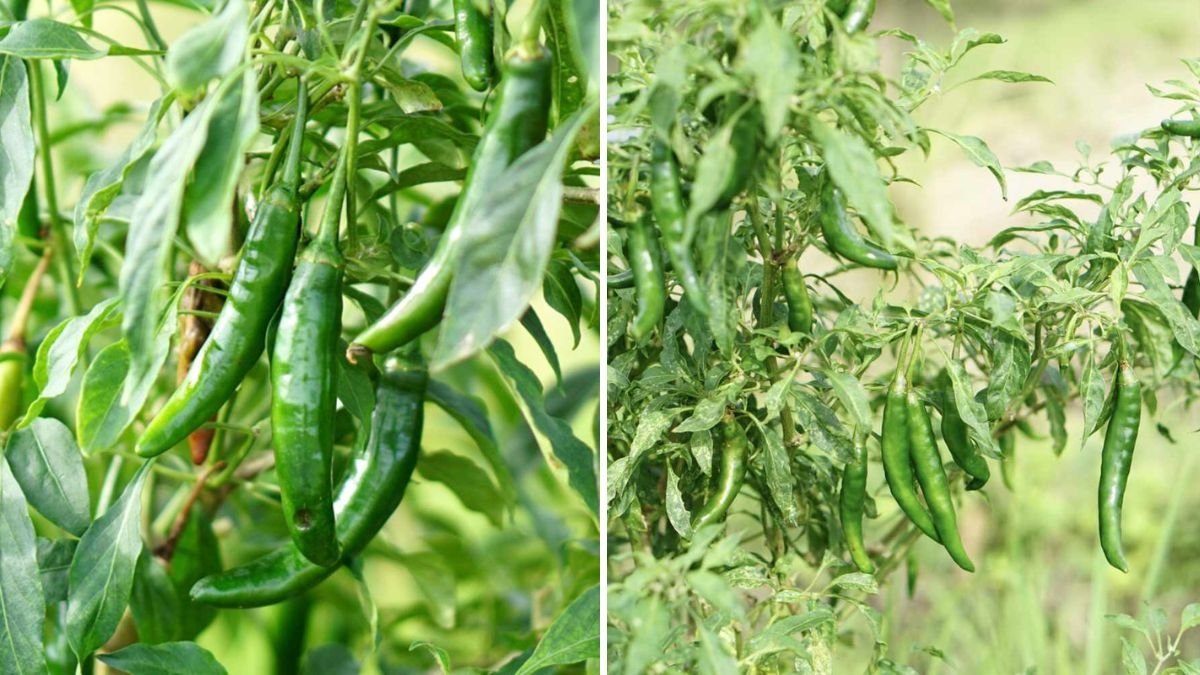
If you love spicy food, few peppers can match the sharp, clean heat of the Serrano pepper. Known for their bright flavor and moderate kick, Serrano peppers are perfect for salsas, sauces, and stir-fries. The best part? You don’t need a big garden to grow them — Serrano peppers thrive beautifully in containers, even on small balconies or patios.
In this complete guide, you’ll learn everything you need to know about how to grow Serrano peppers in containers, from seed starting to harvesting. Whether you’re a beginner or an experienced gardener, these tips will help you grow healthy, productive plants that deliver a steady supply of fiery chilies all season long.
Introduction to Serrano Peppers
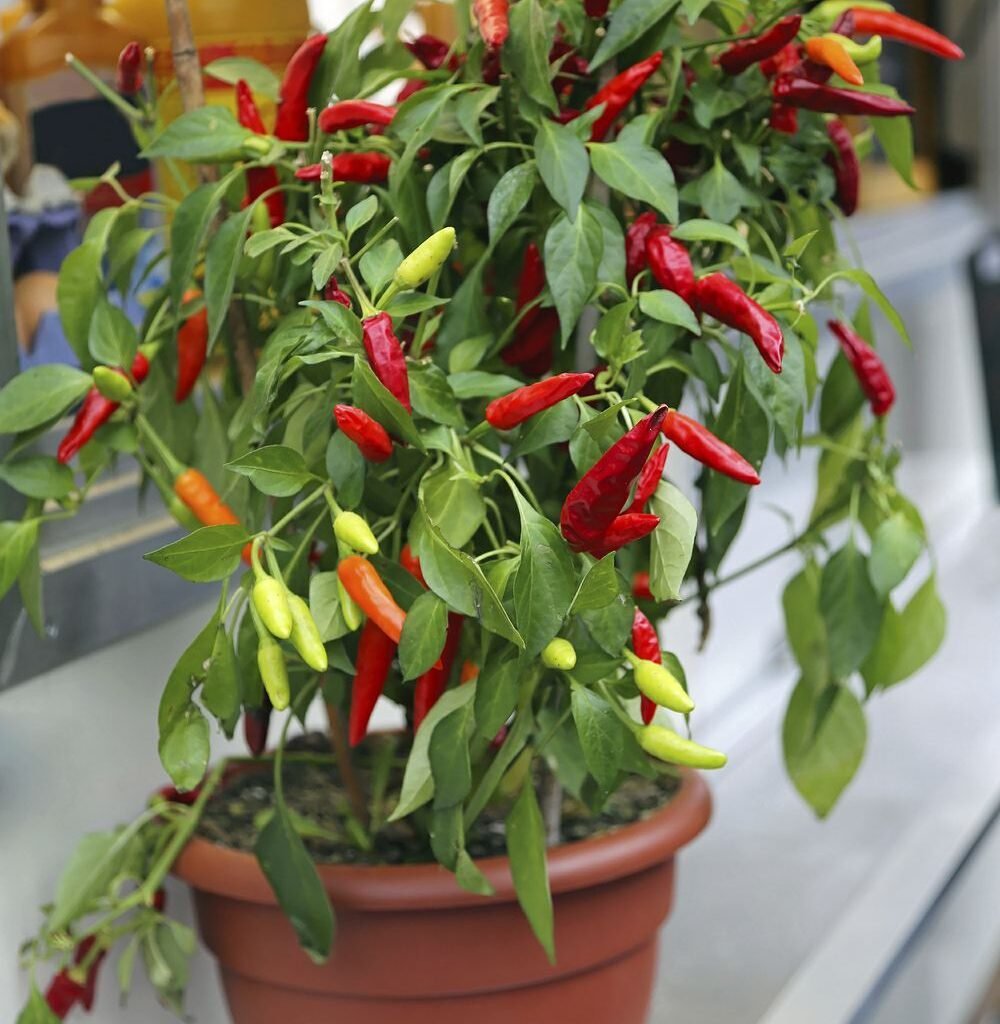
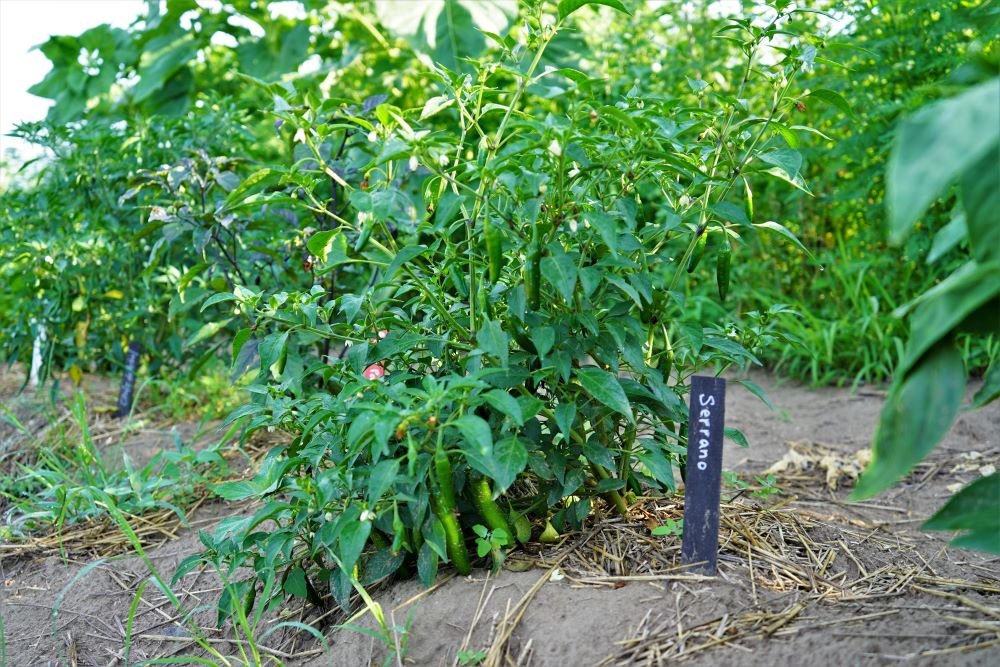
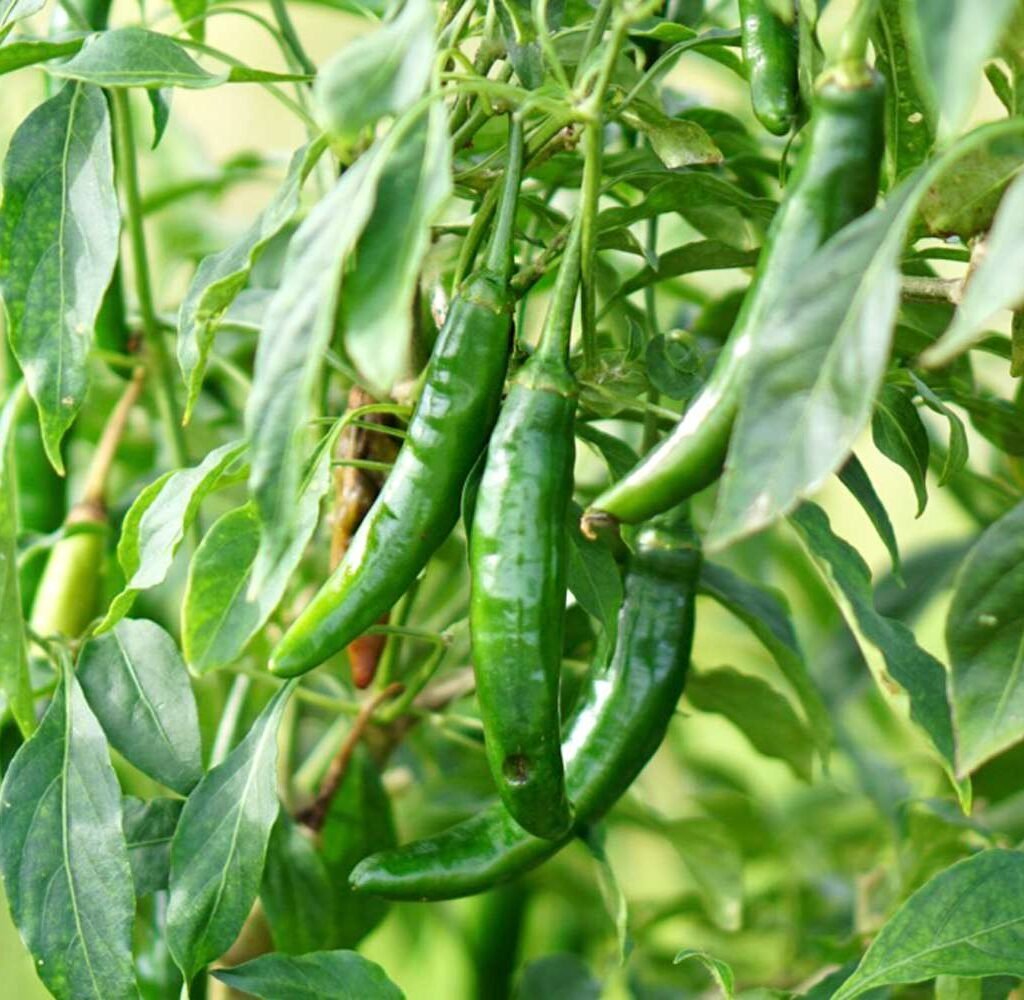
Serrano peppers (Capsicum annuum) are small, slender chili peppers native to the mountains of Puebla and Hidalgo in Mexico. They measure about 2–3 inches long and have a crisp, bright flavor with a heat level between 10,000 and 23,000 Scoville Heat Units (SHU) — hotter than jalapeños but milder than cayenne.
Because of their compact growth habit, Serranos are ideal for container gardening, allowing you to grow fresh chilies right outside your kitchen window.
Why Grow Serrano Peppers in Containers?
Growing Serrano peppers in containers has several advantages:
- Space Efficiency: Perfect for small spaces like balconies, patios, or rooftops.
- Pest Control: Container-grown plants are easier to protect from soil-borne pests and diseases.
- Mobility: You can move the pots to ensure they receive the best sunlight or shelter from heavy rain.
- Soil Control: You can customize the soil mix for optimal growth and drainage.
Whether you’re growing them in 5-gallon buckets, ceramic pots, or grow bags, Serrano peppers are versatile and rewarding container plants.
Choosing the Right Container
The right pot makes a big difference in how well your Serrano plants grow. Here’s what you need:
- Container Size: Use a container at least 12 inches deep and 12–14 inches wide (about 5 gallons).
Serrano peppers have strong root systems, so they need room to spread out. - Drainage: Ensure your pot has drainage holes to prevent waterlogging.
- Material: Terracotta, fabric grow bags, or plastic pots all work well, as long as they allow proper airflow and drainage.
If you want to grow multiple plants, use separate containers for each to avoid competition for nutrients.
The Best Soil Mix for Serrano Peppers
Serrano peppers prefer loose, well-draining soil that’s rich in organic matter. For container gardening, use a high-quality potting mix, not regular garden soil, as it can compact easily.
Ideal Soil Mix:
- 50% potting soil
- 25% compost or well-rotted manure
- 25% perlite or coco coir for drainage
The soil pH should be between 6.0 and 7.0 for optimal nutrient absorption. Add a handful of bone meal or worm castings before planting to boost early root growth.
Light and Temperature Requirements
Serrano peppers love warmth and sunlight.
- Sunlight: Place your container where it receives at least 6–8 hours of full sunlight daily.
- Temperature: Ideal growing temperatures range from 70°F–85°F (21°C–29°C).
- Night Temperature: Avoid letting it drop below 60°F (16°C) — peppers are sensitive to cold and may stop growing if temperatures fall too low.
If you live in a cooler region, move the containers indoors or near a sunny window when the temperature dips, or use grow lights to supplement natural light.
Starting Serrano Peppers from Seeds
Growing Serrano peppers from seed is simple with a little patience.
Step 1: Seed Starting Indoors
Start seeds indoors 8–10 weeks before your last frost date.
Fill seed trays or small pots with a light seed-starting mix and plant each seed about ¼ inch deep.
Step 2: Germination
Keep the soil warm — around 80°F (27°C) — and consistently moist. Germination typically takes 10–14 days. Using a heat mat speeds up the process.
Step 3: Transplanting
Once seedlings reach 4–6 inches tall and have a few sets of true leaves, transplant them into larger containers.
Handle them gently, keeping the root ball intact.
Before moving them outdoors, harden off the seedlings for a week by gradually exposing them to sunlight and outdoor conditions.
Watering Serrano Pepper Plants
Watering correctly is one of the most crucial aspects of growing peppers in containers.
- Consistency is key: Keep the soil evenly moist, not soggy.
- Check the topsoil: Water when the top inch feels dry to the touch.
- Avoid overwatering: Standing water causes root rot and yellow leaves.
- Use mulch: Add a thin layer of straw, compost, or coco husk mulch on top to retain moisture and reduce evaporation.
During hot summer days, you may need to water daily, but reduce frequency during cooler, cloudy weather.
Feeding and Fertilizing Serrano Peppers
Container plants depend entirely on you for nutrients, so feeding them regularly is essential.
Fertilizer Schedule:
- Before flowering: Use a balanced fertilizer like 10-10-10 (NPK) every 2–3 weeks. This promotes strong leaf and stem growth.
- After flowering begins: Switch to a low-nitrogen, high-potassium fertilizer (e.g., 5-10-10 or tomato fertilizer). This encourages more blooms and fruiting.
- Organic Options: Compost tea, fish emulsion, or liquid seaweed extract work wonderfully to keep plants healthy and productive.
Be cautious not to overfertilize — too much nitrogen leads to lush foliage but fewer peppers.
Pruning and Supporting the Plants
Though Serrano plants are compact, pruning helps them grow more productively.
Pruning Tips:
- Pinch off early flower buds until the plant is 12 inches tall to encourage strong root and branch development.
- Remove yellow or damaged leaves regularly to improve airflow.
- Trim crowded inner branches to reduce humidity and prevent fungal diseases.
Support:
As Serrano peppers begin fruiting, the branches can become heavy. Use small stakes, cages, or trellises to keep the plant upright and prevent bending or breaking.

Common Pests and Problems
Even in containers, Serrano peppers can attract some pests. Here’s how to deal with them naturally:
- Aphids: Small green insects that cluster on new leaves.
- Solution: Spray with neem oil or soapy water every few days.
- Whiteflies: Tiny flying pests that weaken plants.
- Solution: Use yellow sticky traps and neem oil sprays.
- Spider Mites: Fine webbing under leaves signals an infestation.
- Solution: Mist plants regularly and spray neem oil.
- Fungal Issues: Overwatering can cause root rot or powdery mildew.
- Solution: Ensure good drainage and avoid wetting the foliage.
Flowering but No Peppers?
If your Serrano plants are flowering but not producing fruits, here’s what could be wrong:
- Temperature Stress: Extreme heat or cold can cause flower drop.
- Keep your plants between 70°F and 85°F.
- Poor Pollination: Indoor plants or windless conditions can hinder pollination.
- Gently shake the plant or use a small brush to transfer pollen.
- Excess Nitrogen: Too much nitrogen delays fruiting.
- Switch to a phosphorus-rich fertilizer once flowers appear.
- Irregular Watering: Stress from inconsistent watering can stop fruit set.
- Keep soil evenly moist at all times.
Harvesting Serrano Peppers
Serrano peppers are typically ready to harvest 70–90 days after transplanting.
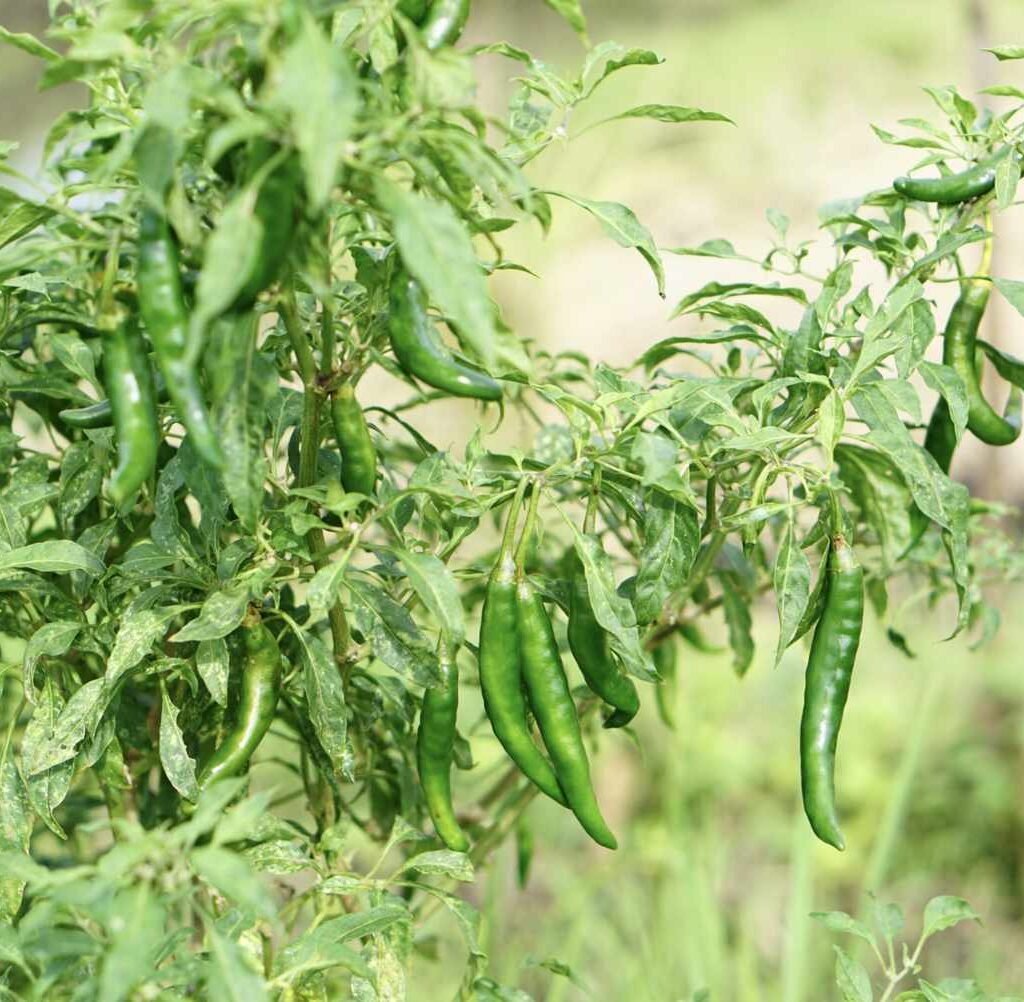
- For green Serranos: Pick when they are 2–3 inches long, glossy, and firm.
- For red Serranos: Allow them to ripen on the plant. They develop a sweeter, smokier flavor with more heat.
Use scissors or pruning shears to snip peppers off the stem — avoid pulling them to prevent plant damage.
Pro Tip: Regular harvesting encourages the plant to produce more flowers and fruits.
Post-Harvest Storage and Uses
After harvesting, Serrano peppers can be stored or preserved in several ways:

- Fresh Storage: Keep them in the refrigerator for up to 2 weeks.
- Freezing: Wash, dry, and freeze in airtight bags for long-term use.
- Drying: Air-dry or use a dehydrator for chili flakes or powder.
- Pickling: Serranos are fantastic for making tangy, spicy pickled peppers.
Use your fresh Serrano peppers in salsas, sauces, marinades, or stir-fries to add bright heat and flavor to your meals.
Tips for Growing Serrano Peppers Successfully in Containers
- Rotate Containers: Move your pots occasionally to ensure even sunlight exposure.
- Add Calcium: Sprinkle crushed eggshells or add calcium-rich fertilizer to prevent blossom end rot.
- Mulch Deeply: It helps regulate soil temperature and moisture.
- Companion Plants: Grow Serranos alongside basil or marigolds to repel pests and improve flavor.
- Harvest Regularly: Picking peppers frequently keeps the plant productive.
Final Thoughts
Growing Serrano peppers in containers is one of the easiest and most rewarding ways to enjoy fresh, spicy chilies all season long. With proper sunlight, good soil, consistent watering, and regular feeding, you can grow lush, productive plants even in limited space.
Whether you’re seasoning your salsa, spicing up tacos, or drying your harvest for homemade chili flakes, container-grown Serrano peppers bring unbeatable freshness and fiery flavor straight from your balcony or backyard garden.
Start with a few pots today, and soon you’ll be harvesting your very own vibrant, homegrown Serranos — the perfect blend of heat, flavor, and freshness!

Leave A Comment