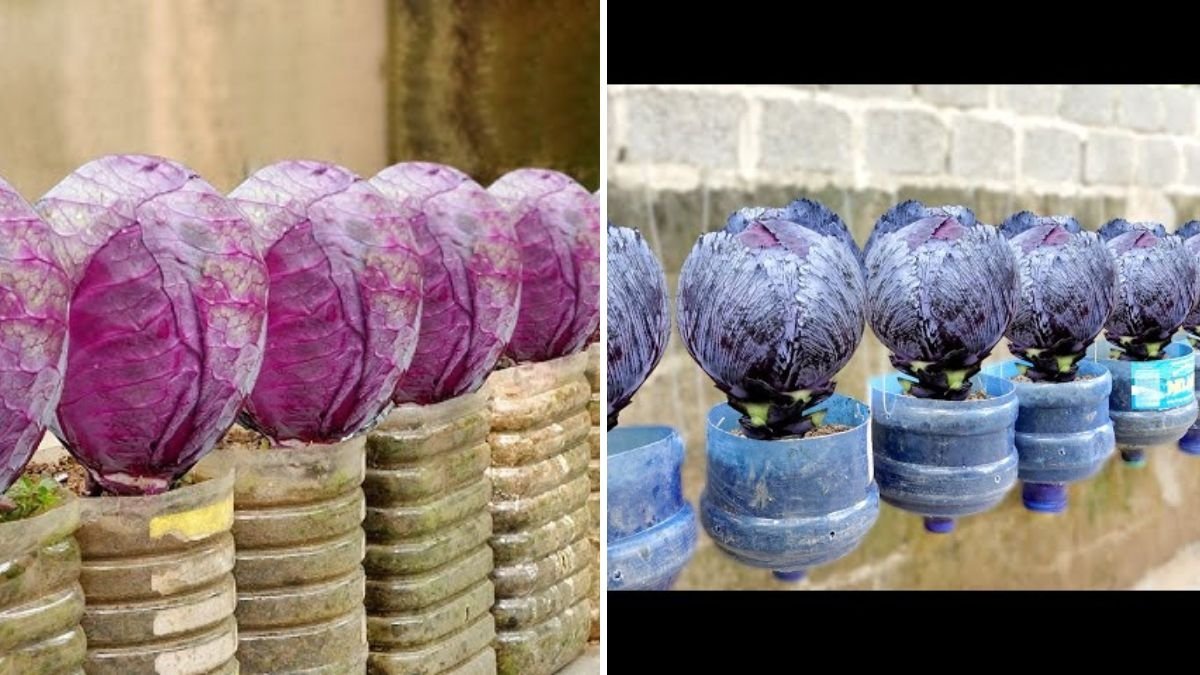
Growing your own vegetables is one of the most rewarding and satisfying experiences for any gardener. Among the many colorful and nutritious vegetables you can cultivate, purple cabbage—also known as red cabbage—stands out for its vibrant color, crisp texture, and rich flavor. This unique variety of cabbage not only adds beauty to your garden but also boosts your meals with vitamins, minerals, and antioxidants.
In this comprehensive guide, we’ll walk you through how to grow super delicious specialty purple cabbage at home, from seed selection to harvest. You’ll learn the best soil conditions, watering techniques, pest control tips, and harvesting methods to get a rich yield of these eye-catching, healthy vegetables. Whether you have a backyard garden, raised beds, or even containers, you can successfully grow purple cabbage with just a bit of care and patience.
Why Grow Purple Cabbage?

Purple cabbage (Brassica oleracea var. capitata f. rubra) is a close relative of green cabbage but with a deep reddish-purple hue caused by natural pigments called anthocyanins. These compounds are powerful antioxidants that help protect cells from damage and support overall health.
Here’s why growing purple cabbage at home is a great idea:
- Rich in nutrients: Packed with vitamin C, K, and fiber.
- Antioxidant power: Helps reduce inflammation and boosts immunity.
- Visually stunning: Its bold color adds beauty to your garden and dishes.
- Cold-tolerant: Thrives in cooler weather, making it a perfect crop for fall or early spring.
- Delicious flavor: Slightly peppery and sweet taste, excellent for salads, stir-fries, and pickles.
Plus, growing your own purple cabbage ensures you enjoy fresh, chemical-free produce straight from your garden to your kitchen.
Step 1: Choosing the Right Variety
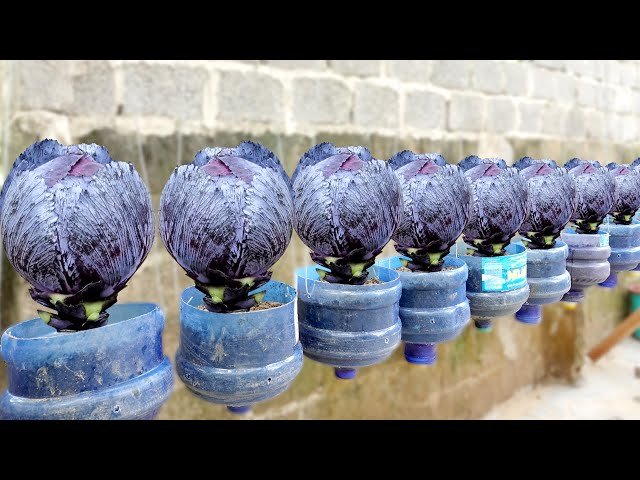
There are several varieties of purple cabbage, and choosing the right one can make a big difference in your harvest. Some popular options include:
- ‘Red Express’ – Early-maturing (around 60 days) and ideal for small spaces or containers.
- ‘Ruby Perfection’ – Medium-sized, uniform heads, excellent for home gardens.
- ‘Integro’ – Disease-resistant and produces dense, firm heads.
- ‘Scarlet O’Hara’ – Gorgeous deep purple color and crisp texture.
For home growing, ‘Red Express’ or ‘Ruby Perfection’ are highly recommended due to their compact size and fast growth.

Step 2: Preparing the Soil
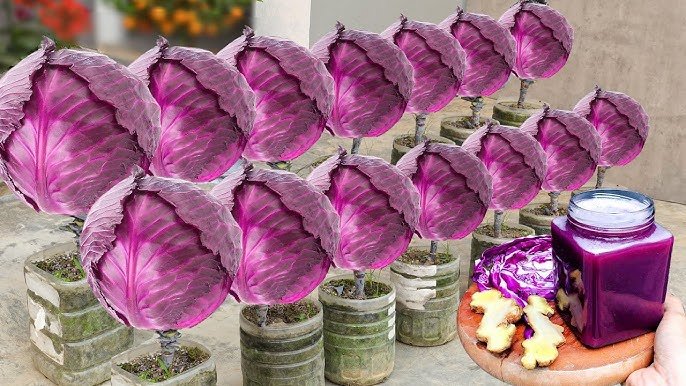
Purple cabbage grows best in fertile, well-drained soil that’s rich in organic matter. The ideal soil pH is 6.0 to 6.8, slightly acidic.
Soil Preparation Steps:
- Loosen the soil to a depth of 10–12 inches to encourage strong root growth.
- Mix in compost or organic manure (about 2–3 inches thick) to improve soil texture and nutrient content.
- Add lime if your soil is too acidic, as cabbages prefer neutral to slightly acidic conditions.
- Ensure good drainage — cabbage roots dislike standing water. Raised beds or containers with drainage holes work best if you have heavy clay soil.
A nutrient-rich soil base will help your purple cabbage grow faster and develop firm, healthy heads.
Step 3: Starting Seeds or Transplants
You can grow purple cabbage from seeds or buy ready-to-plant seedlings from a nursery.
If Starting from Seeds:
- Start seeds indoors 6–8 weeks before the last frost.
- Fill seed trays or small pots with seed-starting mix.
- Sow seeds ¼ inch deep and lightly cover with soil.
- Keep the soil consistently moist and warm (around 20°C or 68°F).
- Germination usually takes 7–10 days.
Once seedlings have 2–3 true leaves, harden them off by gradually exposing them to outdoor conditions for a week before transplanting.
If Using Transplants:
Buy healthy, disease-free seedlings with strong stems and dark green leaves. Avoid those that are leggy or yellowing.
Step 4: Transplanting into the Garden or Containers
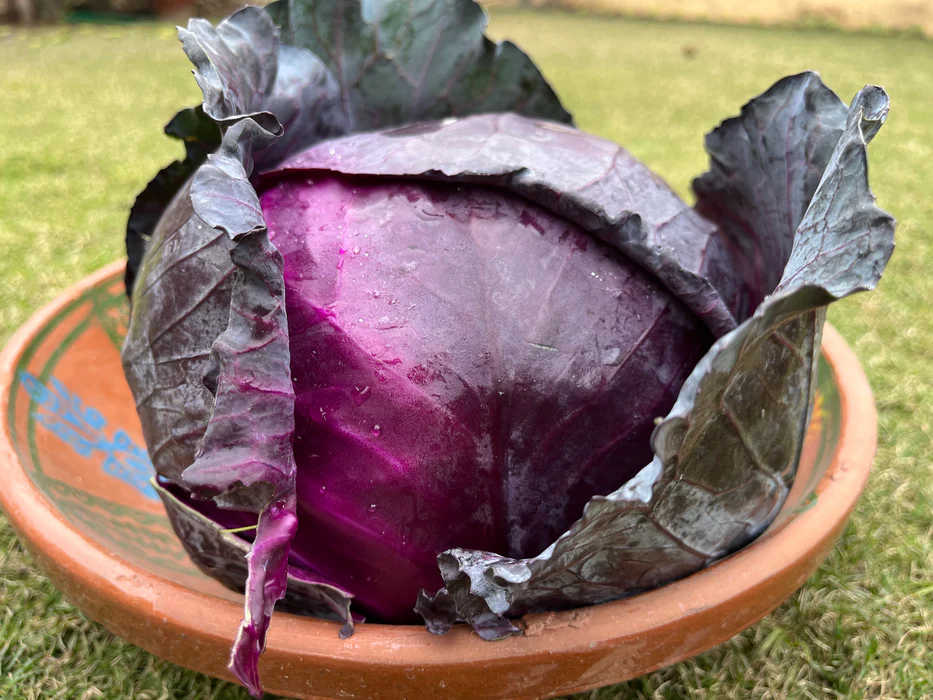
After seedlings are 4–6 weeks old and about 4 inches tall, they’re ready to be transplanted outdoors.
Transplanting Steps:
- Choose a sunny spot that receives at least 6–8 hours of sunlight daily.
- Space plants 12–18 inches apart in rows that are 18–24 inches apart.
- Dig a hole deep enough to bury the stem up to the first true leaves — this encourages stronger roots.
- Water well immediately after transplanting.
If you’re growing in containers, choose pots at least 12 inches deep with good drainage. Use nutrient-rich potting soil mixed with compost for best results.
Step 5: Watering and Mulching
Purple cabbage requires consistent moisture for steady growth and to prevent the heads from splitting.
Watering Tips:
- Water deeply 2–3 times a week, ensuring the soil remains evenly moist.
- Avoid overwatering — soggy soil leads to root rot.
- Use drip irrigation or soaker hoses to water at the base and keep leaves dry, reducing the risk of fungal diseases.
Mulching:
Apply organic mulch such as straw, grass clippings, or shredded leaves around the base of the plants. Mulch helps:
- Retain soil moisture.
- Regulate soil temperature.
- Suppress weeds.
- Prevent soil from splashing onto leaves during watering or rain (reducing disease spread).
Step 6: Fertilization and Nutrition
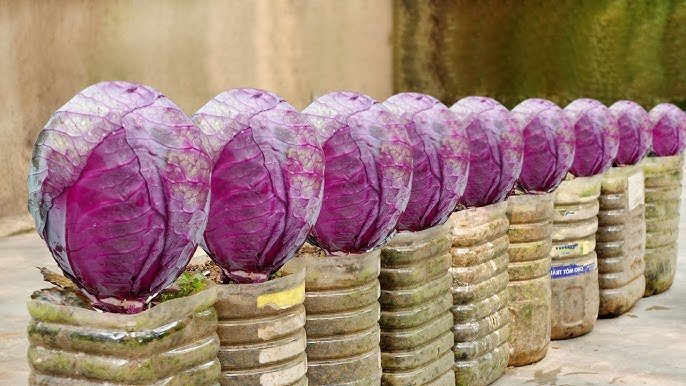
Purple cabbage is a heavy feeder, meaning it needs plenty of nutrients throughout its growing period.
Fertilizer Schedule:

- At planting time: Mix compost or well-rotted manure into the soil.
- After 2–3 weeks: Feed with a balanced fertilizer (10-10-10 NPK) or organic liquid fertilizer.
- When heads start forming: Apply a nitrogen-rich fertilizer (like fish emulsion or compost tea) to boost leaf growth.
Avoid excessive nitrogen late in the season, as it can delay head formation and make the cabbage loose instead of compact.
Step 7: Protecting from Pests and Diseases
Like other cabbage family plants, purple cabbage can attract pests such as aphids, cabbage worms, and flea beetles.
Natural Pest Control Tips:
- Use neem oil spray every 7–10 days to repel insects.
- Introduce beneficial insects like ladybugs to control aphids naturally.
- Cover young plants with row covers or mesh to prevent moths from laying eggs.
- Inspect leaves regularly, especially the undersides, and remove any caterpillars or eggs by hand.
Common Diseases:
- Clubroot: Prevent by maintaining proper soil pH (above 6.5) and rotating crops.
- Downy mildew: Improve air circulation and avoid overhead watering.
- Black rot: Ensure good drainage and avoid overcrowding plants.
Healthy soil, proper watering, and regular monitoring are your best defenses against pest and disease problems.
Step 8: Encouraging Fast and Healthy Growth
If you want your purple cabbage to grow faster and produce firm, compact heads, consistency is key.
Here are some effective tips:

- Sunlight: Ensure at least 6 hours of direct sunlight daily.
- Moisture: Keep the soil evenly moist; drought stress slows head formation.
- Regular feeding: Apply compost tea every 2–3 weeks.
- Remove lower leaves: Once the plant starts forming a head, remove any damaged or yellowing leaves to direct energy to growth.
- Temperature management: Purple cabbage grows best in cool weather — around 15–21°C (59–70°F).
Under optimal conditions, most purple cabbage varieties mature within 70–100 days after transplanting.
Step 9: Harvesting Purple Cabbage
The most exciting part of growing purple cabbage is harvesting those beautiful, colorful heads.
When to Harvest:
- The heads are firm and dense when gently squeezed.
- Most varieties are ready 70–90 days after transplanting.
- Harvest before the weather gets too hot, as heat can cause heads to split or turn bitter.
How to Harvest:
- Use a sharp knife to cut the cabbage head at the base, leaving outer leaves and roots in place.
- Smaller side heads may form later for a second, smaller harvest.
After harvesting, remove any loose or damaged outer leaves and store in a cool, dry place or refrigerator. Purple cabbage can last up to 3–4 weeks when properly stored.
Step 10: Enjoying Your Harvest
Now comes the best part — enjoying your homegrown specialty purple cabbage!
This versatile vegetable can be used in countless ways:

- Fresh in salads or coleslaw for a colorful crunch.
- Stir-fried with garlic and soy sauce for a quick side dish.
- Fermented or pickled as kimchi or sauerkraut.
- Added to soups, tacos, or wraps for extra flavor and nutrition.
Cooking or fermenting purple cabbage enhances its natural sweetness while retaining its beautiful color and health benefits.
Final Thoughts
Growing super delicious specialty purple cabbage at home is not only easy but also incredibly rewarding. With a bit of attention to soil, water, and nutrients, you can enjoy healthy, vibrant cabbages bursting with flavor and nutrition.
Whether you’re growing in containers on a balcony or in your backyard garden, this vegetable thrives in cool climates and adds a splash of color to your harvest. Plus, it’s a great way to reduce grocery costs and ensure you’re eating fresh, chemical-free produce.

Leave A Comment