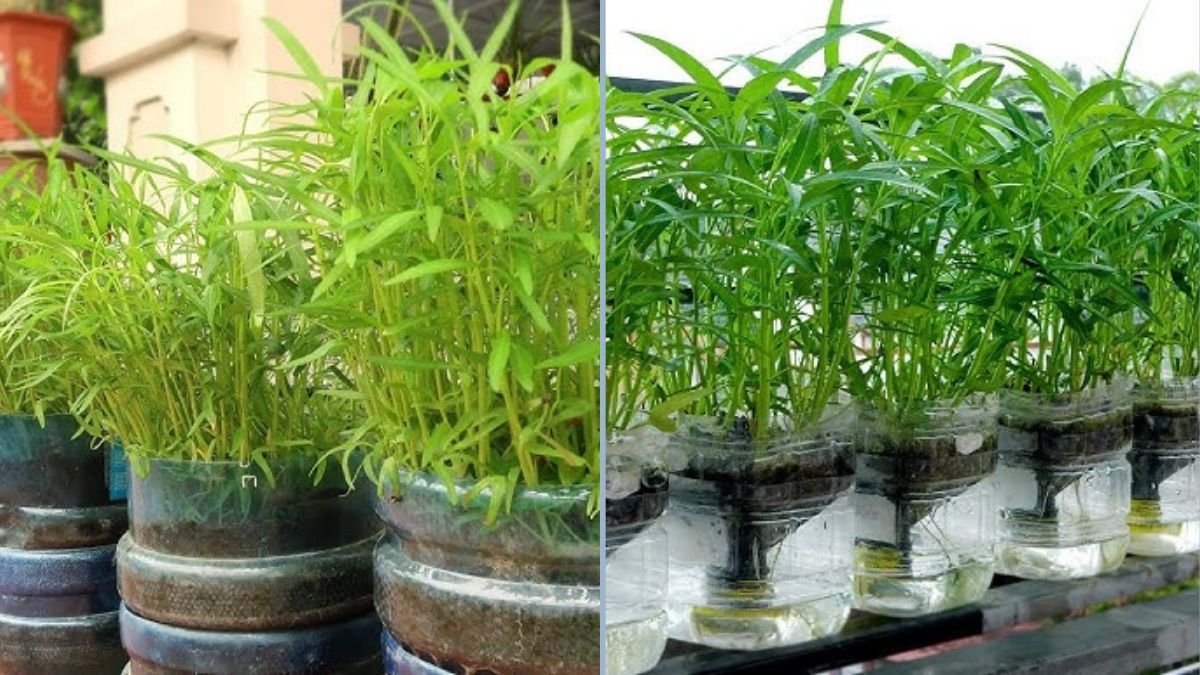
Water spinach, also known as Ung Choi in Vietnamese or KangKong in Southeast Asia, is a delicious, fast-growing leafy green that thrives in wet conditions. This versatile vegetable is widely used in Asian cuisines for stir-fries, soups, and salads. Growing water spinach at home is not only satisfying but also ensures a continuous supply of fresh, organic greens right from your garden. In this guide, we’ll walk you through everything you need to know to successfully grow water spinach in containers, garden beds, or even small water-filled setups.
What is Water Spinach (Ung Choi / KangKong)?
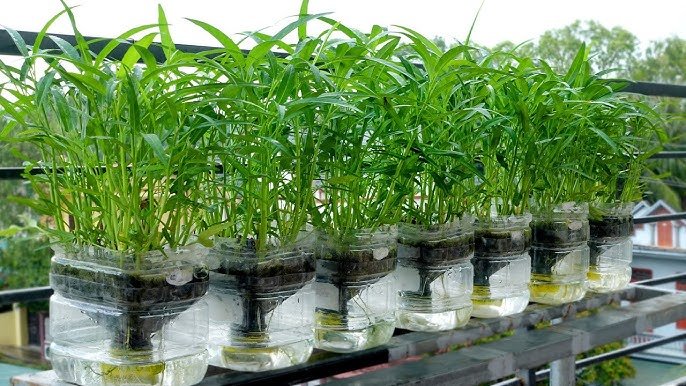
Water spinach (Ipomoea aquatica) is a semi-aquatic, tropical plant known for its tender stems and vibrant, green leaves. It is commonly found in Southeast Asia, India, and parts of China. This fast-growing vegetable is highly nutritious, rich in vitamins A and C, iron, calcium, and antioxidants, making it an excellent addition to a healthy diet.
KangKong grows quickly, often reaching harvestable size within 3–4 weeks, which makes it perfect for home gardeners looking for a rapid and continuous harvest.
Benefits of Growing Water Spinach at Home
- Fast growth – You can start harvesting within weeks.
- Nutrient-rich – Packed with vitamins and minerals.
- Easy to grow – Thrives in wet soil or shallow water.
- Versatile in cooking – Perfect for stir-fries, soups, and salads.
- Continuous harvest – With proper pruning, you can keep harvesting for months.
Choosing the Right Variety

There are several varieties of water spinach, but the main difference lies in leaf shape and stem thickness:

- Narrow-leaf varieties – Often preferred for stir-fries; tender and delicate.
- Broad-leaf varieties – Great for soups and cooking in bulk; more robust.
For home gardening, either type works well, but narrow-leaf varieties are ideal for small containers or kitchen gardens.
Materials You’ll Need
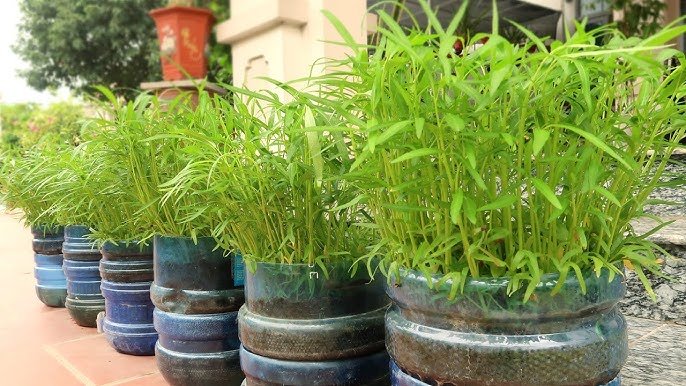
To grow water spinach successfully, gather the following materials:
- Water spinach seeds or cuttings – Seeds are ideal for a longer supply, while cuttings grow faster.
- Containers or raised beds – At least 6–8 inches deep.
- Soil – Loamy, nutrient-rich, and well-draining.
- Water source – Water spinach thrives in moist soil or shallow water.
- Fertilizer – Organic compost or liquid fertilizer for lush growth.
Optional: Grow trays or shallow tanks for a semi-aquatic setup.
Step 1: Propagating Water Spinach
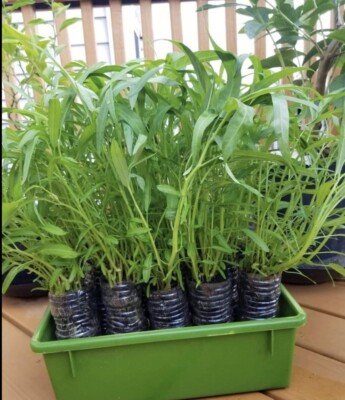
Water spinach can be propagated in two ways: seeds and cuttings.

Propagating from Seeds:
- Soak seeds in warm water for 24 hours to enhance germination.
- Fill a seed tray with moist soil and plant seeds about ½ inch deep.
- Keep the soil consistently moist and in a warm, sunny spot.
- Seeds usually germinate in 7–10 days.
Propagating from Cuttings:
- Cut a 6–8 inch stem from an existing water spinach plant.
- Remove lower leaves and place the cutting in a shallow container of water.
- Roots will start forming in 5–7 days.
- Once roots are established, transfer the cutting to soil or a shallow water garden.
Step 2: Preparing the Growing Medium
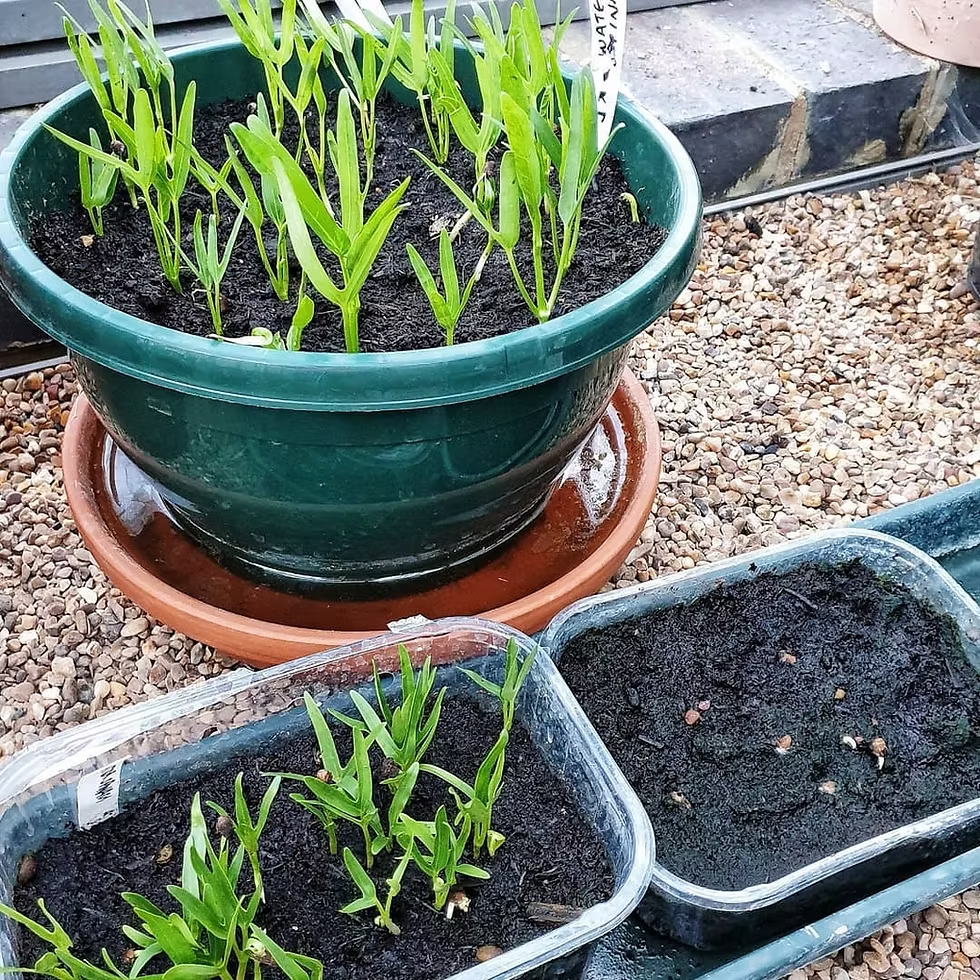
Water spinach prefers moist, nutrient-rich soil. You can grow it in:
- Garden beds – Mix compost into the soil to improve fertility.
- Containers – Ensure containers are at least 6–8 inches deep with drainage holes.
- Semi-aquatic setup – Use a shallow tray or container filled with a few inches of water, ideal for tropical or indoor gardening.
Tip: Keep the soil consistently moist but not waterlogged, unless you are growing it in a water-filled container.
Step 3: Planting Water Spinach
- Spacing: Plant seeds or cuttings 6–8 inches apart to allow adequate growth.
- Depth: Sow seeds about ½ inch deep in soil.
- Sunlight: Water spinach requires full sun (at least 6 hours daily).
If planting in a semi-aquatic setup, ensure the roots are submerged in a shallow layer of water while the leaves grow above.
Step 4: Watering and Fertilizing
Water spinach thrives in moist environments:

- Watering: Keep the soil constantly moist. If growing in containers, water daily or when the soil surface dries.
- Fertilizing: Apply organic compost or liquid fertilizer every 2–3 weeks for healthy, vibrant leaves.
Tip: Avoid over-fertilizing with nitrogen-heavy fertilizers, as this may cause excessive leaf growth but weak stems.
Step 5: Maintaining Your Water Spinach
- Pruning: Regularly trim the stems to encourage new growth. This also prevents flowering too early.
- Weeding: Remove competing weeds to ensure the plant gets enough nutrients.
- Pest Control: Watch for aphids, caterpillars, and snails. Use organic sprays or manual removal to protect your crop.
Step 6: Harvesting KangKong
Water spinach grows extremely fast. Here’s how to harvest:
- Cut-and-come-again method: Trim stems about 2–3 inches above the base. This encourages new shoots to grow.
- Harvest frequency: You can harvest every 2–3 weeks once the plant is established.
- Best size: Leaves and tender stems are ideal for harvest when they are 6–12 inches long.
Tip: Harvest early in the morning for the freshest taste and maximum nutrients.
Growing Water Spinach Indoors or in Limited Space
Water spinach is perfect for container gardening and indoor cultivation:

- Use shallow trays or pots filled with water and nutrient-rich soil.
- Ensure adequate sunlight or use a grow light for 6–8 hours per day.
- Indoors, the plant may grow slower, but regular pruning and consistent watering will yield continuous harvests.
Cooking and Enjoying Water Spinach
Water spinach is extremely versatile in the kitchen:
- Stir-fried: Quickly sauté with garlic, chili, and soy sauce.
- Soups: Add chopped leaves to broths for flavor and nutrition.
- Salads: Use young, tender leaves in fresh salads.
- Smoothies: Blend fresh leaves for a nutrient-packed drink.
Pro Tip: Wash the leaves thoroughly before cooking, especially if grown in water, to remove any dirt or insects.
Tips for a Thriving Water Spinach Garden
- Rotate crops to prevent soil depletion and disease.
- Provide support for climbing varieties to prevent tangling.
- Monitor growth: Rapid growth means the plant can quickly outgrow containers; regular harvesting keeps it manageable.
- Companion planting: Grow with herbs like basil or coriander to naturally deter pests.
Common Problems and Solutions
| Problem | Cause | Solution |
|---|---|---|
| Yellowing leaves | Overwatering or nutrient deficiency | Adjust watering, add compost or liquid fertilizer |
| Flowering too early | Stress or excessive sunlight | Prune regularly to delay flowering |
| Pests (aphids, caterpillars) | Insects feeding on leaves | Use neem oil or handpick pests |
| Weak stems | Lack of nutrients | Apply balanced fertilizer, ensure full sun |
Final Thoughts
Growing water spinach (Ung Choi / KangKong) at home is rewarding, easy, and sustainable. With minimal effort, you can enjoy fresh, organic greens straight from your garden. Whether you have a small balcony, a container garden, or a backyard pond, water spinach adapts well to different setups and provides a continuous supply of nutrient-rich leaves.
By following this guide, you’ll be able to propagate, plant, maintain, and harvest this versatile vegetable with ease. Remember, the key to success is consistent watering, regular pruning, and providing nutrient-rich soil. Your homegrown water spinach will not only elevate your meals but also make your garden a vibrant, green space full of life.


Leave A Comment