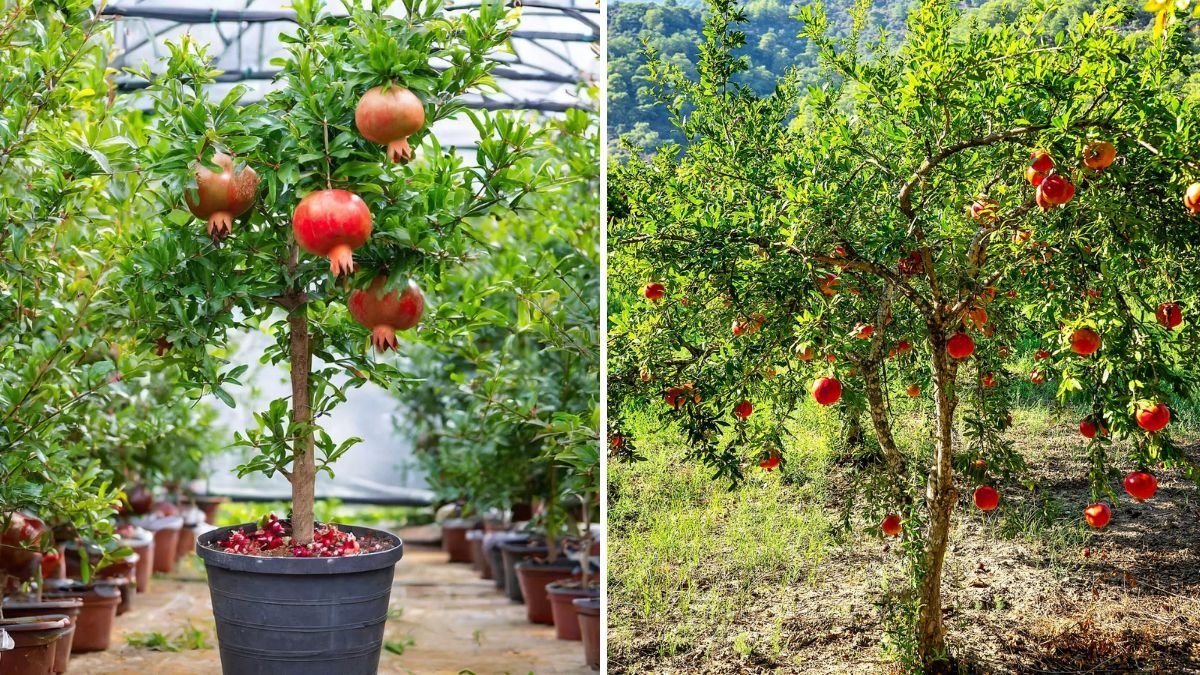
Pomegranates have long symbolized abundance, vitality, and longevity — and growing your own at home brings all those qualities right into your garden. Among all varieties, the ‘Wonderful’ pomegranate stands out as the most popular and productive, loved for its sweet-tart flavor, jewel-like seeds, and beautiful ruby-red hue.
Inspired by the YouTube video “5 Year Pomegranates – How To Grow Wonderful Pomegranates & Pomegranate Tree Care,” this in-depth guide will walk you through everything you need to know about growing and caring for ‘Wonderful’ pomegranate trees — from planting and pruning to fertilizing and harvesting. We’ll also take a closer look at what happens over a five-year growth timeline, so you can understand what to expect each season and how to keep your tree thriving year after year.
1. Meet the ‘Wonderful’ Pomegranate: The King of Varieties
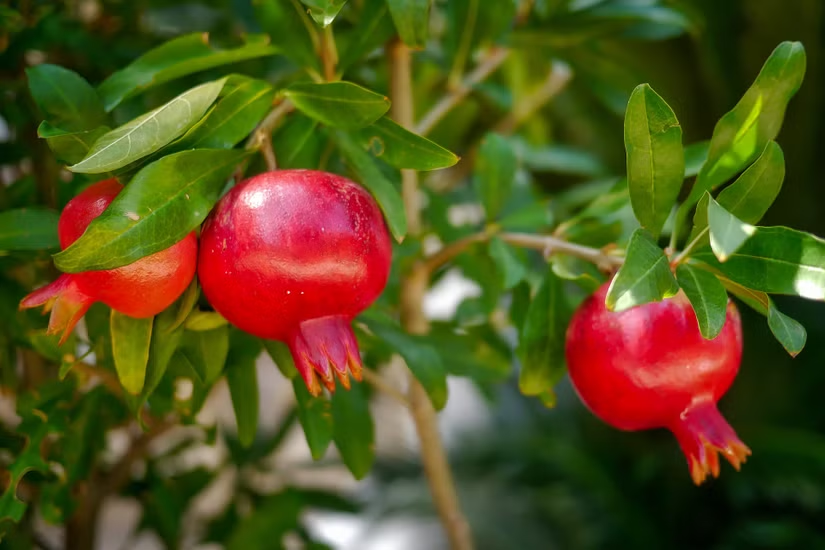
The ‘Wonderful’ pomegranate (Punica granatum ‘Wonderful’) is by far the most cultivated and commercially successful variety in the United States and beyond. Originally introduced to California in the late 1800s, it quickly became a favorite due to its vigorous growth, reliable yields, and large, flavorful fruit.
Key characteristics:
- Fruit size: Large, averaging 4–5 inches in diameter.
- Skin color: Deep red to burgundy when ripe.
- Arils (seeds): Juicy, ruby-red, sweet-tart, and rich in antioxidants.
- Flavor: Balanced sweetness with a pleasant tang — perfect for fresh eating, juicing, or cooking.
‘Wonderful’ pomegranates thrive in warm, dry climates and are ideal for regions like California, Arizona, Texas, and Mediterranean-like environments. However, with the right care, they can also be grown successfully in containers or cooler climates with protection.
2. The 5-Year Growth Journey: From Seedling to Fruit-Bearing Tree
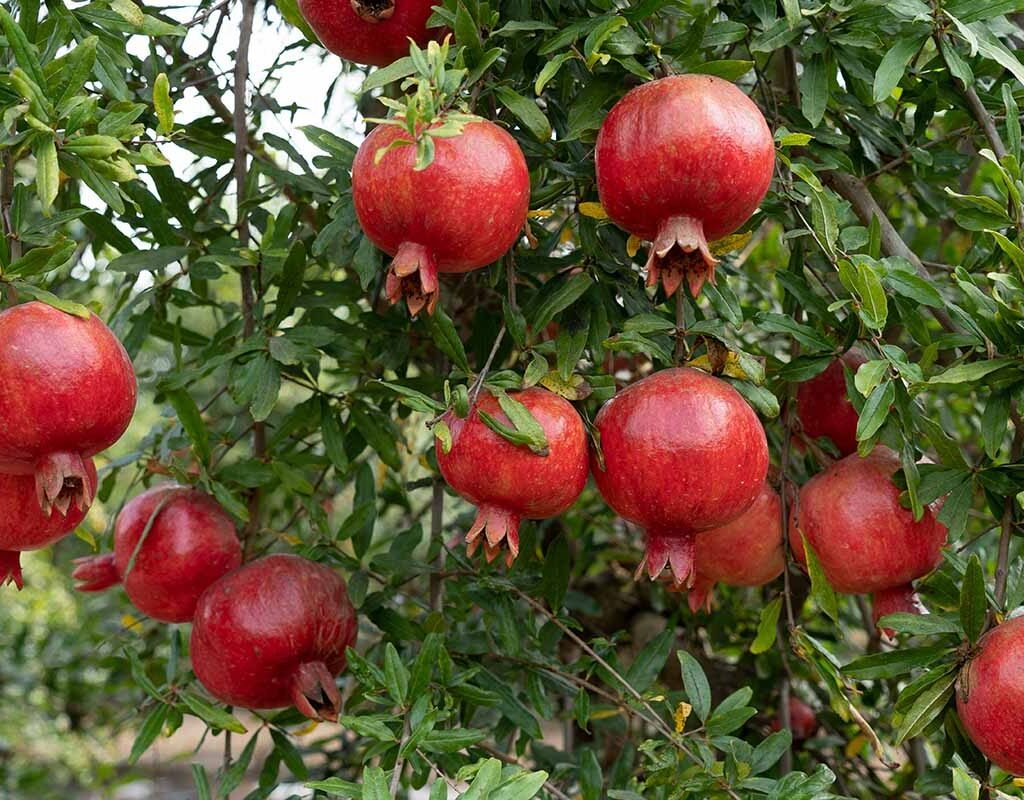
Growing pomegranates requires patience, but the rewards are worth it. Let’s look at what typically happens over the first five years of your ‘Wonderful’ pomegranate’s life.
Year 1: Establishment
- The first year is all about root development.
- Focus on keeping the young plant well-watered and protected from strong winds or frost.
- Avoid over-fertilizing — the goal is to help it establish a strong root system rather than push for fast growth.
Year 2: Structural Growth
- The tree begins to develop multiple shoots from the base.
- Choose 3–5 strong stems to form the main framework (if you prefer a bush form) or train it to a single trunk for a tree shape.
- Light pruning helps shape the plant and encourages branching.
Year 3: First Flowers and Fruits
- Expect your first blossoms in spring.
- Some flowers may develop into small fruits, but most will drop — this is normal.
- Continue watering regularly and applying balanced fertilizer during the growing season.
Year 4: Fruit Set and Maturity
- The tree becomes more established and starts producing a reliable crop of fruits.
- You’ll notice more uniform flowering and fruiting cycles.
- Pruning after harvest helps maintain size and improve next year’s productivity.
Year 5: Full Production
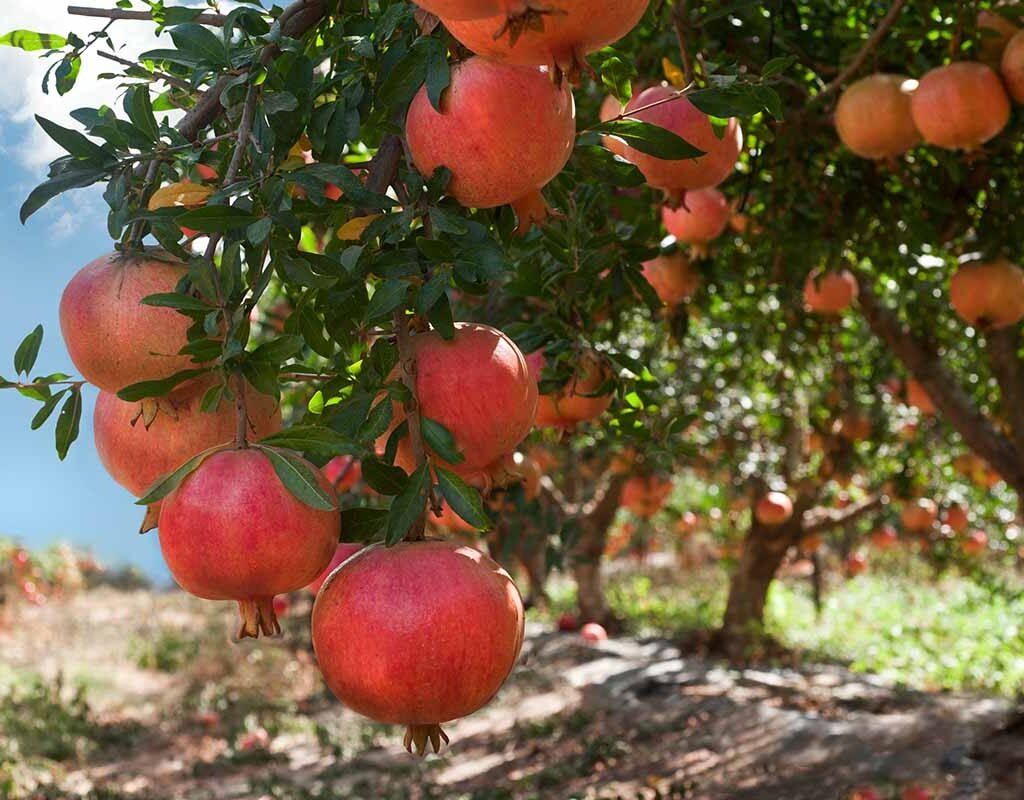
- By the fifth year, your ‘Wonderful’ pomegranate reaches full maturity and can yield 50–100 fruits per season, depending on climate and care.
- The tree’s canopy becomes dense, and fruits ripen beautifully from late summer through fall.
3. Ideal Growing Conditions for ‘Wonderful’ Pomegranates
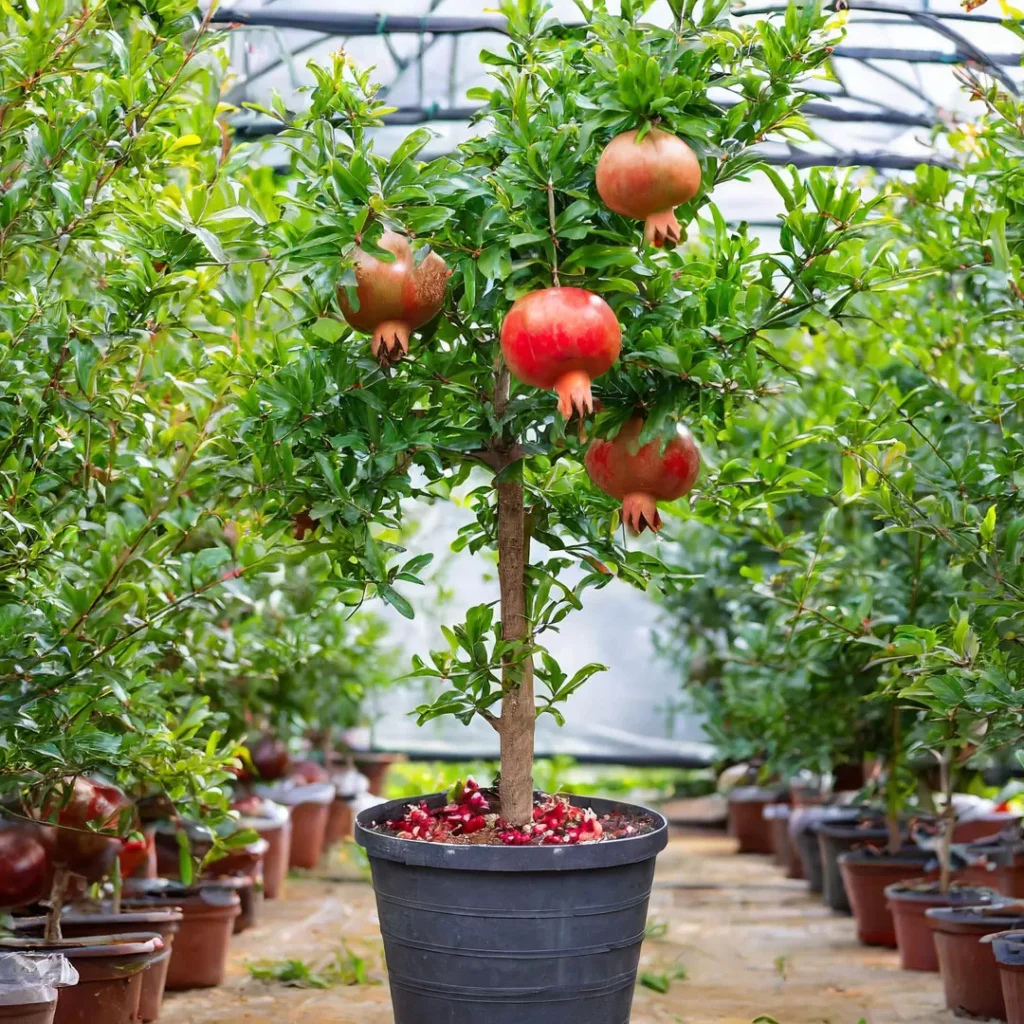
To ensure success, it’s crucial to understand what pomegranates love most.
Climate
- Sunlight: Full sun — at least 6–8 hours daily.
- Temperature: Best growth between 25°C–35°C (77°F–95°F). Mature trees can tolerate short dips to -9°C (15°F) but prefer warmth.
- Humidity: Low to moderate. Too much humidity can cause fungal issues.
Soil
- Type: Well-drained sandy loam or loamy soil.
- pH: Slightly acidic to neutral (6.0–7.5).
- Pomegranates tolerate poor soils better than many fruit trees but cannot handle soggy roots.
Location
Plant your tree in a sunny, open area protected from cold winds. If you live in a cooler climate, consider growing your pomegranate in a large container so you can move it indoors or into a greenhouse during winter.
4. How to Plant ‘Wonderful’ Pomegranate Trees
- Choose the right time:
Plant in spring or early fall, avoiding frost periods. - Prepare the soil:
Dig a hole twice as wide and the same depth as the root ball. Mix compost or well-rotted manure into the soil. - Planting:
Place the tree at the same depth it grew in the nursery pot. Backfill gently, firm the soil, and water thoroughly. - Mulch:
Apply a 2–3 inch layer of organic mulch (such as bark or compost) around the base, leaving space near the trunk to prevent rot.
5. Watering and Irrigation Tips
While pomegranates are drought-tolerant once established, consistent watering is key for high-quality fruit.
- Young trees: Water deeply once or twice a week during dry spells.
- Mature trees: Water every 7–10 days during the growing season.
- Avoid overwatering: Excess moisture can lead to root rot and fruit cracking.
- Tip: Drip irrigation works best — it delivers steady moisture without wetting the foliage.
During fruit development (summer), maintain even soil moisture to prevent fruits from splitting.
6. Fertilizing for Strong Growth and Sweet Fruit
Feed your ‘Wonderful’ pomegranate tree moderately — too much nitrogen encourages leafy growth at the expense of fruit.
- Young trees (1–2 years): Apply a balanced fertilizer (10-10-10) twice a year — early spring and mid-summer.
- Mature trees: Use a low-nitrogen, high-potassium fertilizer (5-10-10) before flowering to promote fruiting.
Organic options like compost, bone meal, or seaweed extract can also improve soil fertility naturally.
7. Pruning for Productivity and Shape
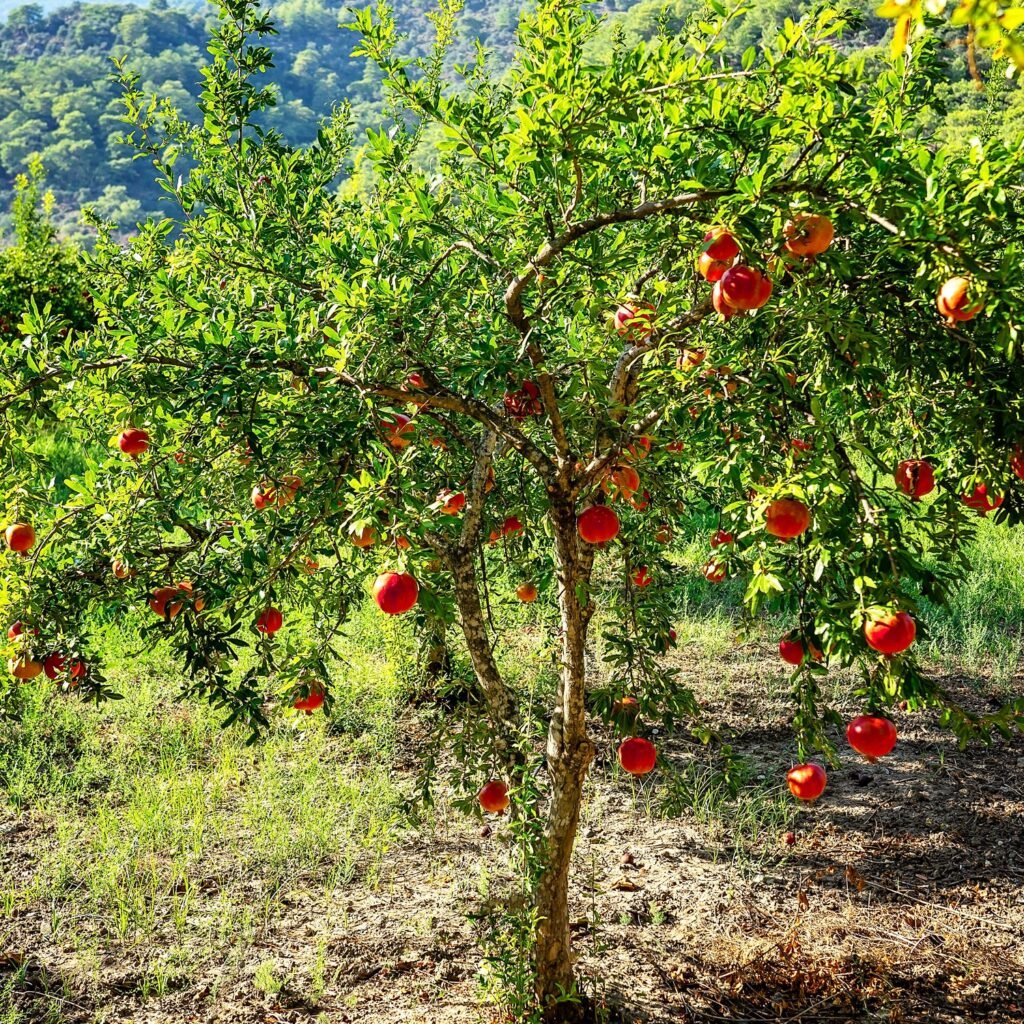
Pruning is essential for both health and fruit production.
When to Prune:
- Best done in late winter or early spring, before new growth begins.
How to Prune:
- Remove dead, damaged, or crossing branches.
- Thin out crowded stems to improve air circulation.
- Cut back long shoots to encourage branching and fruiting spurs.
- For a tree form, maintain one strong trunk and remove suckers from the base.
Proper pruning helps control size, increases sunlight penetration, and promotes consistent fruiting.
8. Pollination and Fruit Development
‘Wonderful’ pomegranates are self-pollinating, but they produce more fruit when bees and pollinators are active.
To encourage better fruit set:
- Grow pollinator-friendly plants nearby (like lavender or basil).
- Avoid spraying pesticides during flowering.
After pollination, fruits take about 5–7 months to mature, typically ripening in September–October in most climates.
9. Common Problems and Solutions
| Problem | Cause | Solution |
|---|---|---|
| Fruit cracking | Irregular watering or humidity swings | Maintain consistent soil moisture and mulch base |
| Leaf yellowing | Overwatering or nutrient deficiency | Check drainage, apply balanced fertilizer |
| Pest attacks (aphids, whiteflies) | Warm, humid weather | Spray neem oil or insecticidal soap |
| Fungal diseases (leaf spot, blight) | Poor airflow, wet foliage | Prune regularly and apply organic fungicide |
| Poor fruiting | Too much nitrogen or shade | Reduce fertilizer and ensure full sunlight |
With attentive care, most of these problems can be avoided or easily corrected.

10. Harvesting Your Pomegranates
Pomegranates don’t ripen after picking, so harvest at the right stage.
Signs of ripeness:
- Deep red or burgundy skin color.
- Slight flattening of the sides (no longer round).
- Metallic “ping” sound when tapped.
- Fruit easily detaches when twisted gently.
Cut fruits from the branch using pruning shears, leaving a short stem attached. Handle carefully — their skin can bruise.
Store harvested pomegranates in a cool, dry place; they can last up to two months in refrigeration.
11. Enjoying the Fruits of Your Labor
Freshly harvested ‘Wonderful’ pomegranates can be enjoyed in countless ways:
- Eat fresh: Enjoy the juicy arils on their own.
- Juice: Blend and strain for a refreshing antioxidant-rich drink.
- Cooking: Add to salads, sauces, and desserts.
- Preserve: Make jams, jellies, or even homemade pomegranate molasses.
The health benefits are equally impressive — packed with vitamin C, potassium, fiber, and antioxidants, pomegranates are considered a superfruit that supports heart health and reduces inflammation.
12. Winter Care and Long-Term Maintenance
In colder regions, pomegranate trees benefit from winter protection:
- Container plants: Move indoors or to a greenhouse before frost.
- In-ground trees: Wrap the base with burlap or frost cloth and mulch heavily around the roots.
Pomegranates have a natural lifespan of 20–30 years and can remain productive for decades with consistent pruning, watering, and pest control.
13. Why ‘Wonderful’ Is Still the Best Choice
Despite the introduction of new hybrids, the ‘Wonderful’ variety remains a favorite for both home gardeners and commercial growers — and for good reason:
- Consistent high yields.
- Exceptional fruit quality.
- Tolerant of heat, drought, and poor soils.
- Stunning ornamental appearance with vibrant flowers and glossy foliage.
The 5-year journey to a mature tree requires patience, but by the time your first full harvest arrives, you’ll have a beautiful, fruit-laden tree that rewards your dedication with every crimson seed.
Final Thoughts
Growing a ‘Wonderful’ pomegranate tree is more than just gardening — it’s cultivating a legacy of health, beauty, and abundance. Over five years, your tree transforms from a young sapling into a flourishing producer that can fill your garden with flowers in spring and heavy, glowing fruits in autumn.
With proper care — sunlight, well-drained soil, balanced feeding, and pruning — your ‘Wonderful’ pomegranate will reward you season after season with rich flavor, vibrant color, and a touch of Mediterranean magic right at home.


Leave A Comment