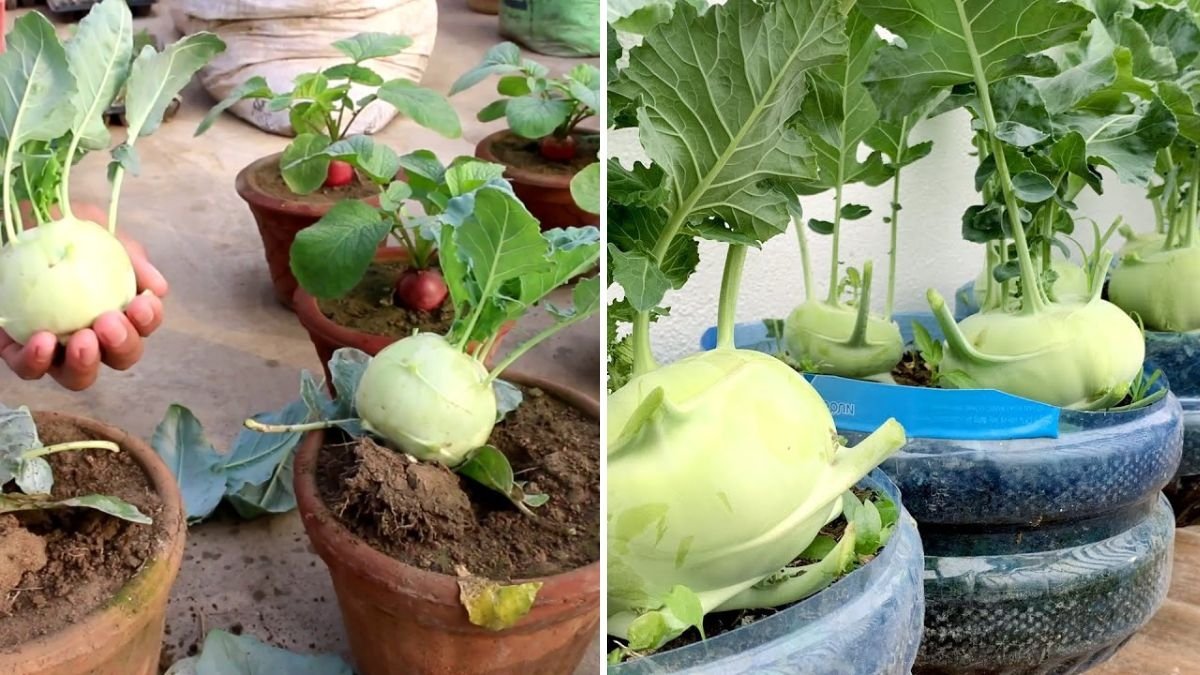
If you’ve ever wanted to grow a truly unique and underrated vegetable in your home garden, look no further than kohlrabi. With its bulb-like stem and leafy greens, this cool-season crop from the brassica family might look unusual, but it’s incredibly rewarding to grow. Sometimes called the “German turnip,” kohlrabi (Brassica oleracea var. gongylodes) is a cousin of cabbage, broccoli, and kale—offering a similar nutritional punch but with a taste and texture all its own.
Crisp like an apple and slightly sweet with a hint of radish flavor, kohlrabi can be enjoyed raw or cooked, making it a versatile addition to your kitchen. Best of all, it’s easy to grow—even in small spaces or containers.
In this comprehensive guide, we’ll take you step-by-step through the entire process of growing kohlrabi—from seed to harvest—so you can enjoy this crunchy, nutritious gem straight from your garden.
What Is Kohlrabi and Why Grow It?
Kohlrabi may not be the most common vegetable in the garden, but once you try it, you’ll wonder why you didn’t plant it sooner. The name comes from the German words “kohl” (cabbage) and “rabi” (turnip), perfectly describing its appearance and flavor.
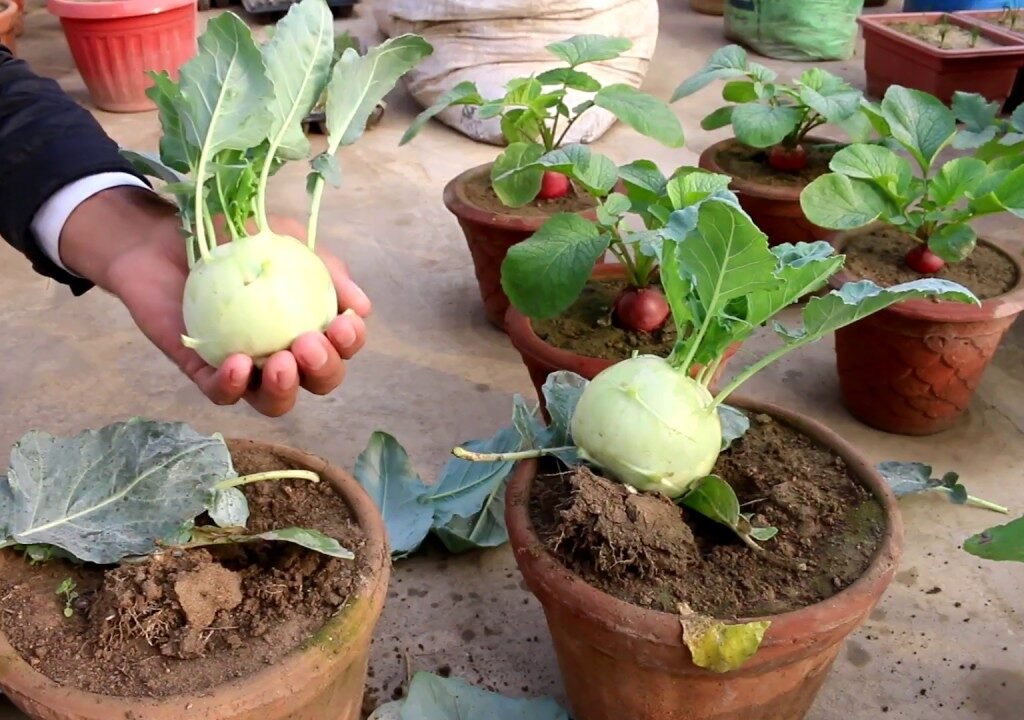
Unlike other brassicas that form heads (like cabbage) or florets (like broccoli), kohlrabi forms a swollen, edible stem just above the soil. Its taste is mild and sweet—like broccoli stems with a hint of radish—and both the bulb and leaves are edible.
Reasons to grow kohlrabi:
- Fast-growing: Ready to harvest in just 50–70 days.
- Cool-season resilience: Thrives in spring and fall when other crops struggle.
- Compact growth: Perfect for container gardens or tight spaces.
- Highly nutritious: Rich in vitamin C, potassium, fiber, and antioxidants.
- Visually striking: Adds a decorative touch with its purple or light-green stems and leafy tops.
Best Varieties of Kohlrabi to Grow
When selecting seeds, consider your climate and taste preferences. Here are some reliable and popular varieties:
- ‘Early White Vienna’ – A fast-maturing, light-green kohlrabi with tender, sweet bulbs.
- ‘Purple Vienna’ – Striking purple skin with white flesh; slightly more robust flavor.
- ‘Kossak’ – Produces large bulbs that remain tender even when mature.
- ‘Superschmelz’ – Ideal for long-season growing; large, juicy bulbs.
- ‘Kolibri F1’ – Hybrid variety that’s bolt-resistant and quick to mature.
For home gardens, ‘Purple Vienna’ and ‘Early White Vienna’ are favorites due to their compact growth and consistent results.
When to Plant Kohlrabi
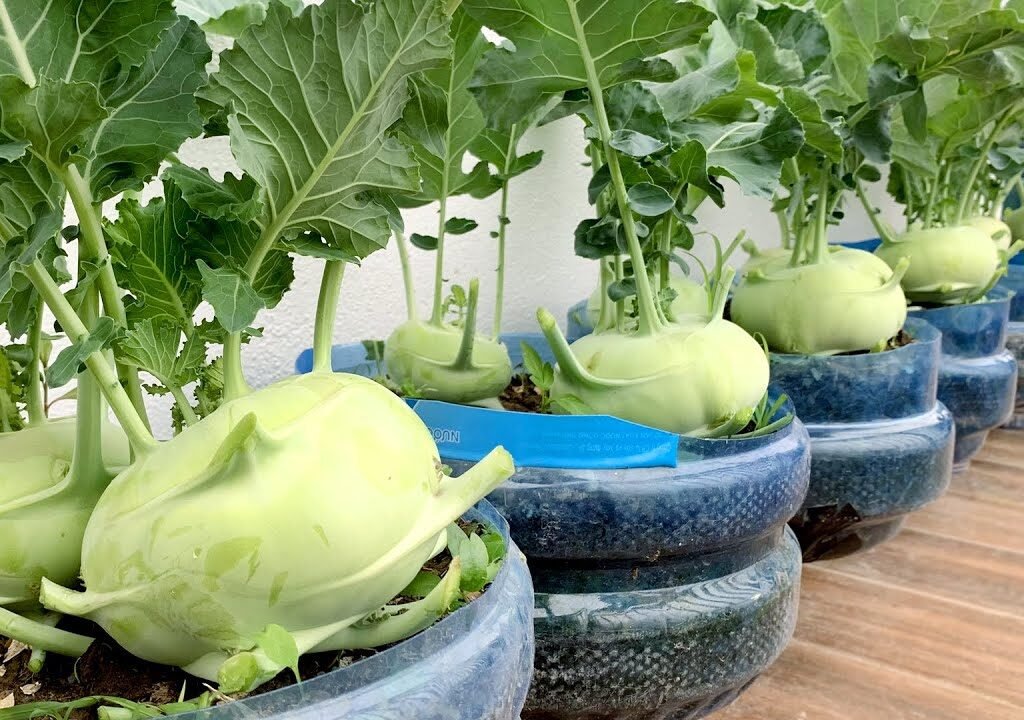
Kohlrabi is a cool-weather crop, growing best in spring and fall. It prefers temperatures between 10°C and 21°C (50°F–70°F). Hot weather can cause it to become woody or bolt (flower prematurely).
- For spring harvest: Start seeds indoors 4–6 weeks before the last frost. Transplant outdoors 2–3 weeks before the last frost.
- For fall harvest: Direct sow seeds in late summer, about 8–10 weeks before the first expected frost.
In mild climates, kohlrabi can even be grown through winter.
Choosing the Right Location
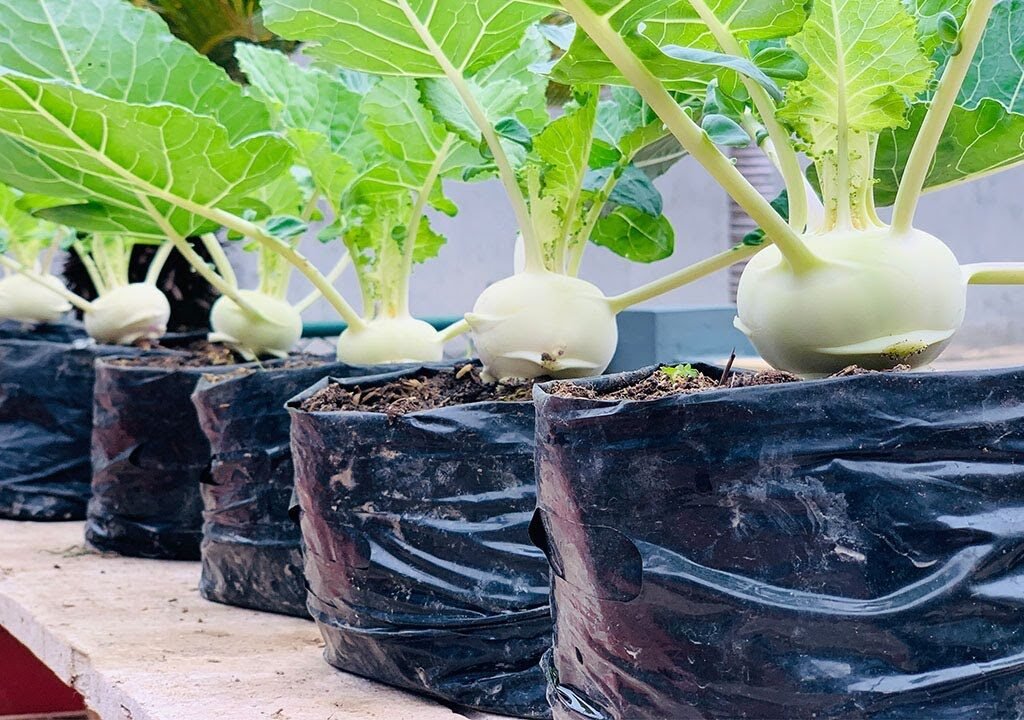
Kohlrabi thrives in full sun, but it can tolerate light shade in warmer climates. Aim for at least 6 hours of sunlight daily. The soil should be well-draining, fertile, and rich in organic matter. Avoid compacted or rocky soil, which can restrict bulb formation.
Preparing the Soil
Before planting, loosen the soil to about 8–10 inches deep and mix in organic compost or well-rotted manure. Kohlrabi prefers a slightly acidic to neutral soil pH between 6.0 and 7.5.
Pro tip: If you’re planting in containers, use a high-quality potting mix made of equal parts compost, garden soil, and coco peat or perlite for good aeration.
How to Plant Kohlrabi from Seed
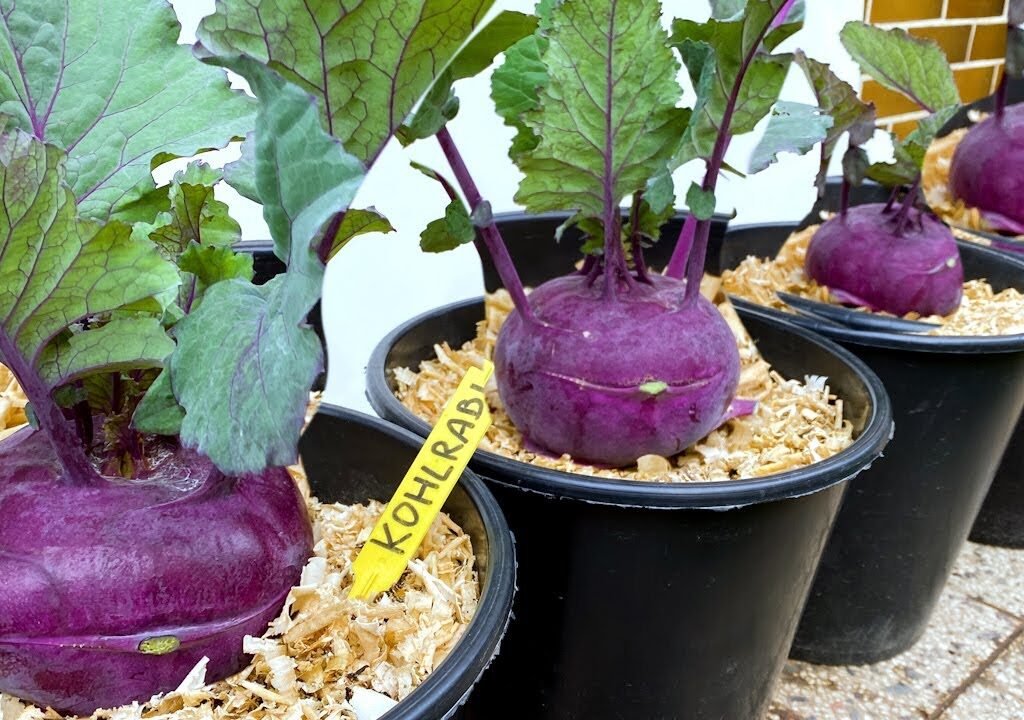
You can start kohlrabi from seeds either indoors or directly outdoors, depending on your growing season.
Starting Indoors:
- Fill seed trays or small pots with a seed-starting mix.
- Sow seeds about ¼ inch (6 mm) deep.
- Keep the soil moist but not soggy.
- Maintain a temperature around 18–21°C (65–70°F) for optimal germination.
- Seeds should sprout in 5–10 days.
Once seedlings reach 3 inches tall and have 2–3 true leaves, harden them off before transplanting outdoors.
Direct Sowing Outdoors:
- Sow seeds ¼ inch deep, spacing them 2 inches apart in rows 10–12 inches apart.
- Once seedlings are 2–3 inches tall, thin them to about 6 inches apart for smaller bulbs or 8 inches apart for larger ones.
Watering and Mulching
Consistent moisture is key to producing tender, juicy bulbs. Water regularly—about 1 inch per week—and ensure even moisture throughout the growing season. Irregular watering can lead to tough, woody bulbs.
Apply a layer of organic mulch (like straw or shredded leaves) around the plants to retain moisture, suppress weeds, and regulate soil temperature.
Fertilizing Kohlrabi Plants
Kohlrabi grows best in nutrient-rich soil, so feeding it properly will enhance both yield and flavor.
- Before planting: Mix in compost or a balanced slow-release fertilizer (10-10-10).
- During growth: Apply a liquid fertilizer or compost tea every 3–4 weeks.
- Avoid excess nitrogen: Too much nitrogen can result in lush leaves but small bulbs.
Caring for Kohlrabi Plants
- Weeding: Keep the area around the plants weed-free. Weeds compete for nutrients and moisture.
- Thinning: Proper spacing allows bulbs to develop properly without crowding.
- Pest Control: Watch for common pests like cabbage worms, aphids, and flea beetles. Use neem oil or insecticidal soap for organic pest management.
- Temperature Control: In warm weather, provide light shade or use row covers to prevent stress.
Companion Planting for Kohlrabi
Kohlrabi pairs well with several garden vegetables and herbs. Companion planting helps deter pests and improve soil health.
Best companions:
- Beets
- Onions
- Lettuce
- Cucumbers
- Aromatic herbs (like dill and sage)
Avoid planting near:
- Tomatoes
- Pole beans
- Strawberries (they may stunt each other’s growth).
Common Problems and Solutions
Even though kohlrabi is relatively hardy, it can face some challenges. Here’s how to troubleshoot:
| Problem | Cause | Solution |
|---|---|---|
| Bulbs not forming | Overcrowding or lack of sunlight | Thin plants and ensure full sun exposure. |
| Bulbs cracking | Irregular watering or rapid growth | Keep soil consistently moist and avoid drought stress. |
| Leaves eaten or holes present | Cabbage worms or flea beetles | Use floating row covers and organic insect sprays. |
| Plants bolting (flowering early) | Hot weather or stress | Grow during cool seasons and provide shade if temperatures rise. |
Growing Kohlrabi in Containers
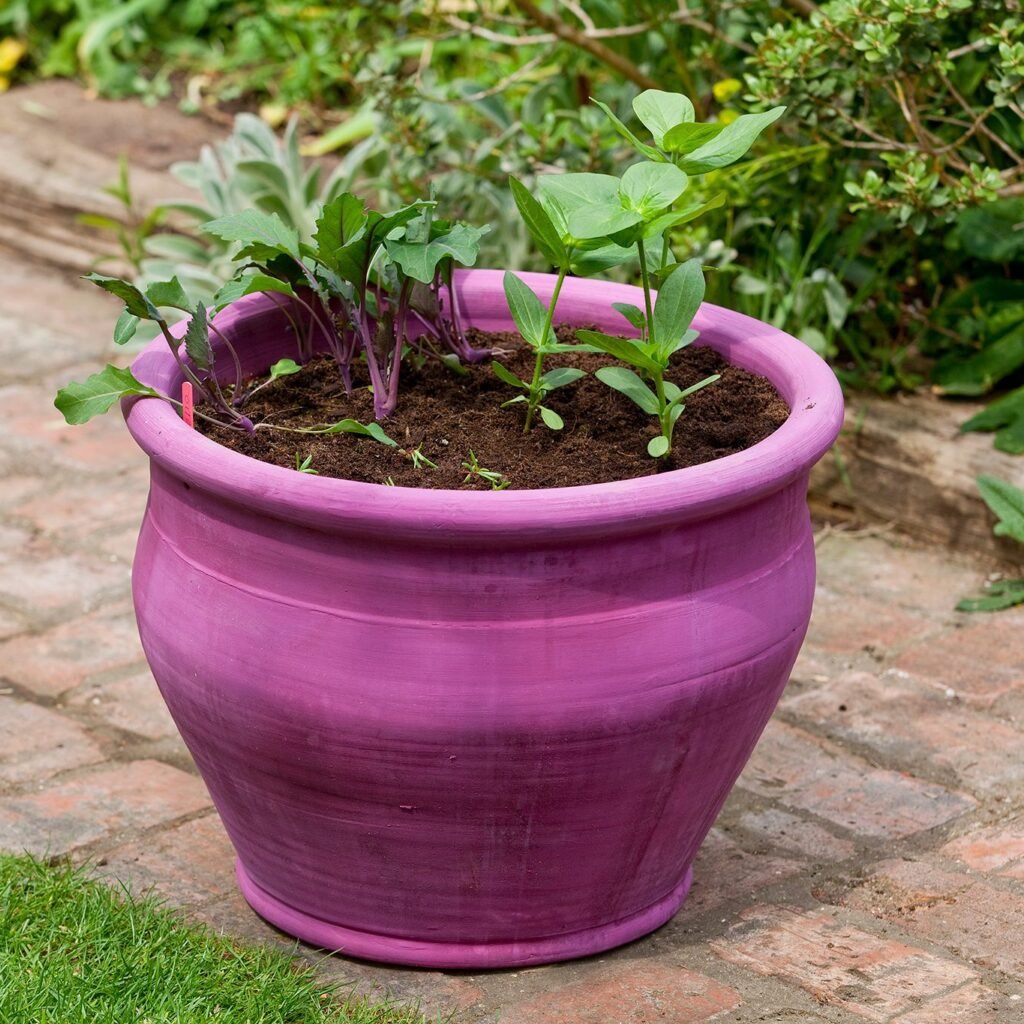
If you don’t have garden space, you can easily grow kohlrabi in pots or containers. Here’s how:
- Container size: At least 12 inches (30 cm) deep and wide per plant.
- Soil: Use rich, well-draining potting mix with compost.
- Spacing: 1 plant per 12-inch pot or 3 plants in a large 20-inch container.
- Watering: Containers dry out faster, so check soil moisture daily.
- Sunlight: Place pots in a sunny spot (6+ hours of light).
Container-grown kohlrabi matures quickly and is less prone to soil-borne diseases.
Harvesting Kohlrabi
Kohlrabi is ready to harvest 50–70 days after sowing, depending on the variety. Timing is essential to ensure the best flavor and texture.
How to harvest:
- Bulbs are best when 2–3 inches (5–7 cm) in diameter.
- Use a sharp knife to cut the stem just above the soil line.
- Harvest before bulbs exceed 4 inches in size to prevent them from becoming woody.
You can also harvest some of the young leaves for salads or cooking—they’re similar in taste to kale or collard greens.
Pro tip: Harvest early in the morning for the crispest, sweetest bulbs.
Post-Harvest Storage
After harvesting, remove the leaves (they draw moisture from the bulb). Store bulbs in the refrigerator for up to 2–3 weeks in a perforated plastic bag.
For longer storage, you can blanch and freeze sliced bulbs for use in soups and stir-fries.

How to Use Kohlrabi in the Kitchen
Kohlrabi’s mild, refreshing taste makes it one of the most versatile vegetables in the kitchen. Here are some delicious ways to enjoy your homegrown harvest:
- Raw: Slice thinly for salads or slaws with lemon and olive oil.
- Roasted: Toss cubes with olive oil, salt, and pepper; roast until golden and tender.
- Mashed: Steam and mash with potatoes for a lighter twist on classic mash.
- Stir-fried: Add to vegetable stir-fries for crunch and flavor.
- Soups and stews: Adds a sweet, earthy base to hearty dishes.
Even the leaves can be sautéed or used in soups for an extra nutritional boost.
Saving Seeds for Next Season
If you let a few plants flower and go to seed, you can collect your own kohlrabi seeds for future planting. Since it’s a biennial plant, kohlrabi usually produces seeds in its second year in mild climates. Allow the seed pods to dry on the plant, then collect and store them in a cool, dry place.
Final Thoughts
Growing kohlrabi from seed to harvest is a simple and satisfying process that rewards you with crisp, delicious, and nutrient-rich vegetables. Whether you grow it in raised beds, containers, or garden rows, this cool-season crop thrives with minimal care and offers incredible flavor versatility.
With just a little attention to watering, spacing, and timing, you’ll soon be harvesting beautiful bulbs that add freshness and nutrition to your meals. So this season, make room for kohlrabi—the humble yet extraordinary vegetable that will make your garden (and your kitchen) shine!

Leave A Comment